LANGUAGE
 English
 Español
 عربى
عربى
If you are weighing metal roofing against asphalt shingles, the decision rarely comes down to which product looks better. It comes down to how long you plan to stay in the building, what your local w...
READ MORE
Industry News
Home / News / Industry News / Best Metal Roof Color for Energy Efficiency: What the Ratings Really Tell You
Best Metal Roof Color for Energy Efficiency: What the Ratings Really Tell You
Update:24 Aug 2026
Content
A commercial building owner in Phoenix who replaces a dark asphalt roof with a white standing seam metal roof usually sees the largest measured drop in peak cooling demand. The physics are simple: roof color controls how much solar heat reaches the building structure, and light surfaces win by a wide margin. The most energy-efficient metal roof color is white, followed by light gray and other pale finishes that reflect 60 to 80 percent of incoming sunlight. For projects where a light roof is not acceptable, modern cool dark coatings are the fallback, but they cannot match the heat rejection of a true white surface.
This guide explains how color ratings work, which shades perform best, and what to verify before placing an order, so you can choose a color based on numbers rather than a color chart alone.
How Roof Color Affects Energy Performance
The energy performance of a roof surface is defined by two physical values. Solar reflectance is the share of sunlight that bounces back into the sky. Thermal emittance is the share of absorbed heat that the surface releases at night. Together they form the Solar Reflectance Index (SRI), a 0-to-100 scale in which black asphalt sits near zero and a fresh white coating lands in the upper 80s or 90s. SRI values are measured with standardized test methods, so the number printed on a coating specification sheet is the most reliable way to compare colors.
For metal roofing, most factory-applied coatings already emit heat well. The property that separates colors is reflectance. A white PVDF coating sends most visible and near-infrared radiation away, while a dark coating absorbs it. That is why a white panel can stay roughly 25 to 30 degrees Celsius cooler than a black panel on the same roof deck at midday.
- Lighter colors reflect more solar energy and carry higher SRI values.
- A higher SRI means lower surface temperature and a smaller cooling load.
- Cool pigments can improve the SRI of a dark color by 15 to 25 points without changing how it looks.
The full range of panel profiles and finishes is described in our overview of the types of metal roofing materials available from a single manufacturer.
The Most Energy-Efficient Metal Roof Colors
The practical list is still led by white and near-white finishes. Energy codes and the Cool Roof Rating Council use SRI thresholds instead of simple color names, so the reliable way to compare is to request the tested SRI of the exact coating you intend to specify.
| Color family | Typical solar reflectance | Typical SRI (0 to 100) | Best application |
|---|---|---|---|
| White / cool white | 0.65 to 0.85 | 80 to 100 | Low-slope commercial and warm climates |
| Light gray / silver | 0.55 to 0.65 | 60 to 75 | Residential and mixed climates |
| Beige / tan | 0.45 to 0.55 | 45 to 60 | Buildings where white is visually too strong |
| Pastel blue / green / red | 0.30 to 0.45 | 25 to 40 | Architectural roofs with moderate cooling needs |
| Dark gray / brown / black | 0.05 to 0.25 | 0 to 20 | Snow zones or strict design codes |
White and cool white remain the benchmark, and the measurable differences among premium white coatings are small. What matters more is how well reflectance holds up over ten years, which depends on the color technology and the resin system. Light gray and silver are strong alternatives when a pure white roof is considered too bright.
Why White Roofs Save the Most Energy
The mechanism is direct. A high-SRI roof sends most solar radiation back to the sky before it becomes heat in the structure below. On a low-slope commercial roof, this reduces the cooling load on the occupied floor directly beneath the deck. Modeling and field studies commonly attribute 10 to 25 percent cooling savings to a white low-slope roof in a warm climate, with insulation levels determining where in that range a project lands.
On steep residential roofs, the benefit is smaller because a ventilated attic sits between the deck and the living space. Even then, a light color lowers the deck temperature, eases attic temperature, and slows the aging of both the coating and the underlayment. Lower surface temperature also extends coating life, which reduces the frequency of recoating on larger buildings.
Cold climates complicate the decision. A dark roof absorbs heat in winter and can speed snow melt, but the heating gain is modest in most regions and rarely outweighs the summer cooling penalty. For mixed climates, a cool gray or a dark cool color is often the best compromise.
When a Darker Color Still Makes Sense
A white metal roof is not always allowed. Homeowner associations, historic districts, and architectural guidelines can require darker tones. In those cases, specify dark colors with infrared-reflective pigments. These cool dark finishes look conventional, but their SRI can reach 20 to 35, far above the 0 to 5 of a standard black coating.
The trade-off is clear. If a white roof marks the top of the energy scale, a cool dark roof is the strongest option when visual rules override performance. If you want both, use a light color for the main roof plane and a darker tone for small accents; the energy penalty of a limited dark area is negligible.
The Roof System Matters as Much as the Color
Color decides how much heat the roof absorbs, but the assembly decides what happens to that heat. A standing seam profile with concealed clips lets panels expand and contract freely, protecting the coating and avoiding fastener penetrations that leak heat over time. 25-32-38 standing seam metal roof panels follow this clip design, which suits both low-slope commercial decks and steep residential roofs.
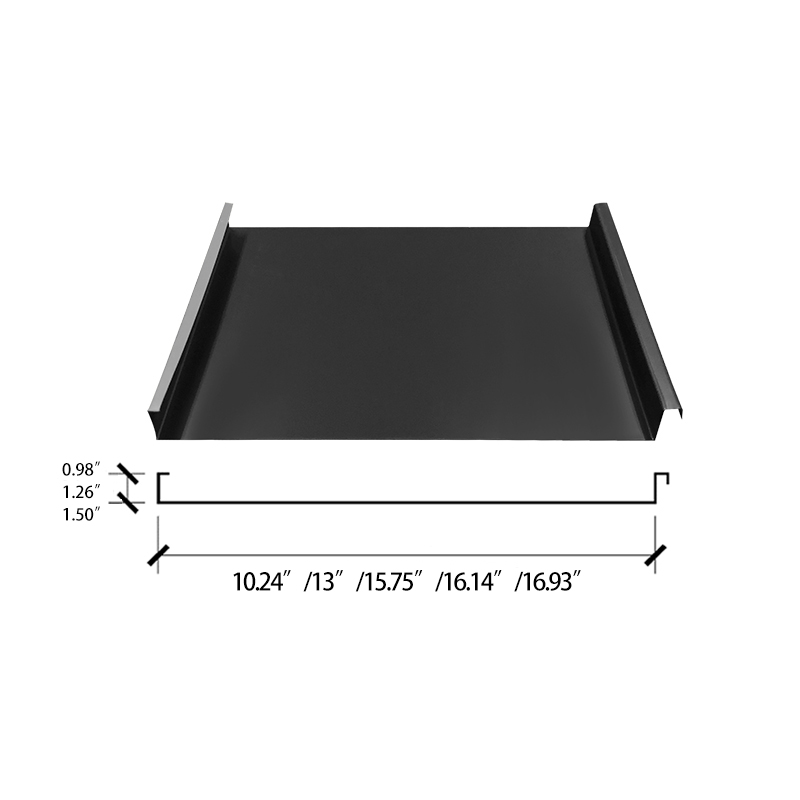 Wholesale 25/32/38 Model standing seam metal roof panels Suppliers, Factory - SuSuzhou Donghong Metal Materials Technology Co., Ltd. is China wholesale 25/32/38 Model standing seam metal roof panels Suppliers and Fact...View Product →
Roofs with long panel runs benefit from stiffer profiles that handle thermal movement cleanly. The 65-model standing seam metal roof panels are a common choice for industrial and warehouse roofs, where the SRI of a light coating is most valuable.
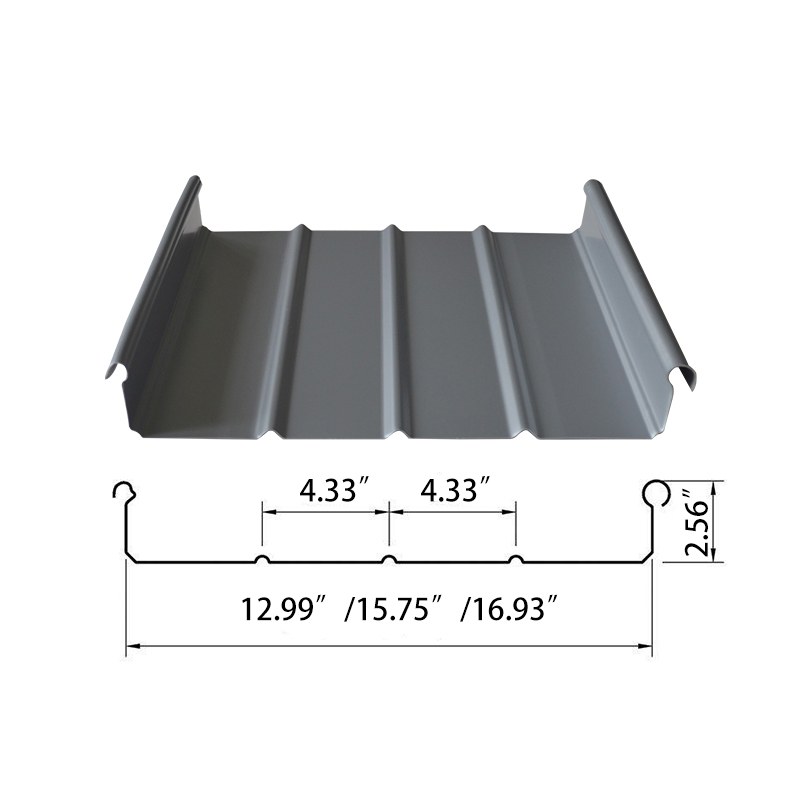 Wholesale 65 Model standing seam metal roof panels Suppliers, Factory - Suzhou DSuzhou Donghong Metal Materials Technology Co., Ltd. is China wholesale 65 Model standing seam metal roof panels Suppliers and Factory,Ov...View Product →
The coating itself is the next check. PVDF systems, based on 70 percent polyvinylidene fluoride resin, hold their color and gloss far longer than polyester-based SMP finishes. This matters because a coating that loses reflectance over time quietly erases the energy advantage you paid for. Ask the supplier to confirm the coating brand, resin system, and warranty before ordering. The full budget picture is covered in our standing seam metal roof panels cost and installation guide.
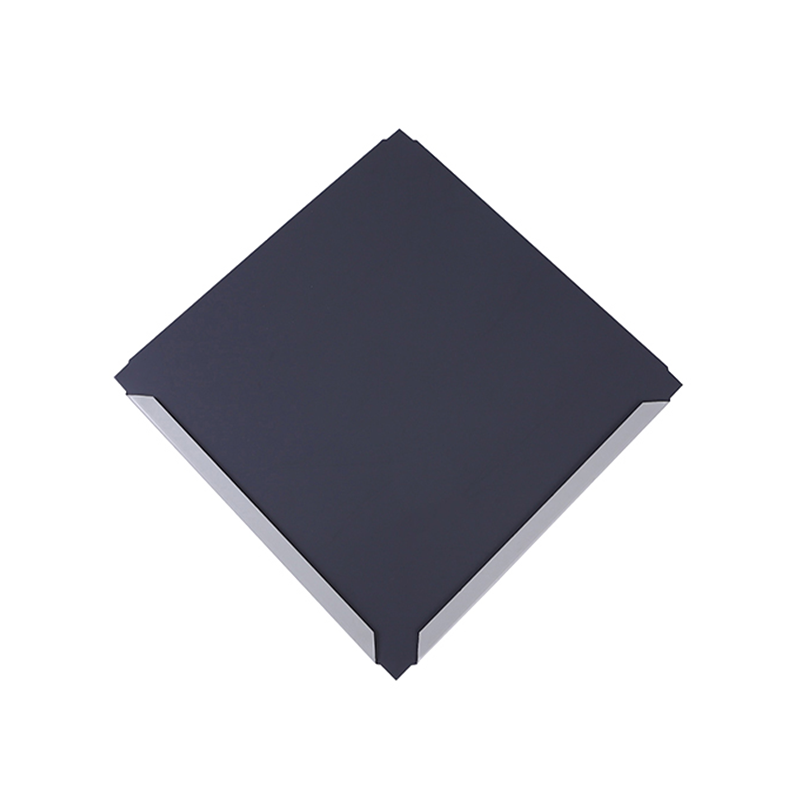
For facades and steeper visible roof planes, a flat-lock panel is a design-led alternative to long profiles. Square metal roofing tiles accept the same cool coating systems, so you keep the energy performance of a light color without the continuous-seam appearance.
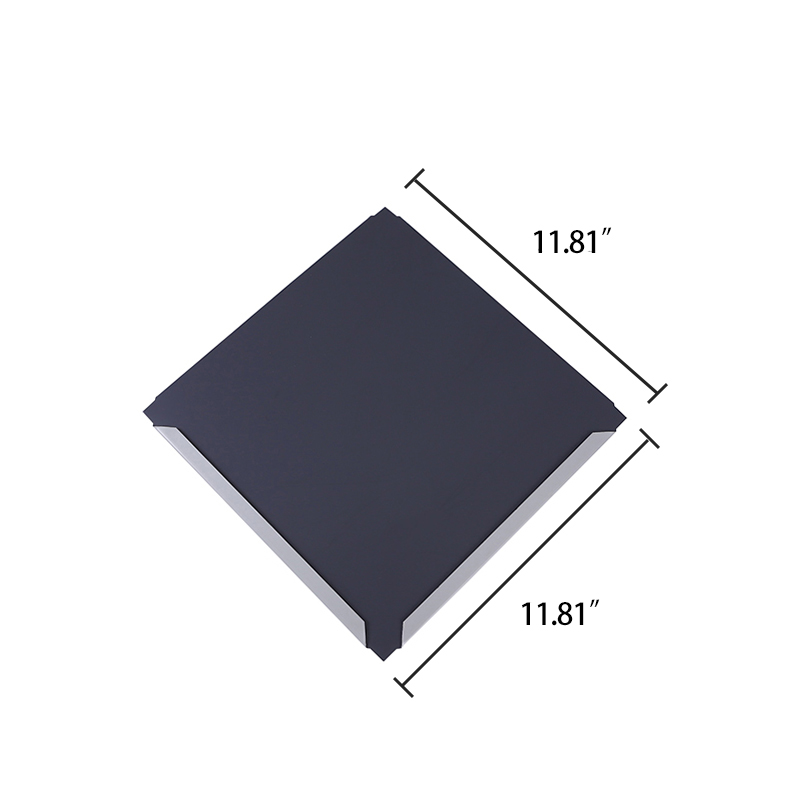 Wholesale Square Metal Roofing Tile Suppliers, Factory - Suzhou Donghong Metal MSuzhou Donghong Metal Materials Technology Co., Ltd. is China wholesale Square Metal Roofing Tile Suppliers and Factory,Overview of the p...View Product →
Insulation and ventilation complete the picture. A low-slope metal roof with continuous insulation and a properly vented plenum outperforms an unvented deck even with an identical color. The color is the visible part of the system; the substrate delivers the consistent result at night.
How to Choose the Best Color for a New Metal Roof
Use the following checks when comparing quotes from different suppliers.
- Define the climate priority. Count annual cooling hours against heating hours for the building, because a cooling-dominated site should default to white or light gray.
- Compare tested SRI values from each coating supplier, not just color names. Two colors with the same name can differ by 10 points or more.
- Check HOA, municipal, or historic district color rules before you commit.
- Request a coated sample panel and inspect it in direct daylight and shade, because gloss changes how a color reads.
- Confirm the coating warranty covers color retention, not just corrosion resistance.
Procurement risk is real. A panel manufacturer can change the coating batch without notice, shifting the final color slightly and with it the SRI. In the purchase contract, specify the coating brand, pigment system, and a written minimum SRI for the delivered panels. This matters most on large projects installed in several phases, where panels from different production runs must sit side by side on the same roof.
No single color is perfect for every building. White remains the most energy-efficient metal roof color, cool dark colors are the compromise where design rules leave no alternative, and the quality of the coating, insulation, and panel system ultimately decides how much of that efficiency the owner actually experiences.
Recommended Products
News
-
-
Metal roofing refers to a roofing system that uses sheet metal as the roofing material, integrating the structural layer and waterproofing layer into one. There are many types of metal sheets, includi...
READ MORE -
Your roof is one of the few building components that works for decades without being touched. When you compare the cost of a metal roof with a conventional asphalt shingle roof, the sticker price mak...
READ MORE -
A science museum project featuring Donghong Metal's aluminum-magnesium-manganese fish-scale roof tiles, together with full technical support from our team, has recently been completed. Covering roughl...
READ MORE

 DOWNLOAD
Copyright © Suzhou Donghong Metal Materials Technology Co., Ltd.
All Rights Reserved.
 Custom Metal Roofing Sheets Manufacturers
Custom Metal Roofing Sheets Manufacturers


QUICK LINKS
PRODUCT
CONTACT US
-
 Email: DonghongMetal@outlook.com
 -
 WahtsApp: +86 18036113307
 -
 Mobile Phone: +86-185 5030 2515
 -
 WhatsApp Business: 852-55025164
 -
 Address: No. 16 Hongyun Road, Fuqiao Town, Taicang City, Suzhou, Jiangsu Province, China