LANGUAGE
 English
 Español
 عربى
عربى

Replacing a roof is one of those decisions most homeowners put off until water stains appear on the ceiling. Once the shingles start curling or losing granules, the question becomes whether to re-shi...
READ MORE
Industry News
Home / News / Industry News / Metal Roof vs Shingles: Advantages That Justify the Upfront Investment
Metal Roof vs Shingles: Advantages That Justify the Upfront Investment
Update:05 Oct 2026
Content
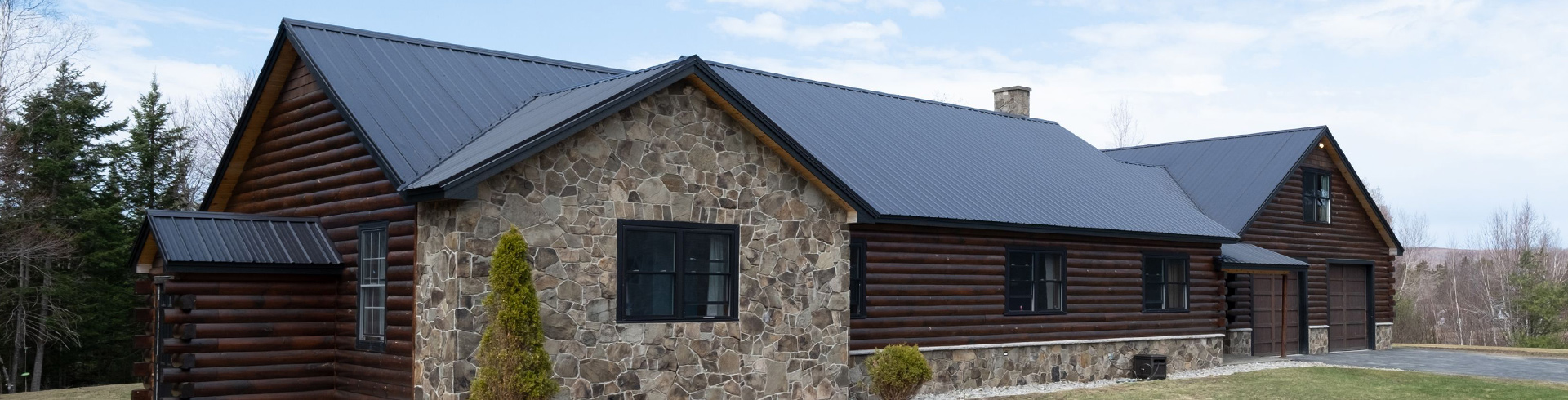
If you are weighing metal roofing against asphalt shingles, the decision rarely comes down to which product looks better. It comes down to how long you plan to stay in the building, what your local weather can do to a roof, and what a repair will cost after a storm. Here is the straightforward conclusion: metal roofing costs more up front, but over a 25-year window it almost always delivers lower total cost of ownership. For many property owners, the advantages of metal roof vs shingles are not theoretical.
What the Upfront Cost Difference Actually Buys
A new asphalt shingle roof can be installed for roughly $3 to $5 per square foot in many U.S. markets. A metal roofing system typically lands between $8 and $14 per square foot, depending on panel profile, gauge, and finish. That gap is the first thing you notice, but the price tag alone is a poor decision-making tool because the two materials are on different depreciation schedules.
Asphalt shingles are a wear item. They lose granule surface, curl at the edges, and absorb moisture. With decent maintenance, a 30-year architectural shingle will give you somewhere between 15 and 25 years of real service. Metal roof panels, on the other hand, are engineered to last 40 to 70 years without a full replacement. When you divide the installed cost by the decades of service, metal often comes out ahead.
| Factor | Asphalt Shingles | Metal Roofing |
|---|---|---|
| Installed cost | $3–$5 / sq ft | $8–$14 / sq ft |
| Lifespan | 15–25 years | 40–70 years |
| Maintenance | Annual inspections, granule loss, repairs | Minimal, occasional fastening checks |
| Fire rating | Class A only with underlayment | Class A noncombustible |
| Wind resistance | Typically 90–110 mph | Often 140+ mph |
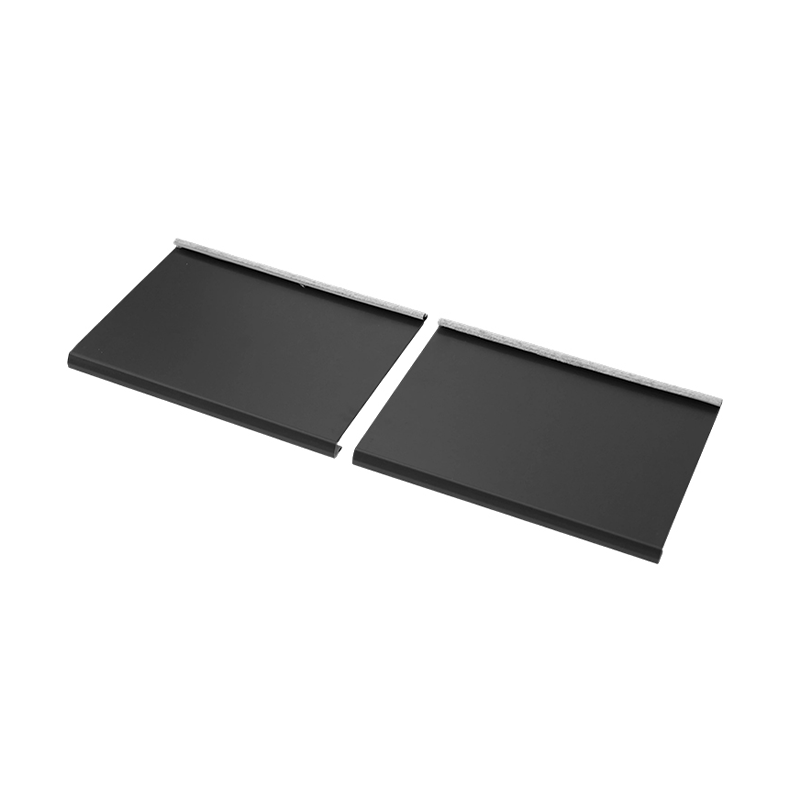
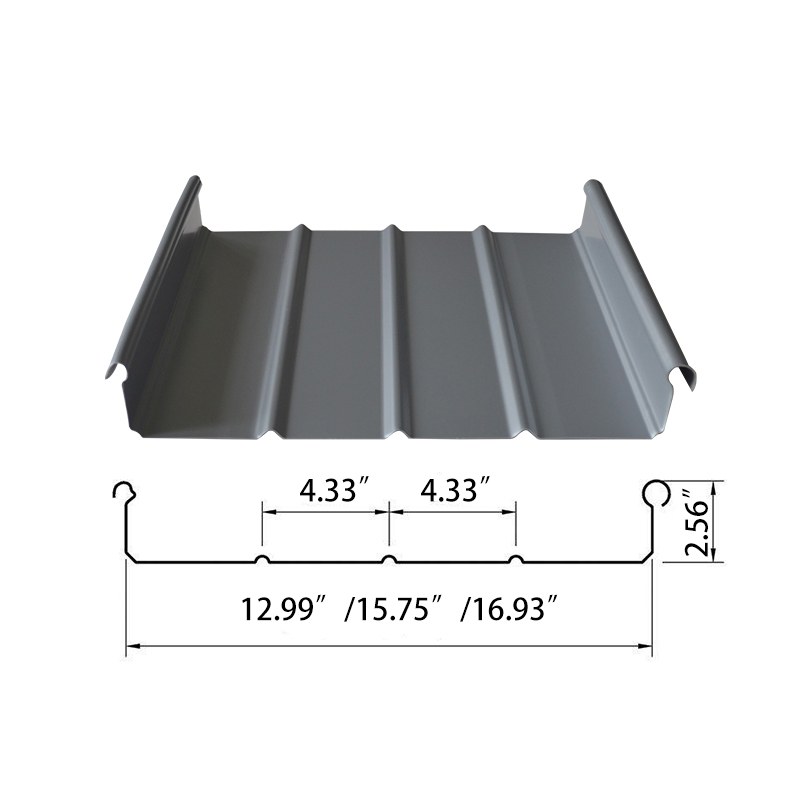 65 Model Standing Seam Metal Roof Panels for Long-Term DurabilityEngineered for 40-70 years of service, these aluminum panels use hidden fasteners and 360° edge-locking to eliminate leaks. Ideal for large-span steel buildings, their seamless length and low slope compatibility make them a durable alternative to shingles.View Product →
Lifespan, Maintenance, and the Real Cost Over Time
Metal roofs win the long-run math because they do not wear out in the same way. A standing seam panel with a painted coating can survive decades of sun, freeze-thaw cycles, and rain without losing its protective layer. The same roof will not develop the dark streaks from algae and lichen that often force shingle replacements before their rated life is reached.
Maintenance differences are practical, not just theoretical. A shingle roof may need damaged tabs replaced after a hailstorm, and paper-thin backing can tear loose in high winds. Metal roofing systems rarely need hands-on maintenance beyond checking fasteners and clearing debris from valleys. This saves not only direct repair costs but also a lot of scheduling headaches for owners who live far from the site.
For industrial or multi-building owners, the maintenance benefit compounds. If one metal roofing system replaces three shingle roofs in the same lifespan, the replacement labor costs and business interruptions are eliminated. That is often the single strongest advantage of metal roof vs shingles in a whole-life cost model.
Weather Performance: Wind, Hail, Fire, and Snow
Metal roofs are frequently specified in high-wind regions because their panel-to-panel interlock and hidden fastener options resist uplift that can tear off shingle strips. A mechanically fastened shingle roof might be rated for 90 to 110 mph, while a properly installed standing seam metal roof can exceed 140 mph. In hurricane-prone coastal areas, that difference can decide whether your building keeps its envelope intact.
Hail is another point of separation. Metal panels dent rather than shatter, and a dent does not automatically create a leak. Asphalt shingle granules are knocked off by hail, leaving the asphalt base exposed to UV rays and accelerating degradation. For fire risk, metal is noncombustible, so a metal roof reduces the chance of ember penetration in wildfire zones. Snow load is handled differently too: metal surfaces shed snow sheets, which prevents the deep, sustained ice dam accumulation that frequently damages shingle roofs and gutters.
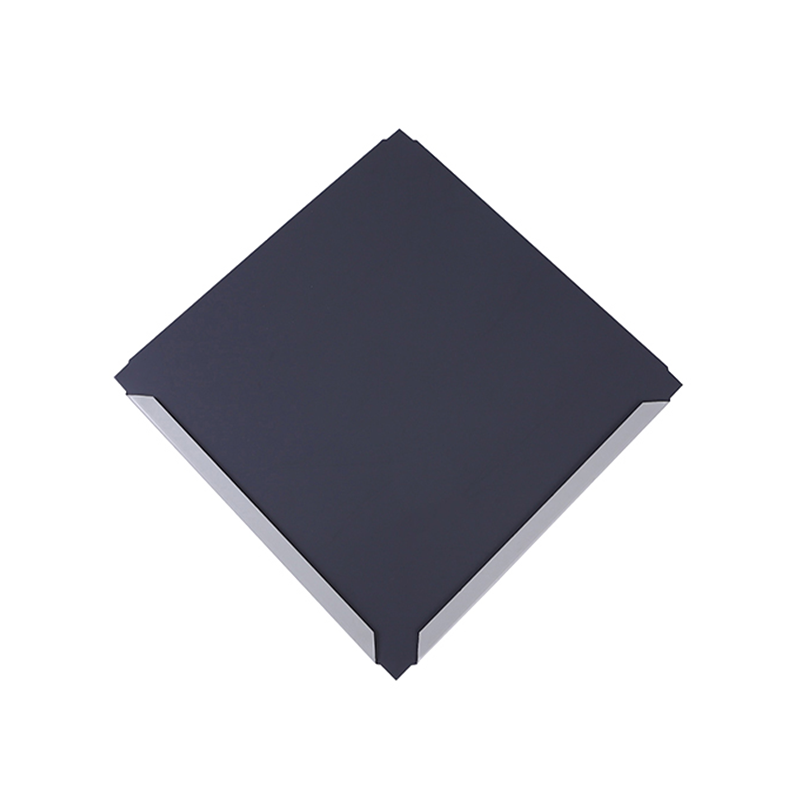
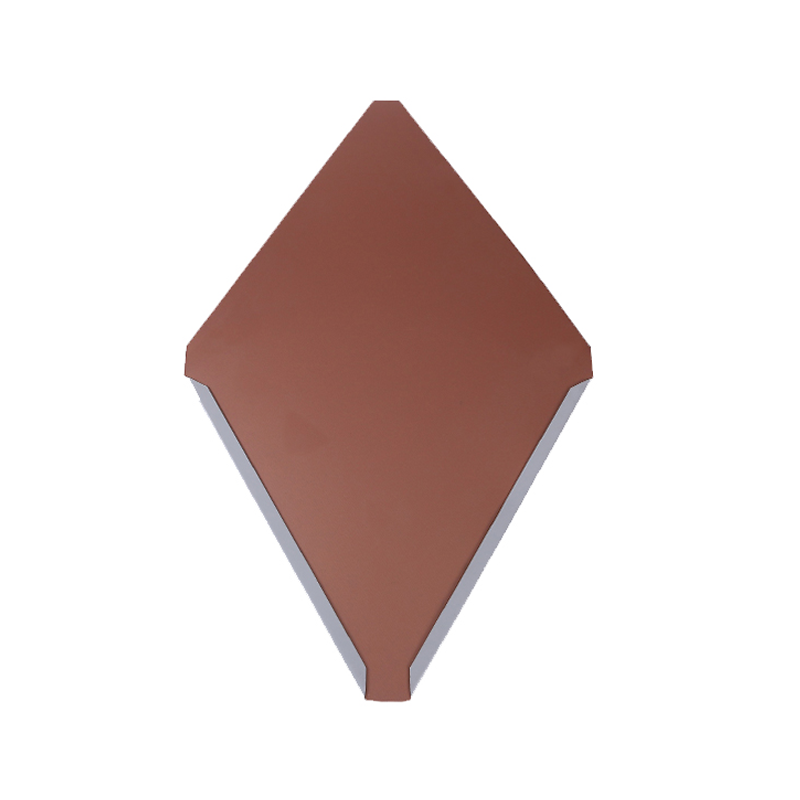
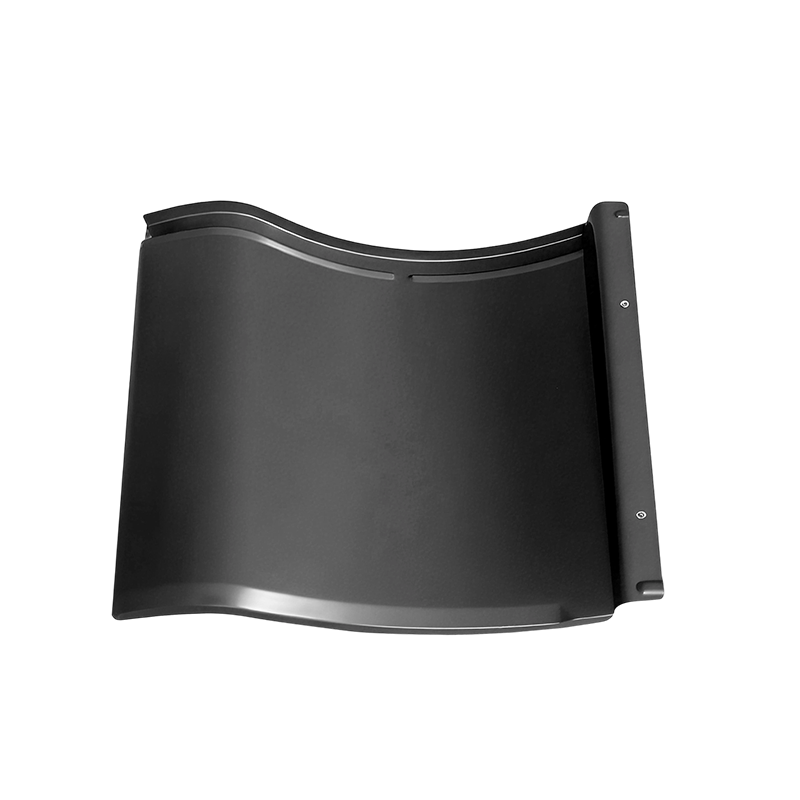
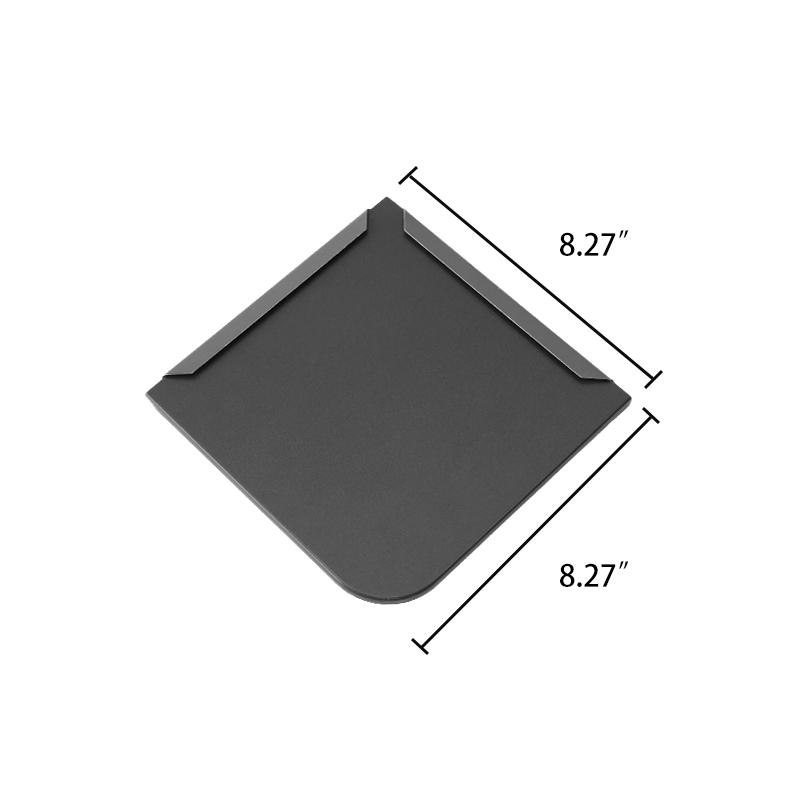 210 Model Square Metal Roofing Tile with Hail and Fire ResistanceThese dragon-scale metal tiles combine traditional aesthetics with modern performance. Hidden fasteners and fire-resistant material provide impact and fire protection, while their adaptability to complex roof shapes suits high-end projects.View Product →
Energy Efficiency and Environmental Impact
Unless your roof is a dark black metal with no coating, the sun's heat is reflected away more effectively by metal than by mineral-surfaced shingles. A pigmented or aluminum-zinc coated metal roof can reduce cooling loads measurably in hot climates, especially if you include an air space between the panels and the deck. The thermal mass of shingles tends to soak up heat during the day and release it into the attic long after the sun sets.
The environmental story is also more favorable for metal. Steel and aluminum roofing are commonly made with a high percentage of recycled content, and the entire system can be recycled again at the end of its life. Asphalt shingles account for a large share of construction and demolition waste, and most end up in landfills. If you are evaluating a building for a green certification or a long-term portfolio, this difference is worth documenting. For projects where the roof faces strong solar gain, you can read more about aluminum roofing panel systems and how they handle heat with low profile.
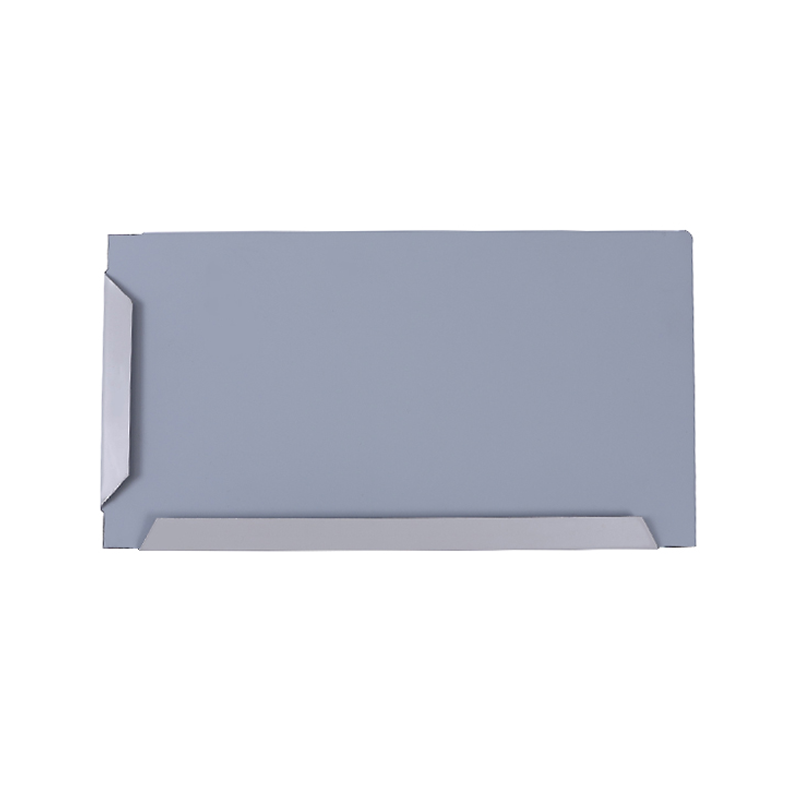
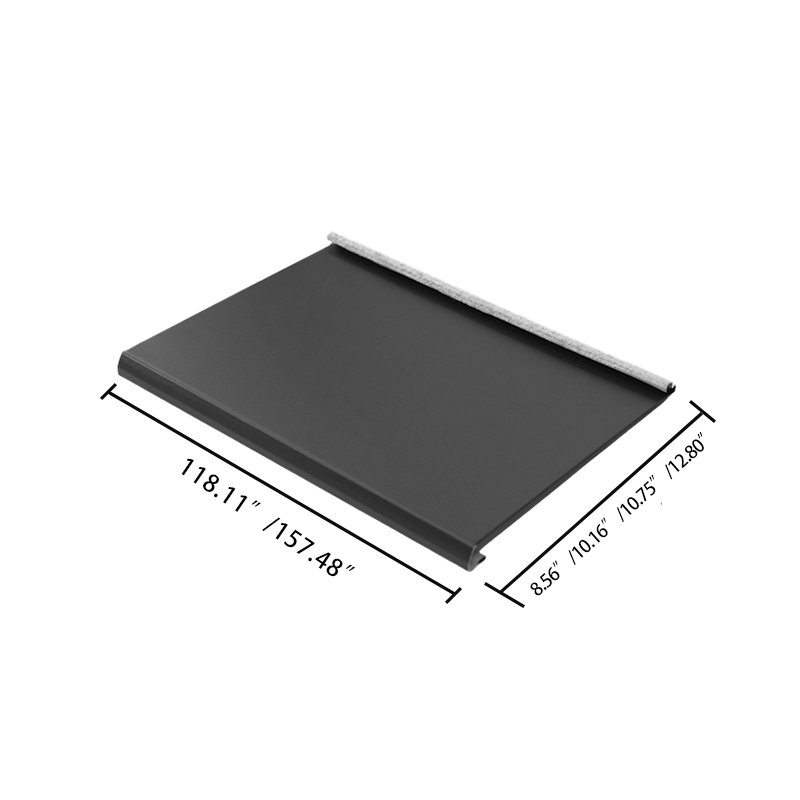 Metal Lap Tiles for Low-Slope Roofs with Recyclable ContentFeaturing horizontal flat-lock interlocking, these tiles offer dual waterproofing and hidden fasteners. Their high recycled content and end-of-life recyclability align with green certifications, making them suitable for renovation projects needing low-slope compliance.View Product →
When Shingles Still Make Sense
There is a clear scenario where shingles win: you know you will sell or dispose of the building within five to seven years, and you want the lowest possible initial outlay. In that case, asphalt shingles let you defer full replacement cost to the next owner. If your community has restrictive covenants that require asphalt-style appearance and you cannot get a variance, shingles might be the only compliant option.
Shingles also remain easier to repair in small sections. A single torn tab can be switched out in an afternoon, whereas a dented metal panel may require removing fasteners and perhaps ordering a custom cut piece. For a short-term property or a tight budget, that lower flexibility threshold can be decisive. But once your planning horizon crosses a decade, those shingle-friendly conditions get harder to justify.
Choosing the Right Metal System for Your Building
Not every metal roof is the same, and the advantages you receive depend on matching the panel profile to the slope and aesthetic requirement of your project. Standing seam panels with hidden fasteners deliver the highest wind resistance and a clean, modern look, making them a common choice for commercial and contemporary residential buildings. For perimeter roofs, steep gables, and wall cladding, a flat lock metal panel provides a tight interlocking geometry with a softer, tile-like appearance.
If you are dealing with low-slope or medium-slope buildings, lap-style metal tiles can be installed over solid sheathing and give you a rugged replacement for traditional shingles. The key is to work with a manufacturer that can produce panels in controlled tolerances and support you with drawing detailing. That level of technical support prevents the installation errors that ruin even the best metal roofing system.
Metal roofing is not a magic cure for every roof. It costs more on day one and requires competent installation. But when you compare the full service life, the storm resilience, and the maintenance demands, the advantages of metal roof vs shingles are consistent and well documented. Start from your expected ownership period, then let that horizon drive the material choice.
Recommended Products
News
-
-
Your roof is one of the few building components that works for decades without being touched. When you compare the cost of a metal roof with a conventional asphalt shingle roof, the sticker price mak...
READ MORE -
Standing seam metal and asphalt shingles are the two names you will hear most often when it is time to re-roof. The decision affects not only what you pay this year, but how often you will be back up...
READ MORE -
A commercial building owner in Phoenix who replaces a dark asphalt roof with a white standing seam metal roof usually sees the largest measured drop in peak cooling demand. The physics are simple: ro...
READ MORE

 DOWNLOAD
Copyright © Suzhou Donghong Metal Materials Technology Co., Ltd.
All Rights Reserved.
 Custom Metal Roofing Sheets Manufacturers
Custom Metal Roofing Sheets Manufacturers


QUICK LINKS
PRODUCT
CONTACT US
-
 Email: DonghongMetal@outlook.com
 -
 WahtsApp: +86 18036113307
 -
 Mobile Phone: +86-185 5030 2515
 -
 WhatsApp Business: 852-55025164
 -
 Address: No. 16 Hongyun Road, Fuqiao Town, Taicang City, Suzhou, Jiangsu Province, China