LANGUAGE
 English
 Español
 عربى
عربى

How Can Wave Metal Roofing Tiles Improve the Design and Performance of Modern Building Roofs?
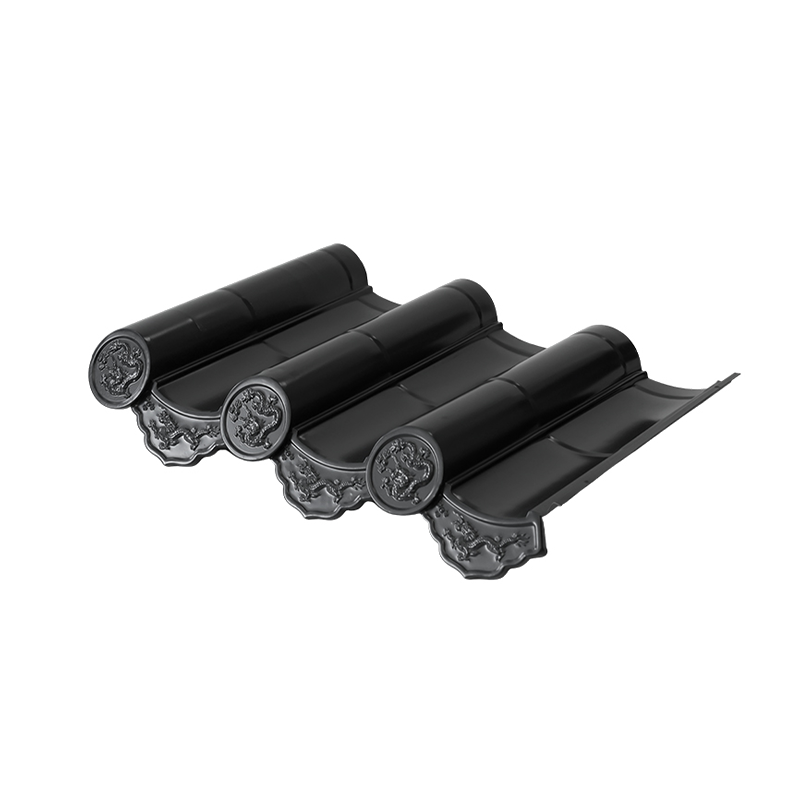
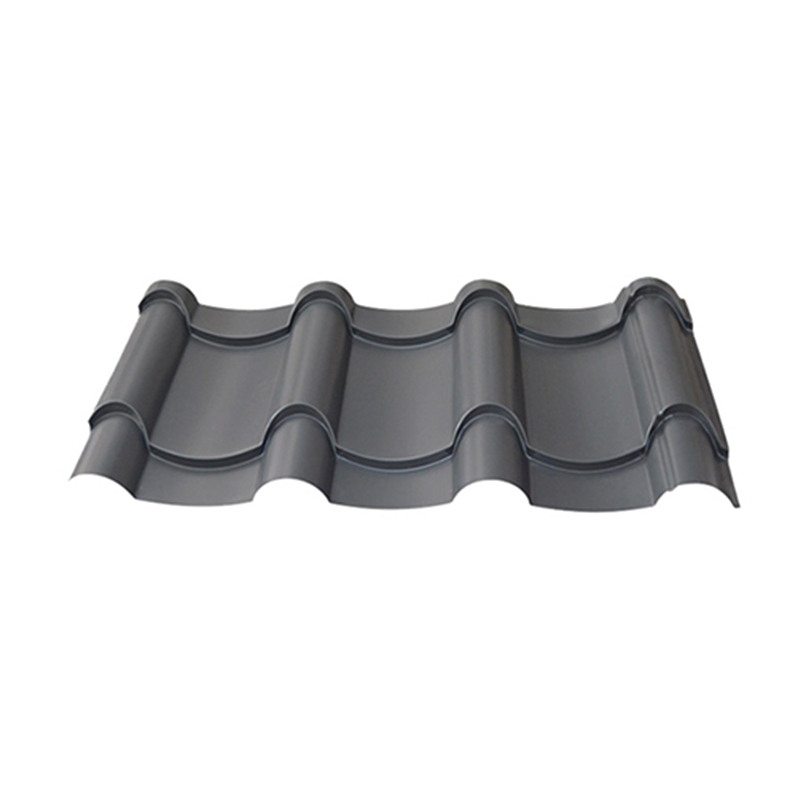
Wave Metal Roofing Tiles are becoming an attractive option for architectural and construction projects that require a combination of practical roofing performance and distinctive visual appeal. Unlike completely flat roofing materials, the continuous wave profile creates a clear three-dimensional texture across the roof surface. This profile can add architectural rhythm while also providing a formed structure that is suitable for a wide range of roofing applications.
For professional project buyers, choosing a roofing material involves much more than selecting a particular appearance. The material needs to correspond with the building structure, climate, roof geometry, installation method, drainage requirements, and expected service conditions. A well-designed wave-profile roofing system can help coordinate these requirements while providing a consistent exterior appearance.
A typical Metal Roof Tile can be manufactured with different dimensions, thicknesses, colors, and surface finishes according to project requirements. The wave configuration can also be adjusted depending on the desired visual effect and technical specifications. For residential developments, commercial buildings, hospitality facilities, industrial properties, agricultural buildings, and renovation projects, different combinations of material and profile can be used to achieve different architectural results.
Suzhou Donghong Metal Materials Technology Co., Ltd. specializes in the research, development, manufacturing, processing, sales, and installation of metal roofing and wall materials. Located in Taicang, Suzhou, a city known as the “Hometown of German Enterprises,” the company is adjacent to Shanghai, an important national steel structure industry base, and separated from Nantong, a city renowned for its construction industry, by a river. Its convenient transportation and logistics environment provides favorable conditions for supplying architectural metal materials.
The company’s product range covers standing seam aluminum-magnesium-manganese roofing systems, metal curtain wall systems, flat interlocking roofing and cladding systems, antique-style metal glazed tile systems, external wall insulation systems, and metal concealed-lock barrel tile roofing systems. This broad experience in roofing and wall materials supports the development of coordinated solutions for projects with different architectural and technical requirements.
What Makes the Wave Profile Valuable in Roofing Applications?
The wave structure is not simply an aesthetic feature. Forming a flat metal substrate into a repeated profile can change its rigidity and overall behavior. The exact performance depends on the material, thickness, wave geometry, supporting structure, and installation configuration, so the profile should always be evaluated as part of the complete roofing system.
From an architectural perspective, the repeated waves create a regular pattern that can make a large roof surface appear more structured. Different wave heights and spacing can produce subtle or prominent visual effects.
The profile can also be combined with different surface finishes. Metallic finishes can emphasize the wave pattern, while matte or coated surfaces can create a more understated architectural appearance.
| Product factor | Available considerations | Project value |
|---|---|---|
| Profile design | Wave height, spacing, and shape | Creates the desired architectural texture |
| Material | Aluminum, steel, aluminum alloy, etc. | Influences weight and durability |
| Thickness | Project-specific specifications | Affects rigidity and handling |
| Tile dimensions | Customized length and width | Supports efficient installation |
| Surface finish | Coated, painted, metallic, matte | Influences appearance and protection |
| Color | Standard or customized | Coordinates with the building |
| Fixing method | Fasteners, clips, overlaps, etc. | Supports installation |
| Accessories | Ridge, flashing, edge, valley components | Completes the roofing system |
How Can a Metal Roof Panel Adapt to Different Building Styles?
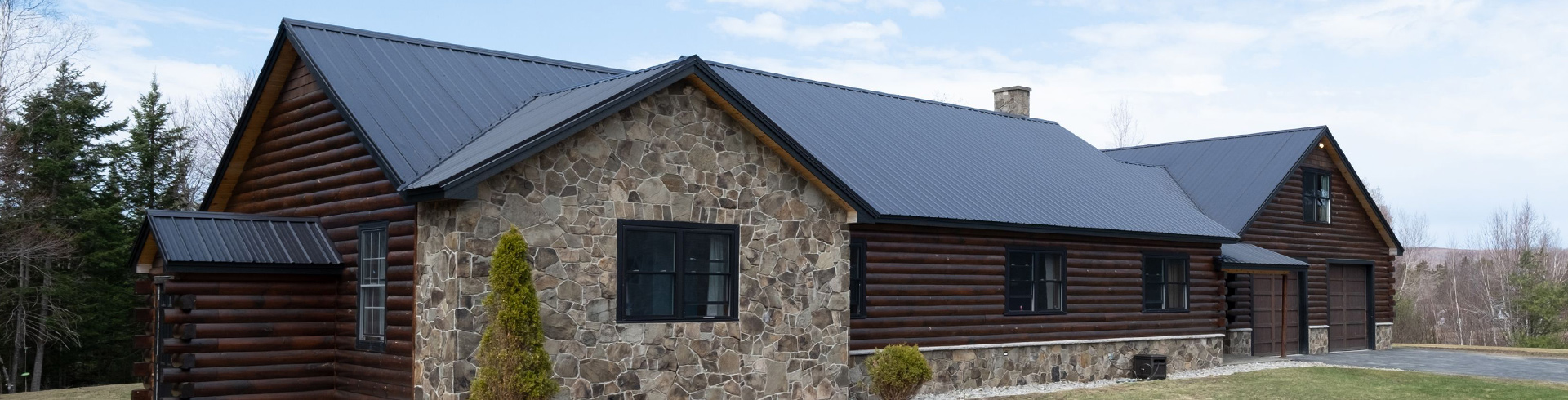
A Metal Roof Panel with a wave profile can be incorporated into a variety of architectural styles. Contemporary projects may use dark colors and simple profiles to create a minimalist appearance, while traditional or rural buildings may use colors and finishes that complement surrounding materials.
The roofing material can also be coordinated with wall systems. For example, a wave-profile roof can be combined with a metal curtain wall, flat metal cladding, glass, stone, concrete, or wood-effect exterior materials. This allows architects to create contrast between different surfaces while maintaining a coherent overall design.
Can Wave Metal Roofing Tiles Be Used for Renovation Projects?
Yes. Wave Metal Roofing Tiles can be considered for certain renovation and replacement projects where the existing roof structure and supporting conditions are suitable. Before installation, the existing roof should be assessed to determine whether reinforcement, replacement of damaged components, or modifications to drainage and flashing are required.
A renovation project also provides an opportunity to improve the building’s exterior appearance. Selecting a new profile, color, and finish can give an older building a substantially different architectural character.
What Should Project Buyers Consider When Selecting Roof Metal Sheet Materials for Different Applications?
Selecting a Roof Metal Sheet for a construction project requires a balanced evaluation of material characteristics, environmental exposure, structural conditions, installation requirements, and visual expectations. Although wave-profile roofing can provide a distinctive appearance, the final product specification should be established according to the actual project rather than relying on a standard configuration for every building.
The first consideration is the base material. Aluminum-based products can be attractive where lightweight construction and corrosion resistance are important considerations. Steel products can provide different combinations of strength, cost, and availability. Aluminum-magnesium-manganese alloys are also widely considered for architectural roofing applications where lightweight construction and long-term exterior performance are required.
The second consideration is surface treatment. Roofing materials are continuously exposed to outdoor conditions, so the finish should be selected according to the project environment. Color, gloss, coating type, and surface texture can influence both appearance and long-term maintenance requirements.
The third consideration is the installation environment. Roof slope, wind exposure, rainfall, drainage, supporting structure, insulation, and roof penetrations all need to be incorporated into the design. A high-quality panel cannot compensate for an unsuitable installation configuration.
Which Material Characteristics Should Be Compared?
Professional buyers should request detailed technical specifications instead of comparing suppliers only according to product names. Material grade, thickness, profile dimensions, coating, effective coverage, and tolerance can all influence the actual value of the product.
For large projects, consistency between different production batches should also be considered. A roof covering thousands of square meters can make small differences in color, gloss, or profile clearly visible.
| Evaluation category | Key information | Why buyers should care |
|---|---|---|
| Base material | Material type and grade | Determines basic characteristics |
| Thickness | Specified material thickness | Influences weight and rigidity |
| Wave profile | Height, spacing, and geometry | Affects appearance and structural behavior |
| Panel length | Standard or customized | Influences installation efficiency |
| Effective width | Actual coverage after overlap | Helps calculate quantities |
| Coating | Type and specification | Supports outdoor performance |
| Color | Standard or customized | Coordinates with architectural design |
| Tolerance | Dimensional requirements | Supports consistent installation |
| Accessories | Compatible components | Reduces field modifications |
How Does Climate Influence Roof Metal Sheet Selection?
Climate is an important part of material selection. A project in a coastal environment may require careful consideration of salt exposure and corrosion resistance. A building located in an area with intense sunlight may require an appropriate coating system. Projects exposed to significant temperature changes should also consider thermal movement.
Heavy rainfall makes drainage particularly important. The roof should have appropriate slopes and drainage paths, while overlaps, flashing, ridges, valleys, and penetrations need to be properly detailed.
Strong wind conditions also require attention to the supporting structure and fixing arrangement. The exact design should be established according to the building location, structural calculations, applicable standards, and manufacturer recommendations.
Why Is Surface Finish Important for Metal Roof Tiles?
A Metal Roof Tile is often one of the most visible exterior components of a building, so its surface finish has both functional and aesthetic importance. A suitable coating can contribute to environmental resistance while also providing the desired architectural appearance.
For projects using large quantities of roofing materials, buyers should pay attention to color and gloss consistency. It is useful to establish an approved sample before mass production so that subsequent production can be compared against the agreed appearance.
How Can Buyers Reduce Installation Difficulties?
The best way to reduce installation problems is to coordinate the roofing system before production. Buyers should provide roof drawings, dimensions, slopes, openings, ridge conditions, edge details, and other relevant information.
The manufacturer can then determine the required panel dimensions, accessories, and quantities. This approach can reduce unnecessary cutting and help the installation team work according to a predetermined material plan.
How Can Wave Metal Roofing Tiles Manufacturers Provide More Value for Large Construction Projects?
For large construction projects, the relationship between product quality and manufacturing capability is particularly important. A roofing supplier may be required to produce a large number of panels or tiles with consistent dimensions, surface quality, profile geometry, and color. At the same time, production needs to follow the construction schedule so that materials arrive when they are required.
A professional Wave Metal Roofing Tiles manufacturer should therefore provide more than standard products. Technical communication, customized production, quality inspection, packaging, logistics coordination, and installation support can all contribute to project efficiency.
Suzhou Donghong Metal Materials Technology Co., Ltd. integrates research and development, manufacturing, processing, sales, and installation of metal roofing and wall materials. This integrated business scope enables the company to approach roofing products from both a manufacturing and practical construction perspective.
Located in Taicang, Suzhou, the company benefits from convenient access to Shanghai and surrounding logistics networks. The location is particularly advantageous for projects requiring transportation of large quantities of metal roofing and wall materials.
Its product portfolio includes standing seam aluminum-magnesium-manganese roofing systems, metal curtain wall systems, flat interlocking roofing and cladding systems, antique-style metal glazed tile systems, external wall insulation systems, and metal concealed-lock barrel tile roofing systems. By working across different categories of building-envelope products, the company can better understand how roofing materials need to coordinate with walls, curtain walls, insulation, and other architectural components.
What Should Buyers Confirm Before Starting Mass Production?
Before mass production, buyers should establish a detailed technical specification. This document should include the material, thickness, profile, dimensions, surface treatment, color, installation configuration, accessories, packaging requirements, quality expectations, and delivery schedule.
For customized projects, drawings are especially important. The manufacturer can review the roof layout and determine the appropriate configuration before production begins.
| Procurement item | Recommended information |
|---|---|
| Product | Wave Metal Roofing Tiles |
| Related product | Roof Metal Sheet / Metal Roof Panel |
| Material | Aluminum, steel, aluminum alloy, etc. |
| Thickness | Project-specific specification |
| Profile | Wave height, spacing, and shape |
| Dimensions | Length, width, and effective coverage |
| Finish | Coating, paint, metallic, matte, etc. |
| Color | Standard or customized |
| Fixing | Fasteners, clips, overlaps, or specified method |
| Accessories | Ridge, flashing, edge, valley, transition parts |
| Packaging | Transportation and storage requirements |
| Inspection | Dimensional, surface, and finish requirements |
| Delivery | Production and logistics schedule |
How Does Customized Production Support Project Efficiency?
Construction projects rarely have completely identical roof geometries. Roofs may include different lengths, multiple slopes, skylights, chimneys, ventilation openings, parapets, valleys, and other special areas.
Customized production can coordinate panel dimensions with the actual building design. This can reduce unnecessary field cutting and make material quantities easier to calculate.
For international projects, this is particularly valuable because additional materials may require substantial transportation time. Accurate production planning before shipment can help avoid delays caused by missing or incorrectly specified components.
Why Should Buyers Pay Attention to Quality Consistency?
The appearance of Wave Metal Roofing Tiles depends on repetition. If one panel has a different wave geometry or surface finish from adjacent panels, the variation can become obvious after installation.
Quality control should therefore cover raw materials, forming, dimensions, surface treatment, color, packaging, and final inspection. Production batches should also be managed carefully when a project requires a large quantity of products.
How Can Proper Packaging Protect Metal Roof Panels?
Metal products can be exposed to repeated handling during loading, transportation, unloading, storage, and installation. Proper packaging can help reduce scratches, deformation, contamination, and other transportation-related issues.
Packaging should also allow construction teams to identify different specifications efficiently. For large projects, products can be organized according to dimensions, roof zones, or installation sequences where appropriate.
Why Is Installation Experience Valuable When Choosing a Manufacturer?
A manufacturer that understands installation can often communicate more effectively about practical construction requirements. It may recognize potential problems related to roof edges, overlaps, flashing, ridge details, transitions, and supporting structures before production.
This is one of the advantages of an integrated manufacturer such as Suzhou Donghong Metal Materials Technology Co., Ltd., whose business covers not only the research and manufacturing of metal roofing and wall materials but also processing, sales, and installation. Such capabilities can help connect product manufacturing with actual project requirements.
FAQ: What Do Buyers Need to Know About Wave Metal Roofing Tiles?
What Are Wave Metal Roofing Tiles?
Wave Metal Roofing Tiles are metal roofing products formed with a repeated wave or corrugated profile. They combine a textured architectural appearance with the practical characteristics of metal roofing and can be used in various residential, commercial, industrial, and architectural applications.
What Is the Difference Between a Roof Metal Sheet and a Metal Roof Tile?
A Roof Metal Sheet is a broad term describing metal sheet products used for roofing, while a Metal Roof Tile generally refers to a roofing product with a tile-like module or profile. The exact distinction depends on the manufacturer’s product design and installation system.
Can Wave Metal Roofing Tiles Be Made from Aluminum?
Yes. Aluminum can be used for wave-profile roofing products, especially where low weight and corrosion resistance are important considerations. The appropriate alloy, thickness, surface treatment, and fixing method should be selected according to the project requirements.
Are Metal Roof Panels Suitable for Large Buildings?
Yes. Metal Roof Panels can be used for many large-scale applications, including commercial, industrial, public, and architectural buildings. The product should be appropriately specified according to the building structure, climate, roof geometry, wind conditions, drainage, and installation method.
Can Wave Metal Roofing Tiles Be Customized?
Depending on the manufacturer’s production capabilities, customization may include material, thickness, panel length, width, wave geometry, color, surface finish, and related accessories. Providing project drawings before production is recommended.
What Information Should Be Included in a Roofing Inquiry?
Buyers should ideally provide project location, roof area, roof drawings, roof pitch, preferred material, thickness, profile requirements, color, surface finish, estimated quantity, accessory requirements, and expected delivery schedule.
Can Wave Metal Roofing Tiles Be Used for Renovation?
They can be considered for suitable renovation projects after the existing roof structure and supporting conditions have been evaluated. The existing roof should be checked for structural capacity, moisture issues, damaged components, drainage, and compatibility with the proposed new roofing system.
Why Choose a Manufacturer with Roofing and Wall-System Experience?
A manufacturer experienced in both roofing and wall materials can better understand how different parts of a building envelope need to coordinate. Suzhou Donghong Metal Materials Technology Co., Ltd. specializes in the research, development, manufacturing, processing, sales, and installation of metal roofing and wall materials, with product categories covering multiple roofing, cladding, curtain wall, and insulation systems. This integrated experience can provide valuable support for projects requiring coordinated architectural metal solutions.

 DOWNLOAD