FAQ

Home / News / FAQ
  • Suzhou Donghong Metal Materials Technology Co., Ltd.
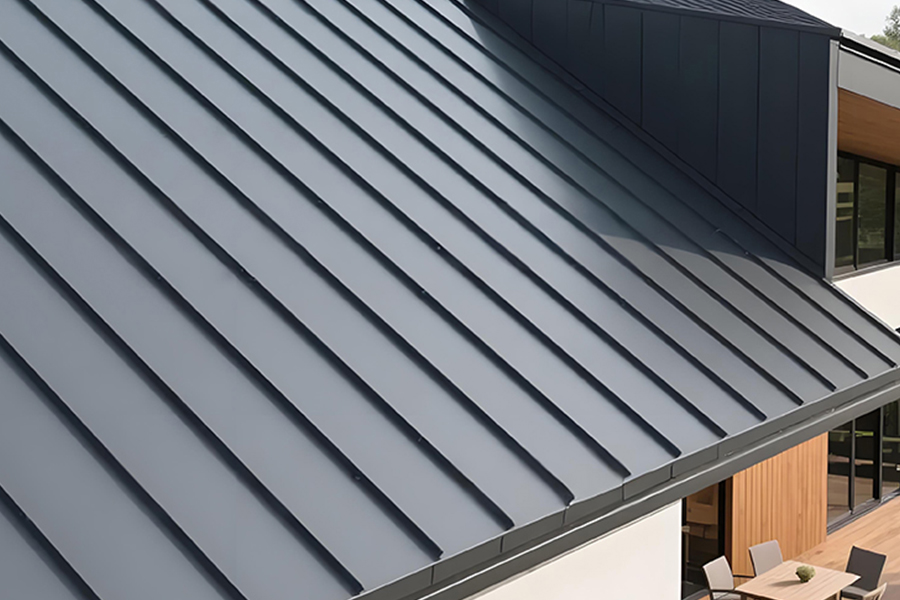
    Advantages of aluminum roofing panel systems: 1. Constructed with high-strength, corrosion-resistant 3-series aluminum alloy, offering a service life of no less than 30 years under normal environments; 2. The surface coating enhances resistance to acid rain and industrial corrosion, while remaining unaffected by ultraviolet radiation, resisting microorganisms, and preventing aging; 3. Based on a point or surface support technology system, standard machine-locked edges allow for a sliding interlocking between the aluminum supports and the roof panels, eliminating stress-induced damage to the roof due to temperature differences; 4. Fire rating: AA; 5. Mature lightning protection system design; the roof panels can function as independent lightning rods, eliminating the need for lightning protection strips. It can also be used in conjunction with lightning protection strips or lightning rods to form a safe, multi-layered lightning protection system; 6. Durable and requires no maintenance during normal use, with extremely high recycling value, saving costs, and suitable for roof additions and renovations; 7. Good plasticity and easy processing: It can be bent into straight plates, inner arcs, outer arcs, and fan shapes, adapting to various roof shapes—spherical, arc, and fan shapes—maximizing the satisfaction of designers' design concepts; 8. Diverse and aesthetically pleasing surface treatments: It can undergo anodizing, electrophoresis, chemical treatment, polishing, and painting to meet various architectural color requirements; 9. Lightweight: Aluminum's density is 2.73g/m³, only 1/3 that of steel; 10. High strength: High strength can be achieved through component configuration, processing, and heat treatment methods; 11. Good electrical conductivity. 11. Non-magnetic and low spark sensitivity, preventing electromagnetic interference and reducing flammability in special environments, with excellent heat radiation protection; 12. Easy installation; aluminum metal can be connected by riveting, welding, gluing, and other methods; 13. Environmentally friendly and recyclable; 14. Concealed fixing, no holes in the entire roof, reducing the risk of roof leaks; 15. The equipment can be processed on-site, avoiding the risk of leaks caused by overlapping roof panels due to excessively long single-slope roofs; 16. No joints, no screw holes, maintaining a complete building appearance; 17. Suitable for roofs with slopes as low as 1.5°; 18. Excellent wind pressure resistance (with base plate), especially suitable for areas prone to typhoons and storms; 19. Simple and quick machine roll-up, convenient and economical construction; 20. Easy to lay heat insulation and sound absorption layers.

    2026-06-04

  • Suzhou Donghong Metal Materials Technology Co., Ltd.
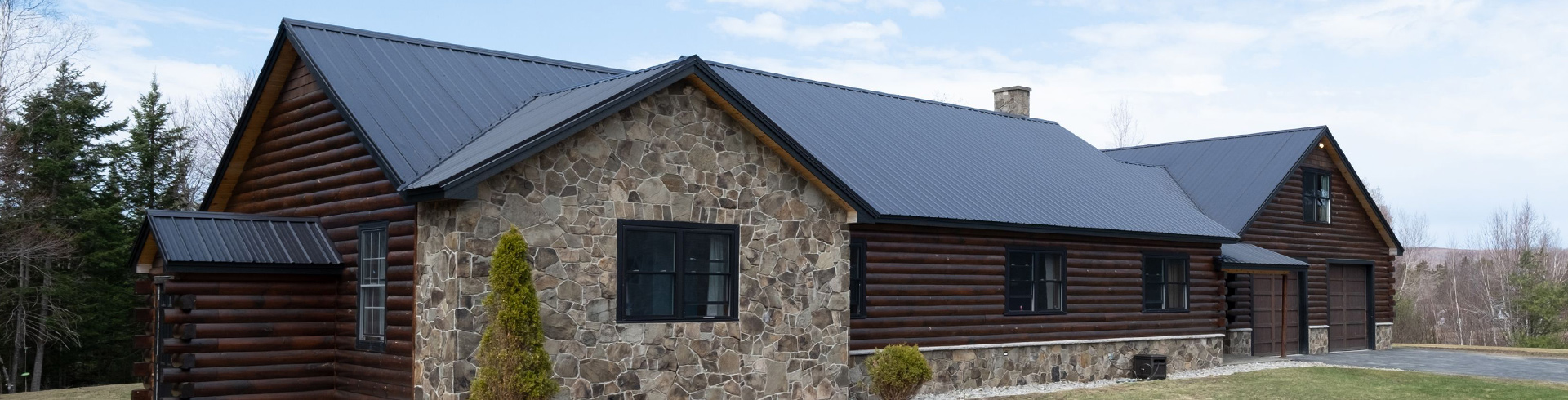
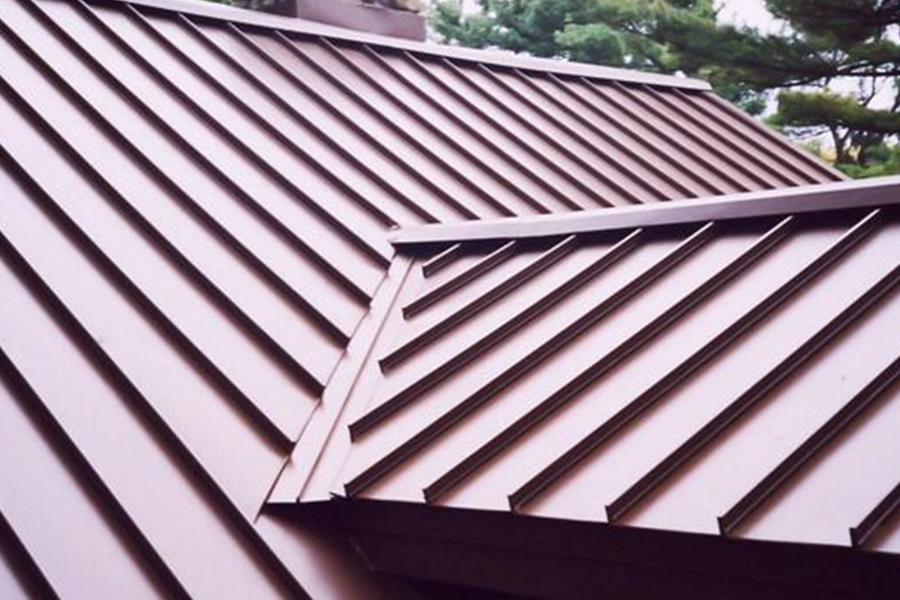
    Metal roofing refers to a roofing system that uses sheet metal as the roofing material, integrating the structural layer and waterproofing layer into one. There are many types of metal sheets, including galvanized steel, aluminized zinc steel, aluminum-magnesium-manganese alloy steel, titanium-zinc alloy steel, copper steel, and stainless steel. The surface of the sheets can be painted, primarily with PE/PE, SMP/PE, HDP/PE, and PVDF/PE finishes. Painting can extend the lifespan of the sheets to 5-8 years, 10-15 years, 15-20 years, and 40-50 years or more, respectively. Factors to consider in metal roof design: Load-bearing capacity: Bearing construction loads, rainwater, dust, snow pressure, and maintenance loads. The load-bearing capacity of the metal roof panel is related to the cross-sectional characteristics of the panel type, the strength and thickness of the material, the load transfer method, and the spacing of the purlins (sub-purlins). Wind resistance: Resisting the maximum local wind pressure; the metal roof panel will not be pulled off by negative wind pressure. Wind resistance is related to the fastening force between the metal roof panel and the fixing brackets, and the spacing of the fixing brackets. Sound insulation: Preventing sound from the outside to the inside or vice versa. Sound insulation material (usually thermal insulation cotton) is filled inside the metal roof layer. The sound insulation effect is expressed in decibels as the sound intensity difference between the two sides of the metal roof layer. The sound insulation effect is related to the density and thickness of the sound insulation material. Note: Sound insulation materials have different blocking effects on different frequencies of sound. Waterproofing: Preventing rainwater from seeping into the metal roof panel from the outside. Rainwater mainly enters the metal roof through overlaps or joints. To achieve waterproofing, concealed fixing is required after using sealing washers at screw holes. Overlapping panels should be sealed with sealant or welded, ideally using continuous panels to eliminate overlaps. Thorough waterproofing treatment should be applied to all joints. Lightning Protection: Lightning should be diverted to the ground, preventing it from penetrating the metal roof and entering the interior. Lighting: Skylights improve indoor lighting during the day, saving energy. When installing skylights or translucent panels at specific locations on the metal roof, the lifespan of the skylights should be considered in conjunction with the metal roof panels. Waterproofing treatment should be applied at the joints between the skylights and the metal roof panels. Safety Devices: Fixed facilities should be installed on the metal roof to protect the safety of construction and maintenance personnel. Icicle Prevention: Icicles should be prevented from forming at the eaves due to rain and snow. Temperature Expansion and Contraction Control: The contraction displacement and direction of the metal roof panels should be controlled. This ensures that the metal roof panels will not be damaged by stress caused by thermal expansion and contraction in areas with large temperature differences. Insulation: Heat should be prevented from transferring between the sides of the metal roof, stabilizing the indoor temperature. Thermal insulation is achieved by filling the metal roof panels with insulation materials (commonly glass wool or rock wool). The insulation effect is expressed as the U-value, measured in W/m²K. Insulation performance is determined by the following factors: the raw materials, density, and thickness of the insulation material; the humidity of the insulation material; the connection method between the metal roof panels and the underlying structure (to prevent "cold bridging"); and the metal roof's ability to repeatedly absorb heat radiation. Sound absorption: Reduces sound reflection and lowers indoor echoes. Sound absorption is achieved by laying sound-absorbing cotton at the bottom of the metal roof and punching holes in the base plate. The sound absorption performance of the metal roof is expressed as the sound absorption coefficient α. Moisture control: Prevents water vapor condensation within the metal roof base and top layer, and removes moisture from the metal roof layer. Solutions include filling the metal roof layer with insulation cotton, laying a waterproof membrane on the metal roof base plate, and having ventilated joints in the metal roof panels. Fire resistance: In the event of a fire, the metal roof material will not burn, and flames will not penetrate the metal roof panels. Ventilation: Air exchange between indoors and outdoors. Ventilation openings are installed on the metal roof. Avalanche Prevention: Snow railings are installed on metal roofs in snowy areas to prevent sudden snow runoff. Maintenance: Facilitates maintenance of the metal roof throughout its service life, reducing maintenance costs.

    2026-06-04

  • Suzhou Donghong Metal Materials Technology Co., Ltd.
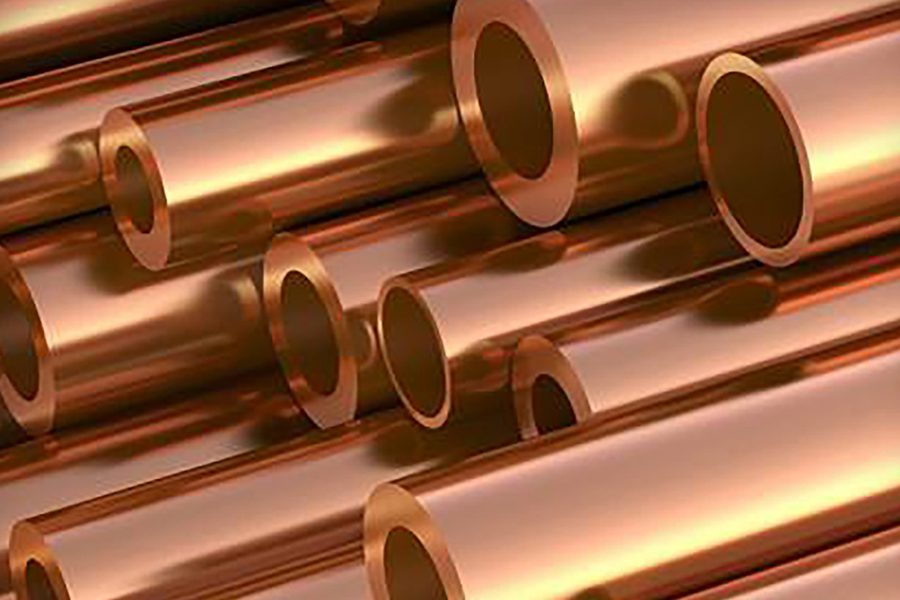
    Metal roofing refers to a roofing system that uses metal sheets as the roofing material, integrating the structural layer and waterproofing layer into one. There are many types of metal sheets, including galvanized sheets, aluminized zinc sheets, aluminum alloy sheets, aluminum-magnesium alloy sheets, titanium alloy sheets, copper sheets, and stainless steel sheets. The surface of the sheets can be painted, primarily with PE/PE, SMP/PE, HDP/PE, and PVDF/PE coatings. Painting can extend the lifespan of the sheets to 5-8 years, 10-15 years, 15-20 years, and 20-25 years or more, respectively. The thickness is generally 0.4–1.5 mm, and the surface of the sheets is usually coated. Due to differences in material and coating quality, some sheets can have a lifespan of over 50 years. The sheets come in various shapes and sizes; some are composite sheets, where an insulation layer is laminated between two layers of metal sheets, while others are single-layer sheets. During construction, some sheets are prefabricated in the factory and assembled on-site, while others are fabricated on-site according to the needs of the roofing project. The insulation layer can be pre-laminated in the factory or fabricated on-site. Therefore, metal sheet roofing comes in various forms and is used in everything from large public buildings to factories, warehouses, and residences. The regulations stipulate that metal sheet roofing is applicable to roofs with waterproofing grades I to III. The main materials used for metal roofing include: aluminum-magnesium-manganese sheets, titanium-zinc sheets, bronze, and stainless steel sheets. 1. Aluminum sheets are alloy materials made by hot rolling aluminum, magnesium, and manganese in a certain proportion. The constituent elements determine the material's characteristics, which in turn determine its applications. 2. Titanium-zinc sheets are zinc-copper-titanium alloy sheets. Their main component is zinc, with small amounts of copper and titanium added. The titanium content ranges from 0.06% to 0.20%. The addition of titanium improves the alloy's resistance to deformation, preventing it from weakening its strength after thermal expansion and contraction, and also enhances its corrosion resistance. Titanium-zinc alloys offer performance superior to traditional zinc products in terms of mechanical strength, thermal resistance, and coefficient of thermal expansion. Compared to other metal roofing and curtain wall materials used in construction, titanium-zinc steel sheets offer superior corrosion resistance and lifespan compared to galvanized steel sheets and aluminum alloy sheets. They also feature a gray/blue-gray appearance with a biomimetic, self-healing surface, and excellent overall cost-effectiveness. Therefore, titanium-zinc steel sheets demonstrate significant advantages as interior and exterior wall and decorative materials for public buildings (especially landmark buildings), such as airports, convention centers, theaters, stadiums, high-end residences, and high-end office buildings. 3. Copper: Copper accounts for approximately 0.006% of the Earth's crust, currently estimated to be the 23rd most abundant metal. Copper and gold are colored metals. Due to its high corrosion resistance, ease of processing, and unique, natural appearance, copper sheets are highly suitable as roofing and wall materials. 4. Stainless Steel: Stainless steel is short for stainless and acid-resistant steel. Steels resistant to weak corrosive media such as air, steam, and water are called stainless steel; while steels resistant to chemical corrosion are called acid-resistant steel.

    2026-06-04