LANGUAGE
 English
 Español
 عربى
عربى
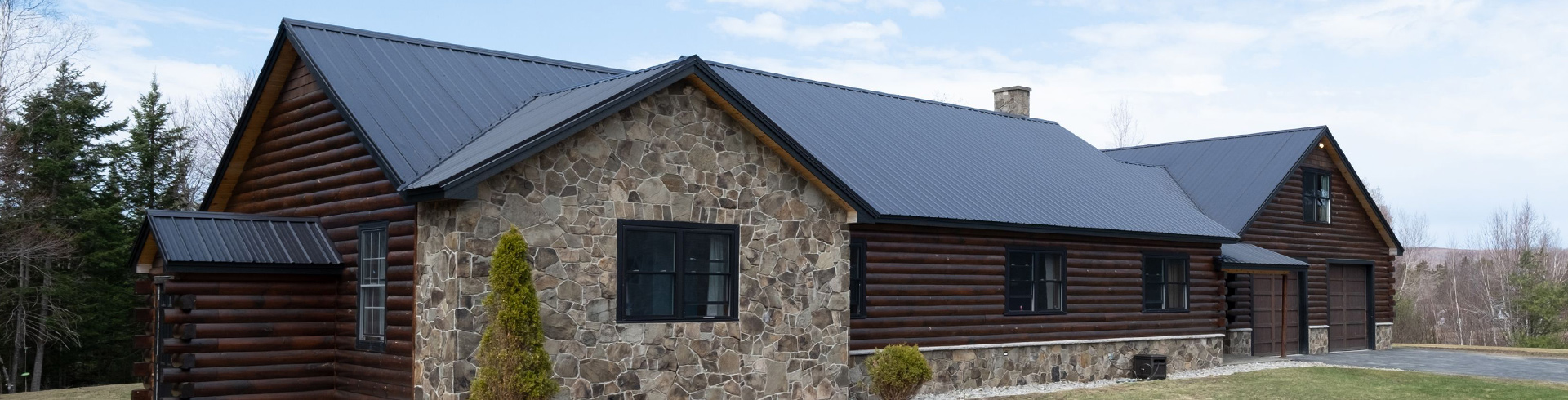
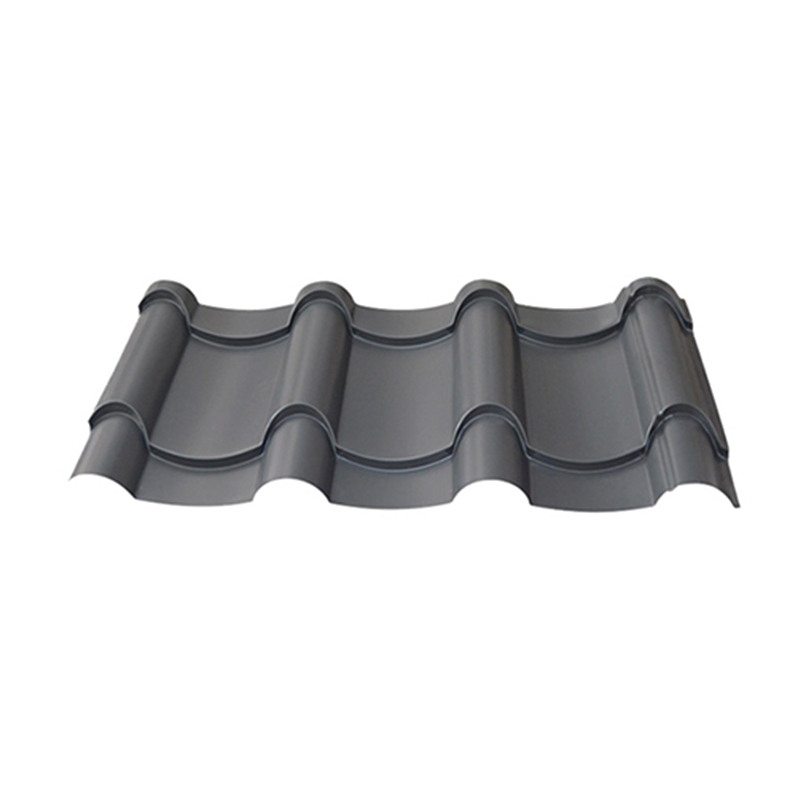
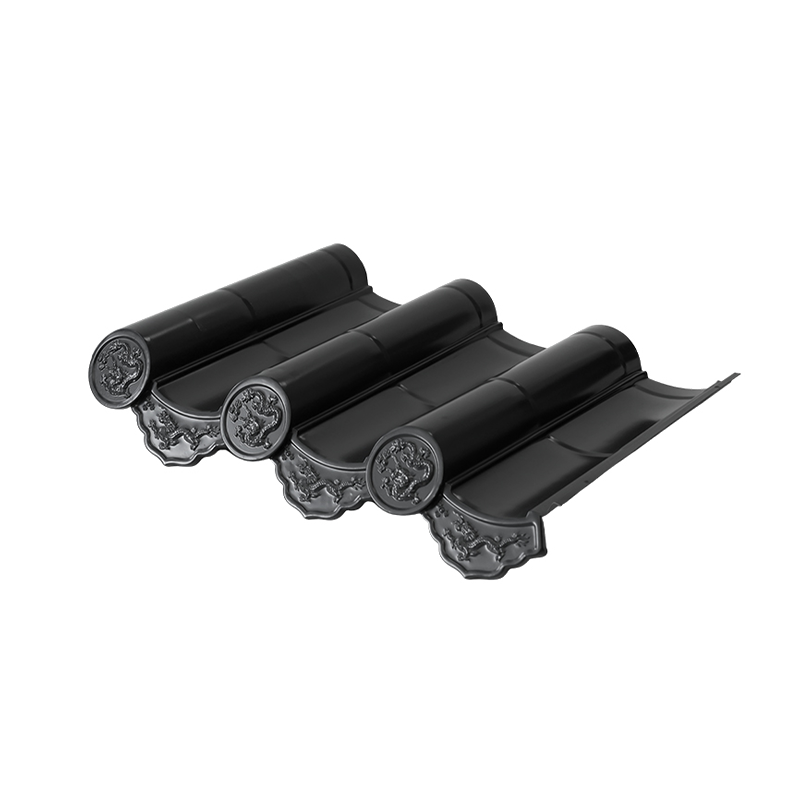
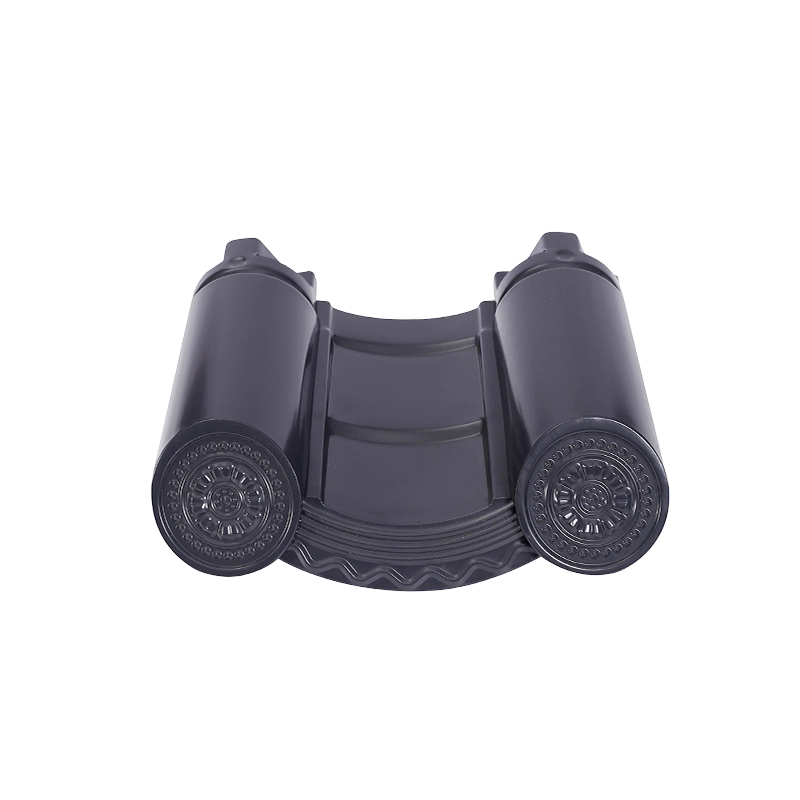
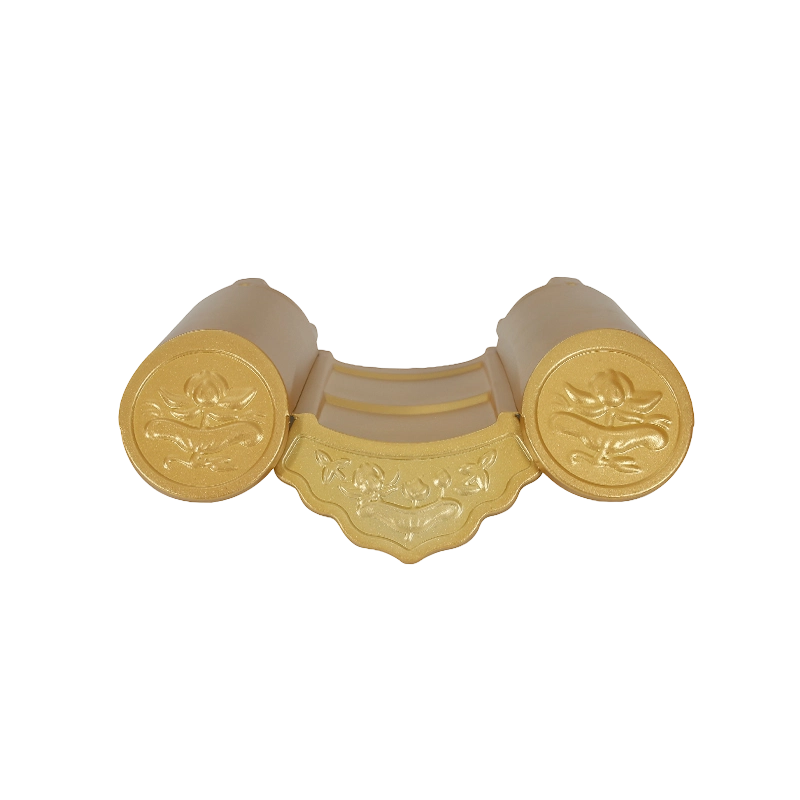
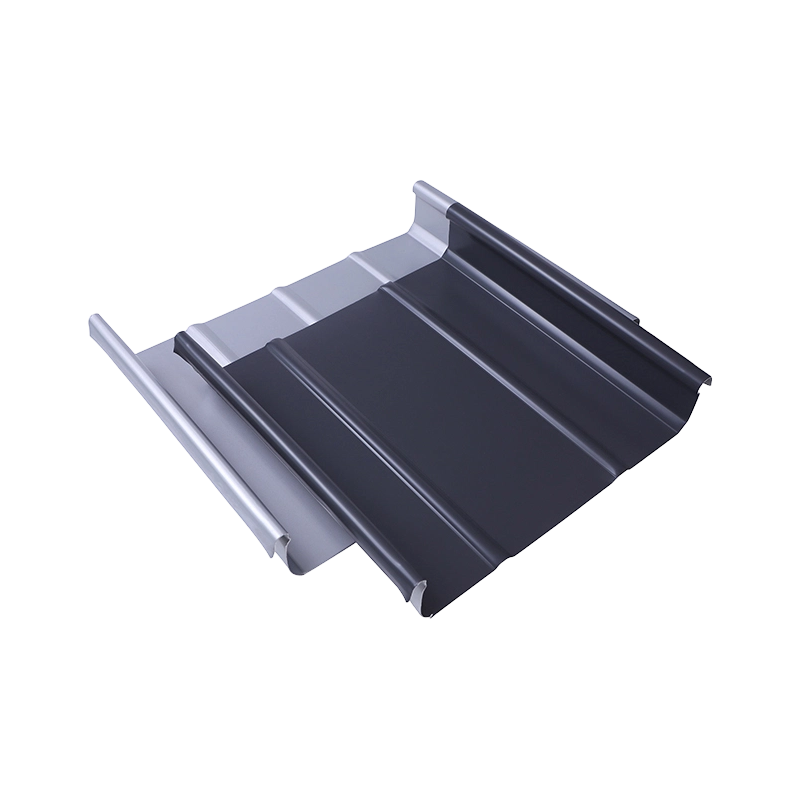
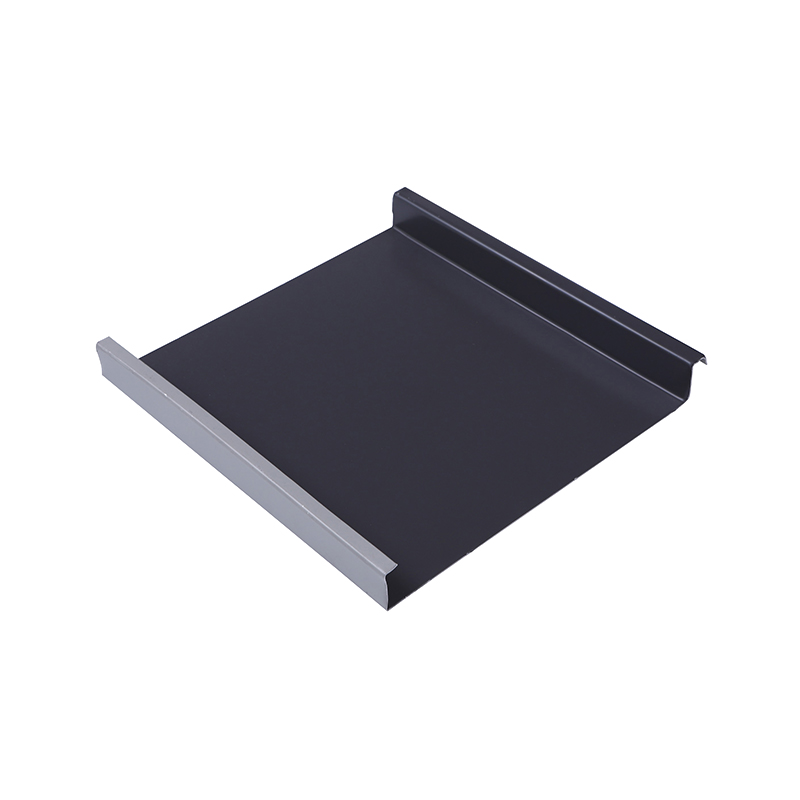
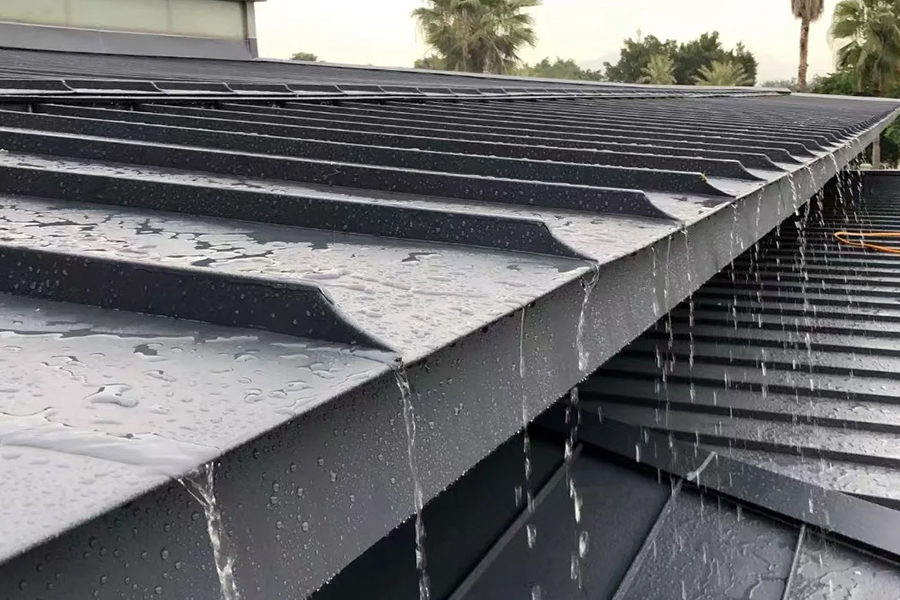
Metal roofing refers to a roofing system that uses metal sheets as the roofing material, integrating the structural layer and waterproofing layer into one. There are many types of metal sheets, includ...
READ MORE
What factors need to be considered in the design of metal roofing?
Update:04 Jun 2026
Metal roofing refers to a roofing system that uses sheet metal as the roofing material, integrating the structural layer and waterproofing layer into one. There are many types of metal sheets, including galvanized steel, aluminized zinc steel, aluminum-magnesium-manganese alloy steel, titanium-zinc alloy steel, copper steel, and stainless steel. The surface of the sheets can be painted, primarily with PE/PE, SMP/PE, HDP/PE, and PVDF/PE finishes. Painting can extend the lifespan of the sheets to 5-8 years, 10-15 years, 15-20 years, and 40-50 years or more, respectively.
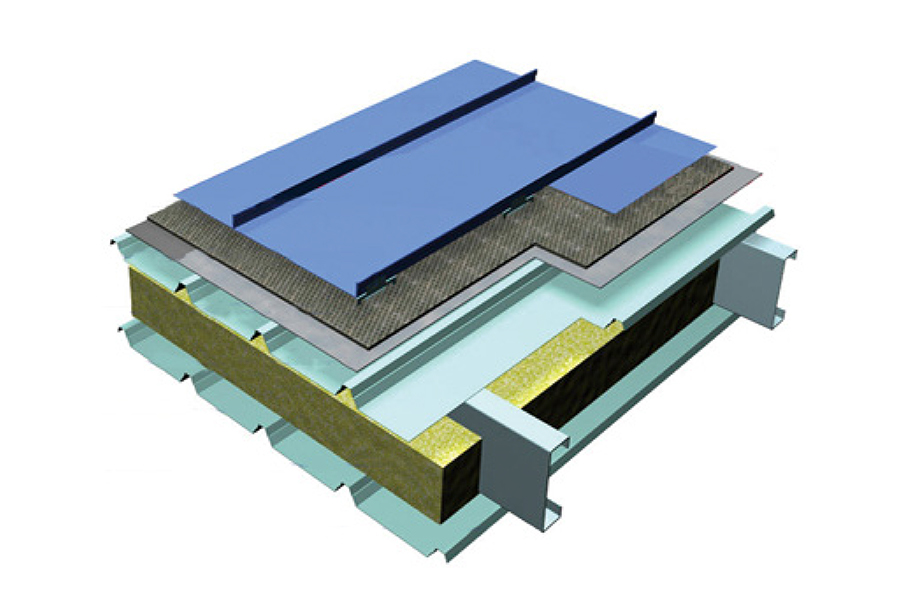
Factors to consider in metal roof design:
Load-bearing capacity: Bearing construction loads, rainwater, dust, snow pressure, and maintenance loads. The load-bearing capacity of the metal roof panel is related to the cross-sectional characteristics of the panel type, the strength and thickness of the material, the load transfer method, and the spacing of the purlins (sub-purlins).
Wind resistance: Resisting the maximum local wind pressure; the metal roof panel will not be pulled off by negative wind pressure. Wind resistance is related to the fastening force between the metal roof panel and the fixing brackets, and the spacing of the fixing brackets.
Sound insulation: Preventing sound from the outside to the inside or vice versa. Sound insulation material (usually thermal insulation cotton) is filled inside the metal roof layer. The sound insulation effect is expressed in decibels as the sound intensity difference between the two sides of the metal roof layer. The sound insulation effect is related to the density and thickness of the sound insulation material. Note: Sound insulation materials have different blocking effects on different frequencies of sound.
Waterproofing: Preventing rainwater from seeping into the metal roof panel from the outside. Rainwater mainly enters the metal roof through overlaps or joints. To achieve waterproofing, concealed fixing is required after using sealing washers at screw holes. Overlapping panels should be sealed with sealant or welded, ideally using continuous panels to eliminate overlaps. Thorough waterproofing treatment should be applied to all joints.
Lightning Protection: Lightning should be diverted to the ground, preventing it from penetrating the metal roof and entering the interior.
Lighting: Skylights improve indoor lighting during the day, saving energy. When installing skylights or translucent panels at specific locations on the metal roof, the lifespan of the skylights should be considered in conjunction with the metal roof panels. Waterproofing treatment should be applied at the joints between the skylights and the metal roof panels.
Safety Devices: Fixed facilities should be installed on the metal roof to protect the safety of construction and maintenance personnel.
Icicle Prevention: Icicles should be prevented from forming at the eaves due to rain and snow.
Temperature Expansion and Contraction Control: The contraction displacement and direction of the metal roof panels should be controlled. This ensures that the metal roof panels will not be damaged by stress caused by thermal expansion and contraction in areas with large temperature differences.
Insulation: Heat should be prevented from transferring between the sides of the metal roof, stabilizing the indoor temperature. Thermal insulation is achieved by filling the metal roof panels with insulation materials (commonly glass wool or rock wool). The insulation effect is expressed as the U-value, measured in W/m²K. Insulation performance is determined by the following factors: the raw materials, density, and thickness of the insulation material; the humidity of the insulation material; the connection method between the metal roof panels and the underlying structure (to prevent "cold bridging"); and the metal roof's ability to repeatedly absorb heat radiation.
Sound absorption: Reduces sound reflection and lowers indoor echoes. Sound absorption is achieved by laying sound-absorbing cotton at the bottom of the metal roof and punching holes in the base plate. The sound absorption performance of the metal roof is expressed as the sound absorption coefficient α.
Moisture control: Prevents water vapor condensation within the metal roof base and top layer, and removes moisture from the metal roof layer. Solutions include filling the metal roof layer with insulation cotton, laying a waterproof membrane on the metal roof base plate, and having ventilated joints in the metal roof panels.
Fire resistance: In the event of a fire, the metal roof material will not burn, and flames will not penetrate the metal roof panels.
Ventilation: Air exchange between indoors and outdoors. Ventilation openings are installed on the metal roof.
Avalanche Prevention: Snow railings are installed on metal roofs in snowy areas to prevent sudden snow runoff.
Maintenance: Facilitates maintenance of the metal roof throughout its service life, reducing maintenance costs.
Recommended Products
News
-
-
Field Notes — Roofing Performance Do Flat Metal Tiles Really Outperform Corrugated Sheets in the Wind? A close read of uplift ratings, fastening geometry, and long-term fatigue — and what they mean ...
READ MORE -
Titanium-zinc roofing/wall materials have been used for nearly two centuries and are widely used in major European cities such as Paris, London, and Rome. Many buildings in these cities use titanium-z...
READ MORE -
A science museum project featuring Donghong Metal's aluminum-magnesium-manganese fish-scale roof tiles, together with full technical support from our team, has recently been completed. Covering roughl...
READ MORE

 DOWNLOAD
Copyright © Suzhou Donghong Metal Materials Technology Co., Ltd.
All Rights Reserved.
 Custom Metal Roofing Sheets Manufacturers
Custom Metal Roofing Sheets Manufacturers


QUICK LINKS
PRODUCT
CONTACT US
-
 Email: DonghongMetal@outlook.com
 -
 WahtsApp: +86 18036113307
 -
 Mobile Phone: +86-185 5030 2515
 -
 WhatsApp Business: 852-55025164
 -
 Address: No. 16 Hongyun Road, Fuqiao Town, Taicang City, Suzhou, Jiangsu Province, China