LANGUAGE
 English
 Español
 عربى
عربى
Field Notes — Roofing Performance
Do Flat Metal Tiles Really Outperform Corrugated Sheets in the Wind?
A close read of uplift ratings, fastening geometry, and long-term fatigue — and what they mean the next time a storm front rolls in.
Yes — in most real-world wind conditions, flat metal tiles offer meaningfully better wind resistance than corrugated metal roofing sheets. The reason is not the metal itself, but the geometry of how each system meets the wind. Flat metal tiles lock into one another along all four edges and hide their fasteners beneath the tile above; corrugated sheets rely on exposed screws and open wave channels that give a gust something to grab onto. This is not a case against corrugated roofing altogether — it still has a place — but for anyone weighing storm resilience as a primary criterion, the interlocking flat profile is the more dependable performer.
Why Wind Resistance Deserves Top Billing
Wind resistance is arguably the single most consequential performance metric in roofing selection, particularly across regions that see hurricanes, tornado outbreaks, or simply frequent high-wind storm cells. A roof that fails in wind does not fail quietly — it exposes the deck to water, saturates insulation, and turns what should have been a shingle repair into an interior renovation. Comparing flat metal tiles against corrugated metal roofing sheets, the conversation keeps returning to the same three variables: how each system absorbs uplift pressure, how the panels move under stress, and how much strain accumulates at the fastener line over years of gusts, not just the one dramatic storm.
Uplift itself is a pressure differential. As wind accelerates across a roof plane, it creates a zone of lower pressure above the surface relative to underneath it — the same physics that lifts an aircraft wing. The shape, fastening pattern, and installation logic of a roofing product determine how well it resists being drawn upward by that differential, and this is precisely where flat metal tiles and corrugated sheets begin to diverge.
Two Different Ways of Meeting the Wind
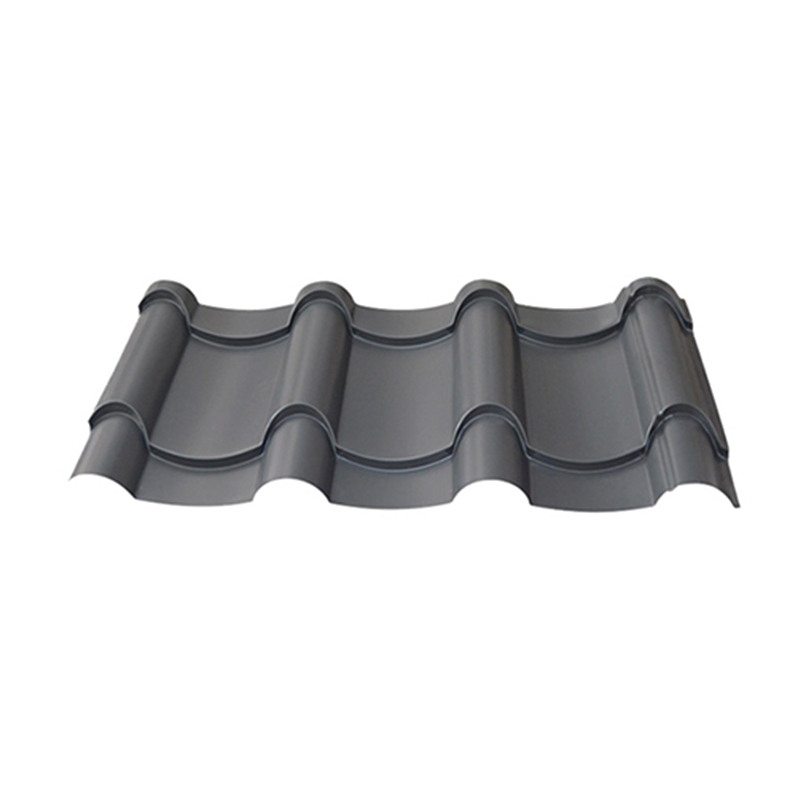
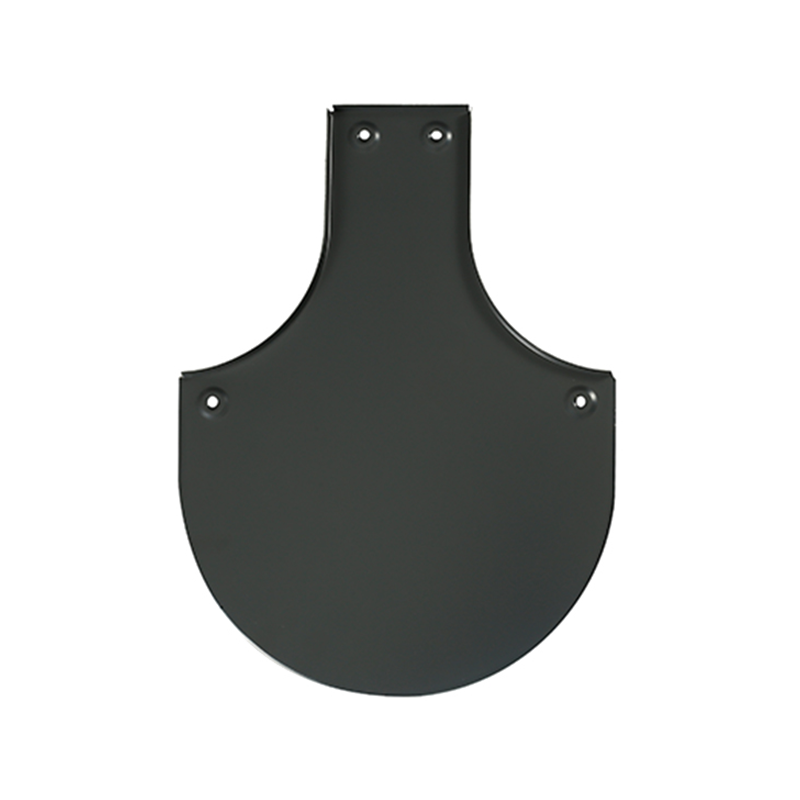
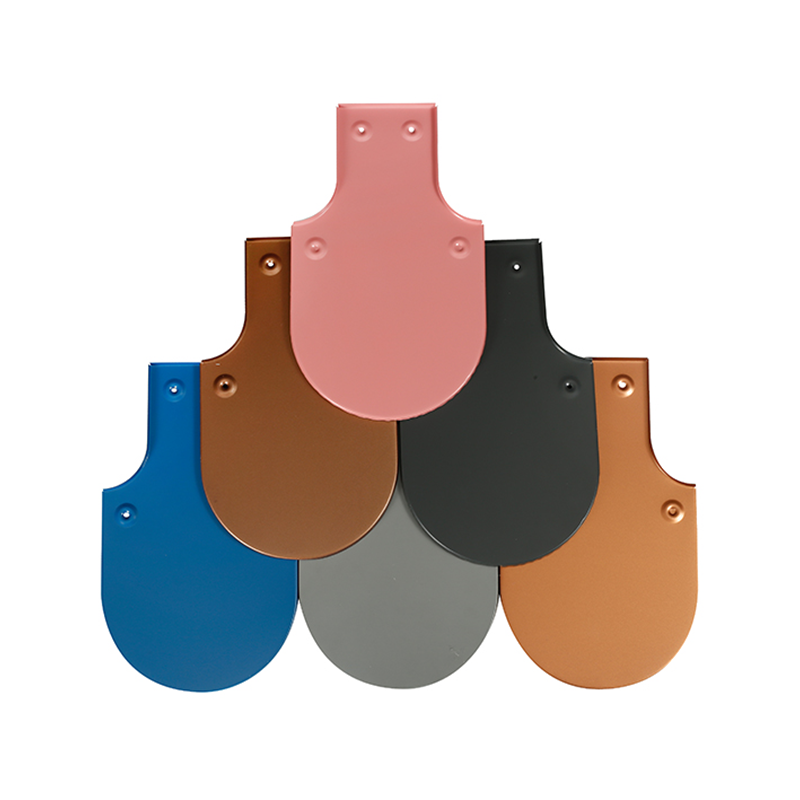
The interlocking logic of flat metal tiles. Most flat metal tiles are engineered with interlocking edges on all four sides. Installed correctly, each tile locks into its neighbors, forming a continuous, tightly bonded field rather than a collection of independent panels. That interlock means a single tile is far less likely to lift on its own — the tiles around it are, quite literally, holding it down. Fasteners are typically concealed beneath the overlap of the tile above, which does two things at once: it shields the fastener from direct wind and rain, and it removes exposed penetration points that would otherwise loosen with age.
The exposed-fastener logic of corrugated sheets. Corrugated sheets, by contrast, are usually run in long panels and fixed with screws driven straight through the crown of the wave into the purlins or deck below. Thermal cycling — expansion by day, contraction by night — gradually enlarges those fastener holes, and a slightly enlarged hole is a slightly weaker grip. The corrugation itself, useful for shedding water and adding stiffness, also creates open channels that wind can travel through, generating extra lift precisely along the ridgelines of the panel.
Why This Matters
Uplift failure rarely announces itself in advance. A fastener loosened by three seasons of thermal cycling can hold fine on an ordinary afternoon and let go entirely once a gust load finds it. Wind resistance is a cumulative property, not just a one-time storm rating.
What the Uplift Numbers Show
Independent testing bodies typically rate roofing assemblies by wind-uplift resistance, expressed in pounds per square foot before failure. Exact figures shift with gauge thickness, deck attachment quality, and the fastening schedule used, but the general pattern across industry testing is consistent: interlocking flat profiles outperform open corrugated profiles of comparable material thickness.
| Roofing Type | Typical Fastening Method | Average Uplift Resistance | Failure-Point Risk |
|---|---|---|---|
| Flat metal tiles | Concealed clips, interlocking edges | 120–150 psf | Low to moderate |
| Corrugated metal sheets | Exposed through-fasteners | 75–110 psf | Moderate to high |
These figures are general approximations rather than fixed constants — they move with regional building code, gauge, and workmanship. But the direction of the pattern rarely changes: flat metal tiles consistently test higher in uplift resistance than open-profile corrugated sheeting of similar thickness.
The tile does not need to survive the storm alone. Its neighbors are holding it in place — that is the entire design premise of an interlocking roof.
The Variables That Shape Real-World Performance
Panel size and overlap. Smaller individual units, like flat metal tiles, spread wind stress across dozens of overlapping seams instead of concentrating it on a handful of large panels. Corrugated sheets, being long and continuous, place more load on each fastener line — a single failed screw compromises a proportionally larger share of the roof.
Roof pitch and wind direction. Steep pitches take more direct pressure; low pitches are more vulnerable to lateral wind forcing its way beneath panel edges. Flat metal tiles hold up across a wide range of pitches because their interlock resists lateral infiltration, whereas corrugated sheets on shallower roofs are more exposed to wind driving in under the ridges.
Fastener spacing and quality. Tighter fastener spacing improves wind resistance in any material. But flat metal tiles combine a clip-and-interlock system with their fasteners, giving them more attachment points per square foot than corrugated sheets, which depend entirely on the installer's chosen screw spacing.
Installation Habits That Protect the Rating
No roofing material performs to its tested potential without disciplined installation. A short list of practices consistently separates a roof that meets its wind rating from one that quietly underperforms it:
- Confirm the deck is structurally sound, dry, and free of warping before any tile goes down.
- Use the clip spacing and fastener grade specified for the local wind zone — not a generic default.
- Check full interlock engagement at every seam, with particular attention at ridges and eaves.
- Add supplemental fastening at roof edges and corners, where uplift pressure concentrates first.
- Seal the underlayment properly, so a stressed outer layer isn't the only line of defense against water.
Corrugated installations demand a parallel discipline around fastener torque: screws driven too tight crack the panel's seal washer, and screws driven too loose invite exactly the fatigue that shortens a roof's effective wind rating.
Worth Flagging
Even a well-rated roof can underperform its lab number if fastener torque, clip spacing, or overlap engagement is inconsistent across the installation. The wind-uplift rating describes a correctly installed assembly, not a guarantee independent of workmanship.
Durability Under Repeated, Ordinary Wind
Wind resistance is not only about surviving one dramatic storm — it is also about how a roof holds up under years of routine, moderate gusts. Flat metal tiles tend to show less fastener fatigue over time, since their concealed clip systems avoid the direct expansion-and-contraction stress that exposed screws absorb season after season. Corrugated sheets, especially in climates with wide temperature swings, often need periodic fastener re-tightening or replacement just to preserve their original rating.
This is especially relevant for coastal properties or open, unshielded plains sites, where wind is a constant condition rather than an occasional event. Owners in these settings generally find that flat metal tiles ask for less maintenance intervention to keep their wind performance intact than a comparable corrugated roof.
Where Corrugated Sheets Still Make Sense
None of this makes corrugated metal roofing sheets a poor choice outright. They are typically less expensive per square foot, quicker to install across large agricultural or industrial spans, and available in long panel runs that minimize seams. For structures in genuinely low-wind zones, or for utility and temporary buildings where maximum wind resistance is not the deciding factor, corrugated sheets deliver perfectly adequate performance at a lower upfront cost.
Where the calculus shifts is residential roofing in hurricane-prone coastal regions, tornado-frequent states, or any site with a documented history of severe wind events. There, the added wind resistance of flat metal tiles tends to justify the additional material and labor investment.
Practical Takeaway
Match the roofing profile to the wind zone, not the other way around. In moderate-to-high wind exposure, flat metal tiles are the more defensible long-term choice; in sheltered, low-wind settings, corrugated sheets remain a sound and economical option.
Choosing by Wind Zone
| Wind Zone | Recommended Choice | Reasoning |
|---|---|---|
| Low wind (inland, sheltered) | Corrugated sheets or flat metal tiles | Both perform adequately; cost often drives the decision |
| Moderate wind | Flat metal tiles preferred | Better uplift resistance for a manageable cost premium |
| High wind / coastal hurricane zone | Flat metal tiles strongly recommended | Interlock and concealed fasteners meaningfully reduce failure risk |
Before You Commit
Don't rely on general benchmarks alone for a high-risk site. Request the manufacturer's actual wind-uplift test documentation and confirm it against your local building code's required rating before signing off on either system.
Closing Thought
Choosing between flat metal tiles and corrugated metal roofing sheets ultimately comes down to weighing budget, building type, and regional wind exposure against one another. For most residential applications in wind-exposed areas, flat metal tiles provide a measurable, testable advantage in wind-uplift resistance — a product of their interlocking construction, concealed fastening, and reduced surface area vulnerable to lift. Corrugated sheets remain a legitimate, cost-effective option for lower-risk structures, but they typically demand more attentive maintenance to hold onto their wind performance over time.
Before finalizing either choice, it's worth consulting local building codes, requesting manufacturer wind-uplift test documentation, and working with an installer who genuinely understands the wind requirements of your specific region. That is what turns a rated product into a roof that actually performs when the wind arrives.

 DOWNLOAD