LANGUAGE
 English
 Español
 عربى
عربى


Why Are Flat Lock Metal Panels Becoming a Preferred Choice for High-End Architectural Applications?
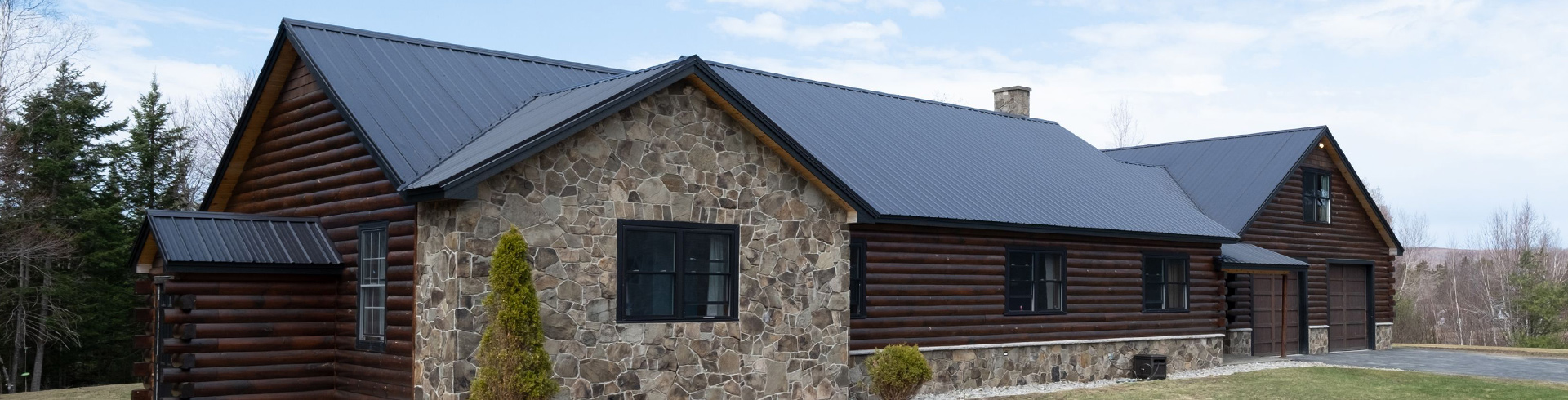
Flat Lock Metal Panels are increasingly being considered for commercial buildings, public facilities, cultural centers, transportation buildings, premium residential projects, industrial buildings, and other architectural applications where both appearance and long-term performance are important. Compared with conventional corrugated or exposed-fastener metal products, flat lock systems provide a relatively smooth visual surface with carefully arranged interlocking joints. This gives architects greater freedom to create clean geometric patterns while maintaining the practical advantages associated with metal building-envelope materials.
For professional buyers, the value of Flat Lock Metal Panels should be evaluated from several perspectives rather than simply looking at the appearance of the finished product. Material selection, panel thickness, dimensional accuracy, joint configuration, surface finish, installation method, supporting structure, drainage design, and environmental exposure can all influence the performance of the finished system. A reliable manufacturer should therefore be able to discuss these factors with customers before production and provide products that correspond to the actual project requirements.
As professional Flat Lock Metal Panel Manufacturers, Suzhou Donghong Metal Materials Technology Co., Ltd. focuses on the research, development, manufacturing, processing, sales, and installation of metal roofing and wall materials. The company is located in Taicang, Suzhou, a beautiful city known as the “Hometown of German Enterprises.” Its location is adjacent to Shanghai, an important national steel structure industry base, while Nantong, a city well known for its construction industry, is located across the river. This geographical position provides convenient transportation and logistics conditions for domestic and international metal building-material projects.
Suzhou Donghong Metal Materials Technology Co., Ltd. provides a broader range of architectural metal systems, including standing seam aluminum-magnesium-manganese roofing systems, metal curtain wall systems, flat interlocking roofing and cladding systems, antique-style metal glazed tile systems, external wall insulation systems, and metal concealed-lock barrel tile roofing systems. This product portfolio allows customers to consider roofing and façade requirements as part of an integrated building-envelope solution.
What Makes Flat Lock Metal Roofing Different from Conventional Metal Roofing?
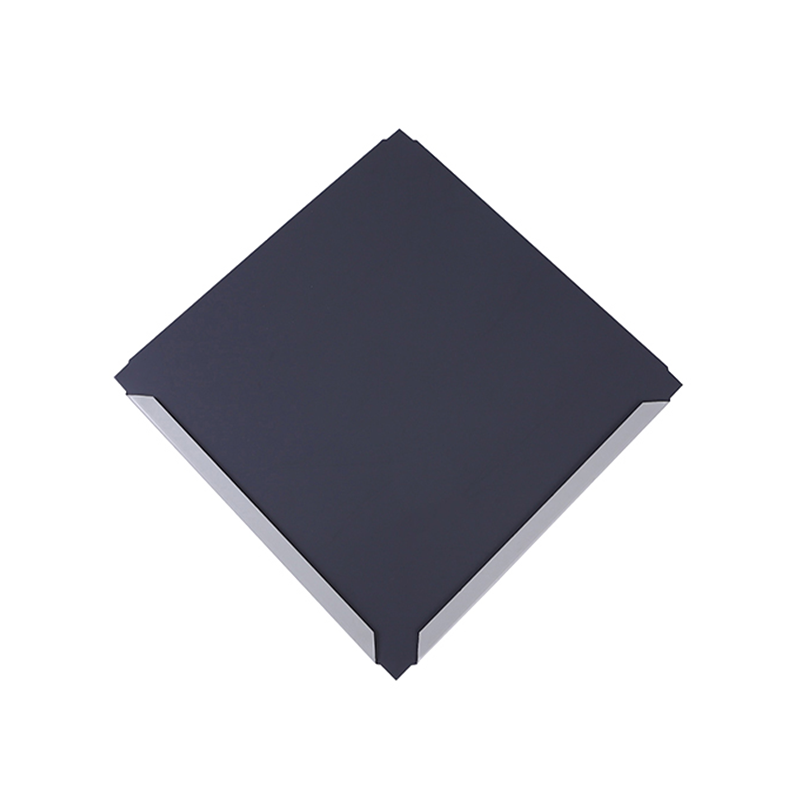
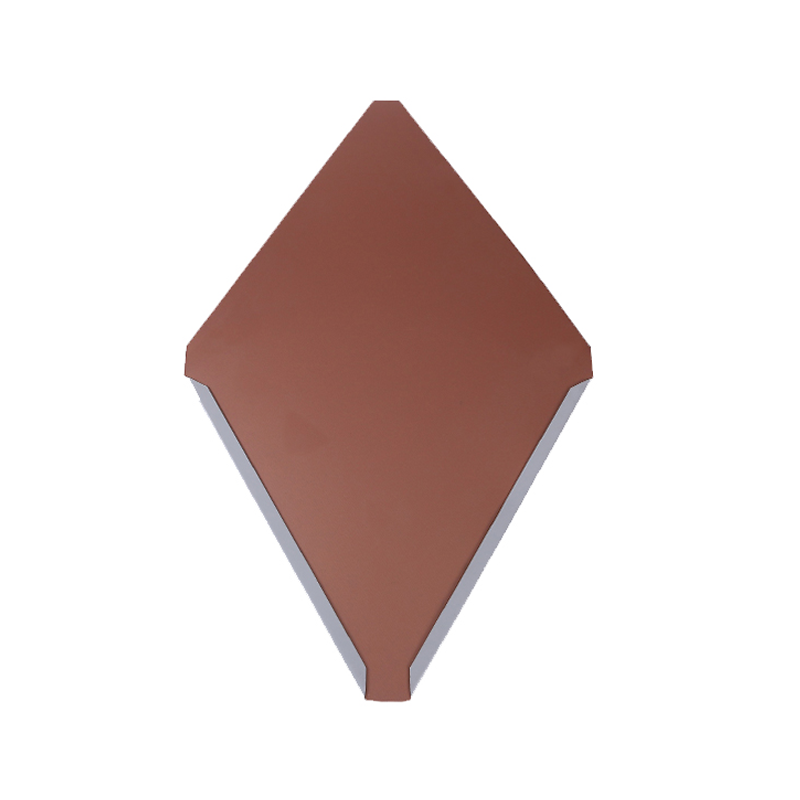
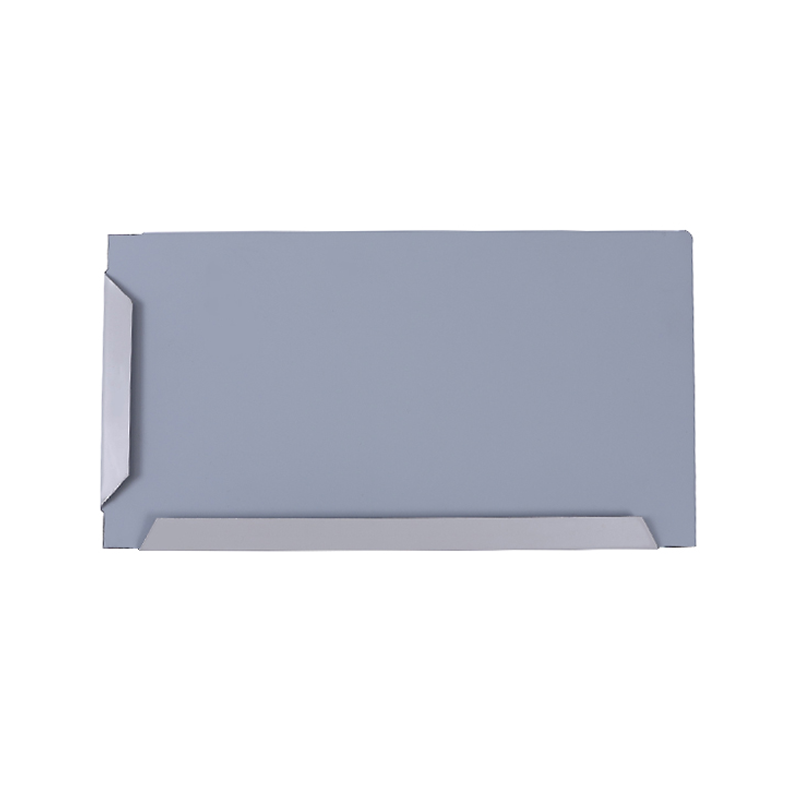
Flat Lock Metal Roofing is characterized by its relatively flat panel appearance and interlocking connection method. Instead of relying primarily on exposed fasteners across the visible roof surface, flat lock systems use panel edges and concealed or integrated connection details to form a continuous architectural pattern.
The interlocking structure creates a series of joints across the roof. These joints can be arranged according to the architectural design, making them both functional connections and visual elements. Depending on the panel configuration, the joints can emphasize horizontal or vertical directions or form more complex geometric patterns.
Another important consideration is the panel material. Aluminum and aluminum-magnesium-manganese alloys can be suitable for architectural metal roofing because they offer a combination of relatively low weight, corrosion resistance, and good forming characteristics. Other metal materials may also be selected depending on project requirements.
| Evaluation factor | Flat Lock Metal Panels | Importance for buyers |
|---|---|---|
| Surface appearance | Relatively flat and clean | Supports modern architectural concepts |
| Joint pattern | Interlocking panel edges | Becomes part of the visual design |
| Material | Aluminum, aluminum-magnesium-manganese, steel, etc. | Determines performance characteristics |
| Panel dimensions | Project-specific sizes may be available | Influences installation and material utilization |
| Surface finish | Coated, painted, or other finishes | Affects appearance and weather resistance |
| Application | Roofing and cladding | Allows coordinated building-envelope design |
| Installation | Requires accurate panel alignment | Influences final visual quality |
| Customization | Dimensions, colors, and configurations | Helps meet project-specific requirements |
How Can Flat Lock Panels Create More Flexible Architectural Designs?
The visual effect of a flat lock system is strongly influenced by the size, direction, and arrangement of its panels. Large panels can create a calm and minimalist appearance, while smaller modules can generate a stronger geometric rhythm. Different colors or finishes can also be combined to divide large façades or roofs into visually distinct areas.
For example, vertical joints can make a building appear taller, while horizontal joints can emphasize its width. Carefully designed staggered joints can create a more dynamic architectural pattern. These options provide designers with greater freedom than many standard metal roofing profiles.
Flat Lock Metal Panels can also be coordinated with other architectural materials such as glass, stone, concrete, aluminum curtain walls, and insulation systems. This makes them suitable for contemporary building designs where several exterior materials need to work together.
Why Is Dimensional Precision Important?
Because the joints are highly visible, manufacturing precision has a direct influence on the final appearance. If panel dimensions vary significantly, the joints may not remain straight or consistent after installation. This can be especially noticeable on large façades and roofs.
Therefore, professional buyers should pay attention to panel tolerances, edge forming accuracy, and quality-control procedures. A manufacturer should have appropriate production and inspection processes to maintain consistency between different production batches.
How Can Flat Lock Metal Wall Panels Improve Building Façade Performance and Appearance?
Modern architectural façades are expected to perform several functions simultaneously. They should create an attractive appearance, protect the building from external weather conditions, support thermal performance, provide durability, and allow practical installation and maintenance. Flat Lock Metal Wall Panels can address these requirements by combining a relatively smooth metal appearance with an organized interlocking panel configuration.
For commercial and public buildings, the façade often plays an important role in defining the identity of the project. A clean metal façade can provide a modern appearance while allowing designers to control the visual rhythm through panel size, joint direction, color, and surface finish.
For professional buyers, however, façade performance should not be evaluated based only on appearance. The panel must work together with the supporting structure, insulation layer, fasteners, flashing, drainage details, and other building-envelope components.
Suzhou Donghong Metal Materials Technology Co., Ltd. specializes in metal roofing and wall materials and also provides metal curtain wall systems and external wall insulation systems. This broader product capability can be useful for projects where the façade needs to integrate decorative metal panels with thermal insulation and other exterior building systems.
What Should Buyers Consider When Selecting Flat Lock Metal Wall Panels?
The first consideration is the building environment. Factors such as humidity, rainfall, coastal exposure, temperature changes, ultraviolet radiation, and atmospheric pollution may affect the long-term performance requirements of a façade system.
The second consideration is panel material and thickness. Different materials offer different combinations of weight, strength, corrosion resistance, forming performance, and cost. The correct choice should be based on the project’s technical requirements rather than selecting a material solely because it is widely used.
The third consideration is the panel layout. Because the joints are visible, the relationship between panel dimensions and façade geometry should be established before manufacturing.
| Selection item | What should be evaluated? | Project significance |
|---|---|---|
| Building environment | Humidity, rainfall, coastal exposure, temperature | Helps determine material and finish |
| Panel material | Aluminum, alloy, steel, etc. | Influences weight and durability |
| Panel thickness | Required technical specification | Influences rigidity and handling |
| Panel dimensions | Width, length, and tolerance | Affects visual consistency |
| Joint design | Interlocking edge configuration | Determines façade pattern |
| Surface finish | Color, coating, texture, gloss | Influences architectural appearance |
| Supporting structure | Subframe and fixing arrangement | Affects installation stability |
| Insulation | Thermal and moisture requirements | Supports building-envelope performance |
| Drainage | Water management at joints | Important for façade durability |
How Does Façade Layout Influence the Finished Building?
Panel layout should be treated as an important part of architectural design rather than an installation detail added at the end of the project. The dimensions of the panels can be coordinated with windows, doors, corners, columns, parapets, and other façade elements.
A properly planned layout can reduce unnecessary cutting and improve material utilization. It can also help installers maintain consistent joint lines throughout the building.
For large projects, buyers should ideally provide architectural drawings before confirming the final panel dimensions. The manufacturer can then evaluate the panel arrangement and coordinate production with the project’s actual geometry.
Why Should Wall Panels Be Considered Together with Insulation?
Metal wall cladding is often only one layer of the overall exterior wall assembly. Thermal insulation, vapor management, drainage, structural support, and interior wall construction may also be required.
For this reason, Flat Lock Metal Wall Panels should be selected according to the complete wall system rather than considered as an isolated decorative layer. Suzhou Donghong Metal Materials Technology Co., Ltd. also provides external wall insulation systems, which can support projects requiring coordination between exterior metal cladding and thermal-performance requirements.
What Is the Value of an Integrated Façade Solution?
An integrated approach can reduce communication difficulties between different material suppliers. When panel dimensions, supporting components, insulation requirements, and installation details are coordinated in advance, project teams can better control construction quality and scheduling.
This can be especially useful for large commercial or public projects where façade appearance must remain consistent across thousands of square meters.
What Should Buyers Expect from Reliable Flat Lock Roof Panels Manufacturers?
Selecting the right manufacturer is a critical step when purchasing Flat Lock Roof Panels for a large construction project. The supplier should be evaluated according to manufacturing capability, material quality, customization capacity, technical communication, production consistency, packaging, logistics, installation support, and after-sales service.
A professional manufacturer should be able to understand the relationship between architectural design and manufacturing requirements. This is particularly important for Flat Lock Metal Panels because the finished appearance depends heavily on accurate panel dimensions and consistent interlocking joints.
Suzhou Donghong Metal Materials Technology Co., Ltd. combines research and development, manufacturing, processing, sales, and installation capabilities. Located in Taicang, Suzhou, the company benefits from convenient transportation connections with Shanghai and the surrounding Yangtze River Delta region. This location can support efficient logistics for metal roofing and wall-material projects.
The company’s product range includes standing seam aluminum-magnesium-manganese roofing systems, metal curtain wall systems, flat interlocking roofing and cladding systems, antique-style metal glazed tile systems, external wall insulation systems, and metal concealed-lock barrel tile roofing systems. This means customers can discuss different architectural material requirements with a supplier that understands multiple types of metal envelope systems.
Which Technical Specifications Should Be Confirmed Before Ordering?
Before placing an order, buyers should prepare a detailed technical specification. This document should identify the product type, material, thickness, panel dimensions, joint configuration, surface finish, color, quantity, accessories, packaging, and installation requirements.
For international projects, shipping and packaging requirements should also be discussed in advance. Long or specially shaped panels may require additional protection during transportation. Proper labeling can also make it easier for installers to identify panels according to building zones or installation sequences.
| Procurement category | Information to confirm |
|---|---|
| Product | Flat Lock Roof Panels |
| Material | Aluminum, aluminum-magnesium-manganese, steel, etc. |
| Thickness | Required material thickness |
| Panel size | Width, length, and tolerance |
| Joint | Interlocking configuration |
| Surface | Coating, color, texture, and finish |
| Quantity | Required panel quantity |
| Accessories | Clips, trims, flashings, fasteners, etc. |
| Application | Roofing, wall, or integrated envelope |
| Packaging | Transportation and storage protection |
| Installation | Recommended installation method |
| Delivery | Production and shipping schedule |
How Does Customization Improve Procurement Efficiency?
Different buildings rarely have exactly the same roof or façade geometry. Projects may include different slopes, corners, openings, transitions, parapets, and decorative sections. If buyers purchase standard panels that do not correspond to the actual building dimensions, significant cutting and modification may be required at the construction site.
Customized production can reduce these problems. By reviewing drawings before manufacturing, the manufacturer can determine panel dimensions and quantities according to the actual project.
This approach can improve material utilization, reduce field processing, and help installers maintain consistent joint patterns. For large projects, these improvements can have a significant impact on overall construction efficiency.
Why Should Buyers Evaluate Total Project Cost?
The lowest unit price does not necessarily represent the lowest project cost. A complete evaluation should include the material price, accessories, transportation, installation labor, material waste, packaging, maintenance considerations, and potential replacement costs.
For example, a slightly more expensive panel may offer better dimensional consistency and reduce installation time. Similarly, a manufacturer that can provide matching trims and accessories may reduce the need for additional fabrication.
| Cost factor | Key question |
|---|---|
| Material | Are quotations based on identical specifications? |
| Accessories | Are required supporting components included? |
| Logistics | How will panels be packaged and transported? |
| Installation | What labor and equipment are required? |
| Material waste | Can panel dimensions be optimized? |
| Customization | Can products match project drawings? |
| Technical support | Is installation assistance available? |
| Service | How are technical issues handled? |
Why Is Installation Experience Important?
Flat lock systems require accurate alignment and proper engagement of the interlocking edges. Even high-quality panels may not achieve the intended appearance if installation is inconsistent.
A manufacturer with installation experience can better understand common construction difficulties and incorporate those considerations into product development and processing. Suzhou Donghong Metal Materials Technology Co., Ltd. includes installation within its business capabilities, allowing the company to consider the relationship between manufacturing and construction during project coordination.
For buyers, this can be valuable when dealing with customized roofing or façade projects where product specifications and installation details must work together.
FAQ About Flat Lock Metal Panels
What are Flat Lock Metal Panels?
Flat Lock Metal Panels are architectural metal panels with interlocking edges that create a relatively flat and organized surface. They can be used for roofing, wall cladding, façades, and other building-envelope applications depending on the specific system design.
What is Flat Lock Metal Roofing?
Flat Lock Metal Roofing is a metal roofing system that uses interlocking panels to create a relatively smooth roof surface. The panel joints can form an important part of the architectural appearance while providing the basic connections between adjacent panels.
What are Flat Lock Metal Wall Panels used for?
Flat Lock Metal Wall Panels are mainly used as exterior wall or façade cladding. They can be suitable for commercial buildings, public facilities, cultural buildings, modern residential projects, and other structures where a clean metal appearance and flexible joint patterns are desired.
What are Flat Lock Roof Panels made of?
Flat Lock Roof Panels can be produced using different metals depending on the manufacturer’s product range and project requirements. Aluminum and aluminum-magnesium-manganese alloys are commonly considered for architectural applications because of their lightweight characteristics, corrosion resistance, and formability. Steel and other suitable materials may also be used.
Can Flat Lock Metal Panels be customized?
Yes. Depending on the manufacturer’s capabilities, customization can include material, thickness, panel width, length, surface finish, color, joint configuration, and related accessories. Project drawings should be provided before production so that the manufacturer can evaluate the actual requirements.
Can Flat Lock Metal Panels be used for both roofs and walls?
The flat lock design concept can be applied to both roofing and wall cladding, but the technical requirements are different. Roofing applications must consider slope, drainage, weather exposure, and thermal movement, while wall applications require appropriate substructures, insulation, and moisture-management details.
What should buyers look for in Flat Lock Metal Panel Manufacturers?
Buyers should evaluate material quality, manufacturing precision, production capacity, customization capabilities, quality control, technical support, packaging, logistics, installation experience, and service. A supplier with capabilities covering research and development, manufacturing, processing, sales, and installation can be particularly useful for customized architectural projects.
Why choose Suzhou Donghong Metal Materials Technology Co., Ltd.?
Suzhou Donghong Metal Materials Technology Co., Ltd. is located in Taicang, Suzhou, close to Shanghai and with convenient logistics connections. The company specializes in the research, development, manufacturing, processing, sales, and installation of metal roofing and wall materials. Its product range includes standing seam aluminum-magnesium-manganese roofing systems, metal curtain wall systems, flat interlocking roofing and cladding systems, antique-style metal glazed tile systems, external wall insulation systems, and metal concealed-lock barrel tile roofing systems, allowing customers to explore coordinated metal building-envelope solutions for different architectural requirements.

 DOWNLOAD