LANGUAGE
 English
 Español
 عربى
عربى
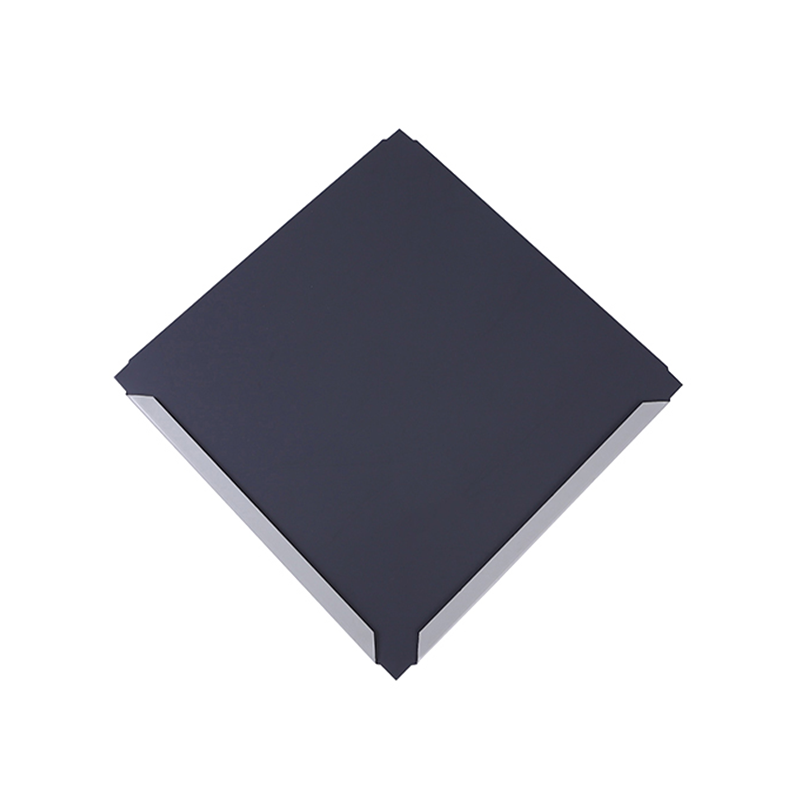
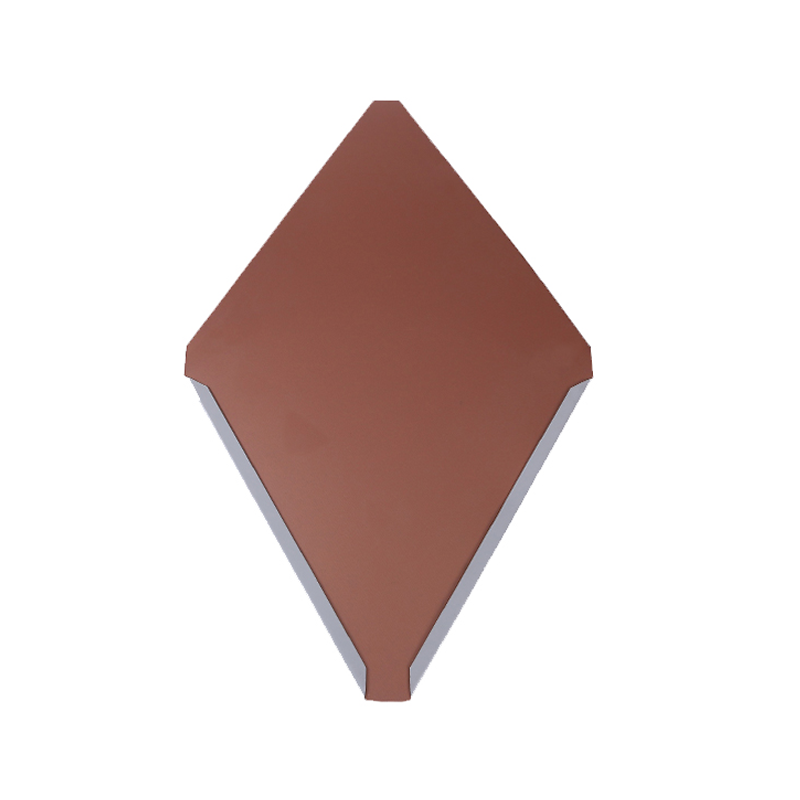
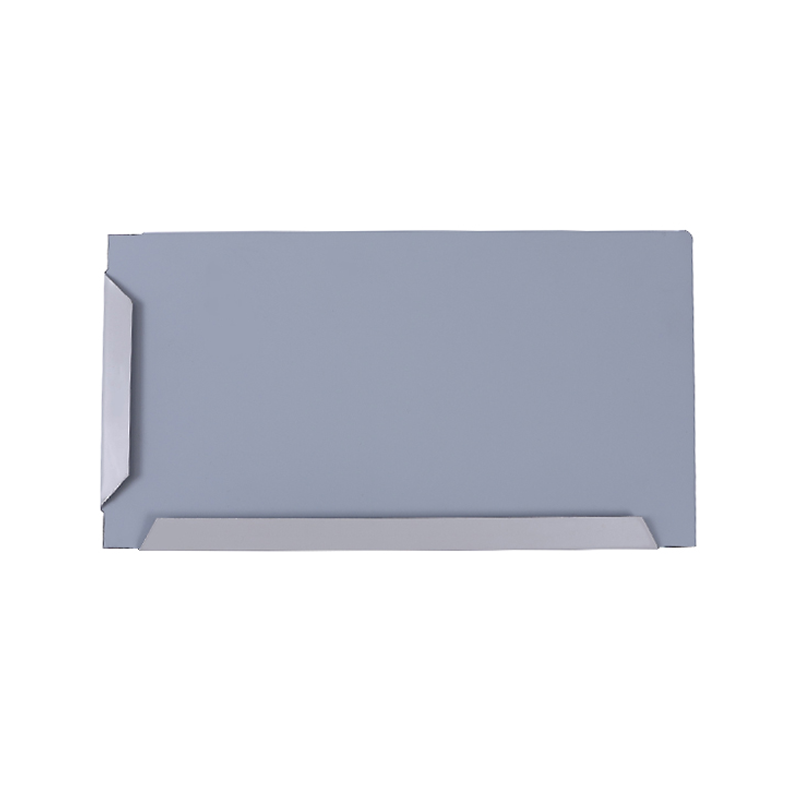

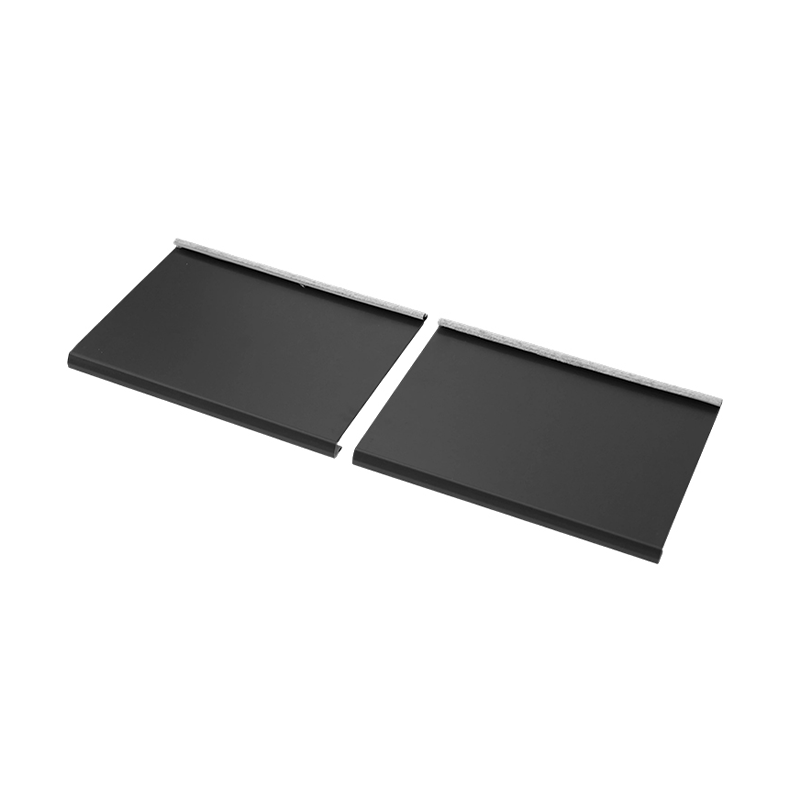
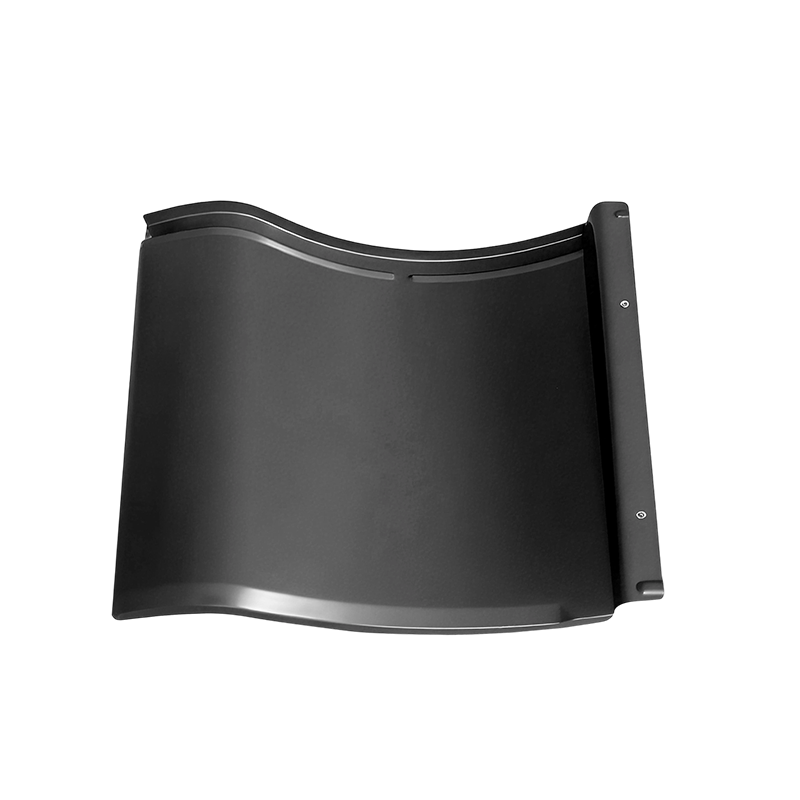
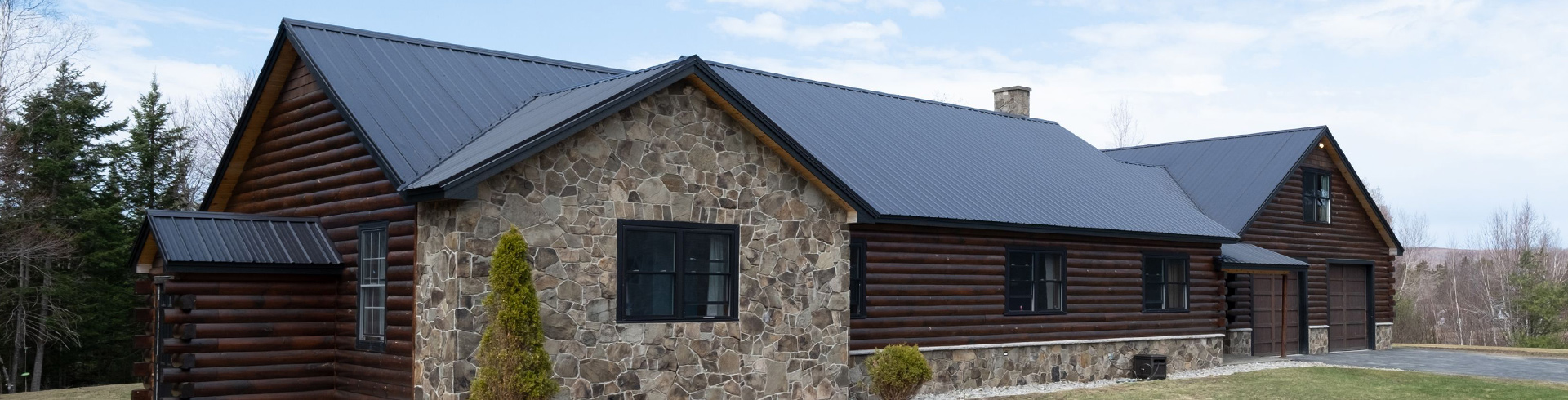
Standing seam metal roof panels last 40 to 70 years and cost between $9 and $16 per square foot installed, making them one of the most durable roofing investments available for both residential and c...
READ MORE
Industry News
Home / News / Industry News / Standing Seam Metal Roof vs Shingles: Cost, Lifespan, and Which Roof to Choose?
Standing Seam Metal Roof vs Shingles: Cost, Lifespan, and Which Roof to Choose?
Update:31 Aug 2026
Content
Standing seam metal and asphalt shingles are the two names you will hear most often when it is time to re-roof. The decision affects not only what you pay this year, but how often you will be back up on the roof, how much heat the attic absorbs in summer, and what storm season does to the building. The short answer, after comparing the full cost of ownership: standing seam metal is the better long-term investment for owners who plan to stay in the building for more than a decade, while asphalt shingles remain a legitimate option when upfront cost is the deciding factor. The sections below explain exactly where those differences show up.
What Each System Actually Is
Standing seam metal roofing is a system of long metal panels joined by raised vertical seams that interlock. The panels are held down by concealed clips, so the visible surface has no exposed fasteners. Asphalt shingles, by contrast, are overlapping strips of fiberglass mat coated with mineral granules and fixed with exposed nails. The two systems look different, install differently, and fail in completely different ways—which is why a comparison based only on the first invoice misses the point.
Upfront Cost and Whole-Life Economics
Shingles win the first-cost battle in almost every market. For a typical single-family roof, asphalt shingles come in at roughly $4.50 to $7.50 per square foot installed. Standing seam metal panels, with their concealed clips and engineered seams, typically run $9 to $14 per square foot. On a 2,000-square-foot roof, that is a difference of $9,000 to $14,000 on day one.
| Metric | Standing seam metal | Asphalt shingles |
|---|---|---|
| Upfront installed cost | $18,000–$28,000 | $9,000–$15,000 |
| Expected service life | 40–60 years | 15–25 years |
| Cost per year of service | $300–$700 | $360–$1,000 |
| Routine maintenance | Minimal | Periodic |
When you divide the initial price by service life, the cost advantage flips. The cheapest shingle roof wears out three to four times faster than a mid-grade standing seam roof, and the gap in replacement frequency alone covers part of the upfront difference. Factor in fewer repairs, no granule loss in the gutters, and one less tear-off, and the metal roof often ends up cheaper per year of actual protection.
For a detailed look at metal panel pricing variables, including gauge, coating, and installation factors, see our standing seam metal roof cost guide.
Service Life and Durability
Service life is where the two systems separate most clearly. A factory-coated standing seam metal roof is typically rated for 40 to 60 years, and many manufacturers back the panels with 30- to 50-year finishes. Asphalt shingles, regardless of the marketing language on the bundle, deliver 15 to 25 years in real-world conditions—often closer to 15 in hot, sunny climates.
Shingles fail through granule erosion, curling, cracking, and nail pop. A standing seam panel, by comparison, has no exposed fasteners in the field of the roof, so the most common fastener-related failure simply does not exist. The concealed clip system also lets the panel expand and contract with temperature changes without stressing the fasteners or the seam. A well-built standing seam roof from a full-service manufacturer, such as the 25-32-38 standing seam panels, uses this concealed clip design to handle thermal movement across long runs, which is the same reason it performs well on both steep residential roofs and large commercial decks.
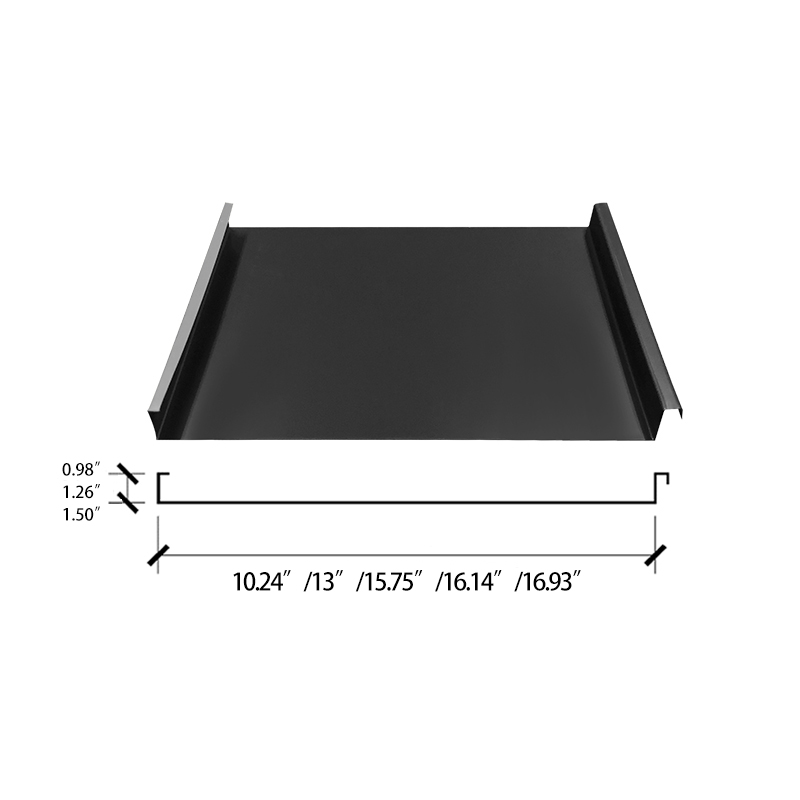 Wholesale 25/32/38 Model standing seam metal roof panels Suppliers, Factory - SuSuzhou Donghong Metal Materials Technology Co., Ltd. is China wholesale 25/32/38 Model standing seam metal roof panels Suppliers and Fact...View Product →
Weather and Wind Performance
Severe weather tilts the comparison hard toward standing seam. The raised seam profile and concealed clips give standing seam roofs tested resistance to wind uplift; many systems carry UL and FM ratings that asphalt shingles cannot realistically match. In hurricane-prone regions, that difference has pushed building codes toward requiring or rewarding metal panel assemblies on new construction.
Shingles are not fragile in ordinary wind, but their weakness appears when an edge lifts. Once one tab lifts, wind gets under the next, and the peel can remove a large section in minutes. Metal panels behave differently—they move as a system, and the interlocking seam spreads the load along the entire panel length. For hail, metal will dent depending on gauge and substrate, but it will not bruise, crack, or lose granules the way shingles do.
Maintenance and Repair
Standing seam roofs ask very little of the owner. The things that need checking are the flashings, sealant at penetrations, and the seam closures around skylights and chimneys—an annual visual inspection is usually enough. Shingle maintenance, by comparison, is a recurring cycle: re-seating lifted tabs, replacing blown-off shingles, cleaning granule buildup in valleys and gutters, and watching for moss in shaded areas.
Repair access is the one place shingles are easier. A damaged shingle is pulled and replaced in minutes by any roofer, while a dented or damaged standing seam panel may require a metal roof specialist. Even so, repair frequency is so much lower on standing seam that the practical maintenance burden still comes down on the metal side.
Energy Efficiency
Energy performance is not simply "metal is more efficient"—it depends on the coating and the roof system. Quality standing seam panels are available with cool-roof coatings that reflect a high percentage of solar radiation and re-emit absorbed heat quickly. This lowers attic temperatures and cuts cooling load in hot climates. Asphalt shingles, especially dark granules, absorb more heat and release it slowly, which is one reason shingle roofs make attics noticeably hotter.
Yes, you can buy "cool" asphalt shingles with reflective granules, but their reflectivity degrades as granules erode and weather. A PVDF-coated metal panel holds its reflective properties far longer. In mixed climates, the bigger lever is insulation and ventilation, which both roof types need—but the metal roof gives you a better starting point.
Appearance and Design Flexibility
Visually, the choice used to be simple: shingles for a traditional neighborhood look, metal for barns and commercial buildings. That line has blurred. Standing seam roofs have a clean, vertical-line aesthetic that fits modern, farmhouse, and contemporary architecture, and the panel widths and seam profiles can be changed to adjust the look. If you prefer the segmented texture of individual shingles or tiles, metal manufacturers also produce tile-look panels that give the same visual rhythm without the organic wear of asphalt.
Systems such as flat-lock square metal roofing tiles and fish-scale tiles are examples of this direction. They keep the maintenance profile of metal while offering a decorative surface closer to conventional shingles or clay tile. Flat-lock square tiles, for instance, install as individual interlocking tiles that read like an elevated shingle field while carrying metal's durability.
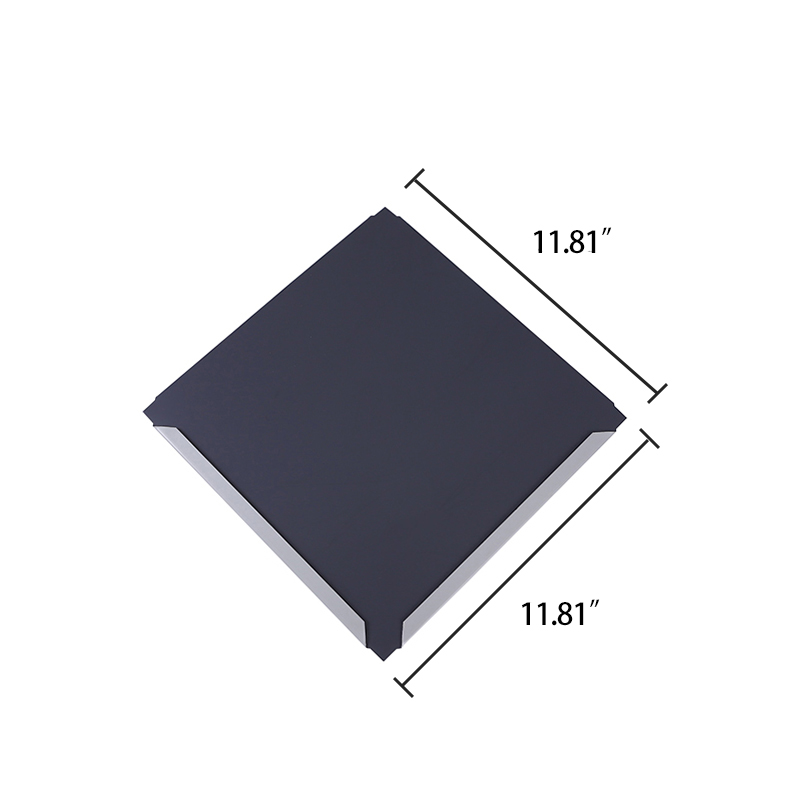 Wholesale Square Metal Roofing Tile Suppliers, Factory - Suzhou Donghong Metal MSuzhou Donghong Metal Materials Technology Co., Ltd. is China wholesale Square Metal Roofing Tile Suppliers and Factory,Overview of the p...View Product →
Installation, Contractors, and Lead Time
The biggest practical difference in installation is who will do the work and what it costs. Asphalt shingle installers are everywhere, competition keeps labor prices low, and a shingle roof on a simple house can be completed in one or two days. Standing seam requires a contractor who can brake-form or cut panels accurately, understand concealed clip alignment, and install proper seam closures. Fewer qualified contractors means higher labor rates and a schedule that may take several days or weeks depending on panel fabrication.
That gap is shrinking as metal roofing grows in residential markets, but it is still real. If your chosen contractor cannot show completed standing seam projects and manufacturer training, treat that as a red flag. On the manufacturing side, full-service suppliers now handle everything from design development to panel fabrication and even installation in some regions, which simplifies warranty responsibility and keeps procurement and construction under one roof.
Which roof should you choose? If you plan to stay in the home for more than a decade, want to stop thinking about roof maintenance, and can handle a higher first invoice, standing seam metal is the more economical roof over the full ownership period. If you are selling soon, working with a tight budget, or simply want the lowest possible upfront number, asphalt shingles still do the job—just expect to revisit the decision sooner than you would like. The numbers are clear: pay more once, or pay again sooner.
Recommended Products
News
-
-
Aluminium shingles roofing is one of those materials that sounds simple until you start comparing profiles, thicknesses, coatings, and fastening methods. A metal shingle is not one product; it is a f...
READ MORE -
Metal roofing refers to a roofing system that uses metal sheets as the roofing material, integrating the structural layer and waterproofing layer into one. There are many types of metal sheets, includ...
READ MORE -
The success of a metal roofing project is set long before the first panel is lifted onto the roof. It is determined by how accurately the measurements are taken, how carefully the panel system is sel...
READ MORE

 DOWNLOAD
Copyright © Suzhou Donghong Metal Materials Technology Co., Ltd.
All Rights Reserved.
 Custom Metal Roofing Sheets Manufacturers
Custom Metal Roofing Sheets Manufacturers


QUICK LINKS
PRODUCT
CONTACT US
-
 Email: DonghongMetal@outlook.com
 -
 WahtsApp: +86 18036113307
 -
 Mobile Phone: +86-185 5030 2515
 -
 WhatsApp Business: 852-55025164
 -
 Address: No. 16 Hongyun Road, Fuqiao Town, Taicang City, Suzhou, Jiangsu Province, China