LANGUAGE
 English
 Español
 عربى
عربى
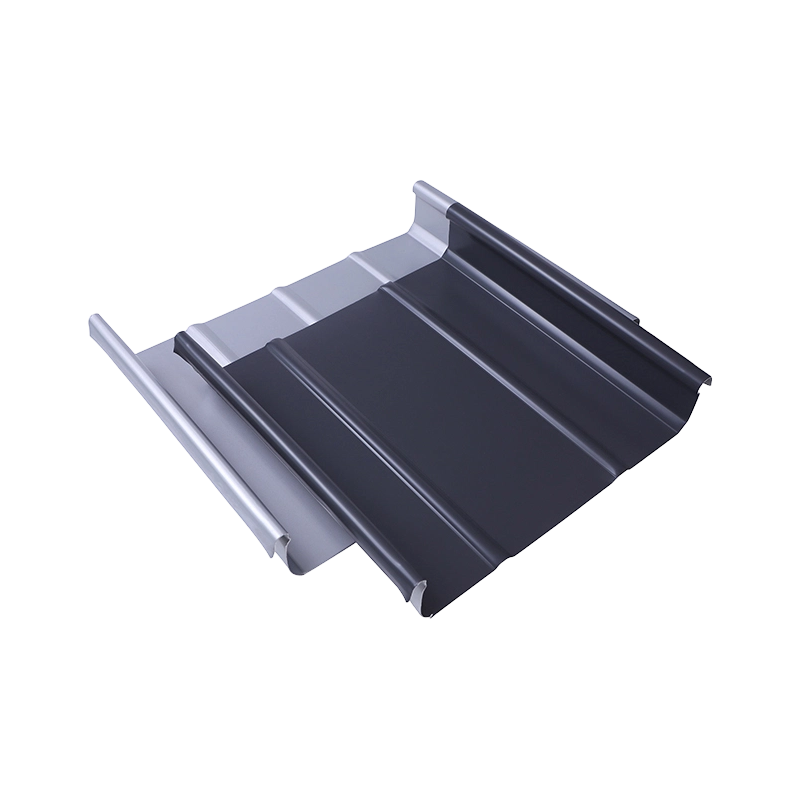
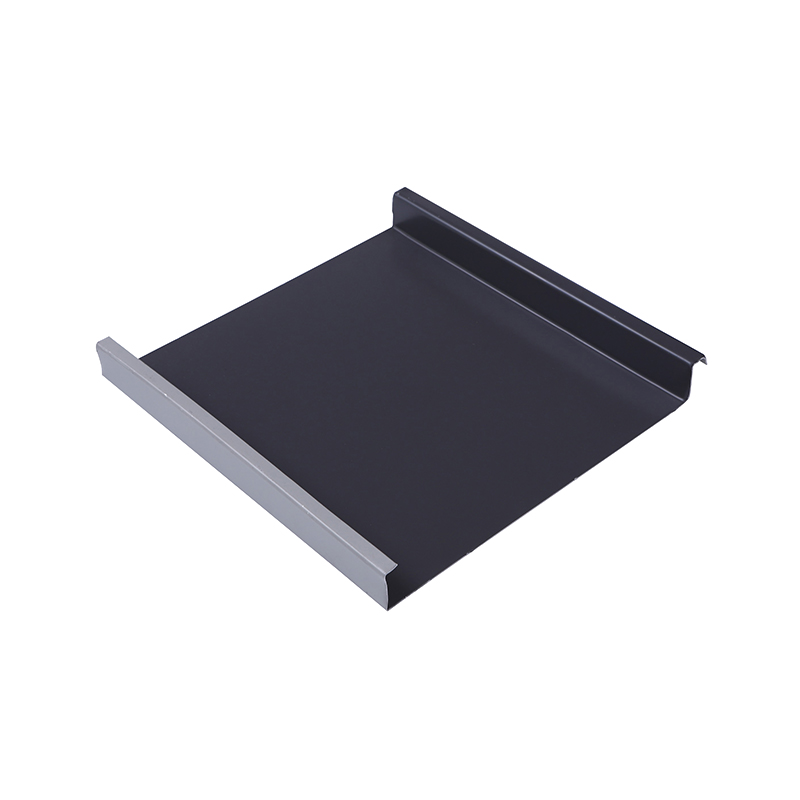
Metal roofing refers to a roofing system that uses metal sheets as the roofing material, integrating the structural layer and waterproofing layer into one. There are many types of metal sheets, includ...
READ MORE
Industry News
Home / News / Industry News / Advantages of Metal Roofing: Benefits, Costs, and Real-World Performance
Advantages of Metal Roofing: Benefits, Costs, and Real-World Performance
Update:28 Sep 2026
Content
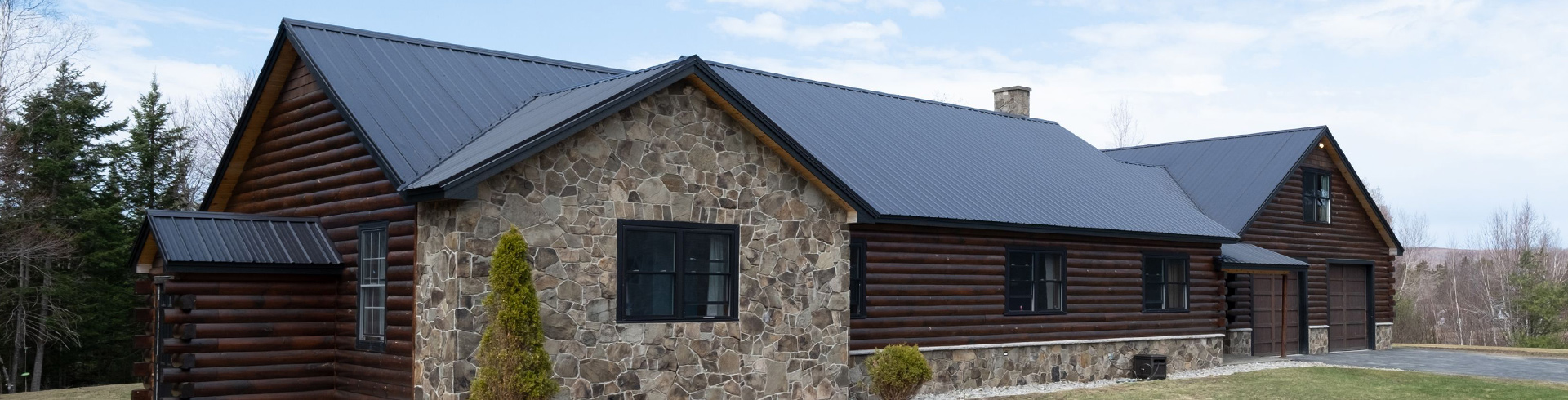
Your roof is one of the few building components that works for decades without being touched. When you compare the cost of a metal roof with a conventional asphalt shingle roof, the sticker price makes metal look more expensive. But the number that actually affects your finances is the total cost divided by the years of service. On that basis, a metal roof can be the better buy. Here is a practical look at the real advantages, the trade-offs, and which metal roofing system fits your project best.
The Bottom Line: Why Metal Roofing Wins on Long-Term Value
Before you compare sales literature, consider the annualized cost. A typical metal roof can last 40 to 60 years with minimal maintenance. An asphalt shingle roof usually lasts 15 to 20 years. Some premium clay tile roofs last 30 to 50 years, but they are heavier and can be brittle. The table below uses common industry estimates for a 2,000 sq ft roof in the U.S. market.
| Material | Typical Lifetime | Installed Cost (USD per sq ft) | Annualized Cost per sq ft |
|---|---|---|---|
| Metal (standing seam) | 40-60 years | $12-18 | $0.24-0.45 |
| Asphalt shingles | 15-20 years | $5-9 | $0.25-0.60 |
| Clay tile | 30-50 years | $15-25 | $0.30-0.83 |
The installed cost is not the full picture. Metal roofs also reflect solar heat, resist hail and snow, and do not absorb water. Those effects reduce repair and utility costs over time.
The Seven Core Advantages of Metal Roofing
Here are the seven advantages that show up most often in real-world building projects.
- Longer service life
- Better weather resistance
- Cooling energy savings
- Fire resistance
- Low maintenance
- Design flexibility
- Recyclable material
Let's look at each one with practical details.
1. Longevity and Durability
Metal roofing is not a one-time roof. It is a structural envelope designed to outlast several generations of shingle roofs. A properly installed standing seam metal roof can survive 40 to 60 years, and some installations in Europe have passed 80 years. This matters when you compare total ownership cost. If you replace shingles three times during the life of one metal roof, the metal roof can be cheaper even though it costs more on day one.
2. Weather and Wind Resistance
Metal roofs handle conditions that damage asphalt: hail, wind-driven rain, snow and ice. A metal panel is a stiff sheet with interlocking joints. High winds that lift shingles will not lift a properly fastened metal roof. Snow slides off more easily, reducing the load on the structure. For hail zones, look for panel thickness and a coating that resists chipping. A good rule is gauge 26 or 24 for standing seam panels in hail-prone areas.
3. Energy Efficiency and Heat Reflection
Metal reflects solar radiation instead of absorbing it. A cool metal roof with a reflective coating can lower roof surface temperature by 20-30 degrees Fahrenheit compared with dark asphalt. That translates into smaller air conditioning loads in summer. In many cases, this is the single biggest advantage that homeowners notice after installation.
4. Fire Resistance
Metal does not ignite. When exposed to sparks or embers from a wildfire, it does not support combustion. This is particularly important for buildings in wildfire zones. Metal roofing can achieve Class A fire rating without additional coatings, while asphalt shingle ratings can vary.
5. Low Maintenance Requirements
A metal roof requires little attention. You do not need to replace individual shingles, remove moss, or worry about algae growth. The main maintenance task is checking sealants and fasteners during the first years after installation. This is a real advantage for owners who do not want to climb on a roof.
6. Aesthetic Variety
Metal is no longer limited to corrugated barn roofs. Standing seam panels create clean architectural lines. Flat lock panels can be used on steep roofs and facades with a European look. Fish-scale metal tiles offer a decorative, traditional pattern for towers, turrets and covered walkways. Modern coated panels are available in matte dark colors, wood-look finishes, and strong metallic colors.
7. Environmental Sustainability
Most metal roofing contains 30-90% recycled steel or aluminum. At the end of its life, the material can be recycled again instead of going to a landfill. Because a metal roof lasts so long, the embodied energy in the roof is spread over a longer period. It is one of the more sustainable roofing choices available to architects and builders.
The Trade-Offs: Costs, Noise, and Expansion
No roof is perfect. The same properties that make metal durable also create a few challenges. A buyer who understands these points can avoid problems later.
- Higher upfront cost
- Noise during heavy rain
- Expansion and contraction sounds
- Potential denting from hail or tree limbs
- Need for experienced installers
Upfront Cost
Metal roofing costs 2 to 3 times as much as asphalt shingles on a per-square-foot basis. If you are planning to sell the house in five years, a high-end metal roof may not return the full investment. If you are staying for a decade or more, the longer lifespan usually beats the higher initial cost.
Noise
Rain on an uninsulated metal roof can sound louder than on asphalt. In practice, modern homes with solid sheathing and a layer of underlayment do not have a noise problem. The noise is more noticeable in barns, porches or unfinished attics. If this is a concern, specify a thicker underlayment or an insulated metal roof.
Expansion and Contraction
Metal expands and contracts with temperature changes. You may hear a ticking sound as panels move. This is not a defect; it is a physical property. A good installer will use properly designed clips and allow for movement at the seams. This is why standing seam systems with hidden clips are preferred over through-fastened panels for exposed roofs.
Denting
Metal can dent from large hail, fallen branches, or heavy foot traffic. Heavier panels and a stronger profile resist denting better. For areas with severe hail, choose a thicker steel and a robust roof profile.
Installation Skill
Metal roofing is not forgiving of poor workmanship. The seams and clips must be installed to millimetre tolerances. A leak in a metal roof almost always traces back to an installation error, not a material defect. Choose a manufacturer that also offers installation guidance or has a network of trained installers.
Choosing the Right Metal Roofing System
There is no single metal roof that works for every building. The selection should follow the roof pitch, the architectural style, and the maintenance strategy.
Standing Seam for Large and Low-Slope Roofs
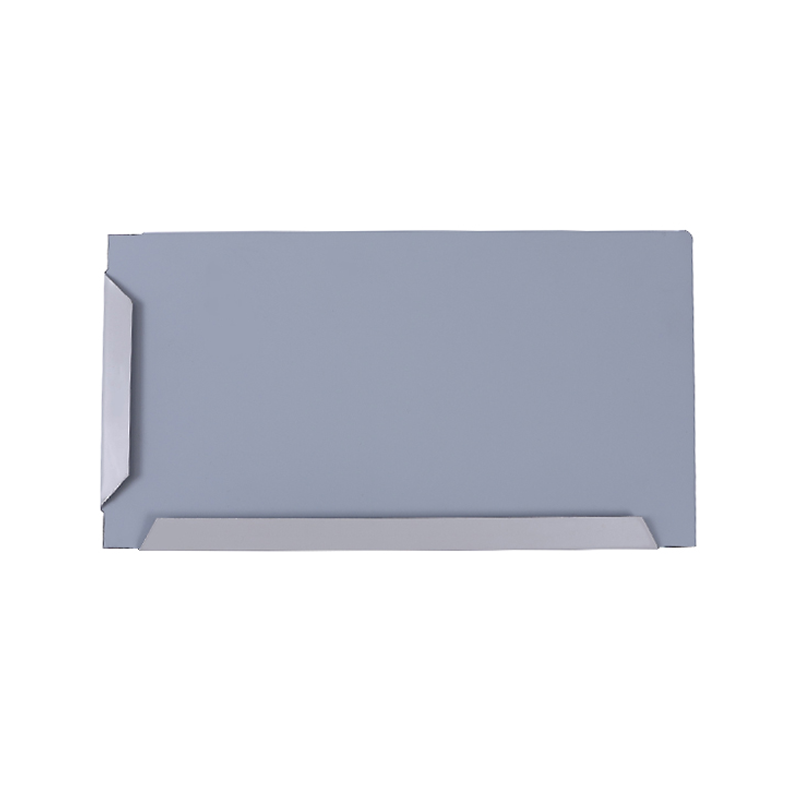
For commercial buildings, large residential roofs, and modern architecture, standing seam is often the best choice. The panels rise vertically and are joined by hidden clips, which leave no exposed fasteners across the field of the roof. The result is a clean look and excellent water shedding even on low slopes. Aluminium-magnesium-manganese is a popular material for this system because of its corrosion resistance and formability. Learn about aluminum roofing panel systems. The 25-32-38 model captures the classic 65mm standing seam profile used in many public buildings.
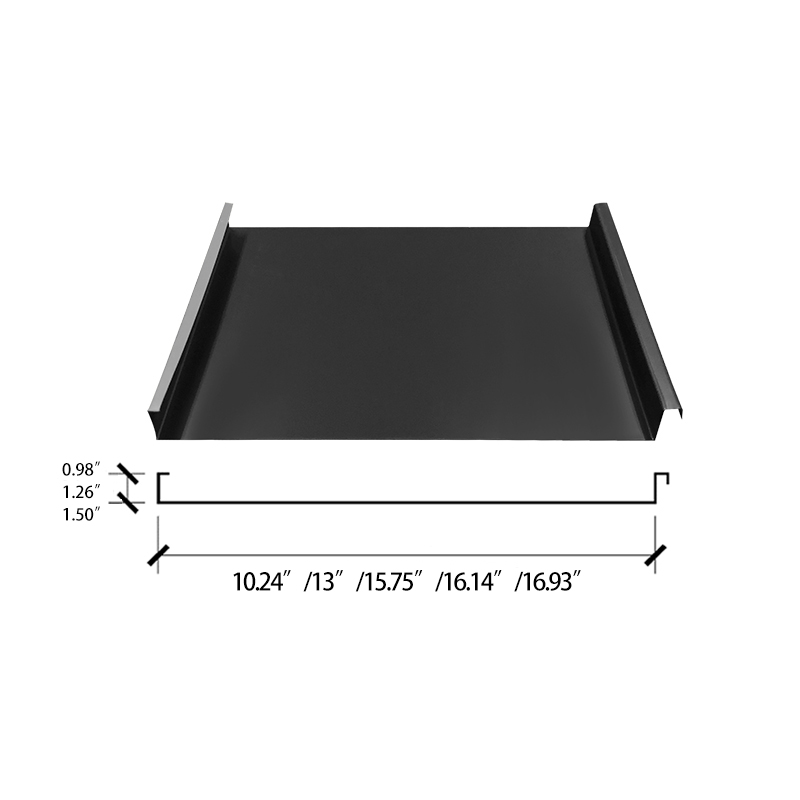 25/32/38 Model Standing Seam Metal Roof PanelsThese panels feature concealed fixation and mechanical interlocking, suitable for low-slope and curved roofs. They offer a clean appearance without exposed fasteners, ideal for villas, hotels, and guesthouses.View Product →
Flat Lock Panels for Steep Roofs and Facades
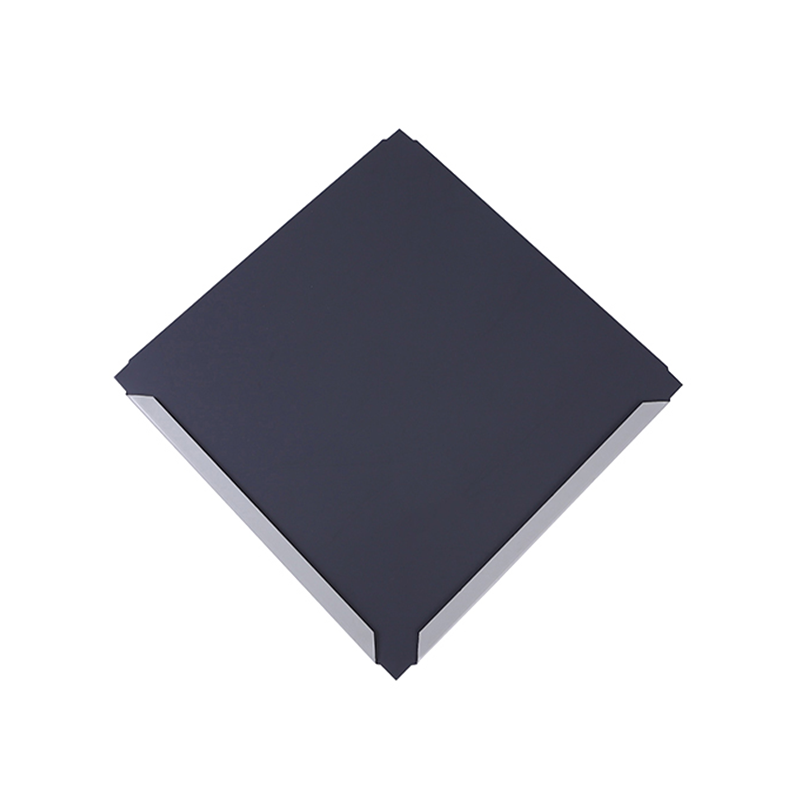
When you want a textured European look on a steep roof or a vertical facade, flat lock panels are an excellent option. Each panel is folded and locked to the adjacent sheet, producing a visible grid pattern. Flat lock metal panels are often used on churches, pavilions and mixed architecture. The square metal roofing tile is one of the most adaptable forms for this system.
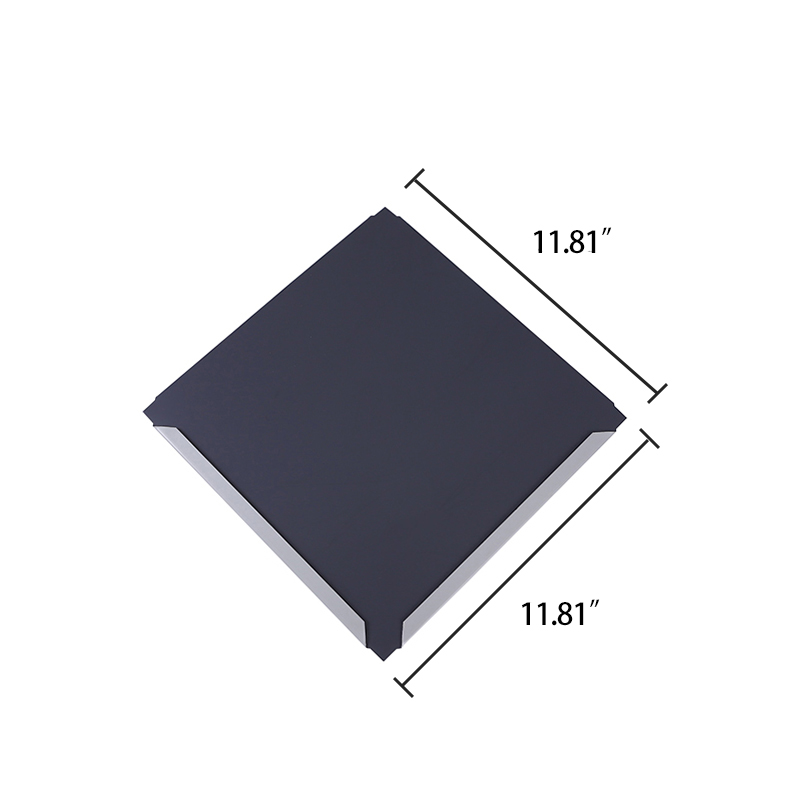 Square Metal Roofing Tile for Curved SurfacesThe square tile system uses hidden fasteners and folded edges for a secure fit. Its modular design adapts to irregular shapes like arcs and spheres, providing a modern, ventilated roof solution.View Product →
Fish-Scale Metal Tiles for Decorative Roofs
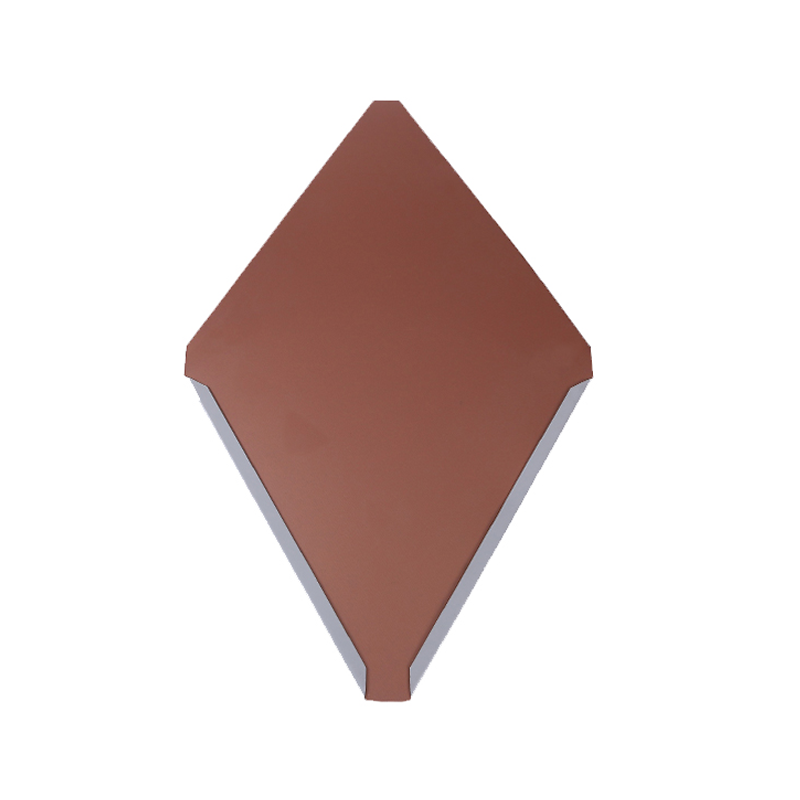
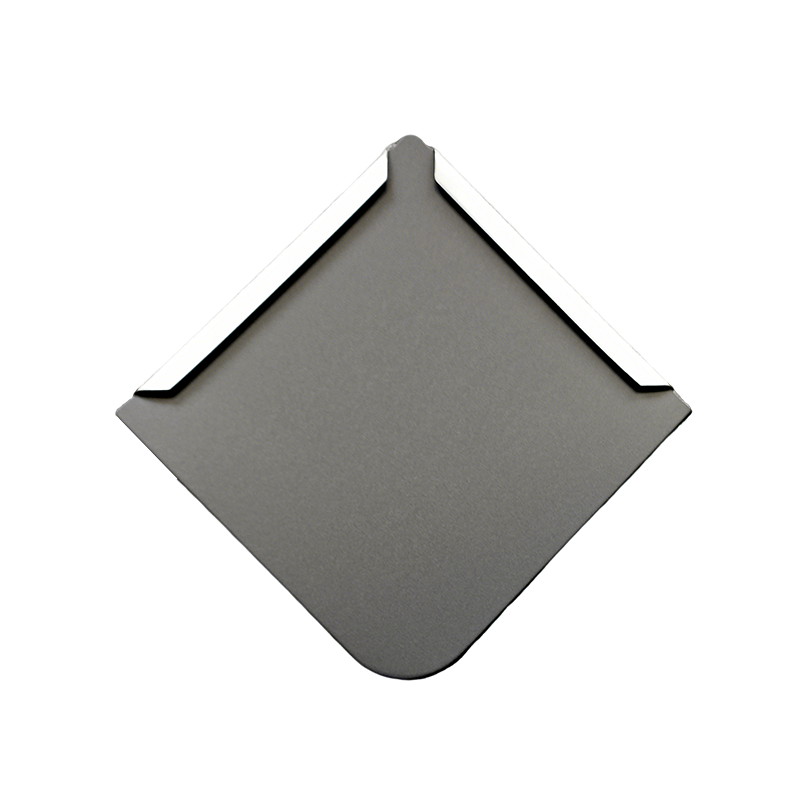
If your building has a tower, turret, or heritage-inspired facade, fish-scale metal tiles can create a softer, more ornate texture. These tiles come in several modular sizes, and they perform as a durable metal roof while offering a distinctive architectural silhouette. The 240-model fish-scale tile is a mid-size profile that works well on curved or semi-circular surfaces.
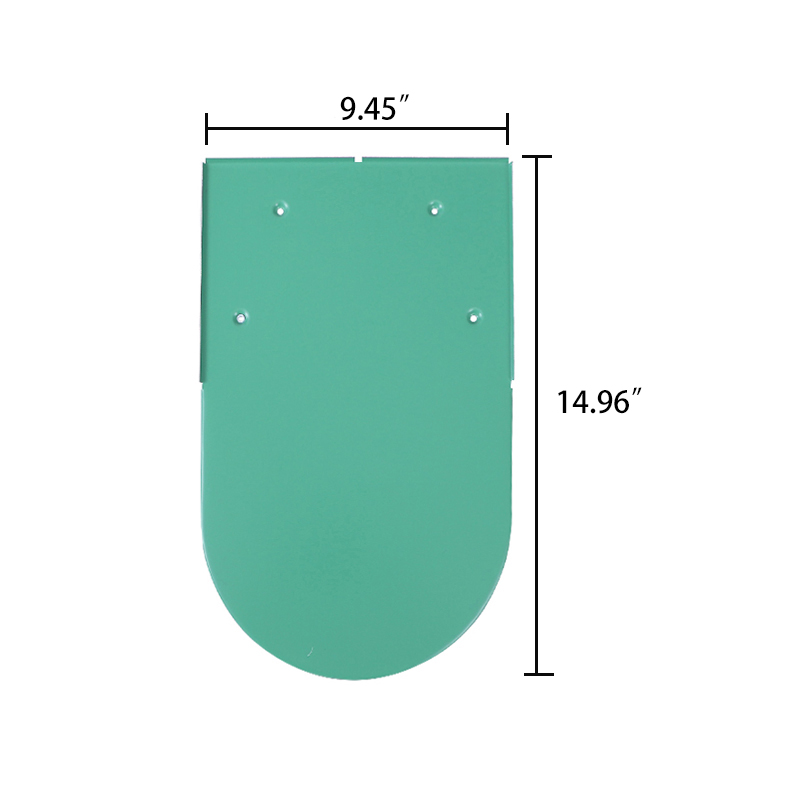 240 Model Fish-Scale Metal TilesThese slender tiles have a rounded front edge, evoking classic European style. They create layered waterproof barriers and are lightweight, suitable for retro buildings and complex roof forms.View Product →
What to Look For in a Metal Roof Manufacturer
A metal roof is only as good as the manufacturer and the crew that installs it. Before you order panels, ask a potential supplier to prove three things: technical design support, consistent production capacity, and installation experience.
- Design support: Can the factory provide shop drawings for your specific roof and wall details?
- Material quality: Are the coated steel or aluminium coils sourced from a recognized supplier?
- Production scale: Can the factory deliver the required quantity for the whole project without changing batch colours?
- Installation service: Does the supplier offer trained installation teams or supervise the installation?
For example, a manufacturer that combines design, material supply and installation can handle a complicated project more smoothly. Ask about the panel gauge, the coating weight, and the type of fasteners. These are the details that decide whether your roof will fail in five years or outlast the building.
Final Verdict: Should You Choose a Metal Roof?
If you are looking for a roof that will live as long as your mortgage, save energy in hot weather, and survive storms without losing shingles, metal roofing is a strong candidate. The higher upfront cost is offset by the longer service life and lower repair needs. The only cases where metal is clearly a worse choice are tight-budget renovation projects with a simple roof and a short ownership period, or where the building has unusual constraints such as a very poor ventilation system.
Before you order, spend time on the specification. Choose the right panel type for the building, verify the finish and coil thickness, and use an experienced installer. That is the difference between a roof that looks nice and a roof that works for your entire stay.
Recommended Products
News
-
-
Aluminium shingles roofing is one of those materials that sounds simple until you start comparing profiles, thicknesses, coatings, and fastening methods. A metal shingle is not one product; it is a f...
READ MORE -
Replacing a roof is one of those decisions most homeowners put off until water stains appear on the ceiling. Once the shingles start curling or losing granules, the question becomes whether to re-shi...
READ MORE -
If you are weighing metal roofing against asphalt shingles, the decision rarely comes down to which product looks better. It comes down to how long you plan to stay in the building, what your local w...
READ MORE

 DOWNLOAD
Copyright © Suzhou Donghong Metal Materials Technology Co., Ltd.
All Rights Reserved.
 Custom Metal Roofing Sheets Manufacturers
Custom Metal Roofing Sheets Manufacturers


QUICK LINKS
PRODUCT
CONTACT US
-
 Email: DonghongMetal@outlook.com
 -
 WahtsApp: +86 18036113307
 -
 Mobile Phone: +86-185 5030 2515
 -
 WhatsApp Business: 852-55025164
 -
 Address: No. 16 Hongyun Road, Fuqiao Town, Taicang City, Suzhou, Jiangsu Province, China