LANGUAGE
 English
 Español
 عربى
عربى
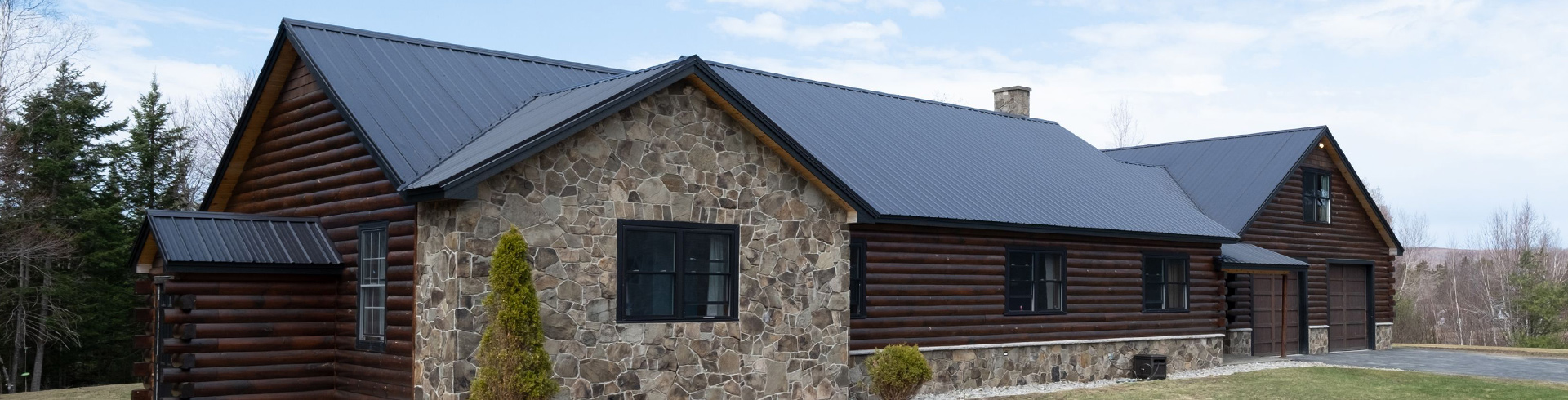

What Makes Japanese-Style Metal Roof Tile a Practical Choice for Traditional-Inspired Architecture?
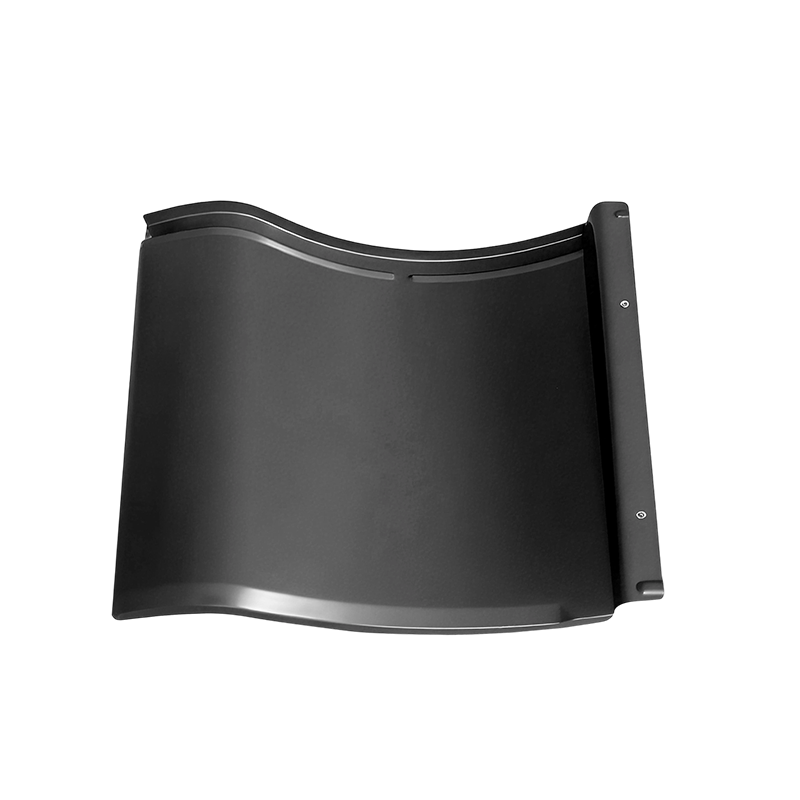
Japanese-style metal Roof Tile is an architectural roofing system developed to reproduce the visual characteristics of traditional Japanese tiled roofs while introducing the material advantages of modern metal construction. Also known as Japanese S tiles or metal and tiles, these products use formed metal sheets to recreate the S-shaped curves, three-dimensional overlapping appearance, and calm, layered texture associated with traditional Japanese clay and tile roofs.
For architects, developers, contractors, and professional material purchasers, the appeal of this roofing solution lies in the combination of appearance and practical performance. Traditional clay tiles can create an authentic architectural atmosphere, but their relatively high weight and installation requirements may increase structural and construction considerations. Japanese-style metal Roof Tile offers another approach by using lightweight metal sheets to achieve a similar visual language.
The S-shaped profile is one of its defining characteristics. Instead of presenting a completely flat or simple corrugated surface, the repeated curved sections create a three-dimensional roof texture. When installed across a large roof, these individual profiles form continuous visual lines that can reinforce the traditional character of Japanese-style architecture.
Material selection can further influence the final product. Aluminum and copper are among the metal materials that can be used for this type of roofing system. Aluminum is attractive for applications where lightweight construction and corrosion resistance are important, while copper can provide a distinctive natural appearance that changes gradually with exposure. The exact material and finish should be selected according to the building environment, design requirements, and project budget.
Suzhou Donghong Metal Materials Technology Co., Ltd. specializes in the research, development, manufacturing, processing, sales, and installation of metal roofing and wall materials. Its experience across architectural metal systems provides a useful foundation for projects that require coordination between roofing design, material selection, detailed drawings, and construction.
How Does the S-Shaped Profile Reproduce Traditional Roof Aesthetics?
The S-shaped curve is central to the visual identity of Japanese-style roofing. Traditional roof tiles are arranged in repeated curved forms, creating overlapping shadows and a strong sense of depth. Modern metal forming technology can reproduce this visual effect with controlled dimensions and consistent profiles.
When viewed from a distance, the roof can retain the layered rhythm associated with traditional architecture. At closer range, the precise profile and metal surface reveal a contemporary material character.
Why Is Three-Dimensional Texture Important?
A traditional-style roof depends heavily on light and shadow. The raised and recessed portions of the S profile create changing shadows throughout the day, making the roof surface more visually dynamic.
This characteristic can be particularly effective for Japanese-style villas, guesthouses, tea rooms, garden buildings, cultural facilities, and hospitality projects where architectural atmosphere is an important part of the design.
| Design characteristic | Japanese-style metal solution | Architectural effect |
|---|---|---|
| S-shaped curve | Formed metal profile | Reproduces traditional tile rhythm |
| Three-dimensional stacking | Repeated overlapping modules | Creates visual depth |
| Surface finish | Metal, coated, or customized finish | Changes texture and appearance |
| Roof color | Traditional or contemporary options | Supports different design concepts |
| Ridge treatment | Coordinated ridge components | Completes roof silhouette |
| Eave details | Matching edge components | Enhances traditional character |
| Module arrangement | Repeated curved profiles | Creates continuous visual rhythm |
Which Buildings Are Particularly Suitable?
Japanese-style metal Roof Tile can be used for Japanese-style villas, guesthouses, tea rooms, garden buildings, boutique hotels, cultural facilities, restaurants, residential developments, and other structures incorporating Japanese architectural elements.
It can also be applied to modern buildings where only selected traditional elements are required. A contemporary façade combined with a Japanese-inspired roof can create a balanced mixture of modern and traditional design.
How Do Lightweight Metal Materials Change the Engineering Potential of Japanese S Tiles?
One of the most important differences between traditional clay roofing and Japanese-style metal Roof Tile is the material itself. Traditional tiles can provide an authentic appearance, but their weight must be incorporated into structural calculations. Metal roofing systems can provide a significantly different weight profile, making them attractive for projects where structural efficiency and installation convenience are important considerations.
The lightweight characteristic of metal does not mean that structural design can be ignored. The complete roofing system still requires suitable supporting components, fixing arrangements, roof pitch, drainage, and wind-resistance design. However, reducing the weight of the roof covering can provide greater flexibility during the planning and construction stages, depending on the specific product specification.
Aluminum is particularly suitable for applications where low weight and corrosion resistance are priorities. Copper provides another option when the architectural concept calls for a distinctive premium metal appearance. Other metal configurations may also be available depending on the manufacturer’s production capabilities.
The water-resistant and wind-resistant characteristics of a roofing system depend on more than the material itself. The profile, overlaps, fixing method, flashing, ridge details, roof geometry, and installation quality all contribute to system performance. Therefore, professional buyers should evaluate the complete assembly rather than considering the tile as an isolated product.
What Are the Practical Benefits of Using Metal Instead of Traditional Clay?
Metal construction can offer advantages in transportation, handling, and installation because the roofing components can be lighter than traditional clay alternatives. This can be particularly useful for renovation projects or buildings where structural loading is an important consideration.
Metal sheets can also be manufactured with relatively consistent dimensions and profiles. This dimensional control can support systematic installation and improve consistency across large roof areas.
How Should Wind and Rain Performance Be Evaluated?
Japanese-style metal Roof Tile should be selected according to the actual environmental conditions of the building. Areas exposed to strong winds may require carefully designed fixing systems and supporting structures. Regions with heavy rainfall require appropriate roof slopes, drainage paths, overlaps, flashing, and penetration details.
The manufacturer and project engineering team should work together to determine the appropriate installation configuration.
| Engineering consideration | Key question | Why it matters |
|---|---|---|
| Roof weight | What is the system’s actual weight? | Supports structural planning |
| Material | Aluminum, copper, or other metal? | Influences weight and durability |
| Roof pitch | Is the profile suitable for the proposed slope? | Supports drainage |
| Fixing | How are the tiles secured? | Influences wind resistance |
| Overlap | How do adjacent modules connect? | Helps manage water |
| Ridge | How is the upper roof edge treated? | Completes the roof system |
| Flashing | How are transitions sealed? | Helps manage vulnerable areas |
| Environment | What are the local weather conditions? | Supports material selection |
Why Is Installation Quality Important for Japanese S Tiles?
The appearance of Japanese-style roofing depends on consistent alignment. If individual S-shaped modules are not positioned correctly, the continuous roof pattern may become irregular.
Installation should therefore follow the manufacturer’s technical instructions and approved project drawings. Particular attention should be paid to ridges, eaves, valleys, roof penetrations, corners, and transitions between roofing and wall systems.
Can Japanese-Style Metal Roof Tile Be Used in Renovation Projects?
It can be considered for suitable renovation applications after the existing structure has been evaluated. Lightweight metal roofing may be attractive when the project needs to refresh a traditional appearance without adding the same type of roof-covering weight as conventional clay tiles.
However, the existing supporting structure, drainage, waterproofing, and connection conditions should always be reviewed before installation.
How Should Project Buyers Evaluate Japanese-Style Metal Roof Tile Manufacturers for Customized Building Projects?
For large architectural projects, choosing a Japanese-style metal Roof Tile is only the first step. The manufacturer’s technical capabilities can have a significant influence on the final result. Traditional-style roofs often include customized dimensions, complex edges, ridge details, transitions, and decorative elements, making communication between the designer and manufacturer particularly important.
A professional manufacturer should be capable of understanding architectural drawings and converting them into practical manufacturing specifications. This may involve drawing refinement, product selection, material confirmation, profile development, accessory coordination, production, quality inspection, packaging, and installation support.
Suzhou Donghong Metal Materials Technology Co., Ltd. has a strong technical design team and professional drawing refinement capabilities. The company has highly qualified technical personnel with many years of experience in profiled steel sheets and standing seam metal roofing and wall systems. It also has mature experience in on-site construction project management.
Although Japanese-style metal roofing has a distinctive appearance, it still needs to coordinate with the rest of the building envelope. Suzhou Donghong Metal Materials Technology Co., Ltd. has experience with a broader range of architectural metal systems, including standing seam aluminum-magnesium-manganese roofing systems, metal curtain wall systems, flat interlocking roofing and cladding systems, antique-style metal glazed tile systems, external wall insulation systems, and metal concealed-lock barrel tile roofing systems.
This broader product knowledge can be useful when Japanese-style roofing needs to connect with metal façades, insulation layers, curtain walls, or other exterior components.
What Should Be Included in a Manufacturer's Technical Proposal?
A professional proposal should go beyond a simple product name and price. It should clearly identify the material, thickness, tile dimensions, profile, surface finish, color, installation method, accessories, and relevant technical requirements.
For customized projects, roof drawings should be reviewed before final quotation and production.
| Procurement stage | Information to establish | Expected outcome |
|---|---|---|
| Design review | Roof geometry and architectural concept | Confirms product suitability |
| Material selection | Metal type and specification | Establishes technical basis |
| Profile confirmation | S-shaped dimensions and appearance | Matches design intent |
| Detail refinement | Ridge, eave, valley, and edge details | Reduces construction conflicts |
| Quantity planning | Roof area and module layout | Supports material planning |
| Production | Approved technical specifications | Controls consistency |
| Installation | Fixing and sequencing requirements | Supports site execution |
| After-sales | Maintenance and technical support | Supports long-term service |
Why Does Drawing Refinement Matter for Japanese-Style Roofing?
Japanese-inspired roofs often contain more visual details than standard industrial roofing. The proportions of the roof, the rhythm of the S-shaped modules, and the relationship between the main roof and decorative components can all influence the finished appearance.
Professional drawing refinement allows potential conflicts to be identified before manufacturing. It can also help determine where standard components can be used and where customized pieces are necessary.
How Can an Integrated Supplier Support the Entire Project?
Suzhou Donghong Metal Materials Technology Co., Ltd. can provide comprehensive services including design refinement and consultation, material supply, construction and installation, and after-sales maintenance. The company has also established close cooperative relationships with internationally and domestically renowned high-quality material suppliers.
This integrated approach can help developers, architects, engineering companies, and material distributors coordinate different stages of a project more efficiently.
What Should Buyers Compare Beyond the Unit Price?
The total value of a roofing supplier should be assessed through material quality, manufacturing consistency, customization capability, technical support, delivery reliability, installation experience, and after-sales service.
For Japanese-style projects, the ability to translate architectural requirements into precise manufacturing and installation details can be especially important because the appearance depends heavily on profile consistency and accurate assembly.
FAQ: What Should Buyers Know About Japanese-Style Metal Roof Tile?
What Is Japanese-style metal Roof Tile?
Japanese-style metal Roof Tile is a metal roofing system designed to reproduce the S-shaped curves, three-dimensional stacking, and Zen-like visual texture of traditional Japanese clay and tile roofs. It combines traditional architectural aesthetics with modern metal roofing characteristics.
What Are Japanese S Tiles?
Japanese S tiles are another term used to describe this type of roofing product because of the characteristic S-shaped curved profile. The repeated curves create the layered visual effect associated with traditional Japanese roofs.
What Materials Can Be Used for Japanese-Style Metal Roof Tile?
Aluminum and copper are examples of metals that can be used for this type of roofing system. The appropriate material depends on the project’s environmental conditions, appearance requirements, structural considerations, and budget.
Are Japanese-style metal Roof Tile Lightweight?
Metal roofing products can provide a lightweight alternative to conventional clay tiles, although the actual weight depends on the material, thickness, profile, and complete system configuration.
Are These Roof Tiles Suitable for Japanese-Style Villas?
Yes. Japanese-style villas are one of the applications where these products can provide a particularly strong architectural match. They can also be used for guesthouses, tea rooms, boutique hotels, cultural buildings, restaurants, and garden structures.
Can Japanese-style metal Roof Tile Be Customized?
Depending on the manufacturer’s capabilities, customization may include material, dimensions, profile, color, surface finish, ridge components, eave details, and other accessories. Detailed drawings are recommended for projects with complex roof geometry.
What Services Can Suzhou Donghong Metal Materials Technology Co., Ltd. Provide?
Suzhou Donghong Metal Materials Technology Co., Ltd. provides design refinement and consultation, material supply, construction and installation, and after-sales maintenance. The company also has technical personnel experienced in profiled steel sheets and standing seam metal roofing and wall systems, as well as professional drawing refinement and on-site project management capabilities.

 DOWNLOAD