LANGUAGE
 English
 Español
 عربى
عربى
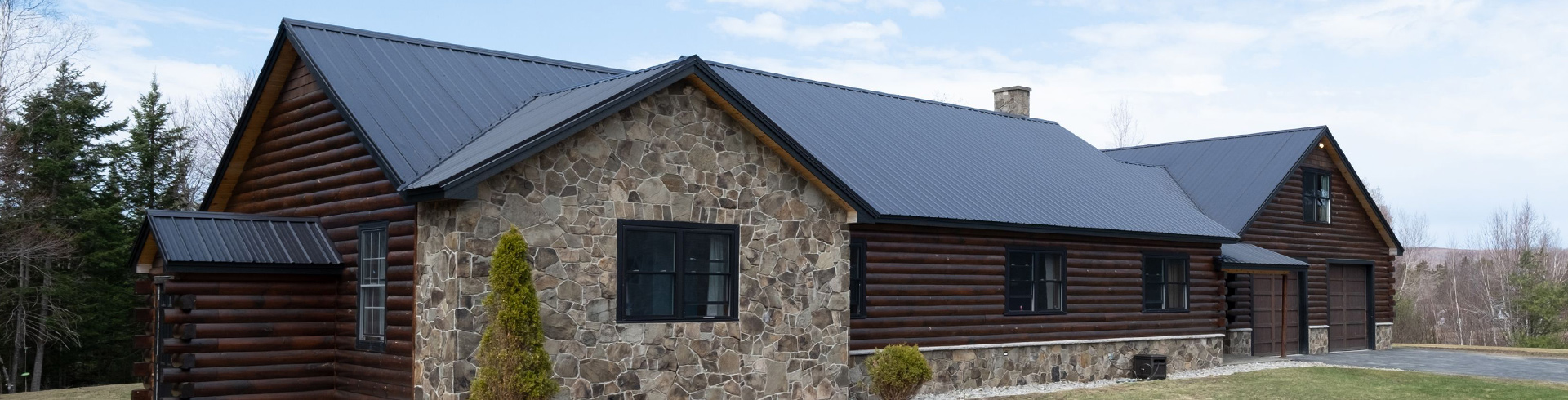
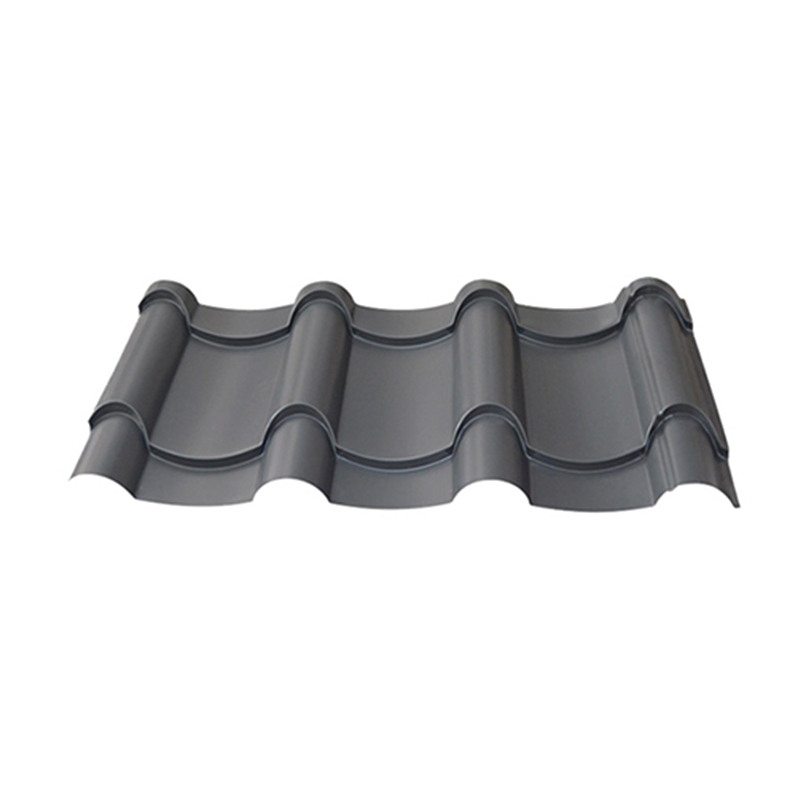
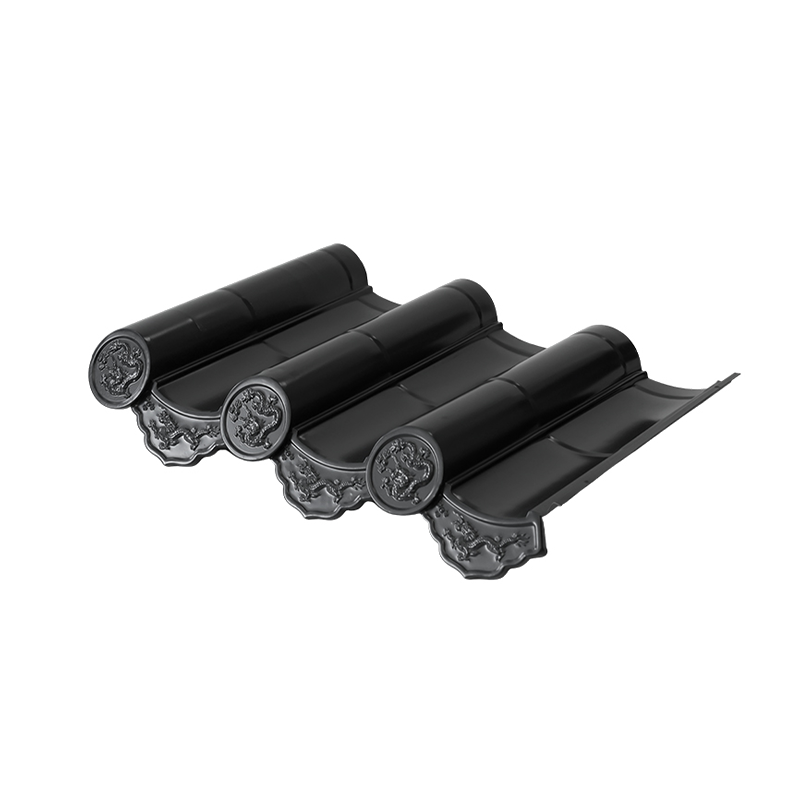
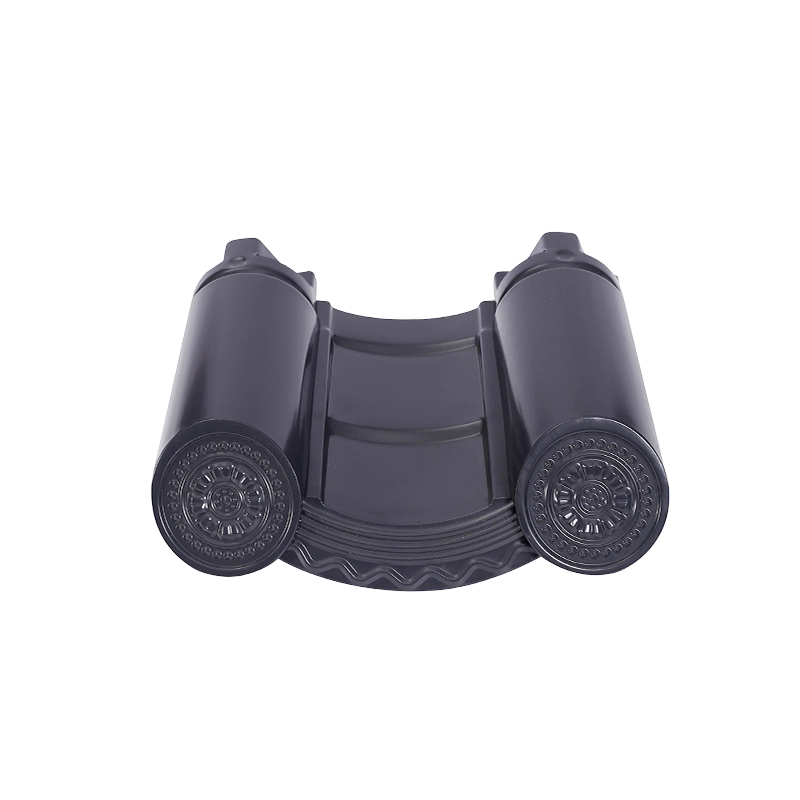
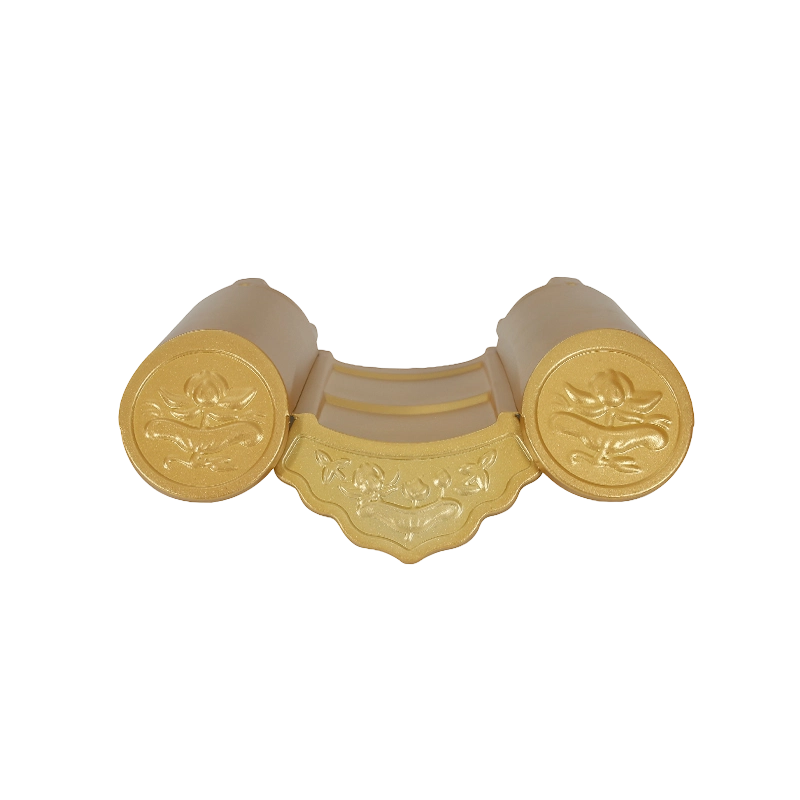
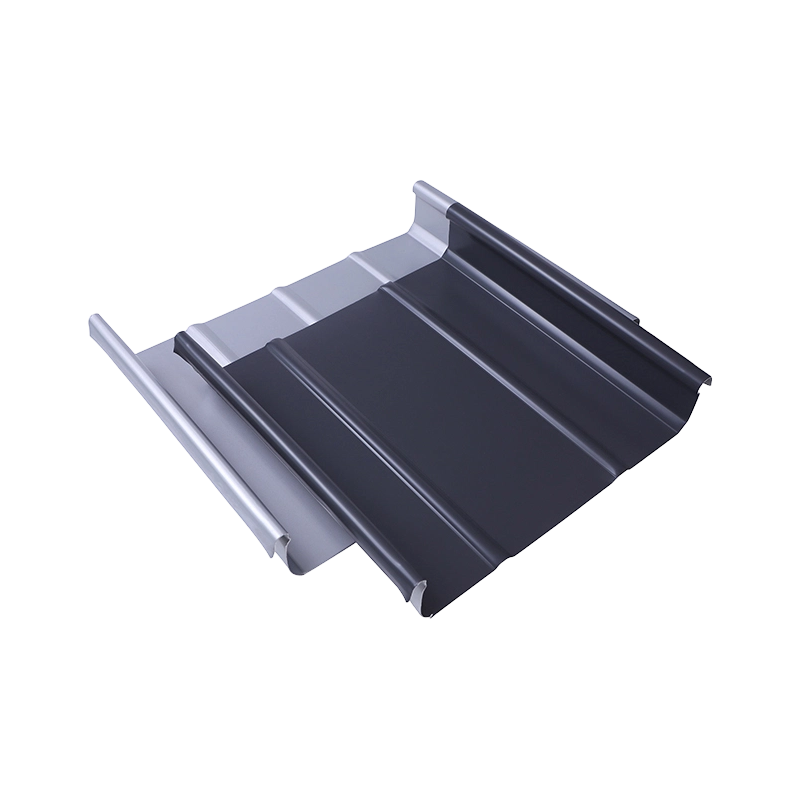
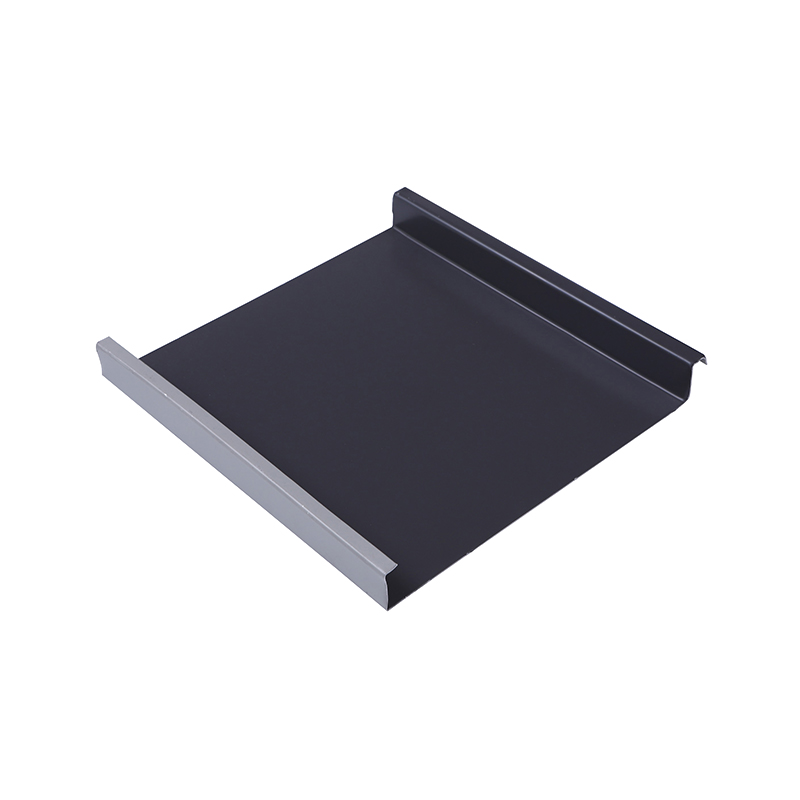
Metal roofing refers to a roofing system that uses sheet metal as the roofing material, integrating the structural layer and waterproofing layer into one. There are many types of metal sheets, includi...
READ MORE
What are the types of metal roofing materials?
Update:04 Jun 2026
Metal roofing refers to a roofing system that uses metal sheets as the roofing material, integrating the structural layer and waterproofing layer into one. There are many types of metal sheets, including galvanized sheets, aluminized zinc sheets, aluminum alloy sheets, aluminum-magnesium alloy sheets, titanium alloy sheets, copper sheets, and stainless steel sheets. The surface of the sheets can be painted, primarily with PE/PE, SMP/PE, HDP/PE, and PVDF/PE coatings. Painting can extend the lifespan of the sheets to 5-8 years, 10-15 years, 15-20 years, and 20-25 years or more, respectively.
The thickness is generally 0.4–1.5 mm, and the surface of the sheets is usually coated. Due to differences in material and coating quality, some sheets can have a lifespan of over 50 years. The sheets come in various shapes and sizes; some are composite sheets, where an insulation layer is laminated between two layers of metal sheets, while others are single-layer sheets. During construction, some sheets are prefabricated in the factory and assembled on-site, while others are fabricated on-site according to the needs of the roofing project. The insulation layer can be pre-laminated in the factory or fabricated on-site. Therefore, metal sheet roofing comes in various forms and is used in everything from large public buildings to factories, warehouses, and residences. The regulations stipulate that metal sheet roofing is applicable to roofs with waterproofing grades I to III.
The main materials used for metal roofing include: aluminum-magnesium-manganese sheets, titanium-zinc sheets, bronze, and stainless steel sheets.
1. Aluminum sheets are alloy materials made by hot rolling aluminum, magnesium, and manganese in a certain proportion. The constituent elements determine the material's characteristics, which in turn determine its applications.
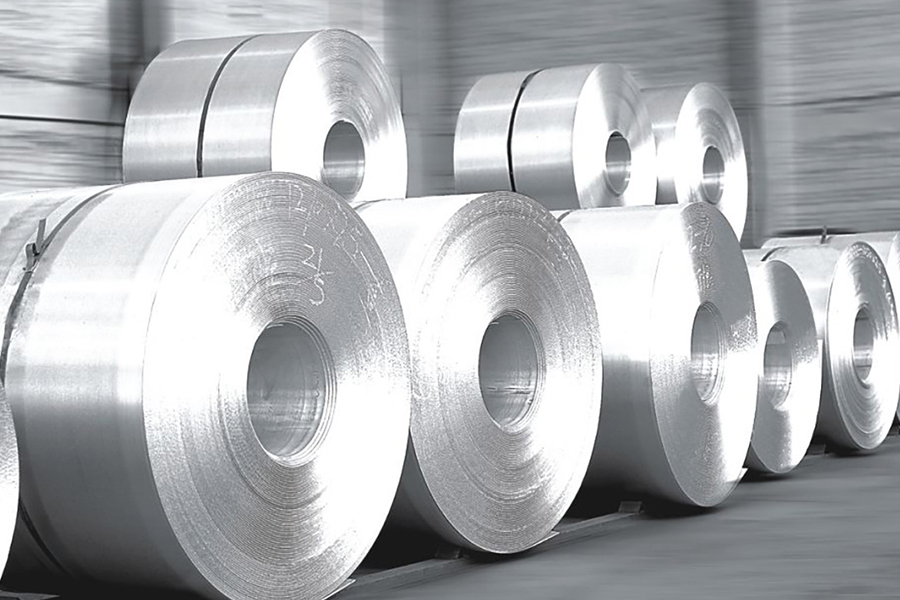
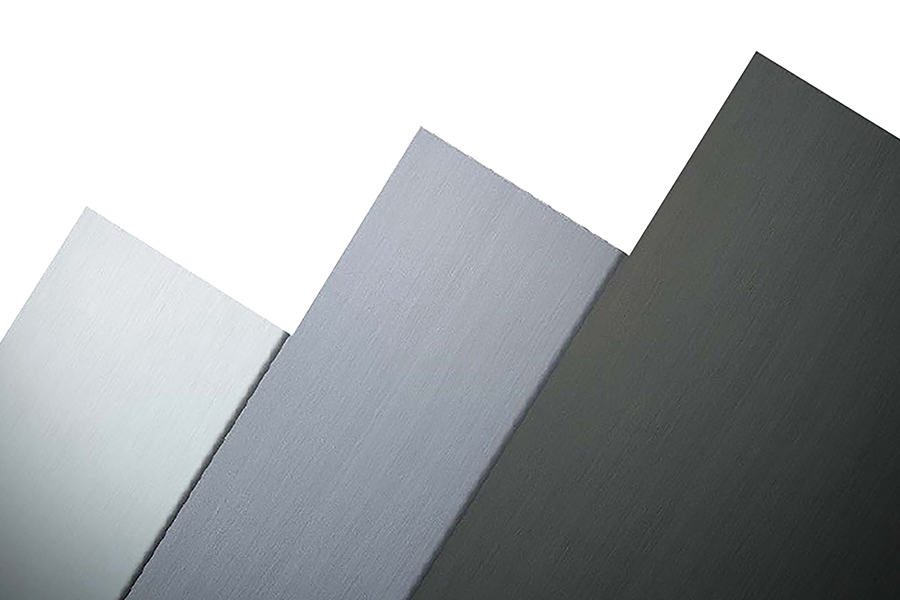
2. Titanium-zinc sheets are zinc-copper-titanium alloy sheets. Their main component is zinc, with small amounts of copper and titanium added. The titanium content ranges from 0.06% to 0.20%. The addition of titanium improves the alloy's resistance to deformation, preventing it from weakening its strength after thermal expansion and contraction, and also enhances its corrosion resistance. Titanium-zinc alloys offer performance superior to traditional zinc products in terms of mechanical strength, thermal resistance, and coefficient of thermal expansion. Compared to other metal roofing and curtain wall materials used in construction, titanium-zinc steel sheets offer superior corrosion resistance and lifespan compared to galvanized steel sheets and aluminum alloy sheets. They also feature a gray/blue-gray appearance with a biomimetic, self-healing surface, and excellent overall cost-effectiveness. Therefore, titanium-zinc steel sheets demonstrate significant advantages as interior and exterior wall and decorative materials for public buildings (especially landmark buildings), such as airports, convention centers, theaters, stadiums, high-end residences, and high-end office buildings.
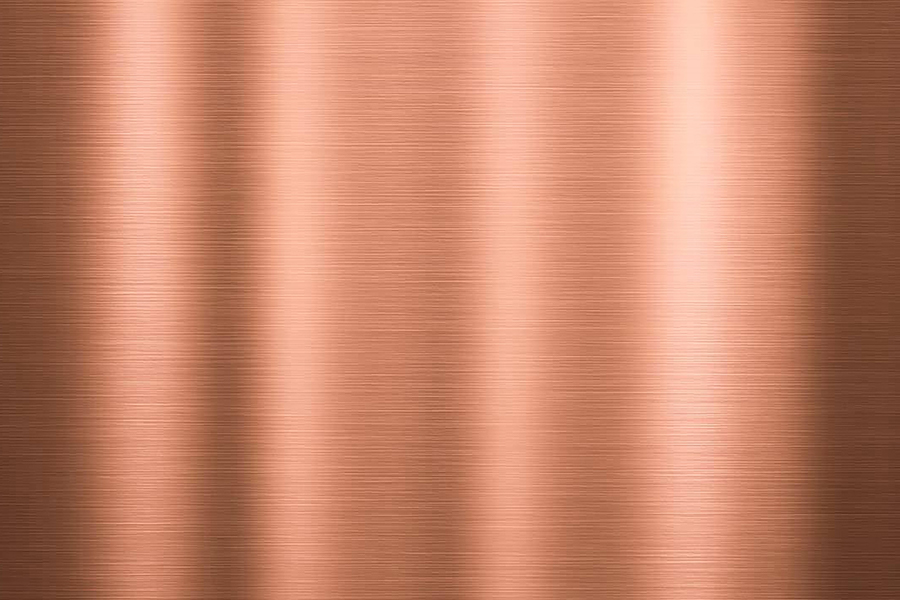
3. Copper: Copper accounts for approximately 0.006% of the Earth's crust, currently estimated to be the 23rd most abundant metal. Copper and gold are colored metals. Due to its high corrosion resistance, ease of processing, and unique, natural appearance, copper sheets are highly suitable as roofing and wall materials.
4. Stainless Steel: Stainless steel is short for stainless and acid-resistant steel. Steels resistant to weak corrosive media such as air, steam, and water are called stainless steel; while steels resistant to chemical corrosion are called acid-resistant steel.
Recommended Products
News
-
-
Field Notes — Roofing Performance Do Flat Metal Tiles Really Outperform Corrugated Sheets in the Wind? A close read of uplift ratings, fastening geometry, and long-term fatigue — and what they mean ...
READ MORE -
Titanium-zinc roofing/wall materials have been used for nearly two centuries and are widely used in major European cities such as Paris, London, and Rome. Many buildings in these cities use titanium-z...
READ MORE -
For wooden-structured guesthouses, the roof is not only the foundation for shelter from wind and rain, but also the key to creating a sense of atmosphere. The warm texture of the natural wood requires...
READ MORE

 DOWNLOAD
Copyright © Suzhou Donghong Metal Materials Technology Co., Ltd.
All Rights Reserved.
 Custom Metal Roofing Sheets Manufacturers
Custom Metal Roofing Sheets Manufacturers


QUICK LINKS
PRODUCT
CONTACT US
-
 Email: DonghongMetal@outlook.com
 -
 WahtsApp: +86 18036113307
 -
 Mobile Phone: +86-185 5030 2515
 -
 WhatsApp Business: 852-55025164
 -
 Address: No. 16 Hongyun Road, Fuqiao Town, Taicang City, Suzhou, Jiangsu Province, China