LANGUAGE
 English
 Español
 عربى
عربى

How Should Project Buyers Evaluate Flat Roof Tiles for Different Building Environments?
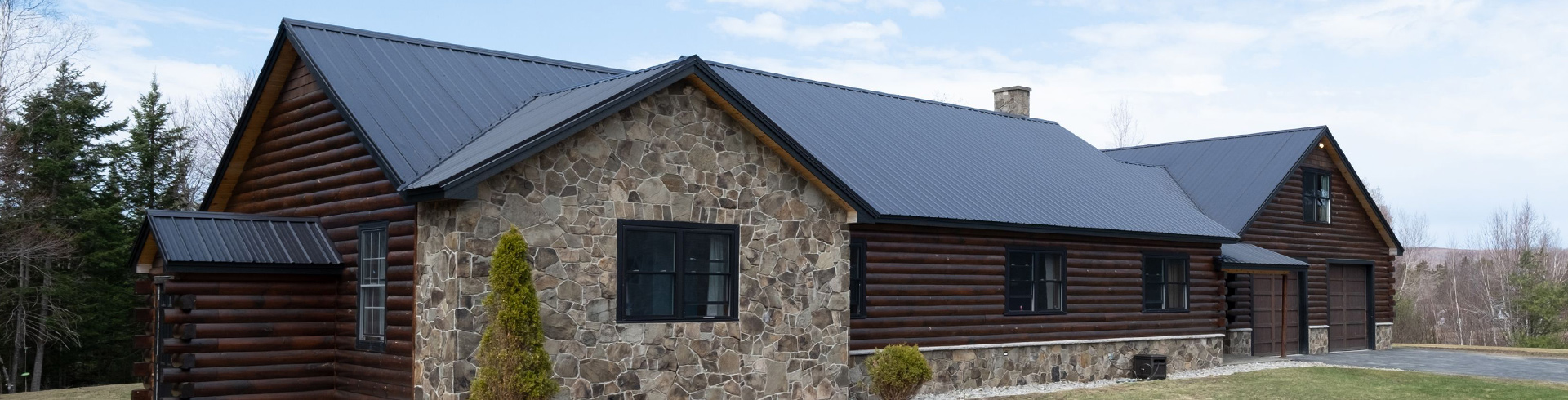
Flat Roof Tiles are an important part of modern roof construction, but choosing the right product requires more than comparing appearance and unit price. For commercial buildings, residential developments, public facilities, industrial buildings, hotels, renovation projects, and other architectural applications, the roof needs to provide a suitable combination of weather protection, structural compatibility, durability, installation efficiency, and visual appeal. Therefore, project buyers should evaluate Flat Roof Tiles according to the actual building environment, roof geometry, climate conditions, expected service requirements, and overall architectural concept.
The term “flat” generally refers to the relatively low-profile appearance of the tile rather than suggesting that the complete roof should be installed without any slope. Water drainage remains an important consideration. The appropriate roof pitch, overlap configuration, flashing, valleys, ridge details, and drainage routes should be determined according to the specific roofing system. If these factors are not coordinated during the design stage, even a high-quality tile may not deliver the expected performance.
For professional procurement, material selection is another important issue. Different metals have different characteristics in terms of weight, corrosion resistance, forming performance, thermal movement, appearance, and cost. Aluminum and aluminum-based alloys can be attractive for projects where lightweight construction and corrosion resistance are priorities, while steel products may be selected according to strength, availability, budget, and project specifications. The correct choice should always be based on the complete application rather than a single product characteristic.
Suzhou Donghong Metal Materials Technology Co., Ltd. can provide a useful manufacturing resource for projects requiring architectural metal roofing and wall materials. Located in Taicang, Suzhou, a city known as the “Hometown of German Enterprises,” the company is adjacent to Shanghai and separated from Nantong by a river. This location provides convenient transportation and logistics conditions for domestic and international construction-material projects. The company specializes in the research, development, manufacturing, processing, sales, and installation of metal roofing and wall materials.
What Factors Determine the Suitability of Flat Roof Tiles?
The first factor is the project environment. A building in a coastal area may face higher humidity and salt exposure, while a project in an inland area may be more concerned with temperature fluctuations, snow, strong sunlight, or dust. These conditions can influence the appropriate material and surface treatment.
The second factor is the roof structure. Buyers should understand the supporting system, roof pitch, insulation arrangement, drainage design, and expected loading conditions before selecting the tile. A product should be compatible with the complete roof assembly.
The third factor is the desired architectural appearance. Flat Roof Tiles can provide a restrained and organized appearance, but the finished effect is also influenced by tile dimensions, joint spacing, color, coating, and installation direction.
| Selection factor | What should be evaluated? | Why it matters |
|---|---|---|
| Building environment | Humidity, rainfall, wind, UV exposure, temperature | Determines environmental requirements |
| Base material | Aluminum, steel, alloy, etc. | Influences weight and durability |
| Thickness | Required material specification | Affects rigidity and handling |
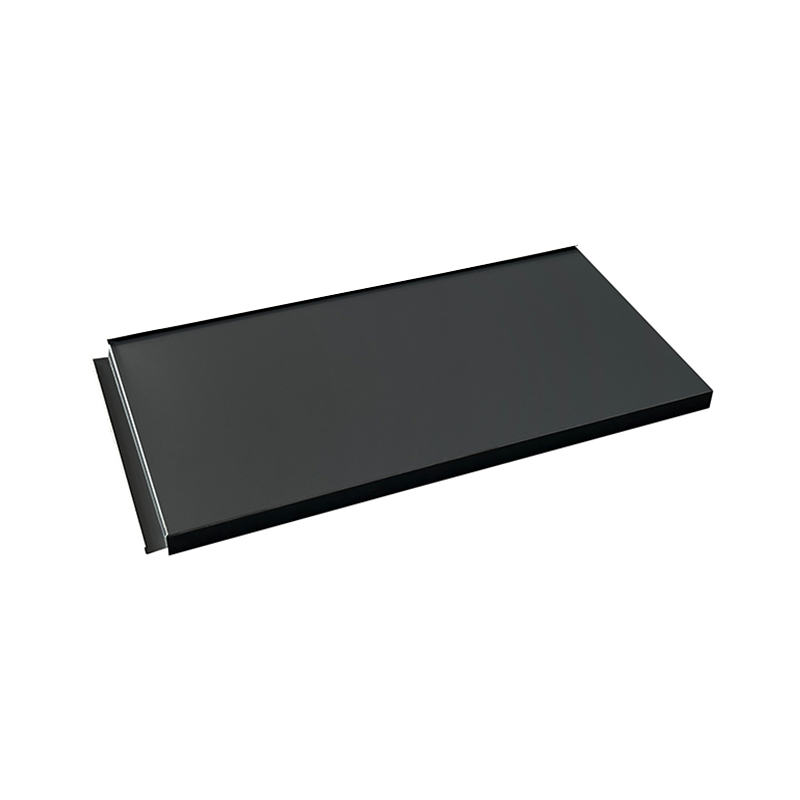
| Tile dimensions | Length, width, and coverage | Influences installation efficiency |
| Surface finish | Coating, paint, metallic finish | Affects appearance and protection |
| Roof pitch | Compatibility with the roofing system | Supports drainage |
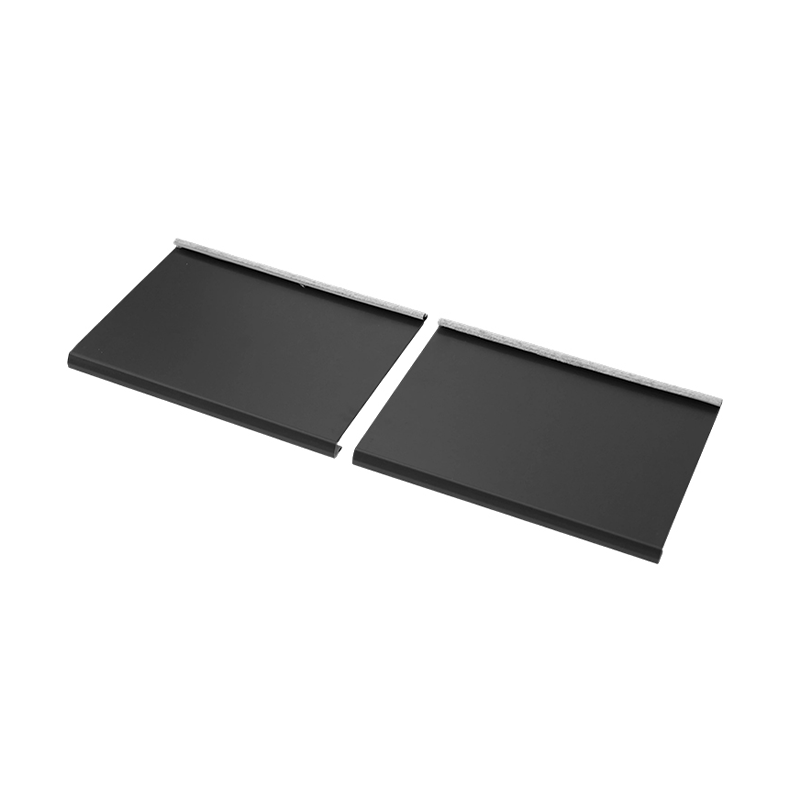
| Connection method | Overlap, clip, fastener, or concealed fixing | Influences installation |
| Accessories | Ridge, flashing, edge, valley components | Completes the roof system |
| Maintenance | Cleaning and inspection requirements | Influences long-term management |
Why Is Roof Pitch Important When Selecting Flat Roof Tiles?
Roof pitch should be considered at the beginning of product selection because it directly affects water movement. A roof that appears visually flat may still require a carefully designed slope so that rainwater can move toward gutters, drains, or other designated discharge points.
Buyers should provide roof drawings and pitch information to the manufacturer whenever possible. This enables the supplier to evaluate whether the proposed Flat Roof Tiles are appropriate for the application and whether additional detailing is needed around ridges, valleys, parapets, skylights, and roof penetrations.
How Does Climate Influence Material and Surface Selection?
Environmental exposure can influence the long-term performance of roofing materials. High humidity and salt-laden air can increase corrosion concerns, while intense sunlight makes surface stability and coating performance more important. Areas with significant temperature changes also require consideration of thermal expansion and contraction.
For this reason, the substrate and surface finish should be selected together. Buyers should ask for specific material and coating information instead of relying on general descriptions such as “weather resistant” or “durable.”
Why Should Buyers Evaluate the Complete Roofing System?
Flat Roof Tiles are only one component of a complete roof. Supporting structures, insulation, underlayment where applicable, fasteners, clips, flashing, drainage components, ridge details, and edge treatments all contribute to overall performance. Considering the entire system from the beginning can reduce design conflicts and installation modifications.
Which Manufacturing and Design Features Can Improve the Performance of Flat Roof Tile Systems?
The quality of Flat Roof Tiles depends not only on the selected metal but also on how the material is processed. For large architectural projects, manufacturing precision becomes especially important because hundreds or thousands of individual tiles may need to work together to form one continuous roof surface. Small differences in dimensions, profile geometry, color, or finish can become visible when repeated across a large area.
A professional manufacturing process should control raw materials, forming, dimensions, surface quality, inspection, packaging, and batch consistency. These steps help ensure that products arriving at the construction site correspond to the approved specifications.
Dimensional accuracy is particularly important for flat-profile roofing. If tile widths or lengths vary beyond the expected tolerance, installers may have difficulty maintaining consistent overlaps and joint lines. This can affect not only appearance but also installation efficiency. A manufacturer should therefore establish appropriate inspection procedures throughout production rather than checking only a small number of finished products.
For customized projects, manufacturing capability becomes even more important. Architectural roofs may include unusual dimensions, multiple slopes, roof openings, curved areas, parapets, skylights, and transitions. A manufacturer capable of adapting product dimensions and accessories to project drawings can help reduce unnecessary cutting and field fabrication.
Suzhou Donghong Metal Materials Technology Co., Ltd. has a product portfolio covering several architectural metal systems, including standing seam aluminum-magnesium-manganese roofing systems, metal curtain wall systems, flat interlocking roofing and cladding systems, antique-style metal glazed tile systems, external wall insulation systems, and metal concealed-lock barrel tile roofing systems. This range demonstrates an approach that considers roofing and wall materials as interconnected parts of the building envelope.
Why Does Dimensional Accuracy Matter for Flat Roof Tiles?
Flat Slate Roof Tiles are installed as repeated modules. When each module maintains consistent dimensions, installers can establish predictable overlaps and alignment. This is particularly important on large roofs where even a small dimensional deviation can become increasingly noticeable across multiple rows.
Dimensional accuracy also contributes to material planning. If actual tile dimensions correspond closely to the approved drawings, quantity calculations become more reliable and field waste can potentially be reduced.
| Manufacturing element | Quality-control focus | Project benefit |
|---|---|---|
| Raw material | Thickness and material consistency | Supports stable production |
| Forming | Profile and edge accuracy | Improves tile compatibility |
| Dimensions | Length, width, and tolerance | Supports consistent installation |
| Surface | Scratches, dents, coating defects | Protects finished appearance |
| Color | Batch consistency | Maintains visual uniformity |
| Connection details | Fixing and overlap accuracy | Supports installation |
| Inspection | Sampling and final checks | Helps identify defects |
| Packaging | Protection during handling | Reduces transportation damage |
How Can Surface Finishes Influence Roofing Performance?
The surface finish affects both appearance and environmental resistance. Depending on the selected material and manufacturing process, a roofing product may use a painted coating, metallic finish, protective coating, or other surface treatment.
Buyers should compare specific finish specifications rather than simply asking whether the product is coated. Coating type, surface appearance, color stability, gloss, and environmental suitability may all be relevant to the final application.
For large projects, consistency between production batches is particularly important. A roof using the same color across a large area can show noticeable differences if one batch has a different gloss or tone.
How Do Accessories Affect the Final Roof?
A complete roofing project normally requires more than the main tiles. Ridge components, flashing, valleys, edge trims, fasteners, clips, transition components, and other details may be required according to the design.
When accessories are coordinated with the main Flat Roof Tiles, installers can reduce field modifications and improve the visual consistency of the finished roof. Buyers should therefore request a complete component list when comparing different suppliers.
Why Is Custom Production Useful for Large Construction Projects?
Customization allows the manufacturer to work from actual building dimensions rather than forcing a standard product into a non-standard roof. This can be particularly useful for projects with complicated roof geometry.
Before production, buyers can provide architectural drawings, roof plans, elevations, dimensions, and special-detail requirements. The manufacturer can then review the information and determine appropriate tile dimensions, quantities, and accessories.
How Can Flat Roof Tiles Manufacturers Improve Large-Scale Procurement and Project Delivery?
For large construction projects, the manufacturer’s role extends beyond producing roofing materials. Consistent manufacturing, technical communication, customization, packaging, logistics, and installation support can all influence whether the project progresses smoothly.
A professional Flat Roof Tiles Manufacturer should be able to convert project requirements into practical production specifications. This may include reviewing drawings, confirming material specifications, determining tile dimensions, calculating quantities, identifying accessories, coordinating packaging, and arranging production according to the construction schedule.
For international procurement, logistics becomes especially important. Roofing materials may need to travel long distances before installation, and inappropriate packaging can result in scratches, deformation, moisture exposure, or other damage. Clear labeling can also help construction teams identify different product specifications and installation zones.
Suzhou Donghong Metal Materials Technology Co., Ltd. is located in Taicang, Suzhou, with convenient access to Shanghai and surrounding transportation networks. The company specializes in research and development, manufacturing, processing, sales, and installation of metal roofing and wall materials. This integrated capability allows the company to approach products from both manufacturing and practical installation perspectives.
Its product portfolio includes standing seam aluminum-magnesium-manganese roofing systems, metal curtain wall systems, flat interlocking roofing and cladding systems, antique-style metal glazed tile systems, external wall insulation systems, and metal concealed-lock barrel tile roofing systems. Such a broad range can be useful when a construction project requires different types of metal envelope materials to coordinate with one another.
What Technical Information Should Buyers Confirm Before Ordering?
A complete technical specification should be prepared before mass production. The specification should clearly identify the product, material, thickness, dimensions, profile, surface finish, color, connection method, accessories, packaging requirements, inspection requirements, and delivery schedule.
For customized projects, architectural drawings should be submitted as early as possible. This gives the manufacturer sufficient time to review the project and determine the appropriate production configuration.
| Procurement category | Recommended information |
|---|---|
| Product | Flat Roof Tiles |
| Material | Aluminum, steel, alloy, or specified material |
| Thickness | Required material thickness |
| Dimensions | Length, width, and coverage |
| Profile | Flat or customized profile |
| Surface | Color, coating, gloss, and texture |
| Application | Residential, commercial, public, industrial, etc. |
| Accessories | Ridge, flashing, edge, valley, fasteners |
| Quantity | Total area and estimated quantity |
| Packaging | Transportation and storage requirements |
| Quality | Dimensional and surface requirements |
| Delivery | Production and shipping schedule |
How Can Early Technical Coordination Reduce Project Costs?
Early coordination can reduce unnecessary changes after production has started. If the manufacturer receives roof drawings before quoting, it can better understand the number of tiles required, the dimensions needed at roof edges, and the special components necessary around openings and transitions.
This may also reduce material waste. A well-planned tile layout can minimize unnecessary cutting and help determine where customized components may be more efficient than standard pieces.
For international projects, this process is even more valuable because modifications after shipment may involve significant additional transportation and labor costs.
Why Are Packaging and Logistics Important for Flat Roof Tiles?
Roofing products can experience repeated handling during manufacturing, loading, shipping, unloading, storage, and installation. Packaging should therefore protect the surface and geometry of the tiles throughout the logistics process.
For large orders, products can also be grouped and labeled according to specifications, roof areas, or installation sequences. This helps construction teams locate the required materials more efficiently.
How Should Buyers Compare Different Flat Roof Tiles Manufacturers?
The lowest quotation is not always the lowest project cost. Buyers should compare product specifications on an equal basis and consider the full procurement process.
Important evaluation points include manufacturing consistency, customization capability, production capacity, quality control, packaging, delivery reliability, technical support, accessory availability, and installation experience. A supplier capable of supporting several stages of the project can potentially reduce communication gaps between product design and construction.
For projects requiring multiple types of architectural metal materials, it can also be useful to work with a manufacturer that understands roofing, cladding, curtain wall, and insulation systems. This can help improve coordination between different parts of the building envelope.
FAQ: What Should Buyers Know Before Purchasing Flat Roof Tiles?
Are Flat Roof Tiles Suitable for Commercial Buildings?
Yes. Flat Roof Tiles can be considered for commercial buildings, hotels, public facilities, residential developments, renovation projects, and other architectural applications. Their suitability depends on the material, profile, roof structure, climate, drainage design, and installation system.
Does a Flat Roof Tile Require a Sloped Roof?
The answer depends on the specific roofing system. A flat-profile tile does not necessarily mean that the complete roof should be completely level. Appropriate drainage should be incorporated into the roof design, and buyers should confirm compatible roof-pitch requirements with the manufacturer.
What Materials Are Commonly Used for Flat Roof Tiles?
Depending on the manufacturer and project specification, materials may include aluminum, steel, aluminum alloys, and other suitable architectural metals. The appropriate material depends on environmental exposure, weight requirements, durability, appearance, and budget.
Can Flat Roof Tiles Be Manufactured to Custom Dimensions?
Depending on the production capability, manufacturers may offer customized dimensions, thicknesses, profiles, colors, and surface finishes. Buyers should provide detailed drawings and specifications before production to confirm feasibility.
What Accessories Are Needed for a Flat Roof Tile System?
Depending on the roof design, accessories may include ridge components, flashing, valley details, edge trims, fasteners, clips, transitions, and other supporting elements. The exact configuration should be determined according to the complete roofing system.
How Can Buyers Reduce Waste When Ordering Flat Roof Tiles?
Providing accurate roof drawings before production allows the manufacturer to optimize tile dimensions and quantities. Coordinating tile layouts around roof edges, openings, ridges, valleys, and other complicated areas can help reduce unnecessary cutting and field modification.
Why Is Manufacturing Consistency Important?
Flat Roof Tiles are repeated across the roof surface. Differences in dimensions, profile, color, or finish can become visible when large quantities are installed. Consistent raw materials, forming processes, inspection procedures, and batch management are therefore important for large architectural projects.
What Information Should Be Included in a Flat Roof Tiles Inquiry?
A professional inquiry should ideally include the roof area, architectural or roof drawings, roof pitch, preferred material, thickness, tile dimensions, color, surface finish, project location, estimated quantity, accessories, and expected delivery schedule. More complete information allows the manufacturer to prepare a more accurate technical proposal and quotation.

 DOWNLOAD