LANGUAGE
 English
 Español
 عربى
عربى
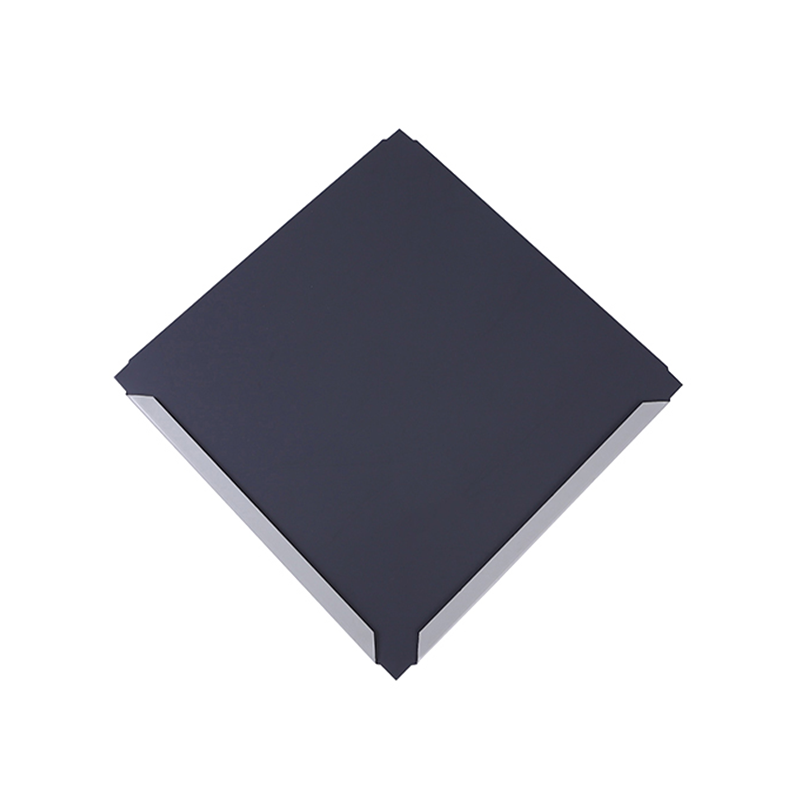
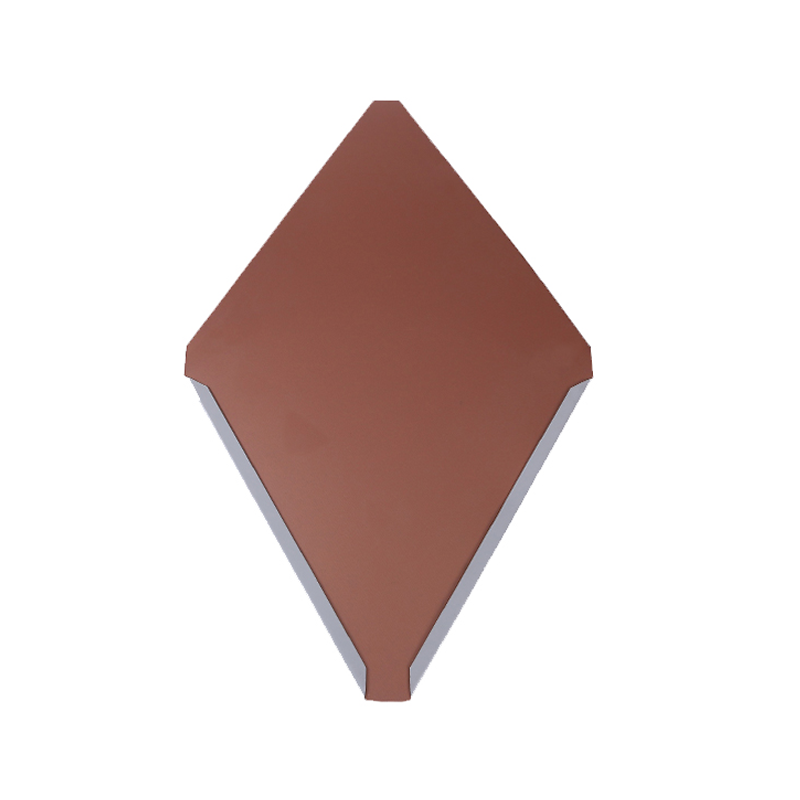
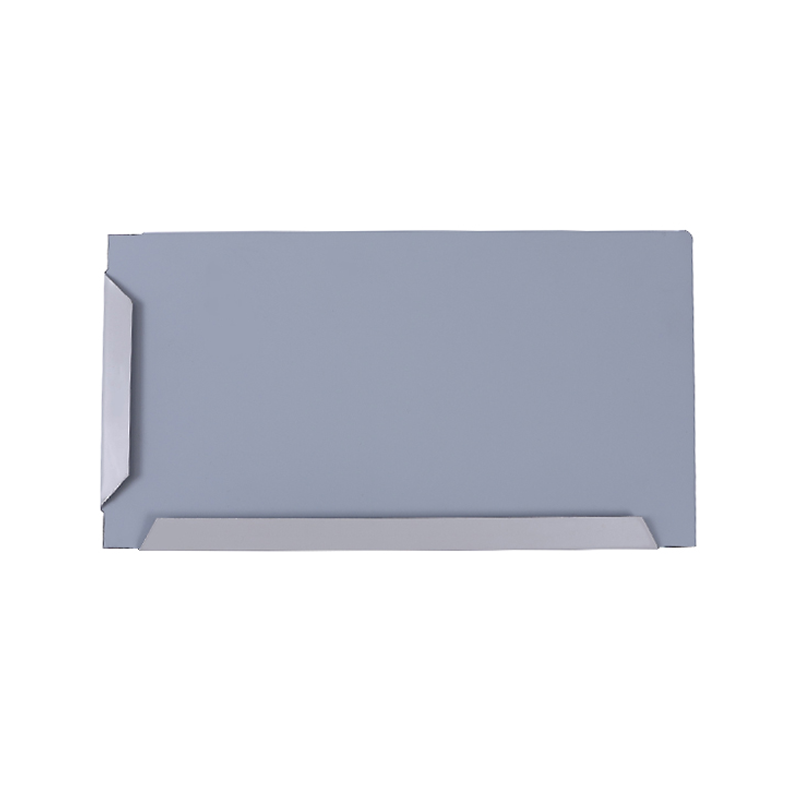

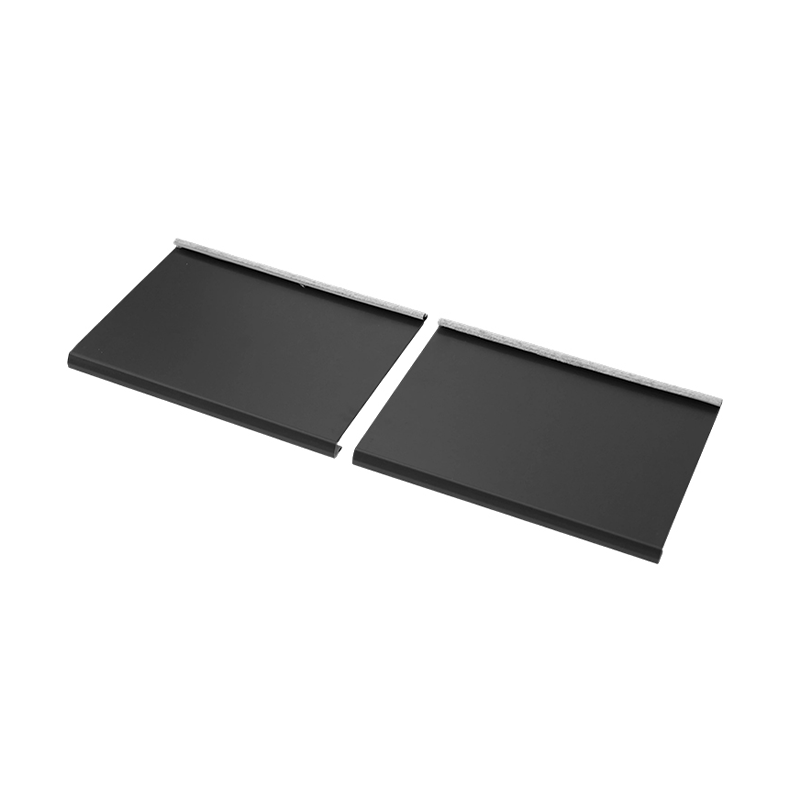
Standing seam metal and asphalt shingles are the two names you will hear most often when it is time to re-roof. The decision affects not only what you pay this year, but how often you will be back up...
READ MORE
Industry News
Standing Seam Metal Roof Panels: Cost, Materials & Install Guide
Update:18 Aug 2026
Content
- 1 What Makes Standing Seam Panels Different From Other Metal Roofing
- 2 Material Options and How They Affect Price Per Square Foot
- 3 Panel Width and Coverage: What Actually Ships to the Job Site
- 4 Installation Steps That Determine Long-Term Performance
- 5 Comparing Standing Seam to Other Roofing Systems
- 6 Energy Savings From Reflective Panel Finishes
- 7 Maintenance That Actually Extends Panel Life
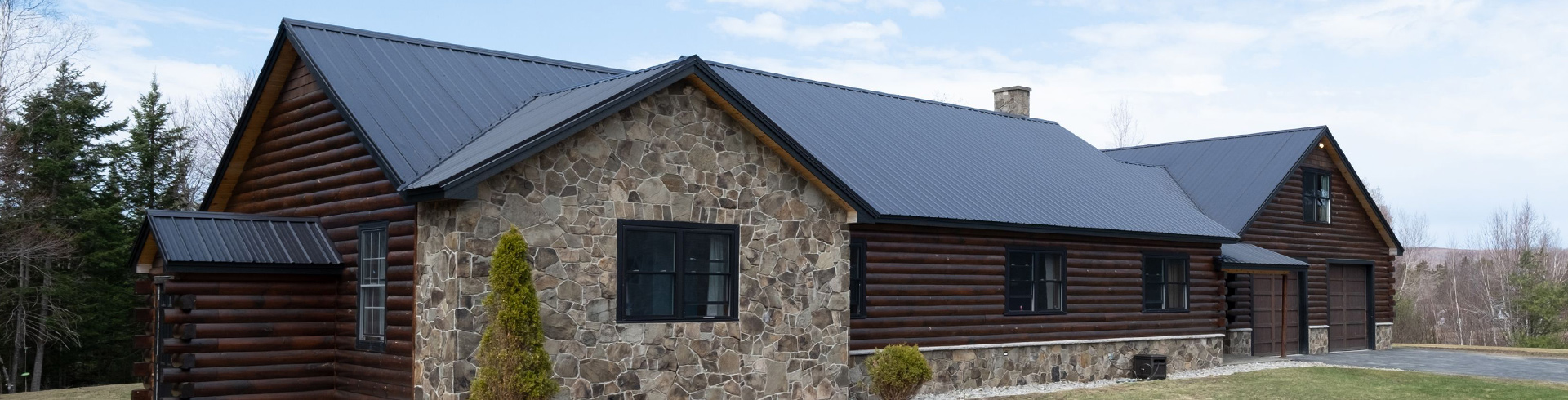
Standing seam metal roof panels last 40 to 70 years and cost between $9 and $16 per square foot installed, making them one of the most durable roofing investments available for both residential and commercial buildings. Unlike traditional exposed-fastener panels, the raised seam design conceals every screw and clip beneath interlocking ribs, which is the main reason these systems outperform almost every other roofing material on the market when it comes to leak prevention and longevity.
Builders and homeowners increasingly choose this panel style not just for looks but for the measurable performance gains it delivers over three-tab shingles, corrugated metal, or membrane roofing. The sections below break down exactly what makes standing seam panels different, what they cost, and how to decide if they're the right fit for a specific project.
What Makes Standing Seam Panels Different From Other Metal Roofing
A standing seam roof panel is defined by its vertical rib, which rises 1 to 2 inches above the flat pan of the panel and locks into the adjoining panel without exposing any fasteners to the weather. This is a structural distinction, not just a cosmetic one. Exposed-fastener panels rely on rubber washers that degrade within 10 to 15 years, while standing seam systems use hidden clips that allow the metal to expand and contract with temperature changes without stressing the fastener points.
Seam Types and How They Lock Together
Three seam profiles dominate the market, and each one affects installation method and final water resistance:
- Snap-lock seams — panels click together by hand pressure, reducing labor time but requiring precise panel alignment
- Mechanically seamed panels — a motorized seamer crimps the seam to 90 or 180 degrees, producing the highest wind and water resistance rated for low-slope applications
- Batten seam panels — a cap snaps over the seam, common on architectural and historic-style buildings
Material Options and How They Affect Price Per Square Foot
Panel material has the single biggest impact on both upfront cost and lifespan. Steel panels run $9 to $12 per square foot installed, while aluminum and zinc push the range to $14 to $22, largely due to raw material pricing and corrosion resistance differences.
| Material | Cost Per Sq Ft (Installed) | Expected Lifespan | Best Suited For |
|---|---|---|---|
| Galvanized Steel | $9 - $12 | 40 - 60 years | Residential, moderate climates |
| Galvalume Steel | $10 - $13 | 50 - 60 years | General residential/commercial |
| Aluminum | $14 - $19 | 50 - 70 years | Coastal, high-salt environments |
| Zinc | $18 - $22 | 80 - 100+ years | High-end architectural projects |
| Copper | $20 - $30 | 100+ years | Historic restoration, premium builds |
For most residential projects, 24-gauge or 26-gauge steel offers the best balance of cost and durability. 26-gauge panels resist hail impact rated up to Class 4, the highest impact rating recognized by most insurance carriers, which can translate into lower premium costs in hail-prone regions.
Panel Width and Coverage: What Actually Ships to the Job Site
Standing seam panels are typically roll-formed either at a factory or on-site using a portable seamer, and coverage width varies by manufacturer and profile. Most panels cover 12, 16, or 18 inches after overlap, and understanding this number matters because it directly determines how many panels a project needs and where seams will fall relative to roof penetrations like vents and skylights.
Why On-Site Roll Forming Is Gaining Popularity
On-site roll forming eliminates transverse seams by producing panels in a single continuous run from eave to ridge, regardless of roof length. This reduces the number of potential leak points to zero along the panel's length, compared to factory-cut panels that may require field splices on runs longer than 40 feet. Contractors who invest in portable roll formers report installation time reductions of roughly 20 to 30 percent on large commercial roofs since panels arrive pre-cut to exact length with no on-site trimming waste.
Installation Steps That Determine Long-Term Performance
Panel quality only matters if installation follows a correct sequence. A poorly installed premium panel will fail faster than a well-installed budget one, which is why the underlying assembly deserves as much attention as the panel choice itself.
- Install a synthetic underlayment or high-temperature ice-and-water shield across the full deck, with extra layers at eaves and valleys
- Attach clips at manufacturer-specified spacing, typically every 12 to 24 inches depending on wind load requirements
- Set the first panel plumb against a chalk line, since even a small starting error compounds across the full roof width
- Snap or seam each subsequent panel, checking seam engagement every few panels rather than only at the end
- Install trim, flashing, and closures at ridges, rakes, and penetrations using butyl tape rather than exposed sealant alone
One detail that separates a 15-year roof from a 50-year roof is thermal movement allowance. Steel panels expand and contract roughly 1 inch per 100 feet with a 100°F temperature swing, so clips must be designed to let the panel float rather than pinning it rigidly, which is a common mistake among installers unfamiliar with metal roofing specifically.
Comparing Standing Seam to Other Roofing Systems
Homeowners comparing options often weigh standing seam against asphalt shingles or exposed-fastener metal roofing. The numbers make the tradeoffs clear.
| Feature | Standing Seam | Exposed-Fastener Metal | Asphalt Shingles |
|---|---|---|---|
| Average Lifespan | 40 - 70 years | 20 - 30 years | 15 - 25 years |
| Fastener Exposure | Hidden | Exposed | Nailed under tabs |
| Minimum Roof Slope | 1/4:12 (mechanically seamed) | 3:12 | 2:12 - 4:12 |
| Cost Per Sq Ft (Installed) | $9 - $16 | $5 - $8 | $4 - $7 |
The slope tolerance is a practical advantage worth noting. Mechanically seamed panels can be installed on roofs with as little as a 1/4:12 pitch, which is why they show up so often on modern low-slope commercial and residential designs where shingles simply aren't a viable option.
Energy Savings From Reflective Panel Finishes
Standing seam panels finished with cool-roof coatings can reflect a significant portion of solar radiation rather than absorbing it into the building envelope. Cool-roof rated standing seam panels can lower attic temperatures by 20 to 40°F compared to a dark asphalt shingle roof during peak summer conditions, according to data reported by the Cool Roof Rating Council. This translates into measurable reductions in air conditioning load, particularly in single-story homes with limited attic insulation.
Many utility companies and municipalities offer rebates for ENERGY STAR-certified metal roofing, and some jurisdictions apply reduced insurance premiums for Class 4 impact-resistant panels combined with reflective coatings, so it's worth checking local programs before finalizing a color or finish selection.
Maintenance That Actually Extends Panel Life
Standing seam roofs require far less maintenance than shingle roofs, but they aren't maintenance-free. A short annual routine prevents the majority of issues that lead to premature failure.
- Clear debris from valleys and around penetrations twice a year to prevent water pooling against seams
- Inspect sealant at flashing points every 2 to 3 years, since butyl tape and sealants degrade faster than the panel itself
- Check for galvanic corrosion where dissimilar metals contact the panel, such as copper gutters draining onto steel panels
- Rinse coastal or industrial-area roofs periodically to remove salt or chemical residue that accelerates coating breakdown
Following this schedule is a major reason manufacturers can offer finish warranties of 30 to 40 years on paint systems like PVDF (Kynar 500), which resist chalking and fading far longer than standard polyester coatings.
Recommended Products
News
-
-
Aluminium shingles roofing is one of those materials that sounds simple until you start comparing profiles, thicknesses, coatings, and fastening methods. A metal shingle is not one product; it is a f...
READ MORE -
Metal roofing refers to a roofing system that uses metal sheets as the roofing material, integrating the structural layer and waterproofing layer into one. There are many types of metal sheets, includ...
READ MORE -
Flat roof tiles are low-profile roofing units built for roofs with a pitch under roughly 10 to 15 degrees, where standard sloped tiles can't shed water fast enough on their own. Instead of relying pu...
READ MORE

 DOWNLOAD
Copyright © Suzhou Donghong Metal Materials Technology Co., Ltd.
All Rights Reserved.
 Custom Metal Roofing Sheets Manufacturers
Custom Metal Roofing Sheets Manufacturers


QUICK LINKS
PRODUCT
CONTACT US
-
 Email: DonghongMetal@outlook.com
 -
 WahtsApp: +86 18036113307
 -
 Mobile Phone: +86-185 5030 2515
 -
 WhatsApp Business: 852-55025164
 -
 Address: No. 16 Hongyun Road, Fuqiao Town, Taicang City, Suzhou, Jiangsu Province, China