LANGUAGE
 English
 Español
 عربى

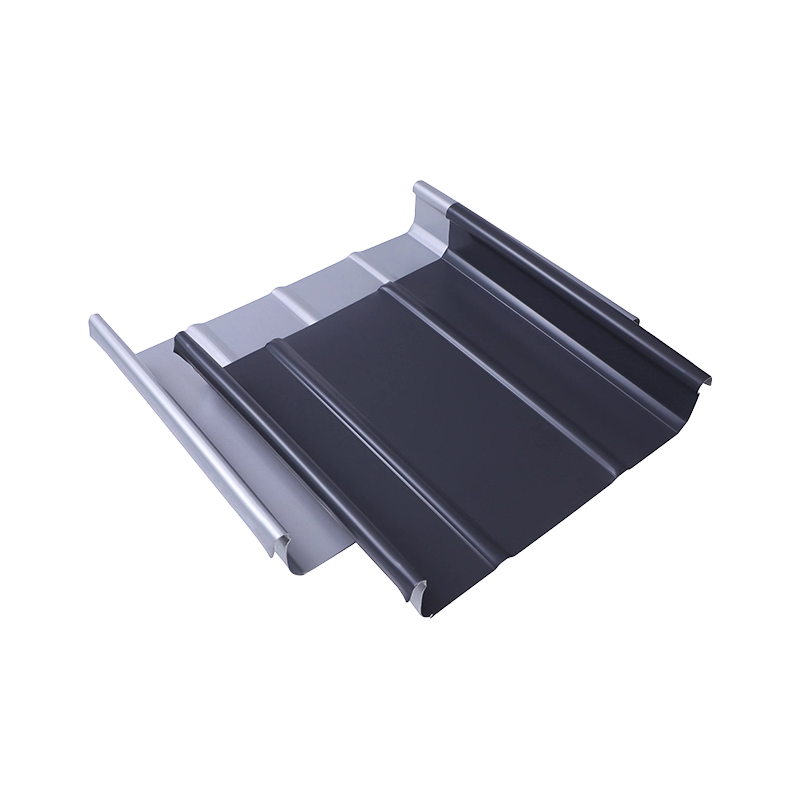
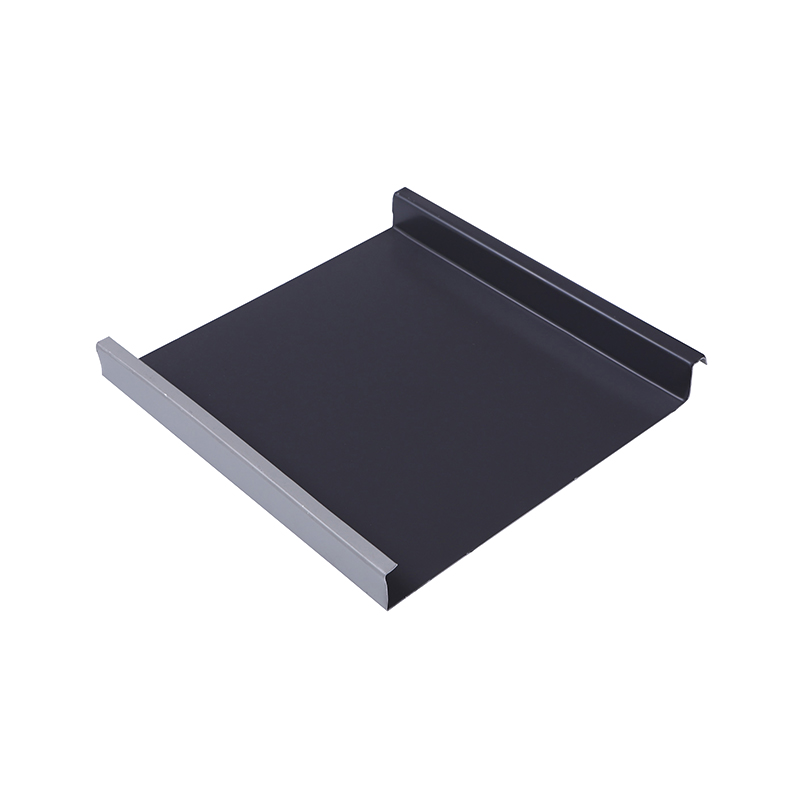
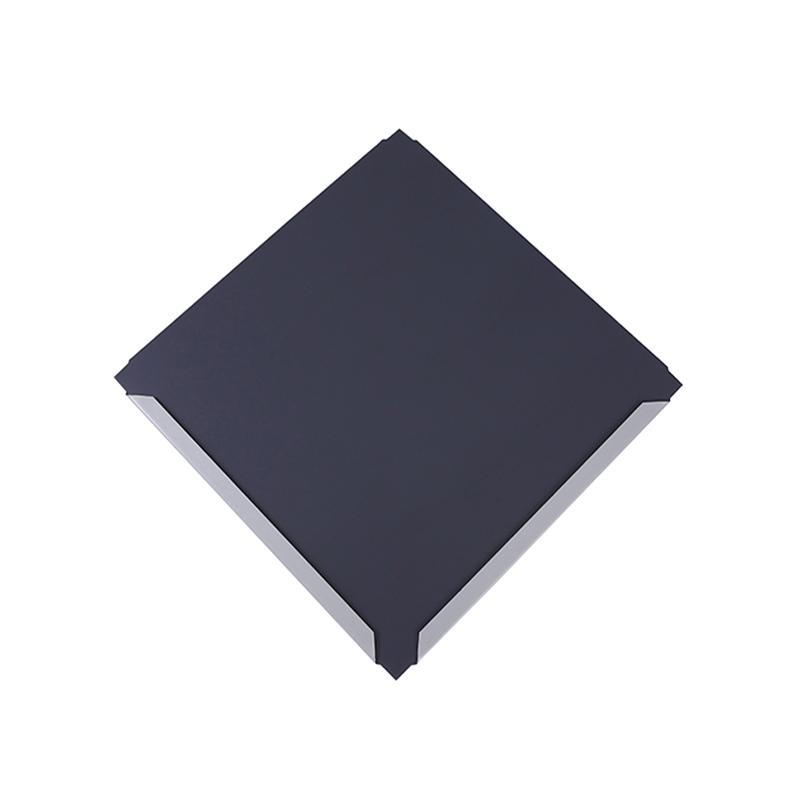
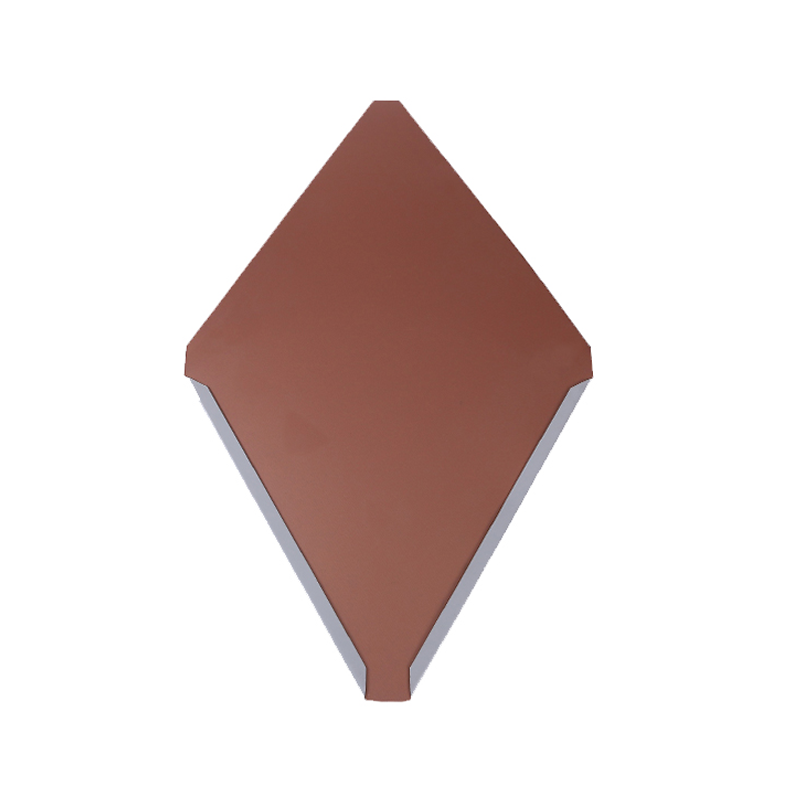
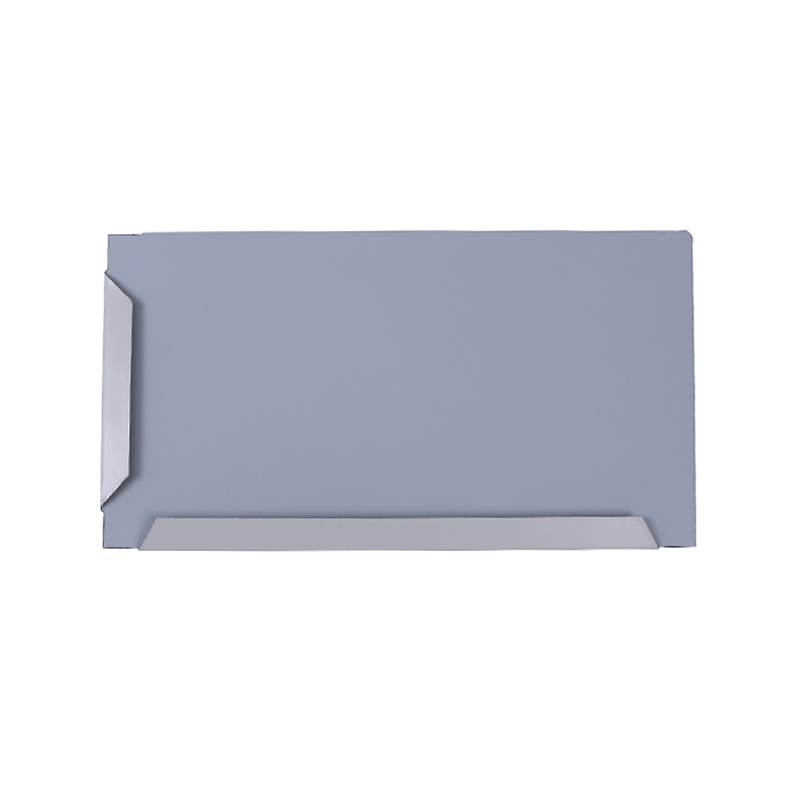
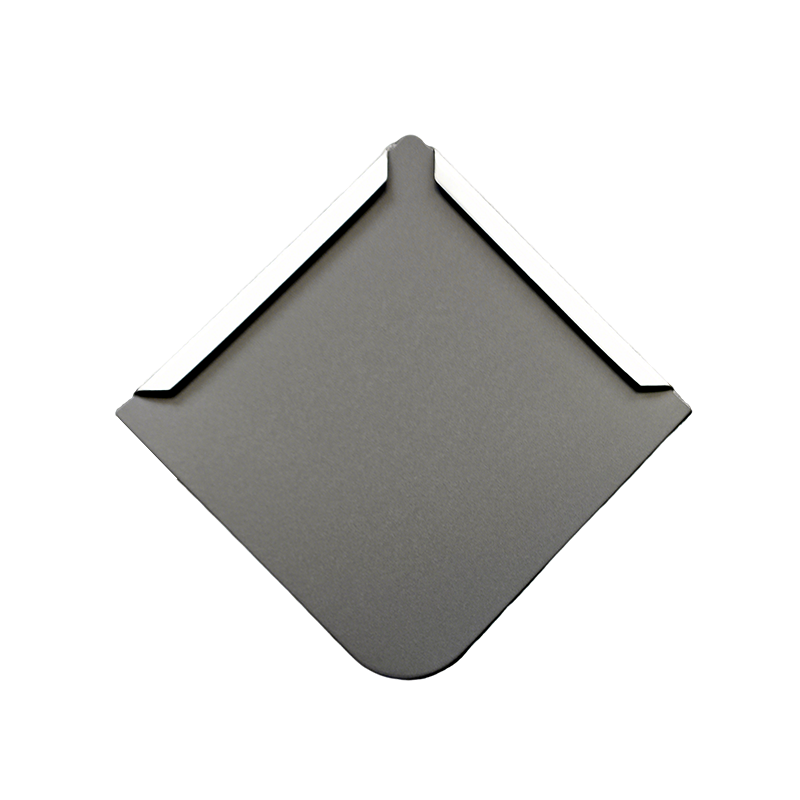
Aluminium shingles roofing is one of those materials that sounds simple until you start comparing profiles, thicknesses, coatings, and fastening methods. A metal shingle is not one product; it is a f...
READ MORE
Industry News
Home / News / Industry News / Aluminum Roof Shingles: Types, Benefits, Lifespan, Cost, and Installation Guide
Aluminum Roof Shingles: Types, Benefits, Lifespan, Cost, and Installation Guide
Update:16 Oct 2026
Content
- 1 What Exactly Are Aluminum Roof Shingles?
- 2 The Main Types of Aluminum Roof Shingles We Manufacture
- 3 Why Aluminum Performs So Well in Shingle Form
- 4 Aluminum Shingles Compared With Other Roofing Materials
- 5 Lifespan, Cost and What Really Drives the Price
- 6 Installation Details That Decide Whether the Roof Lasts
- 7 Where Aluminum Roof Shingles Make the Most Sense
- 8 Choosing Alloy, Thickness, Coating and Colour
- 9 Choosing a Manufacturer You Can Actually Work With
- 10 Frequently Asked Questions
- 10.1 How long do aluminum roof shingles last?
- 10.2 Are aluminum roof shingles more expensive than asphalt?
- 10.3 Can aluminum shingles be installed over an existing roof?
- 10.4 Do aluminum roof shingles dent in hail?
- 10.5 Do aluminum shingles rust near the sea?
- 10.6 Are aluminum roofs noisy in the rain?
- 10.7 Can you produce shingles in a custom colour or profile?
Aluminum roof shingles have a way of surprising people. From the ground they read as ordinary shingles or tiles: the same overlapping rhythm, the same shadow lines, the same proportions that make a pitched roof look finished rather than merely covered. Up close, they are something else entirely, thin precision-folded sheets of aluminum that interlock, shed water and simply do not rust. We have been making them in Taicang, Jiangsu, for years, and the questions we get from architects, distributors, developers and contractors are remarkably consistent. This guide is our answer to those questions.
Donghong Metal Materials Technology is a metal roofing manufacturer based in Taicang, a city often described as a home of German enterprises, sitting beside Shanghai's steel structure industry base and across the Yangtze from Nantong. Our 10,000 square metres of production space, more than 200 experienced workers and our range of standing seam roofing, flat lock panels, fish-scale tiles, temple tiles, wave profiles and Japanese-style systems have reached customers in more than 100 countries. What follows is what those projects have taught us.
10,000 m² Production area in Taicang
200+ Experienced production staff
100+ Countries supplied
What Exactly Are Aluminum Roof Shingles?
In the simplest terms, an aluminum roof shingle is a small-format metal roof tile pressed or folded from aluminum sheet and installed in overlapping courses. Individual pieces usually span somewhere between 300 mm and 600 mm, with interlocking edges that conceal the fasteners and create a continuous, water-shedding surface. Material thickness typically runs from 0.7 mm to 1.2 mm, and the base metal is normally a corrosion-resistant alloy such as 3003, 3004 or 5052, or an aluminum-magnesium-manganese sheet where the roof will face salt air, industrial atmosphere or heavy rainfall.
What sits on top of the metal matters just as much as the metal itself. Almost every shingle we ship carries an organic coating: a polyester system for general architectural work, or a fluoropolymer (PVDF) coating when the project needs long-term colour stability, UV resistance and chalk resistance. The coating gives the roof its colour, texture and gloss level. The aluminum underneath gives it its life.
Aluminum shingles are not the same thing as long-run aluminum panels
The two products are cousins, not twins. Long-run panels, such as standing seam sheets, are formed as continuous strips that run from ridge to eave. Shingles are discrete units, laid piece by piece, which is precisely what makes them so useful on complicated roofs. If your building has hips, valleys, dormers, turrets, barrel sections or changing roof pitches, small-format shingles will usually follow those transitions far more gracefully than a long panel can. If your building has a large, simple, uninterrupted roof plane, a long panel is often the more economical and technically robust choice. We manufacture both, and we are happy to say which one suits your design better.
If you would like a broader overview before digging into the details, our aluminium shingles roofing guide walks through benefits, types, lifespan, cost and installation in one place.
The Main Types of Aluminum Roof Shingles We Manufacture
Shingle-shaped metal roofing is not one product, it is a family. The profile you choose changes the roof's appearance, its minimum pitch, its wind behaviour and its installation sequence, so it is worth understanding the differences before you draw a detail.
Flat lock shingles
Flat lock shingles, sometimes called flat seam tiles, are formed with folded edges that interlock with the neighbouring piece and hide the fixing beneath the lap. The result is a wonderfully calm surface: square, rectangular, diamond and 210-model formats give a regular geometric grid that reads as a modern tile roof rather than a sheet metal roof. Because the fastening is concealed and the overlaps are mechanically locked, flat lock shingles handle wind uplift well and are equally at home on steep walls and soffits. Minimum pitch is generally around 15 degrees, but many designers use them on much steeper roofs purely for the visual pattern.
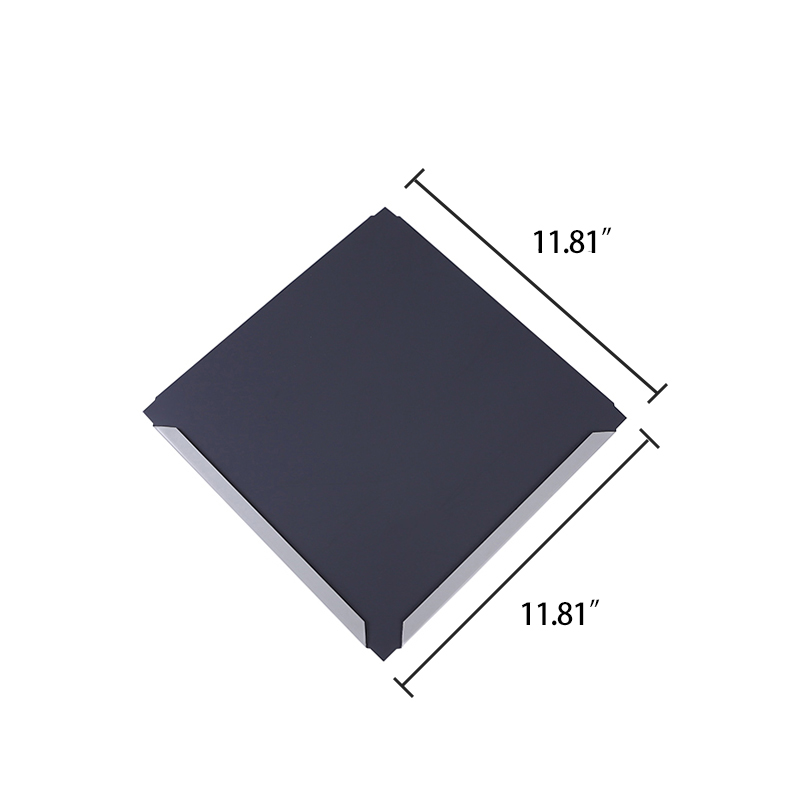 Square Flat Lock Metal Roofing TileA flat-lock square panel with folded interlocking edges and hidden fasteners, offering a neat grid for modern roofs, walls, and curved surfaces.View Product →
Fish-scale shingles
Fish-scale tiles take the same interlocking logic and shape it into overlapping scallops, which is why they turn up so often on towers, turrets, domes, gatehouses and feature facades. We produce them in 190, 240 and 300 models, and the size you pick is mainly a question of scale: a small tower wants a small scale, a large dome wants a generous one, otherwise the pattern becomes busy and the roof starts to look nervous. Because the shape is decorative as well as functional, fish-scale work rewards a good setting-out drawing and a patient installer.
 300 Model Fish-Scale Metal Roofing and Wall TileA fish-scale tile with layered visual effect, hidden screw fixing, and waterproof wind-resistant construction for European-style roofs, walls, and complex shapes.View Product →
Stamped and heritage profiles
For cultural and heritage architecture, we press profiles that reproduce the ribbed rhythm of traditional clay tiles. Our temple metal roofing tiles in 2 and 3 models and the Japanese-style 270-model tile fall into this group. They are typically finished in bronze, antique gold, grey-green or dark brown so that the roof reads correctly from a distance, while the underlying aluminum keeps the structure light and the maintenance minimal. These roofs serve temples, pavilions, museums, tourist facilities and restoration projects where the original material would have been far heavier and far more fragile.
Long-run profiles used in shingle-style layouts
Some projects combine formats. Our 25-32-38 and 65 standing seam profiles cover the large planes of a roof, while 720 and 765 wave profiles bring a regular corrugated rhythm to lower-pitched areas, sheds, canopies and walls. Mixing profiles is perfectly workable, but the transition details need to be decided early, not on site.
Why Aluminum Performs So Well in Shingle Form
Aluminum is not chosen for roofing because it is fashionable. It is chosen because a handful of properties line up unusually well with what a pitched roof has to do all day, every day, for decades.
It does not rust
Aluminum forms its own thin oxide layer the moment it meets air, and that layer seals the surface. There is no red rust, no rust staining on render or paving below, and no progressive section loss in the way that bare steel suffers.
It is genuinely light
At roughly one third the density of steel, a coated aluminum shingle roof usually weighs between 2.2 and 3.0 kg per square metre. That saves structure, eases handling and makes over-roofing of an existing building far more realistic.
It reflects solar heat
Light-coloured coated aluminum shingles reflect a large share of incoming solar radiation, which reduces the heat load on the roof assembly and can lower cooling demand in warm climates.
It does not burn
Aluminum is non-combustible. The fire performance of the complete roof assembly still depends on the substrate, underlayment and insulation, but the metal itself contributes nothing to a fire.
It moves, and that must be designed for
Aluminum expands and contracts noticeably with temperature, more than steel or copper. This is not a defect, it is a design condition: use clips that allow movement, avoid pinning sheets at both ends, and the roof will stay quiet and flat for decades.
It is highly recyclable
At the end of a very long service life, aluminum shingles are fully recyclable and retain meaningful scrap value, which is one reason the material's life-cycle story holds up well.
There is also a practical manufacturing advantage. Aluminum is soft and ductile enough to be folded, stamped and curved into detailed shingle geometry without cracking, which is exactly why fish-scale tiles and traditional tile profiles can be produced in metal at all.
Aluminum Shingles Compared With Other Roofing Materials
Every roofing material is a set of trade-offs. The table below puts aluminum side by side with the alternatives most often considered for pitched roofs. Treat the figures as indicative rather than guaranteed, because climate, pitch, coating quality, substrate and workmanship all move the numbers.
| Material | Typical service life | Roof weight | Corrosion behaviour | Maintenance level | End of life |
|---|---|---|---|---|---|
| Aluminum shingles | 40 to 60+ years | About 2.2-3.0 kg/m² | Excellent; no red rust, performs well in salt air | Low; occasional washing and fastener checks | Fully recyclable, good scrap value |
| Asphalt shingles | 15 to 25 years | About 10-15 kg/m² | Not applicable; degrades through heat and UV instead | Moderate; granule loss, patching, full replacement | Limited recycling, landfill volume |
| Coated steel roofing | 30 to 50 years | About 4-6 kg/m² | Good while coating is intact; cut edges can rust | Low to moderate; touch-up of edges and scratches | Recyclable |
| Copper | 60 to 100+ years | About 5-7 kg/m² | Excellent; develops a protective patina | Very low | Highly recyclable, high scrap value |
| Clay or concrete tile | 50+ years | About 40-60 kg/m² | Not applicable; frost and salt can cause spalling | Moderate; breakage and slippage repairs | Limited reuse, heavy disposal |
The pattern is fairly clear. Aluminum shingles sit in the long-life group alongside copper and tile, but at a fraction of the weight, and they avoid the cut-edge rust issue that keeps coated steel roofs dependent on careful detailing and touch-up.
Lifespan, Cost and What Really Drives the Price
Service life is the first number most clients ask about, and it is also the easiest to answer loosely and the hardest to answer precisely. A coated aluminum shingle roof installed correctly on a ventilated substrate, in a moderate climate, with a quality fluoropolymer finish, can reasonably be expected to serve for four decades or more, and many will go considerably further. Coastal exposure, industrial pollution and exceptional UV shorten the coating's life rather than the metal's.
On cost, we prefer to be honest rather than promotional. Aluminum shingle systems generally sit well above asphalt shingles on material cost and well below copper. The gap narrows considerably when you compare total cost of ownership: asphalt is usually replaced at least once, sometimes twice, within the life of a single aluminum roof, and each replacement carries labour, access, disposal and disruption costs.
Within the aluminum family itself, price is driven by a handful of variables:
- Alloy and thickness: a 1.0 mm marine-grade sheet costs more than a 0.7 mm general-purpose sheet, and behaves differently under wind and snow load.
- Coating system: a two-layer polyester finish is economical, while a multi-layer PVDF finish costs more and lasts considerably longer in strong sunlight.
- Profile complexity: a flat lock square is straightforward to press; a deep fish-scale or temple tile involves more tooling, more material and slower production.
- Colour: standard colours are cheaper than custom colour matching, especially on small orders.
- Accessories: clips, fasteners, ridge caps, valleys, snow guards and sealing components are a real share of the installed cost.
- Order volume, packaging and transport distance, all of which matter more than most buyers expect.
Installation Details That Decide Whether the Roof Lasts
We have seen beautiful shingle roofs fail for boring reasons: a fastener of the wrong metal, an unventilated deck, a valley built by improvisation. None of these are exotic problems, and all of them are avoidable.
- Start with a sound substrate. Aluminum shingles need continuous, flat, well-fixed decking, usually plywood or oriented strand board, or purlins on open-frame structures. Deflection underfoot will telegraph through the finished roof.
- Ventilate the assembly. A ventilated cavity above the insulation keeps the deck dry, reduces heat build-up and protects both the coating and the structure.
- Choose fasteners carefully. Stainless steel or aluminum fasteners should be standard. Where aluminum touches steel, copper or treated timber, isolate the contact, otherwise galvanic corrosion will quietly do its work.
- Design for thermal movement. Use clips that allow the shingles to slide as temperature changes, and never fix a course rigidly at both ends of a long run.
- Respect the minimum pitch. Flat lock and interlocking shingle profiles generally need around 15 degrees or more. Below that, the water relies on the underlayment rather than the shingle, and the risk profile changes completely.
- Detail the weak points. Valleys, penetrations, ridges, eaves and changes of pitch deserve self-adhered membrane and dedicated components, not sealant and optimism.
- Handle the material properly. Soft-soled shoes, no dragging of sheets across finished surfaces, and stacking that prevents abrasion will save visible scratches later.
- Plan for snow and wind. Snow guards on steep roofs above doorways and walkways, and additional clips in exposed corners and edges, cost very little at installation time.
Where Aluminum Roof Shingles Make the Most Sense
Because the material tolerates salt, pollution and complex geometry, certain building types benefit more than others.
Coastal and seaside buildings
This is where aluminum earns its reputation. Salt-laden air destroys galvanised steel and shortens the life of many coated products, while aluminum simply carries on. For these projects we normally recommend a marine-suitable alloy with a heavy coating system; our page on coastal and seaside building roofing explains the details.
Villas, residences and renovation projects
Light weight makes aluminum shingles an excellent choice when a roof is being replaced on an existing structure that cannot take additional load, and the range of profiles and colours means the new roof can match the character of the building rather than fighting it.
Commercial, hospitality and cultural architecture
Hotels, resorts, museums, commercial complexes, temples, cultural centres and tourism facilities all use shingle-format metal roofing for the same reason: it delivers an architectural appearance with industrial durability and very low maintenance. Curved domes, turrets and barrel roofs are particularly well served, because small units follow curvature naturally.
Choosing Alloy, Thickness, Coating and Colour
Four decisions shape how an aluminum shingle roof will look and perform in fifteen years' time.
- Alloy. General architectural work is well served by 3003 or 3004. For coastal, industrial or highly exposed sites, move up to a 5052 or aluminum-magnesium-manganese sheet.
- Thickness. Between 0.7 mm and 1.2 mm covers most projects. Go thicker for high wind zones, heavy snow loads and roofs where foot traffic is expected.
- Coating. Polyester finishes are cost-effective for sheltered inland sites. PVDF finishes resist fading and chalking far better and are the right answer where appearance matters over a long horizon.
- Colour and finish. Light colours lower heat gain; darker and metallic tones suit heritage work. Custom colour matching, wood-grain and stone-grain finishes are all available when a design calls for them.
A useful discipline is to decide these four items before the tender stage, not after. Changing alloy or coating mid-project is expensive, and it is almost always cheaper to specify correctly the first time.
Choosing a Manufacturer You Can Actually Work With
Metal shingle roofing is a semi-custom product. The difference between a smooth project and a frustrating one usually comes down to how well the supplier handles drawings, tolerances and delivery, not to the brochure.
- Ask for samples and mock-ups. Colour on a screen is not colour on a roof. A physical sample in daylight is the only honest test.
- Check the drawing capability. Shingle roofs live or die on setting-out. A manufacturer who can deepen and correct your drawings before production is worth more than a small price advantage.
- Confirm quality control. Coating thickness, alloy certificates, salt spray results and dimensional tolerances should be available on request, not promised verbally.
- Think about packaging and logistics. Shingles travel well, but only if they are packed to survive it. Export packaging matters on long sea routes.
- Consider OEM and private label. Distributors and contractors often want their own branding, profiles and packaging. We handle this routinely.
- Ask about installation support. Design consultation, material supply, site installation and after-sales maintenance are all part of a complete offer, and having one partner for the whole chain removes a great deal of finger-pointing.
Frequently Asked Questions
How long do aluminum roof shingles last?
With a quality coating and correct installation, 40 to 60 years is a realistic expectation, and longer on sheltered inland sites. The metal itself will outlast the coating in most cases, so the finish system you choose has a direct effect on how the roof ages visually.
Are aluminum roof shingles more expensive than asphalt?
Yes on upfront material cost, and usually yes on installed cost as well. The comparison changes when you look at total cost of ownership, because asphalt shingles typically need replacing once or twice within the service life of a single aluminum roof.
Can aluminum shingles be installed over an existing roof?
Often yes, provided the existing structure is sound, the deck can be made flat and continuous, and ventilation can be maintained. The light weight of aluminum makes over-roofing far more practical than it would be with clay or concrete tiles. A site assessment should always come first.
Do aluminum roof shingles dent in hail?
Aluminum is softer than steel, so very large hail can leave cosmetic marks. In hail-prone regions we recommend a thicker sheet, a solid substrate directly beneath the shingles, and a profile with short unsupported spans, all of which significantly improve impact resistance.
Do aluminum shingles rust near the sea?
No. Aluminum does not rust; it forms a protective oxide layer instead. Salt air is one of the environments where aluminum outperforms most competing materials, although the coating still needs to be selected for marine exposure.
Are aluminum roofs noisy in the rain?
Less than people expect. The noise level depends mostly on the assembly beneath the metal. With a solid deck, underlayment and insulation, rain noise is comparable to other hard roofing materials. A ventilated cavity or open purlin structure will be louder.
Can you produce shingles in a custom colour or profile?
Usually yes. We regularly produce custom colours, custom coating systems and modified profiles, and we can also engrave a client's own brand into the product and packaging for OEM and ODM programmes.
Aluminum roof shingles are not the cheapest roof you can buy, and we would rather say so plainly. What they offer instead is a combination that is difficult to match: a roof that looks like architecture, weighs less than most of its competitors, ignores salt and pollution, and then quietly keeps working for decades without asking for much. If you are weighing up a project, send us your drawings, your pitch and your roof plan. We will tell you honestly whether a shingle profile or a long-run system suits it better, and what it will take to get it right.
Recommended Products
News
-
-
Standing seam metal and asphalt shingles are the two names you will hear most often when it is time to re-roof. The decision affects not only what you pay this year, but how often you will be back up...
READ MORE -
Your roof is one of the few building components that works for decades without being touched. When you compare the cost of a metal roof with a conventional asphalt shingle roof, the sticker price mak...
READ MORE -
Standing seam metal roof panels last 40 to 70 years and cost between $9 and $16 per square foot installed, making them one of the most durable roofing investments available for both residential and c...
READ MORE

 DOWNLOAD
Copyright © Suzhou Donghong Metal Materials Technology Co., Ltd.
All Rights Reserved.
 Custom Metal Roofing Sheets Manufacturers


QUICK LINKS
PRODUCT
CONTACT US
-
 Email: DonghongMetal@outlook.com
-
 WahtsApp: +86 18036113307
-
 Mobile Phone: +86-185 5030 2515
-
 WhatsApp Business: 852-55025164
-
 Address: No. 16 Hongyun Road, Fuqiao Town, Taicang City, Suzhou, Jiangsu Province, China