LANGUAGE
 English
 Español
 عربى

Your roof is one of the few building components that works for decades without being touched. When you compare the cost of a metal roof with a conventional asphalt shingle roof, the sticker price mak...
READ MORE
Industry News
Home / News / Industry News / Advantages of Steel Roofing: Durability, Energy Savings & Life-Cycle Value
Advantages of Steel Roofing: Durability, Energy Savings & Life-Cycle Value
Update:12 Oct 2026
Content
- 1 Steel Roofing Is a 50-Year Asset, Not a 20-Year Expense
- 2 Weather Resistance Cuts Emergency Repair Costs
- 3 Solar Reflectance Lowers Cooling Demand
- 4 Fire Resistance and Insurance Implications
- 5 Steel Roofing Is the More Recyclable Choice
- 6 Design Flexibility: From Standing Seam to Traditional Tile Profiles
- 7 Life-Cycle Cost: Where Steel Roofing Pulls Ahead
- 8 Installation Quality Decides the Outcome
- 9 What to Do With This Information
Two bids sit on the table for the same building: one for asphalt shingles, one for a standing seam steel roof. The steel figure is higher upfront — often double or more. Many owners stop reading at that line. Look at the same comparison 25 years later and the story changes. The asphalt roof has probably been replaced once. The steel roof is still working, and the owner has spent the price difference again in tear-offs, repairs and energy losses. This article explains the advantages of steel roofing in measurable terms — lifespan, weather resistance, energy loads, fire safety, sustainability and life-cycle cost — so architects, contractors and building owners can judge it on figures rather than marketing.
Steel Roofing Is a 50-Year Asset, Not a 20-Year Expense
The service life of a steel roof depends mainly on the protective coating, not just the steel gauge. Galvalume, a coating of roughly 55 percent aluminum and 45 percent zinc, provides strong corrosion resistance in most climates; galvanized steel relies on a sacrificial zinc layer to protect the base metal. With a quality coating, correct edge treatment and well-chosen fasteners, a steel roof can last 40 to 70 years. Asphalt shingles typically serve 15 to 25 years. Over five decades, that is two or three asphalt replacements against zero or one for steel — and each replacement brings tear-off, disposal and re-installation costs that a steel roof eliminates entirely.
Standing seam panels usually reach the top of that lifespan range because the concealed clip system lets the metal expand and contract with temperature changes without overstressing fasteners or seams. Through-fastened profiles are also durable, but exposed washers and screws age faster in harsh weather.
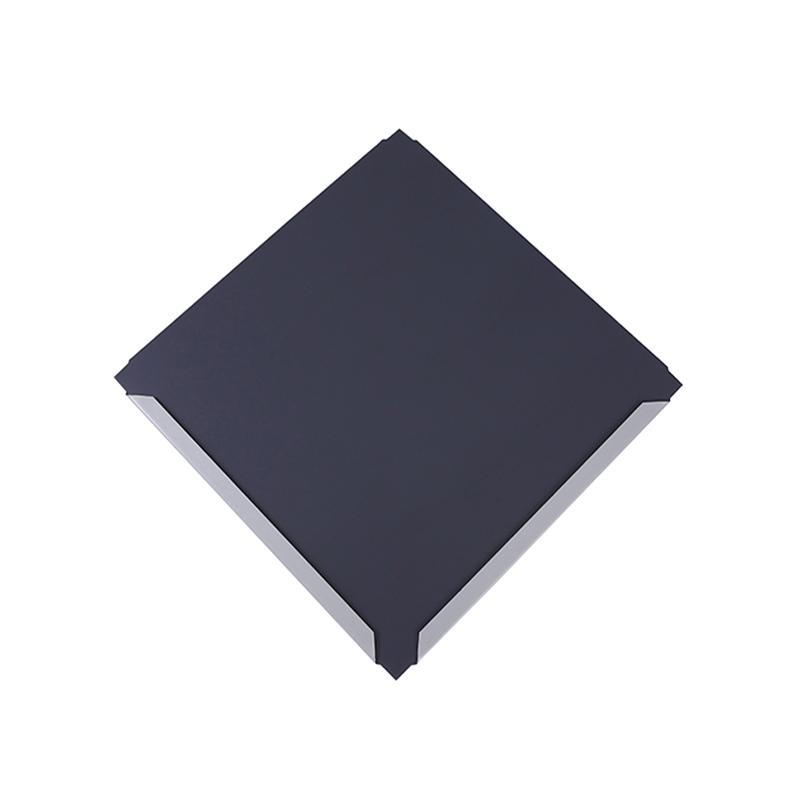
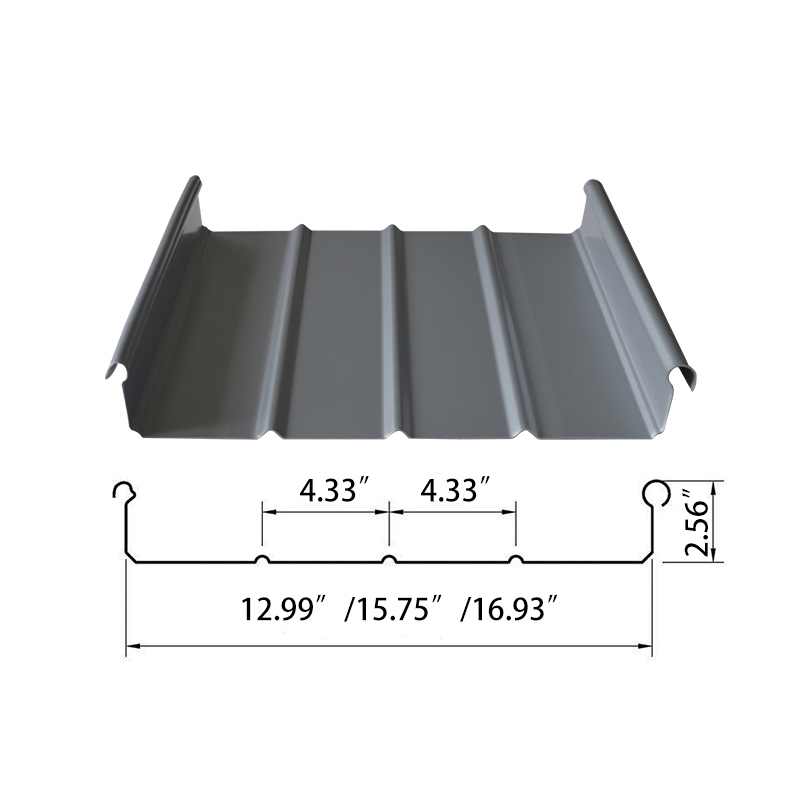 65 Model Standing Seam Metal Roof Panels with Concealed FastenersThis aluminum-magnesium-manganese alloy panel features a 360° edge-lock and concealed clips for high wind uplift resistance and no exposed screws, fitting large-span steel roofs.View Product →
Weather Resistance Cuts Emergency Repair Costs
Steel roofs earn their keep after the first severe storm. Standing seam panels with concealed clip systems can achieve high wind uplift ratings, and many steel profiles are tested to handle gusts well above 120 mph (about 193 km/h). Hail is another story: steel panels can carry a Class 4 impact rating under UL 2218, meaning they survive the kind of hailstorm that granule-loss asphalt shingles often do not.
Snow shedding and coastal salt
Snow moves off a steel roof quickly because the surface is smooth. That is good for structural loads but dangerous at the eaves, so snow retention devices are a necessary accessory in snowy regions. In coastal areas, salt air attacks exposed edges and fasteners. Galvalume coating and stainless steel hardware handle that exposure far better than many alternative materials, but only if the installer respects the flashing details. The right profile for a coastal project is not the same as one for an inland industrial building, and an experienced manufacturer will make that distinction during design.
Solar Reflectance Lowers Cooling Demand
Steel roofing is naturally reflective, and modern PVDF or SMP paint systems make it more so. A cool-coated steel panel reflects 60 to 70 percent or more of incoming solar radiation and releases absorbed heat quickly after sunset. In warm climates, attic temperatures drop measurably, and building owners in some cases cut cooling costs by roughly 20 to 40 percent when insulation and ventilation are properly designed. In cold climates, the same reflective surface means the roof needs a well-insulated assembly underneath to keep heat in, but the panels themselves handle repeated freeze-thaw cycles without the cracking that affects some rigid materials.
Energy codes in many regions now recognize cool roof performance. A steel roof with a documented solar reflectance index (SRI) can help a project meet efficiency requirements without elaborate additional assemblies. That is a direct advantage for homeowners facing rising electricity rates and for commercial projects where operating budgets are reviewed annually.
Fire Resistance and Insurance Implications
Steel is non-combustible, and most steel roofing systems achieve a Class A fire rating, the highest category used in building codes. For buildings in wildfire zones, or any structure with a fireplace, chimney or adjacent rooftop equipment, this is a decisive advantage. Asphalt shingles can also carry Class A ratings when treated, but standard products often carry lower ratings, and their organic felt content makes them more vulnerable to blowing embers.
The lightning myth deserves a one-line correction: metal roofing does not attract lightning. Because it is conductive, it actually provides a low-resistance path if a strike occurs, but it does not increase strike frequency. Many insurers, however, recognize the lower fire risk of a non-combustible roof in their underwriting, which can translate into a more favourable premium for the building owner.
Steel Roofing Is the More Recyclable Choice
Steel roofing contains a high proportion of recycled content, and at the end of its service life, it can be fully recycled rather than landfilled. The environmental advantage is measurable over a building's lifetime: asphalt shingle replacements generate significant demolition waste, while one steel installation avoids most of that waste entirely. Because steel roofing is lighter than concrete or clay tile, it can often be installed over an existing structure without heavy reinforcement, or as a retrofit over an old asphalt roof in some jurisdictions, subject to local building codes and ventilation requirements.
For projects seeking green building certification, a steel roof contributes on several fronts: recycled content, durability that reduces material use over time, cool-roof SRI values, and end-of-life recyclability. Architects and sustainability consultants can document those attributes far more easily than with disposable roofing materials.
Design Flexibility: From Standing Seam to Traditional Tile Profiles
One of the less obvious advantages of steel roofing is the range of profiles it can take. Vertical standing seam panels give modern commercial and residential buildings a clean, long-line expression. Corrugated and wave profiles suit industrial, agricultural and utilitarian projects. Each profile carries a different structural capacity and drainage characteristic, so the choice is not purely visual.
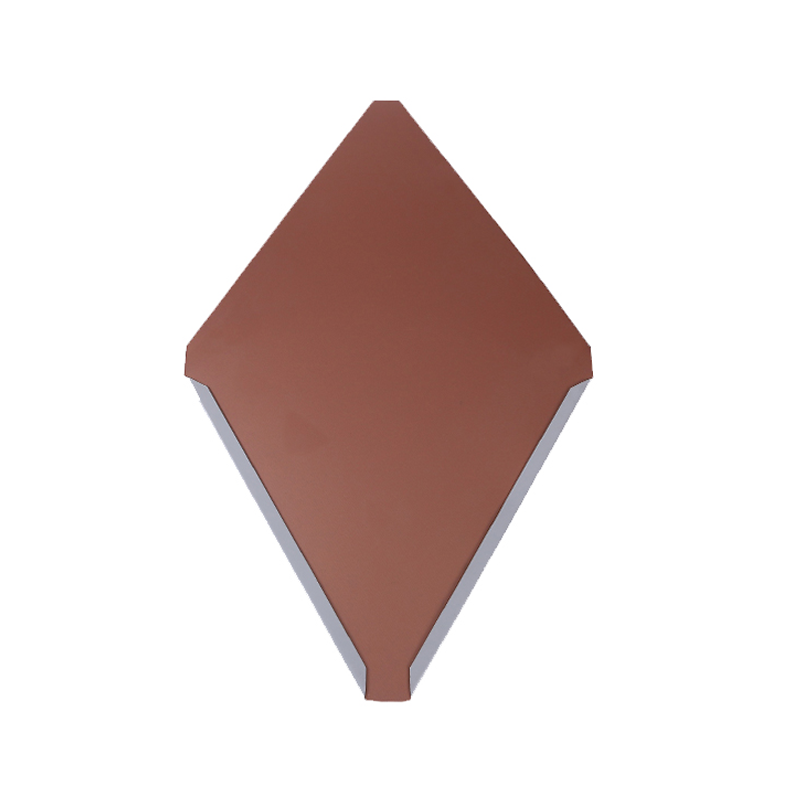
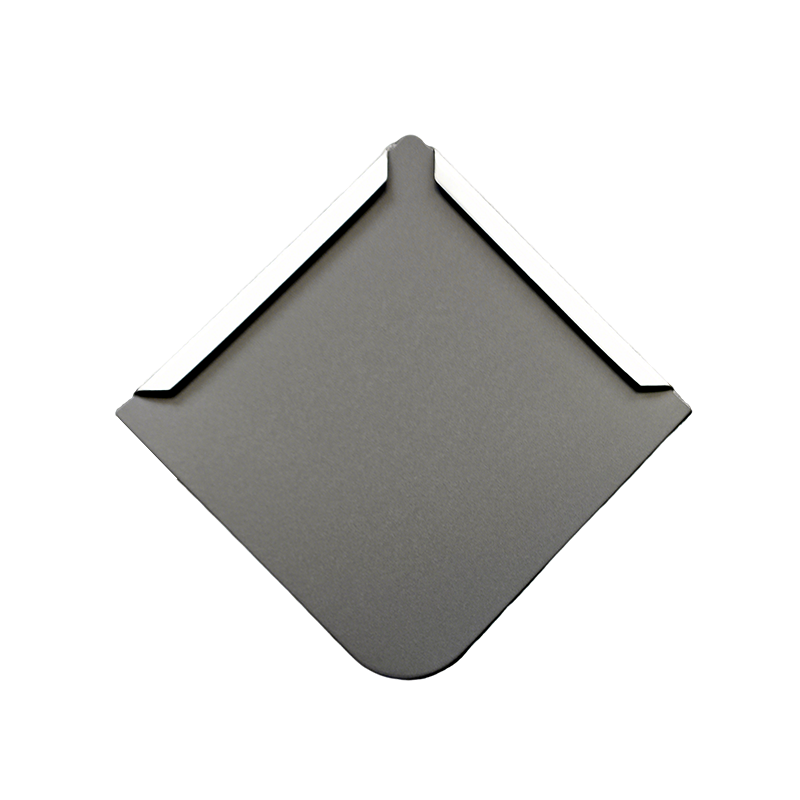
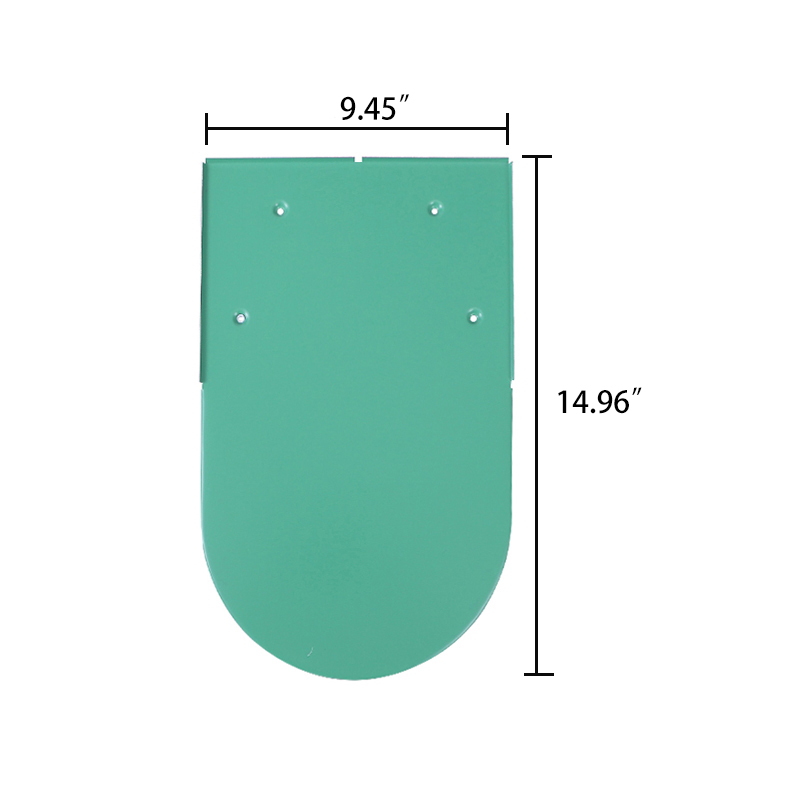 240 Model Fish-Scale Metal Tiles for Retro European ArchitectureThese slender, rounded-edge steel tiles mimic classic German or European shingle styles, weigh only a fraction of clay tiles, and suit curved or irregular roof shapes.View Product →
For residential and traditional architecture, steel can be formed into tile-like shapes — fish-scale shingles, flat lock panels, curved temple tiles and Japanese-style kawara profiles — that mimic clay, slate or wood without their weight and maintenance. That is a practical advantage on roofs and walls alike: a flat lock panel can be used on both planes, so a project can keep one material language across the whole building envelope.
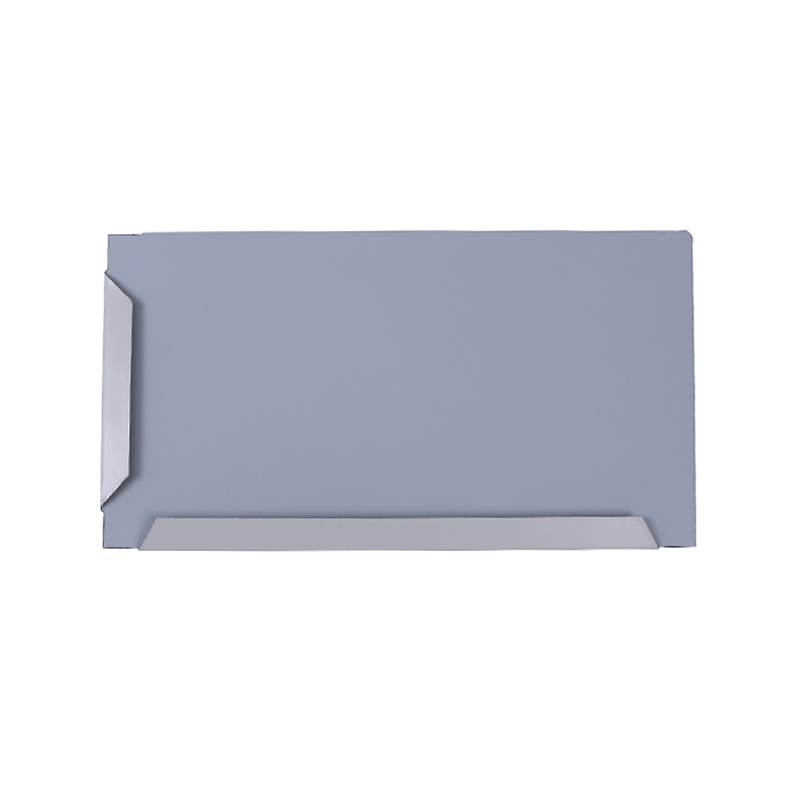
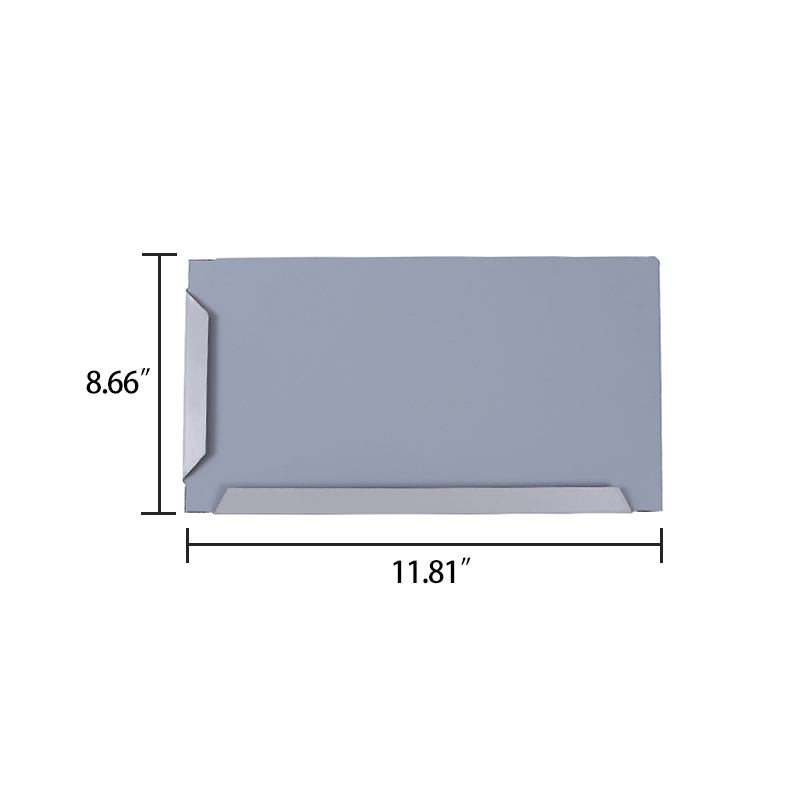 Rectangular Metal Roofing Tile for Modern Facades and Curved SurfacesOffering a clean, minimalist look with hidden fasteners, these interlocking rectangular tiles adapt to domes, spires, and twisted facades while providing strong wind resistance.View Product →
Color stability is the attribute owners live with longest. Paint systems based on PVDF resist UV fading and chalking, which is not always true of coloured asphalt or concrete alternatives. The building keeps its intended appearance for decades, and that reduces the urge to re-roof for cosmetic reasons alone.
Life-Cycle Cost: Where Steel Roofing Pulls Ahead
The initial price difference is real. The question is what happens after installation. The table below compares typical performance factors over 50 years for a residential or light commercial building.
| Factor | Steel roof | Asphalt shingles |
|---|---|---|
| Typical lifespan | 40-70 years | 15-25 years |
| Full replacements in 50 years | 0-1 | 2-3 |
| Routine maintenance frequency | Low | Moderate |
| Fire rating | Class A | Class A (treated) or lower |
| Hail and wind resilience | High with proper system | Varies by product and condition |
| Recyclability at end of life | Fully recyclable | Limited |
| Initial cost | Higher | Lower |
| Life-cycle cost over 50 years | Lower in most regions | Higher after replacements |
The table makes the main point: a roof is a 50-year procurement decision, not a one-time purchase. For buildings that will be sold within 10 years, the lower upfront cost of asphalt may be the rational choice. For owners who hold property for decades, steel roofing typically returns its higher cost through avoided replacements and reduced operating expenses.
Installation Quality Decides the Outcome
Material defects in steel roofing are rare; installation errors are not. The most common performance problems come from wrong fastener placement, missing expansion provisions, incorrectly folded flashings, or panels walked on by untrained workers. A standing seam system relies on clips that allow thermal movement; a concealed fastener system fails silently when clips are spaced incorrectly or fixed to the structure rigidly.
For this reason, the manufacturer matters. A factory that produces panels with consistent profiles, controls edge quality, and supplies detailed drawings reduces the margin for error at the jobsite. A full-service metal roofing manufacturer with an in-house installation team can translate the material specification into a reliable installed system. Contractors and developers should evaluate not just sheet prices but engineering support, delivery schedules and warranty claims handling. For a practical overview of what affects panel cost and how installation is sequenced, this installation and cost guide covers the main decision points.
What to Do With This Information
The advantages of steel roofing are strongest when the building owner expects to stay with the property for a long period, when the local climate brings high wind, hail, snow or wildfire risk, and when operating costs are a real constraint. For these cases, a steel roof is not a premium purchase; it is a capital decision that outperforms alternatives on a present-value basis.
When you evaluate a proposal, ask for three documents:
- The coating specification — coating type, coating weight and sheet thickness.
- The impact and wind uplift test reports for the specific panel profile.
- The installation procedure, including clip spacing and flashing details.
If a supplier cannot provide them, treat that as a warning. If they can, the steel roof will very likely be the last roof you pay for on that building.
Recommended Products
News
-
-
Replacing a roof is one of those decisions most homeowners put off until water stains appear on the ceiling. Once the shingles start curling or losing granules, the question becomes whether to re-shi...
READ MORE -
Advantages of aluminum roofing panel systems: 1. Constructed with high-strength, corrosion-resistant 3-series aluminum alloy, offering a service life of no less than 30 years under normal environments...
READ MORE -
Aluminium shingles roofing is one of those materials that sounds simple until you start comparing profiles, thicknesses, coatings, and fastening methods. A metal shingle is not one product; it is a f...
READ MORE

 DOWNLOAD
Copyright © Suzhou Donghong Metal Materials Technology Co., Ltd.
All Rights Reserved.
 Custom Metal Roofing Sheets Manufacturers


QUICK LINKS
PRODUCT
CONTACT US
-
 Email: DonghongMetal@outlook.com
-
 WahtsApp: +86 18036113307
-
 Mobile Phone: +86-185 5030 2515
-
 WhatsApp Business: 852-55025164
-
 Address: No. 16 Hongyun Road, Fuqiao Town, Taicang City, Suzhou, Jiangsu Province, China