LANGUAGE
 English
 Español
 عربى

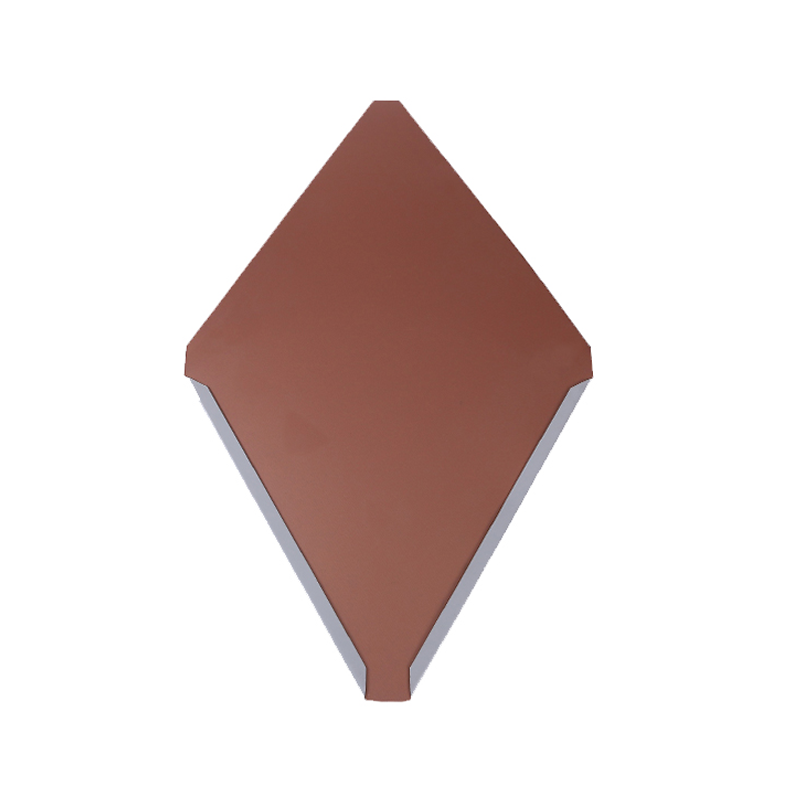
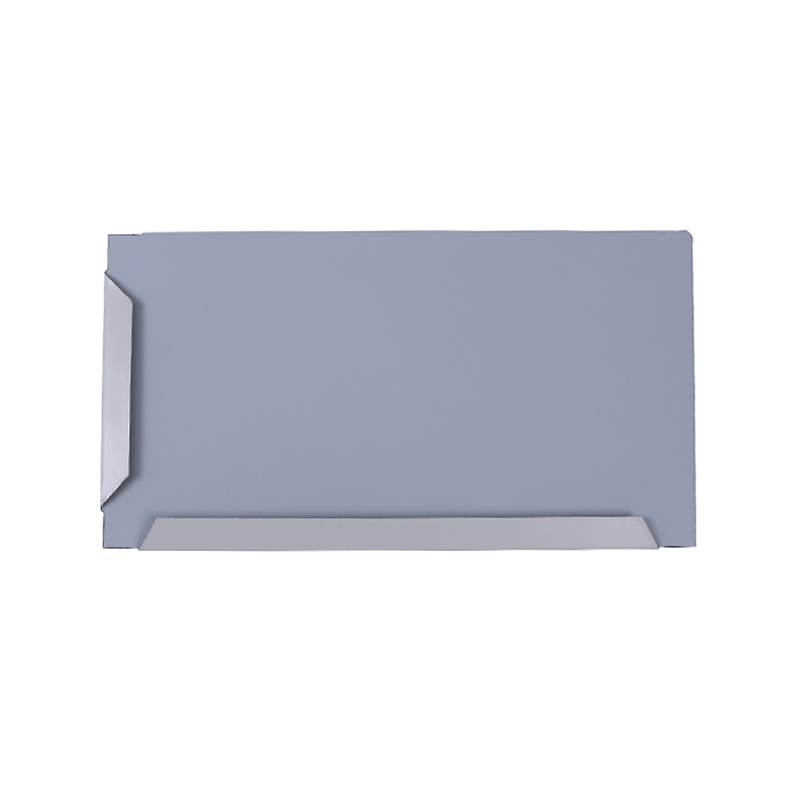
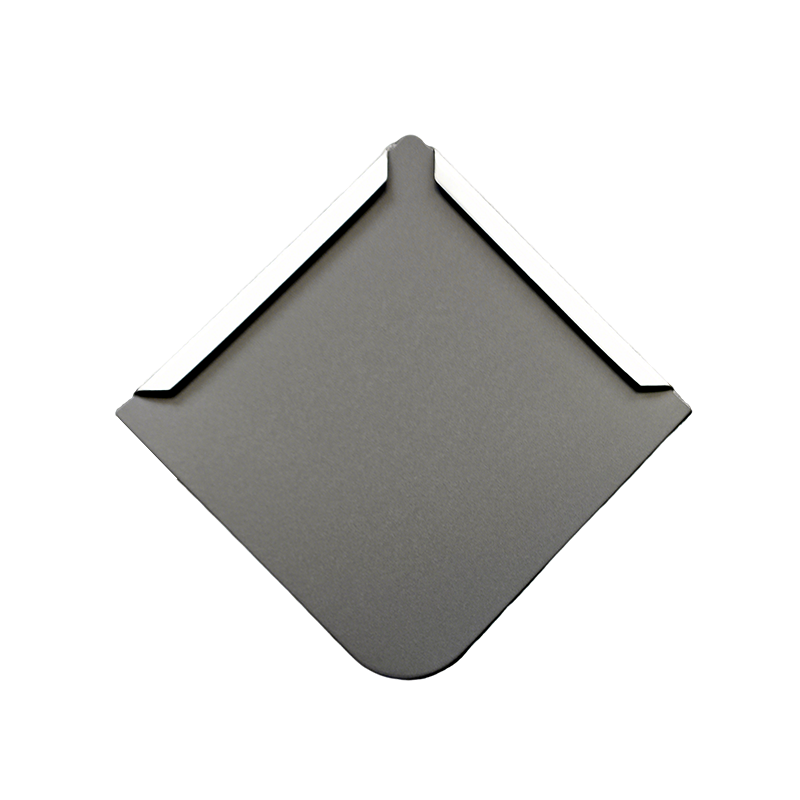
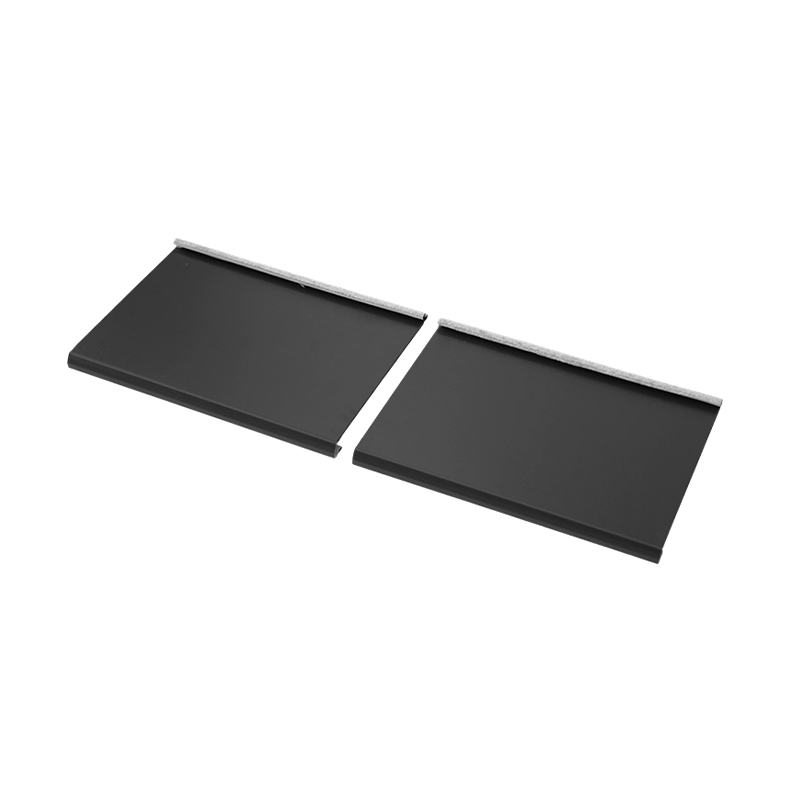
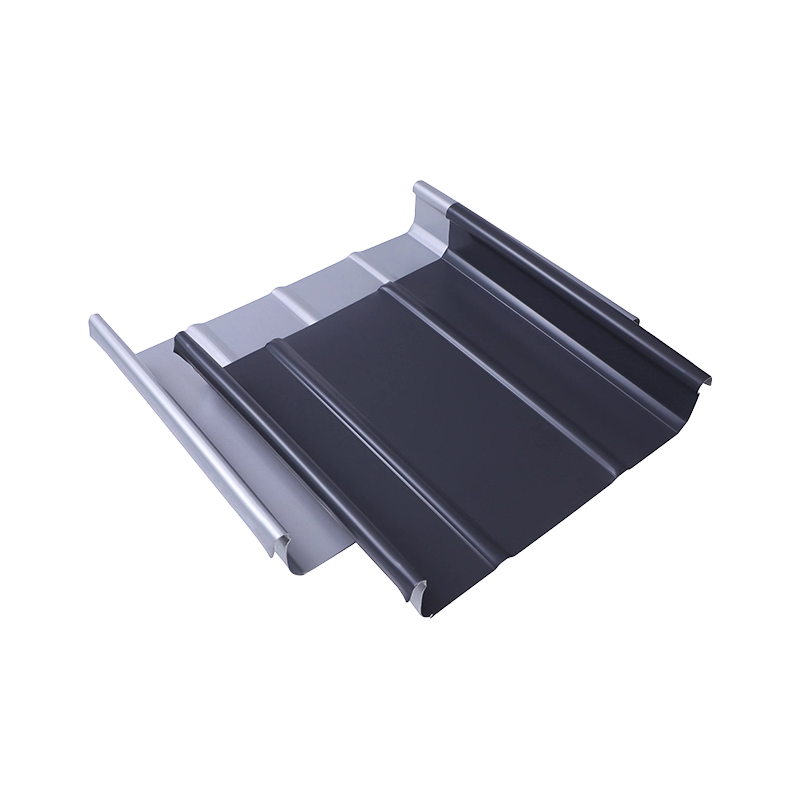
Aluminium shingles roofing is one of those materials that sounds simple until you start comparing profiles, thicknesses, coatings, and fastening methods. A metal shingle is not one product; it is a f...
READ MORE
Industry News
Home / News / Industry News / All About Metal Roofing: Systems, Materials, Benefits & Installation Tips
All About Metal Roofing: Systems, Materials, Benefits & Installation Tips
Update:19 Oct 2026
Content
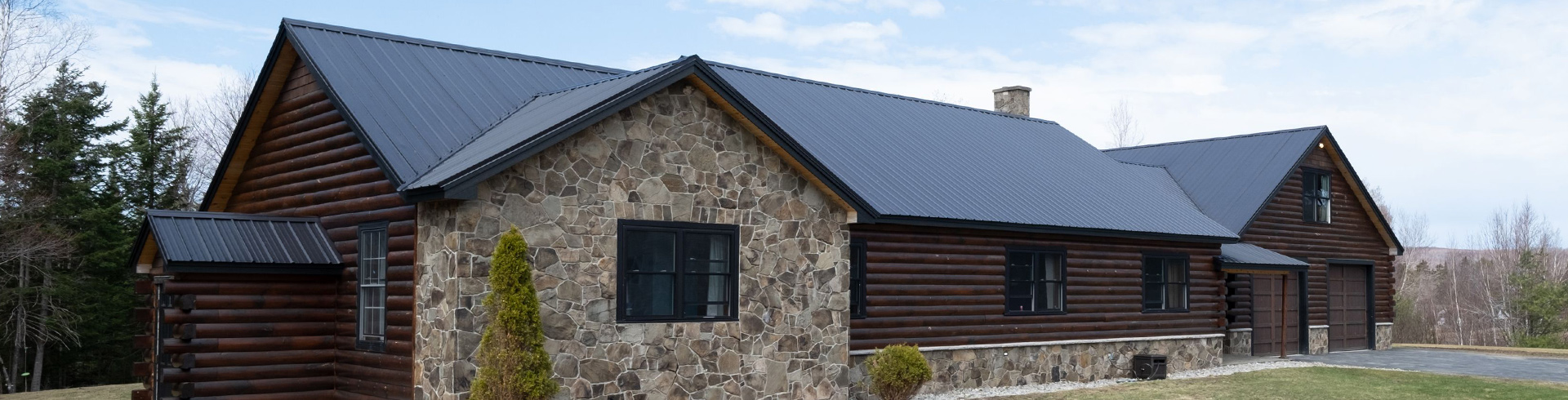
Over the past few decades, metal roofing has evolved from a niche industrial product into one of the most sought-after building envelope solutions worldwide. Architects, developers, and homeowners alike are drawn to its longevity, energy efficiency, and aesthetic versatility. At our manufacturing facility in Taicang, China, we have been specializing in metal roof and wall systems for years, serving projects across more than 100 countries. In this guide, we will walk you through everything you need to know about metal roofing—from materials and system types to key benefits and practical selection tips.
Understanding Metal Roofing Materials
Metal roofs are typically fabricated from steel, aluminum, copper, or zinc. Each material offers distinct characteristics in terms of durability, weight, corrosion resistance, and cost. Steel—especially galvalume or galvanized—is strong and affordable, making it a common choice for industrial and commercial buildings. Aluminum is lightweight and naturally corrosion-resistant, ideal for coastal environments. Copper and zinc develop beautiful patinas over time and are often specified for high-end architectural projects. For modern standing seam systems, aluminum‑magnesium‑manganese alloys provide an excellent balance of strength, formability, and longevity, and they are widely used in large-span roofs such as those we manufacture.
To help you compare the main options at a glance, here is a quick overview.
| Material | Durability | Corrosion Resistance | Weight | Relative Cost |
|---|---|---|---|---|
| Galvalume Steel | Excellent | Good | Moderate | Low |
| Aluminum | Very Good | Excellent | Light | Moderate |
| Copper | Outstanding | Excellent | Moderate | High |
| Zinc | Outstanding | Excellent | Moderate | High |
For a deeper dive into the pros and cons of each material, feel free to browse our detailed FAQ on metal roofing material types.
Types of Metal Roofing Systems
Beyond the raw material, the panel profile and installation method define the look and performance of a metal roof. The main categories include standing seam panels, flat lock panels, corrugated sheets, and decorative tile‑style systems. Each serves a different purpose and building style.
Standing Seam Metal Roofing
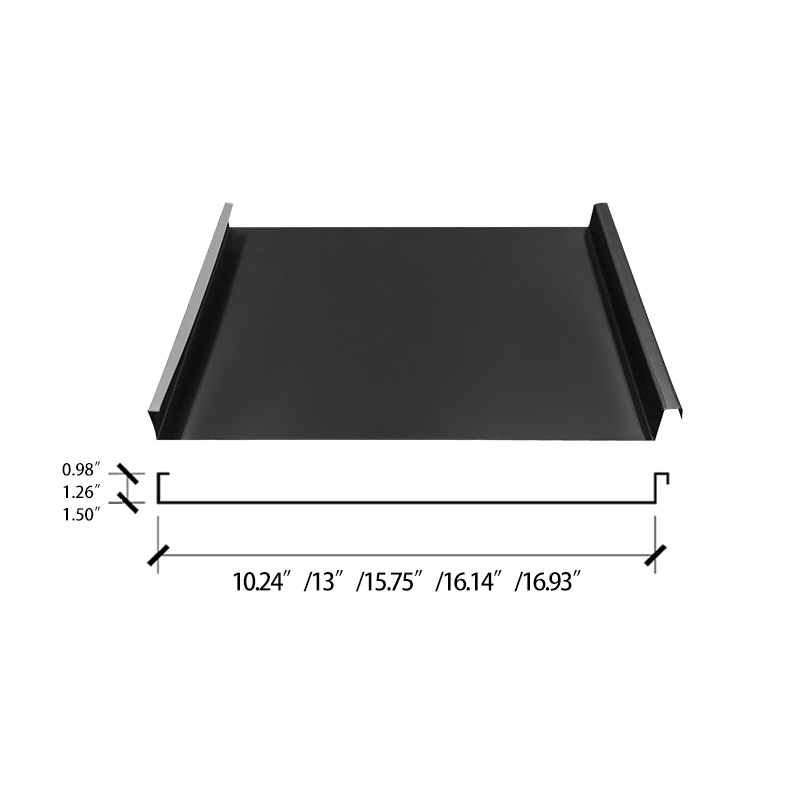 25/32/38 Standing Seam Metal Roof PanelsThese panels use an aluminum-magnesium-manganese alloy with concealed interlocking fasteners. The engineered clip system allows thermal movement while ensuring a sleek, weathertight surface ideal for modern commercial and high-end residential projects.View Product →
Standing seam systems feature vertical raised ribs that interlock, concealing the fasteners. This design provides superior weathertightness and allows for thermal movement. They are the go‑to choice for modern commercial, institutional, and high‑end residential projects. Our 25‑32‑38 model standing seam panels are crafted from aluminum‑magnesium‑manganese alloy and come with engineered clip systems to accommodate thermal expansion while maintaining a sleek, uninterrupted appearance.
Flat Lock Metal Panels
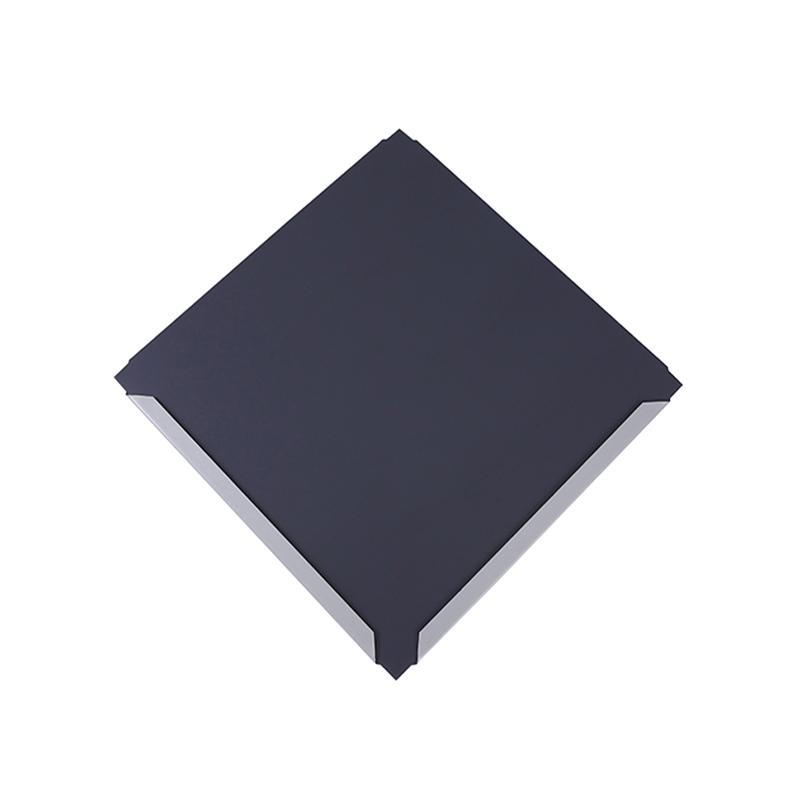
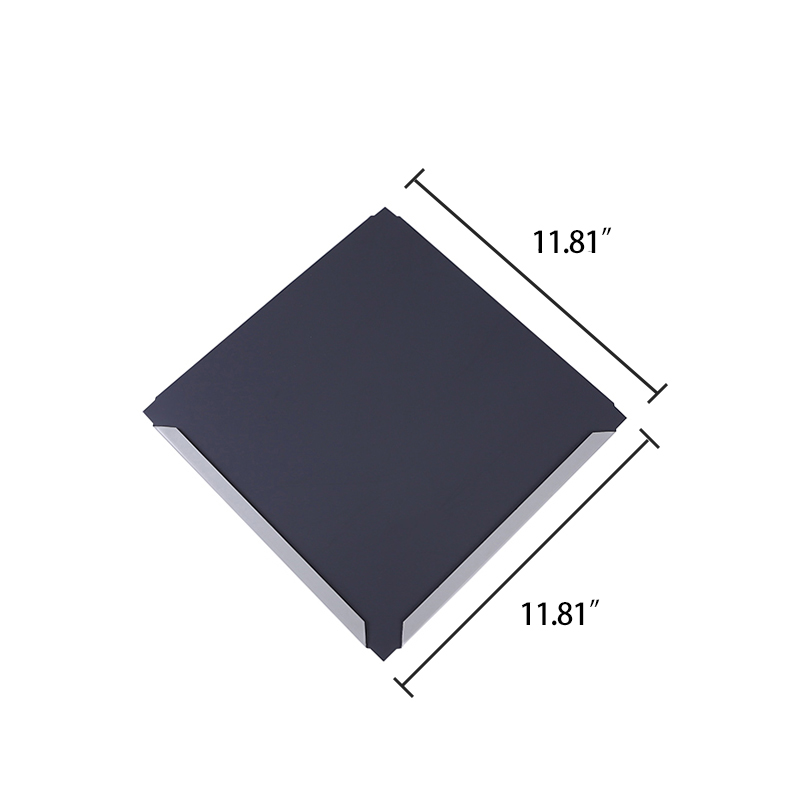 Square Metal Roofing TileThis flat lock panel creates a nearly seamless, modular appearance through folded-edge interlocking. It is well-suited for sloped roofs and contemporary facades, and the small square units easily adapt to irregular curved surfaces.View Product →
Flat lock panels offer a clean, almost seamless look when installed. They are locked together by folding the edges, which creates a tight joint. These panels are ideal for both roofing and wall cladding on buildings with sloped surfaces, and they work particularly well for contemporary facades. Our square metal roofing tile is a popular flat lock option that delivers a refined, modular appearance.
Decorative Metal Tiles
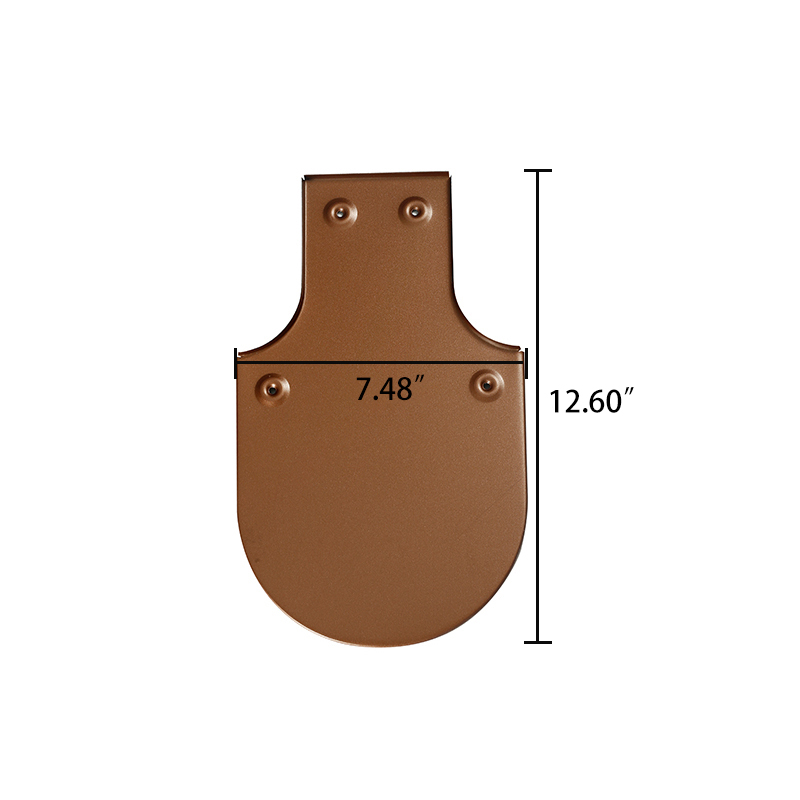 190 Model Fish-scale Metal TilesThese decorative metal tiles replicate the look of classic slate or wood shakes in a fish-scale pattern. Their compact size and retro style are perfect for domed, conical, or arched roofs, offering low-maintenance and fire-resistant metal benefits.View Product →
For projects that require a distinctive visual character—such as cultural buildings, villas, or tourist attractions—decorative metal tiles like fish‑scale shingles or antique‑style tiles add a layer of texture and tradition. Our 190‑model fish‑scale metal tiles replicate the charm of classic slate or wood shakes while offering the low‑maintenance and fire‑resistant benefits of metal. They can be installed on both roofs and vertical surfaces to create eye‑catching patterns.
Key Benefits of Metal Roofing
Metal roofs offer a combination of advantages that few other roofing materials can match.
- Exceptional longevity: A properly installed metal roof can last 50 years or more, often outliving the building itself. Unlike asphalt shingles that require replacement every 15‑20 years, metal is a long‑term investment.
- Energy efficiency: Cool‑coated metal panels reflect solar radiation, reducing heat absorption. This can lower cooling costs by up to 40% in hot climates, a fact supported by industry research.
- Fire resistance: Metal is non‑combustible and earns the highest Class A fire rating, providing peace of mind in wildfire‑prone regions.
- Weather resilience: Metal roofs withstand high winds, heavy snow loads, and hail impact. They are engineered to handle extreme conditions without cracking or curling.
- Environmental sustainability: Most metal roofing materials contain recycled content and are fully recyclable at end of life, reducing landfill waste.
Choosing the Right Metal Roof for Your Project
Selecting the optimal metal roofing system depends on several factors. Climate plays a major role: for coastal areas, aluminum or zinc are preferred due to salt‑air corrosion; for heavy‑snow regions, standing seam panels with high snow‑load ratings are advisable. Architectural style is equally important—standing seam suits modern designs, while decorative tiles complement traditional or heritage buildings. Budget is another consideration; steel‑based systems are the most economical, while copper and zinc command a premium but offer unmatched aesthetics and longevity.
We also recommend consulting with experienced manufacturers and installers early in the design process. Our team regularly partners with architects and contractors to provide technical support, from structural calculations to color matching. If you are involved in specifying roofing for a project, you may find our resources for architects and designers helpful in navigating these decisions.
Installation and Maintenance
Professional installation is critical to maximizing the life of a metal roof. Unlike asphalt, metal panels require precise alignment, proper fastening, and correct sealant application to prevent leaks and thermal issues. We offer comprehensive installation services and provide detailed training to contractor partners. Once installed, metal roofs demand very little maintenance—occasional debris removal, gutter cleaning, and an annual inspection are usually sufficient. Because metal does not rot, warp, or attract pests, the ongoing care is minimal compared to traditional materials.
Metal roofing is a versatile, durable, and increasingly accessible solution for virtually any building type. Whether you are a developer planning a commercial complex, an architect designing a landmark structure, or a contractor looking for reliable material supply, understanding the full range of systems and benefits will help you make an informed choice. With decades of hands‑on experience in metal roofing manufacturing and installation, we are here to support your next project—from initial concept through long‑term performance.
Recommended Products
News
-
-
Metal roofing refers to a roofing system that uses metal sheets as the roofing material, integrating the structural layer and waterproofing layer into one. There are many types of metal sheets, includ...
READ MORE -
Your roof is one of the few building components that works for decades without being touched. When you compare the cost of a metal roof with a conventional asphalt shingle roof, the sticker price mak...
READ MORE -
Flat roof tiles are low-profile roofing units built for roofs with a pitch under roughly 10 to 15 degrees, where standard sloped tiles can't shed water fast enough on their own. Instead of relying pu...
READ MORE

 DOWNLOAD
Copyright © Suzhou Donghong Metal Materials Technology Co., Ltd.
All Rights Reserved.
 Custom Metal Roofing Sheets Manufacturers


QUICK LINKS
PRODUCT
CONTACT US
-
 Email: DonghongMetal@outlook.com
-
 WahtsApp: +86 18036113307
-
 Mobile Phone: +86-185 5030 2515
-
 WhatsApp Business: 852-55025164
-
 Address: No. 16 Hongyun Road, Fuqiao Town, Taicang City, Suzhou, Jiangsu Province, China