LANGUAGE
 English
 Español
 عربى
عربى
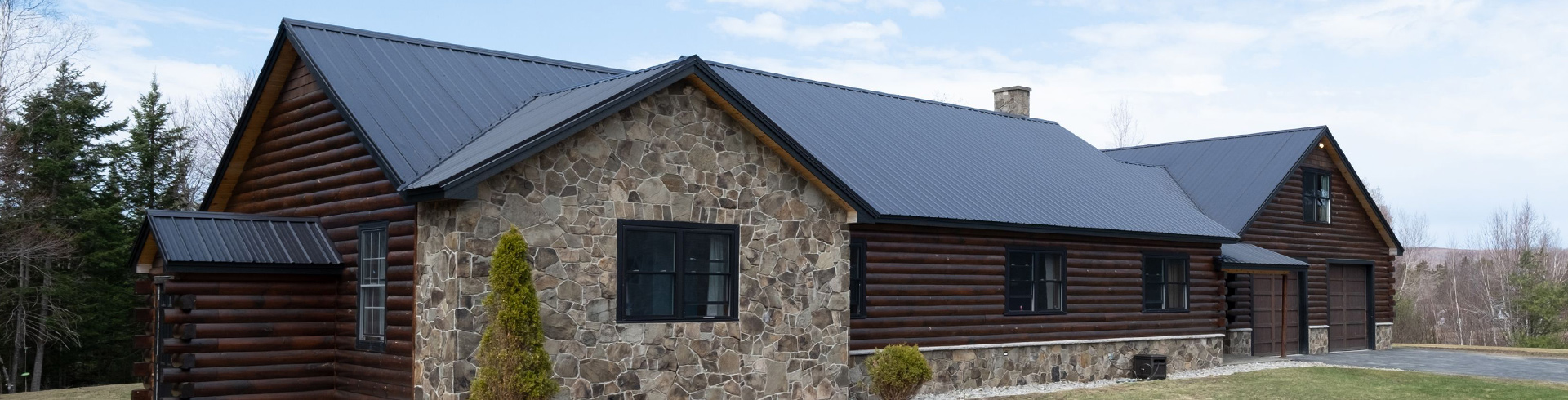
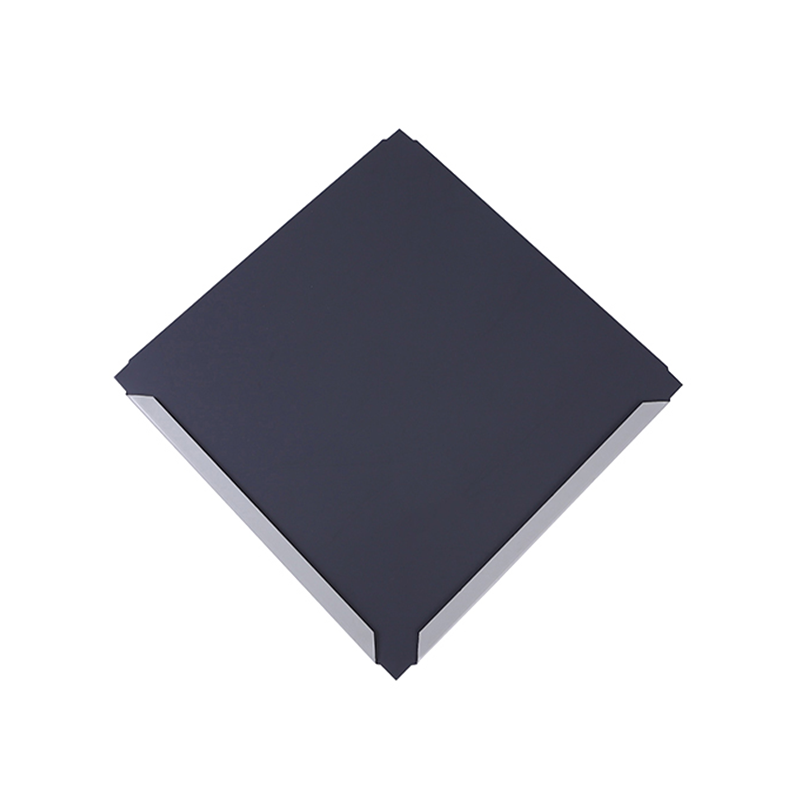
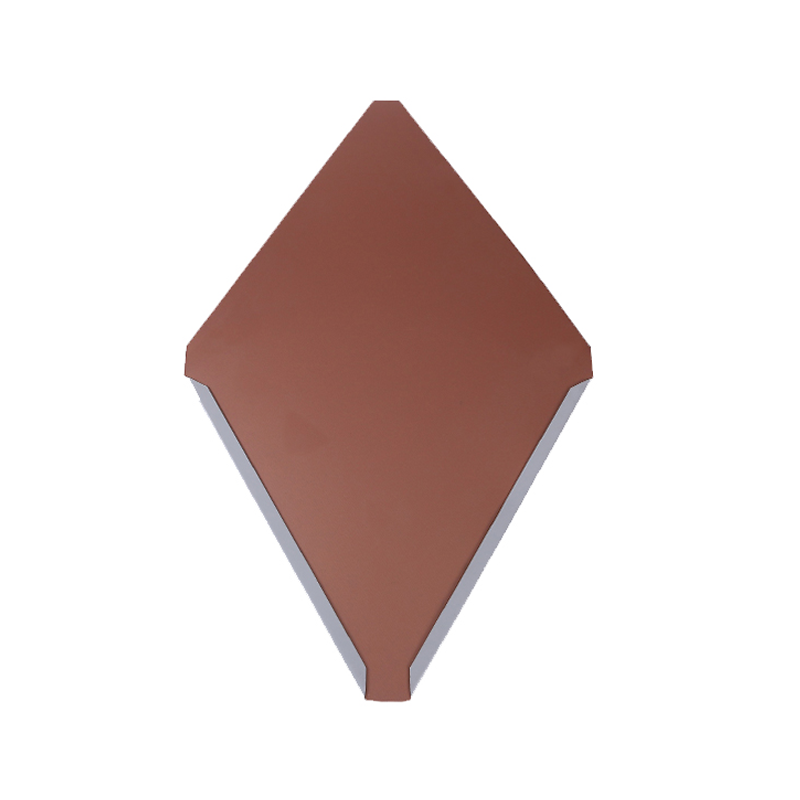
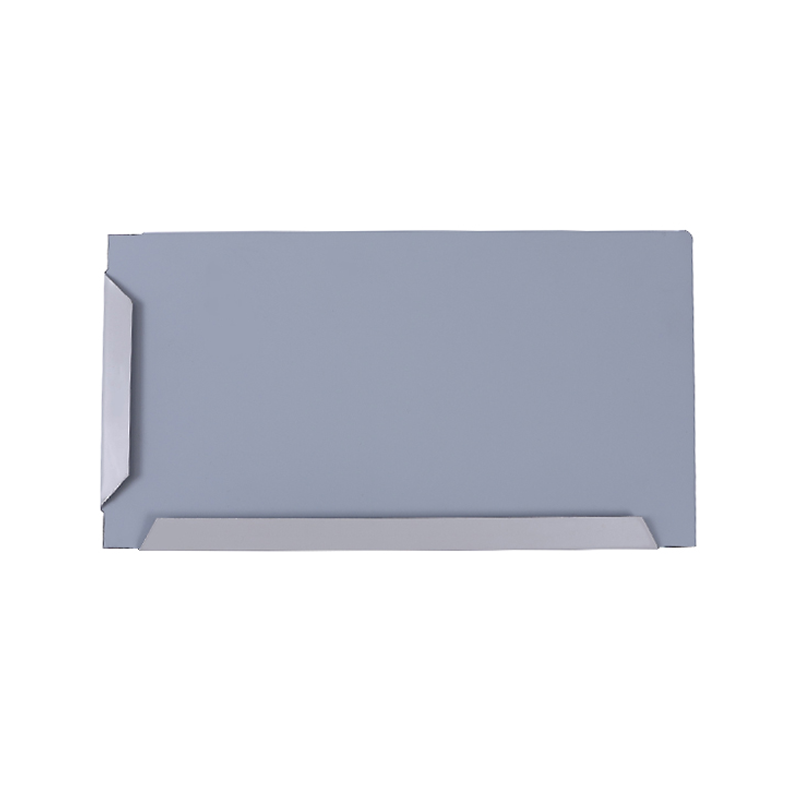

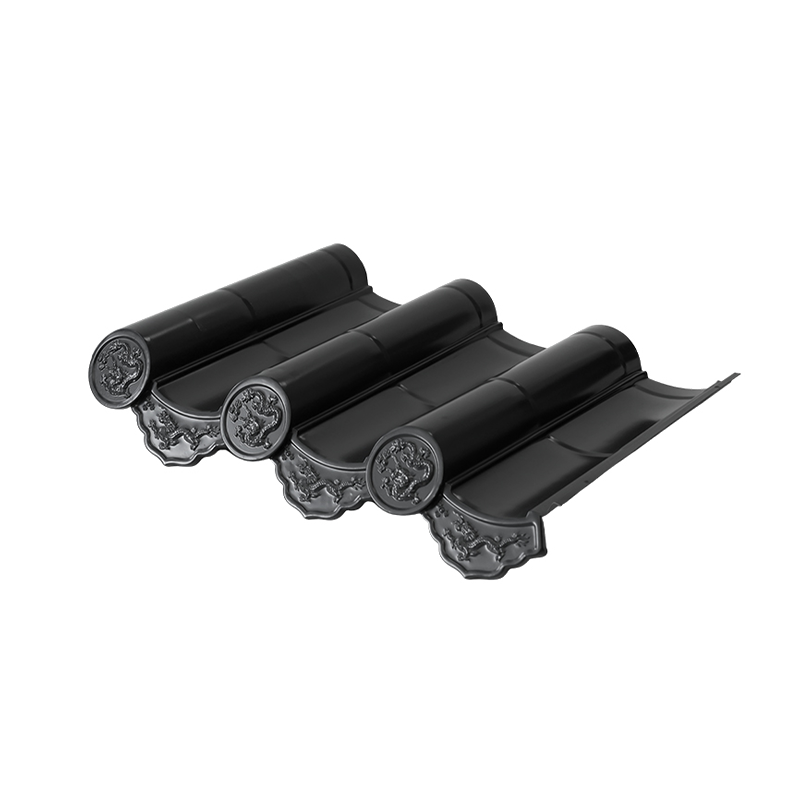
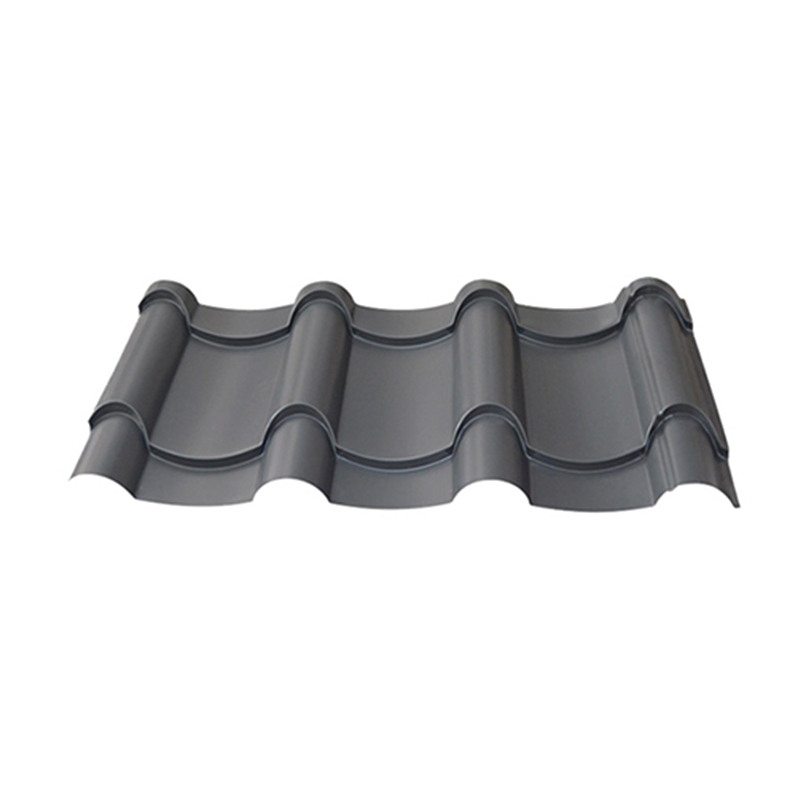
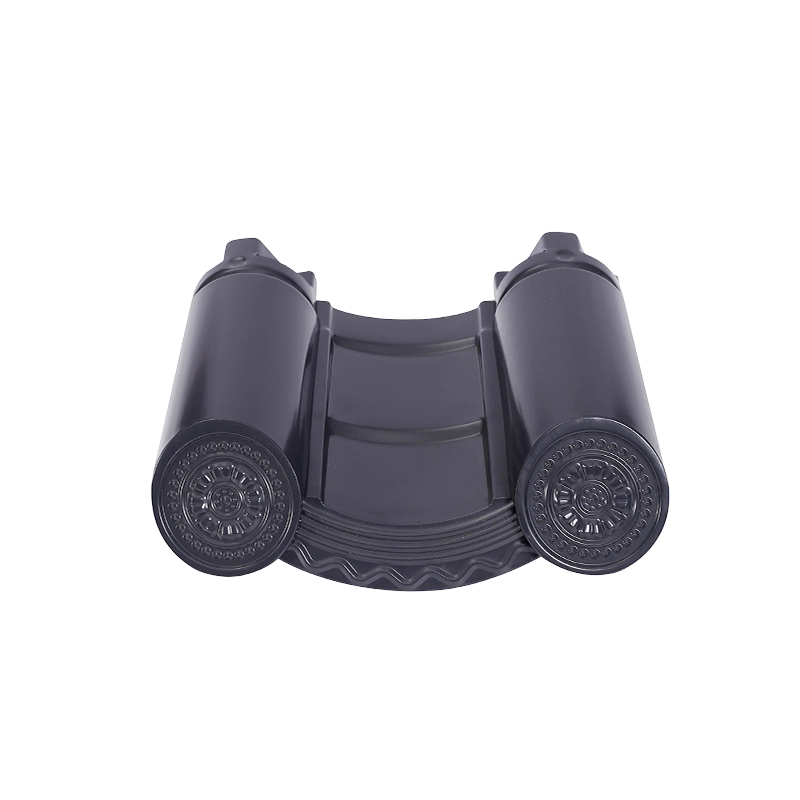
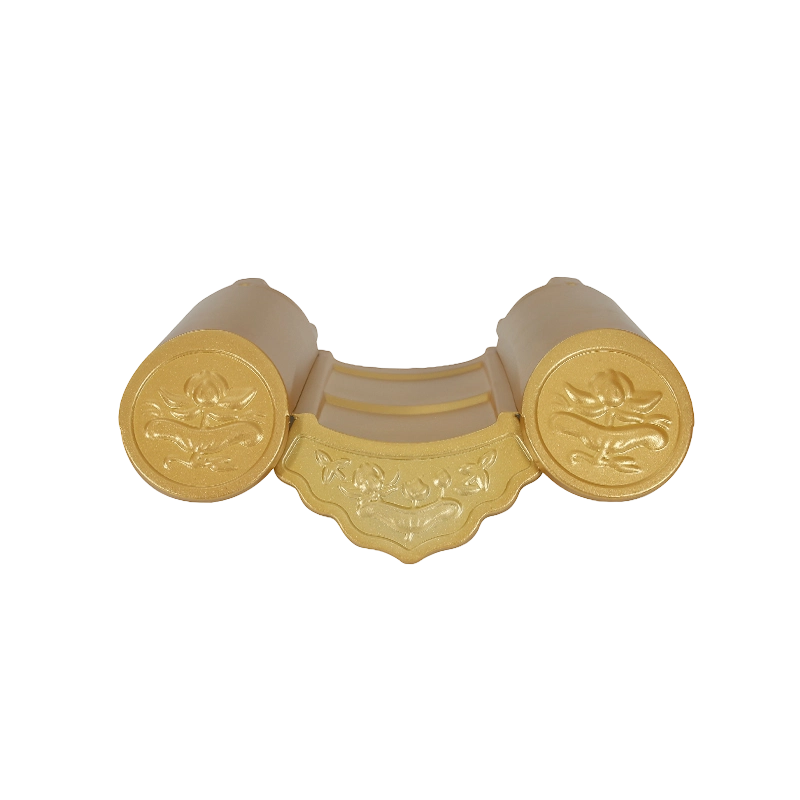
Coastal & Seaside Roofing Specifications
| Item | Typical Range / Option |
| Recommended base materials | Aluminum alloy (standard); ZAM-coated steel or 316 stainless for extreme exposure |
| Coating | PVDF fluorocarbon coating strongly recommended for coastal UV and salt exposure |
| Typical thickness | 0.8mm - 1.2mm, often at the higher end of the standard range for wind resistance |
| Seam and clip specification | Enhanced clip spacing and seam engagement for high-wind coastal wind uplift resistance |
| Fastener compatibility | Corrosion-resistant fasteners specified to match the base panel material |
| Color options | Full RAL color chart; lighter colors sometimes preferred for reduced thermal load |
| Typical applications | Beachfront resorts, coastal residences, marine facilities, seaside commercial buildings |
| Storm performance consideration | Panel and clip specification adjusted per local wind zone and storm exposure category |
We recommend sharing the specific distance from the shoreline and the general storm exposure category of the project's location, since a beachfront property directly facing open ocean requires a meaningfully different specification than a coastal-adjacent property set back from direct salt spray, even though both fall broadly under the "coastal" category.
We also recommend factoring in the building's specific roof geometry relative to prevailing wind direction, since a roof section facing directly into prevailing coastal winds experiences meaningfully higher uplift pressure than a sheltered leeward section of the same roof, and this zone-specific approach to specification often provides better value than applying a single uniform high-wind specification across the entire roof regardless of actual exposure.
We are glad to walk through this zone-specific approach in detail during an initial technical consultation for any coastal project.
Pricing Structure and Minimum Order Quantity
Coastal roofing pricing follows our standard per-square-meter approach based on the selected material, thickness, and coating, with aluminum alloy generally representing a moderate premium over standard inland Galvalume specifications, reflecting the corrosion-resistance performance this environment genuinely requires rather than an optional upgrade. For extreme exposure environments requiring ZAM-coated steel or 316 stainless steel, pricing reflects these materials' respective premium positioning.
Minimum order quantity is generally accommodating for individual coastal residential or commercial projects, and we can supply both smaller beachfront homes and larger resort or commercial coastal developments within our standard flexible, project-based pricing approach. We provide itemized quotations that clearly reflect the corrosion-resistance investment being made in the specification, helping developers understand the cost trade-off between a lower-cost inland-grade specification and the more resilient coastal-appropriate specification we recommend.
We encourage coastal buyers to think about total lifecycle cost rather than only upfront price, since a roofing failure in a severe coastal environment often necessitates premature and costly full replacement, making the modest additional upfront investment in a properly coastal-rated specification typically worthwhile over the building's full ownership period.
We also recognize that coastal development budgets sometimes need to balance roofing investment against other storm-resilience measures for the same building, such as impact-resistant windows or elevated foundation design, and we are glad to provide clear cost information that helps a developer make informed trade-offs across these different resilience investments within an overall project budget.
We aim to make this trade-off analysis as clear and straightforward as possible for developers managing a complex, multi-system resilience budget.
Manufacturing Capacity and Lead Time
Coastal roofing orders are produced across our 12 automated production lines at our 10,000㎡ Taicang, Suzhou facility, with production planning able to accommodate both individual coastal residential projects and larger resort or commercial coastal developments within the same overall scheduling framework.
Lead time depends on material, thickness, coating, and total order volume, with our standard aluminum alloy product line generally offering efficient production timelines comparable to our broader aluminum roofing category. For projects specifying ZAM-coated steel or 316 stainless steel for extreme exposure environments, lead time may run somewhat longer given these materials' more specialized coil sourcing.
Given that coastal construction is sometimes scheduled around a specific seasonal weather window to avoid working during peak storm season, we understand that delivery timing can carry particular importance for coastal projects, and we aim to provide a realistic, specific lead-time commitment that accounts for this kind of seasonal construction planning consideration where relevant to the project.
We also maintain awareness of regional hurricane and typhoon seasons across our major export markets, and proactively flag to coastal buyers when a specific shipping or production timeline might be affected by an approaching seasonal weather pattern relevant to either our shipping route or the buyer's own construction site.
We also encourage coastal buyers to order slightly ahead of their planned installation date where possible, building in a reasonable buffer against any unexpected weather-related shipping delay that can occasionally affect ocean freight during active storm seasons.
We find this proactive scheduling awareness particularly valuable for coastal projects where shipping delays can have outsized consequences on a tight construction timeline.
Trade Terms, Payment and Compliance
Coastal roofing projects are supported under our standard international trade terms, including FOB, CIF, and DDP where appropriate, with payment generally following standard practice of a deposit before production and balance due before or against shipping documents.
Because coastal and beachfront construction is frequently subject to specific local building codes addressing wind resistance and storm performance, sometimes more stringent than standard inland building codes, we encourage developers to confirm these requirements with their local structural engineer or building authority early in the process, so any documentation or testing requirements can be addressed at the specification stage.
Standard export documentation, including commercial invoices, packing lists, and certificates of origin, is provided as a matter of course, with mill test certificates and coating test data available to support a coastal project's own local building code compliance documentation.
We also recommend coastal developers confirm any specific insurance industry wind or impact rating requirements relevant to their property, since insurers in some coastal markets offer premium benefits for buildings meeting certain documented wind-resistance specifications.
We are glad to discuss these insurance-related documentation questions directly with a developer's insurance broker where this kind of three-way coordination would be helpful for finalizing a project's specification.
We recognize this kind of three-way coordination between manufacturer, developer, and insurer can meaningfully strengthen a project's overall documentation.
We are glad to prepare documentation in whatever specific format best supports this three-way review process for a given project.
Please reach out with any specific question about coastal building code documentation for your region.
Frequently Asked Questions About Coastal & Seaside Building Roofing
What is the best roofing material for a beachfront property? Aluminum alloy is generally the preferred choice for coastal and beachfront properties given its natural corrosion resistance in salt-air environments, significantly outperforming standard painted steel over a multi-decade service life.
Do I need a special coating for a coastal roof? Yes, PVDF fluorocarbon coating is strongly recommended for coastal applications given the intense UV and salt exposure these environments typically involve.
Is stainless steel necessary for a coastal property, or is aluminum sufficient? Aluminum alloy is generally sufficient for most coastal environments; 316 grade stainless steel is typically reserved for extreme, direct salt-spray exposure environments where the additional cost is justified.
Can your roofing withstand typhoon or hurricane-force winds? Seam and clip specifications can be adjusted for high-wind coastal sites; sharing your region's specific wind zone allows our team to recommend an appropriate configuration.
How much closer to the shoreline does the specification need to change? We recommend sharing your property's exact distance from the shoreline and general exposure conditions so we can recommend the most appropriate material and coating combination for your specific situation.
Will a cheaper inland-grade material work if I paint it more often? We generally do not recommend this approach, since accelerated coastal corrosion is difficult to fully offset with more frequent repainting alone, and a properly specified coastal-grade material is typically more cost-effective over the building's full service life.
Do you have specific performance data for tropical coastal climates? Yes, our Siem Reap Angkor International Airport project provides relevant performance evidence from a hot, humid climate with comparable material stress factors.




 DOWNLOAD