LANGUAGE
 English
 Español
 عربى
عربى
If you are weighing metal roofing against asphalt shingles, the decision rarely comes down to which product looks better. It comes down to how long you plan to stay in the building, what your local w...
READ MORE
Industry News
Home / News / Industry News / Advantages of Metal Roof Over Shingles: The Practical Long-Term Choice
Advantages of Metal Roof Over Shingles: The Practical Long-Term Choice
Update:21 Sep 2026
Content
Replacing a roof is one of those decisions most homeowners put off until water stains appear on the ceiling. Once the shingles start curling or losing granules, the question becomes whether to re-shingle again or switch to a metal roof. The short answer: if you plan to stay in the property for more than a few years, metal roofing is the stronger investment. That statement is based on service life, energy performance, and total cost of ownership, not on marketing hype. Let’s look at the facts that matter when you are comparing metal roofs over shingles.
What the Numbers Show: Metal Roofs vs. Shingles
Metal roofs routinely last 40 to 70 years, while asphalt shingles typically survive 12 to 20 years depending on climate and ventilation. In many areas, a shingle roof will need replacement twice before a quality metal roof reaches its first major service point.
| Category | Metal Roof | Asphalt Shingles |
|---|---|---|
| Service life | 40–70 years | 12–20 years |
| Wind rating | 110–140+ mph | 60–110 mph |
| Heat reflection | Reflects 50–70% of solar heat | Absorbs most solar heat |
| Fire classification | Class A (non-combustible) | Varies, often Class A with treatment |
| Upfront cost | $8–$15 per sq. ft. | $3–$7 per sq. ft. |
| 30-year total cost | Often lower due to fewer replacements | Higher with multiple replacements and repairs |
The upfront price difference is the main reason many homeowners hesitate. However, the total cost calculation usually flips by the third decade. Let’s put numbers into perspective. A 20-year horizon with asphalt shingles commonly includes two complete re-roofs plus several minor repairs. The same period with a quality metal roof typically requires no replacement and only occasional seam or fastener checks. Even with metal costing three or more times as much per square foot, these avoided costs can close the gap. In addition, metal roofing does not deteriorate from UV exposure, so the finish stays good-looking longer.
Practical Installation Advantages
One of the largest practical advantages of upgrading a shingle roof is that the metal panels can often be installed directly over the existing shingle layer. This avoids the cost, labor, and disposal fees associated with tearing off an old roof. The weight of metal roofing is lower than most asphalt shingle systems, which reduces stress on the structure and allows the old layer to serve as an extra underlayment in some cases.
However, an over-shingle installation is not always appropriate. The existing deck must be in sound condition, the roof pitch must be sufficient, and ventilation needs to be maintained. A professional inspection is essential before deciding. When conditions are right, this approach can reduce installation time and keep the interior protected during the project. For a closer look at the cost factors involved in metal roof systems, see our standing seam metal roof panels cost guide.
- Metal panels can be manufactured to longer lengths than shingles, which means fewer horizontal seams and less opportunity for leaks.
- The lighter weight of steel or aluminum roofing allows the existing structure to remain unchanged in most re-roofing jobs.
- Fasteners, flashings, and underlayments can be selected to match the specific slope and climate, giving the contractor more control over the final result.
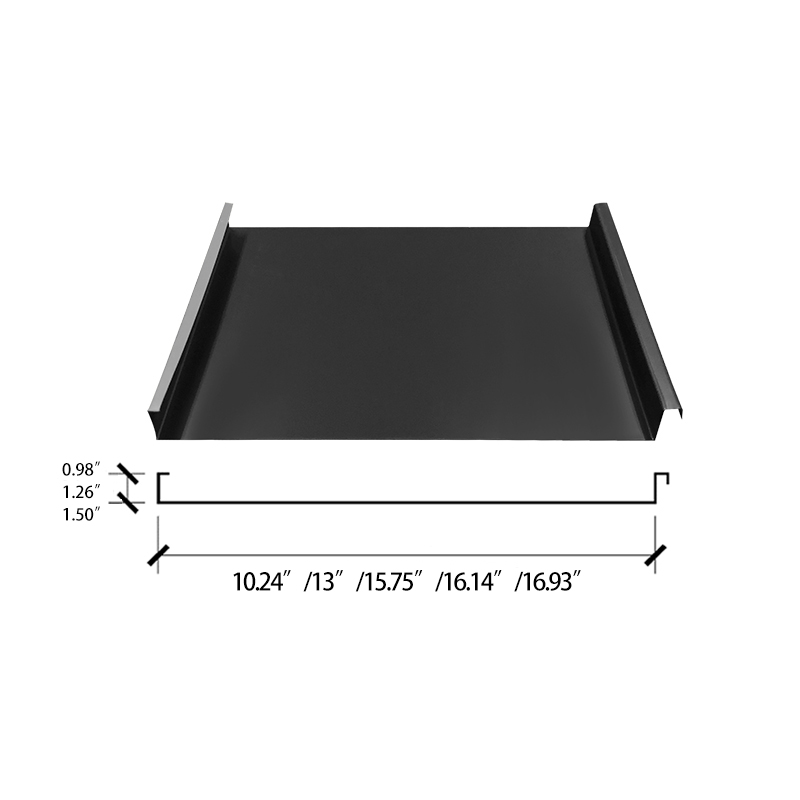 25/32/38 Model Standing Seam Metal Roof Panels with Concealed FixationThese panels feature double edge profiles and vertical interlocking for a seamless, watertight roof. Their lightweight aluminum or copper construction allows for curved and fan shapes, ideal for upscale residential or hospitality projects.View Product →
Energy Efficiency and Daily Comfort
Metal roofing is highly reflective by nature. Depending on the finish and coating, it can reflect between 50% and 70% of solar radiation. This reduces the amount of heat entering the attic space, which directly decreases the workload on air conditioning in summer. In warmer climates, homeowners have reported meaningful reductions in cooling costs after switching from dark asphalt shingles to a properly finished metal roof.
The benefit continues in cold weather. During winter, a metal roof does not inherently add insulation, but because the long panels minimize seams, there are fewer paths for heat escape. Combined with a properly specified underlayment, the overall assembly can perform better than a shingle system, which relies on many small pieces with overlapping layers that can shift and open over time.
Resilience Against Wind, Hail, and Fire
Shingles are vulnerable to uplift when wind speeds exceed about 100 mph. A properly installed metal roof, especially one with concealed fasteners or standing seam profiles, is designed to withstand hurricanes and severe storms. Metal sheets do not crack or break under hail in the same way that asphalt shingles do, and they will not burn when exposed to sparks or direct flame.
Metal roofs naturally shed snow more easily than shingle roofs. This reduces the weight load on the structure and lowers the risk of ice dams, as the snow slides off quickly rather than melting and refreezing at the eaves. For properties in wildfire-prone regions or areas with frequent hail, this resilience is not just a convenience; it is a real risk reduction. Many metal roofing systems carry Class A fire ratings, meaning they provide the highest level of protection against external fire sources.
Design Flexibility and Curb Appeal
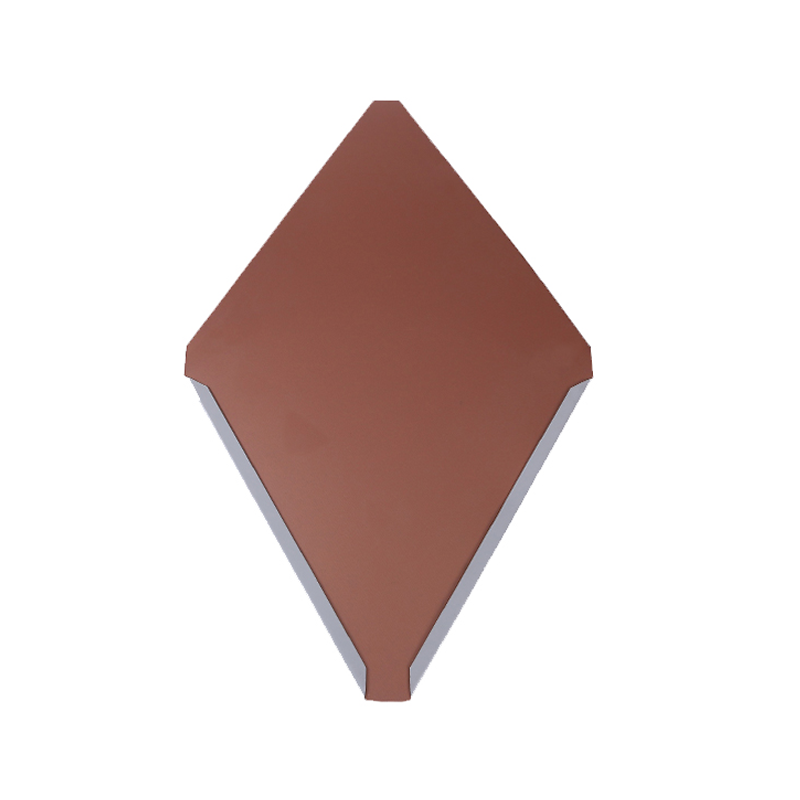
Metal roofing has moved far beyond the industrial gray panels of the past. Modern systems come in a range of profiles, from standing seam panels with clean, vertical lines to flat-lock metal tiles that create a traditional square or diamond pattern. The color palette is extensive, and the finishes can mimic wood shake, slate, or even old-fashioned clay tiles.
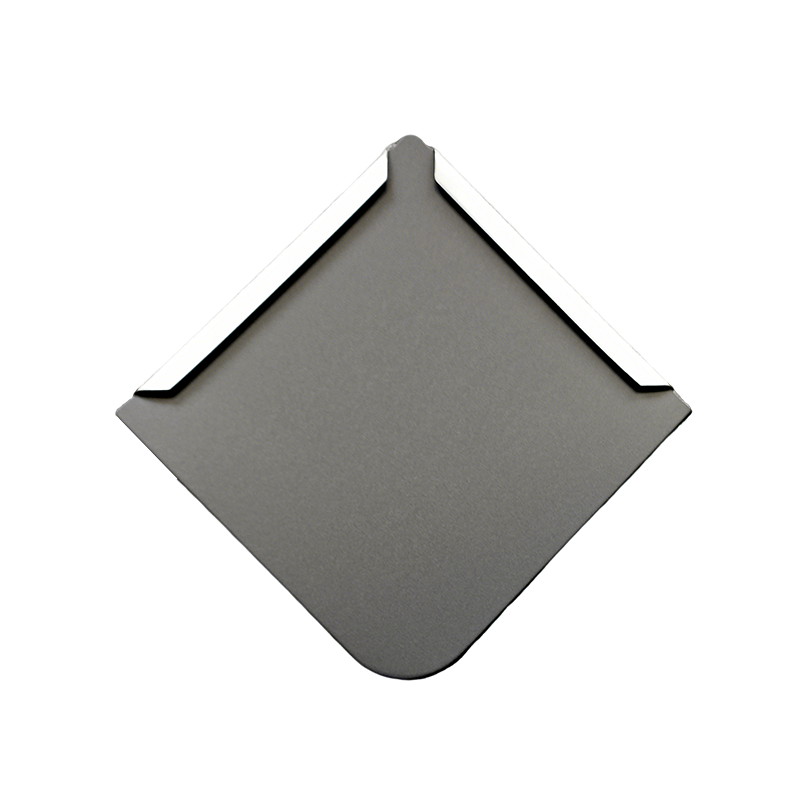
If the roof is a highly visible part of the building’s architecture, metal can allow for more expressive designs without sacrificing performance. For example, fish-scale metal tiles and temple-style metal tiles offer distinctive ornamental options for cultural buildings and specialty homes. This kind of flexibility is simply not available with standard shingles.
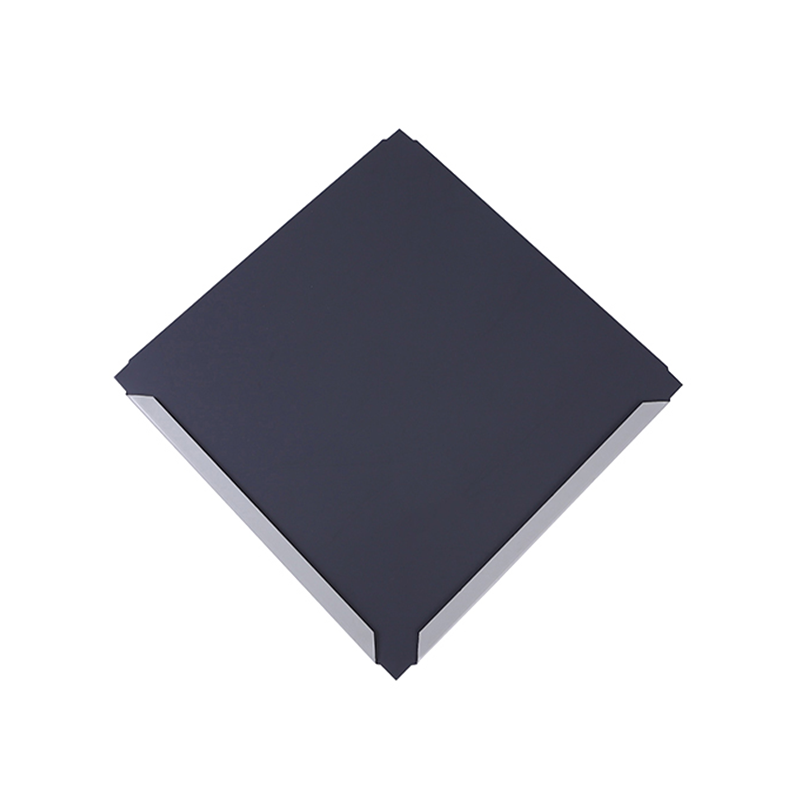
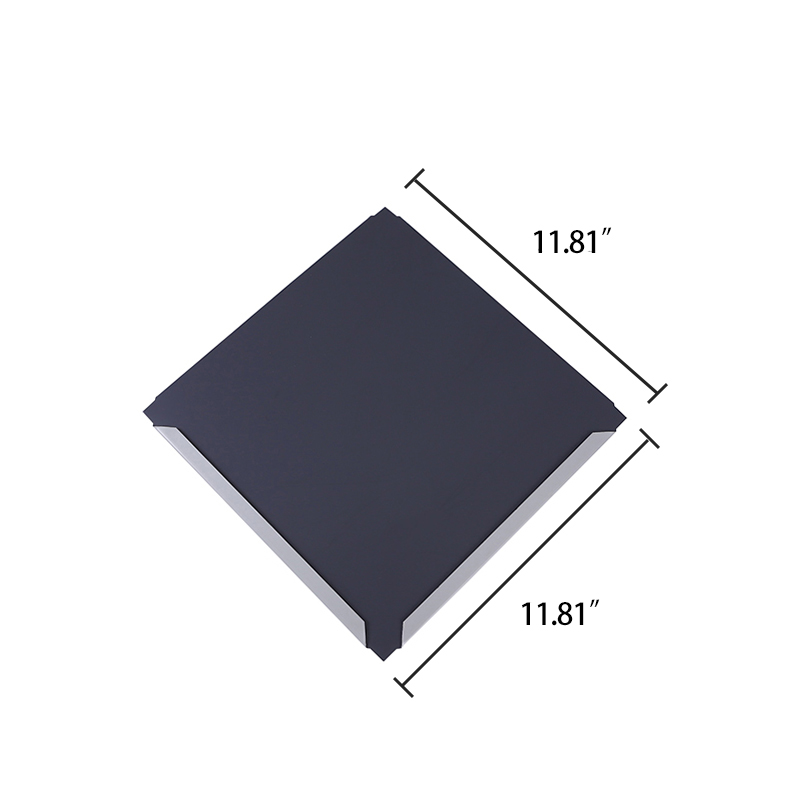 Square Metal Roofing Tile with Hidden Fasteners for Curved SurfacesThis tile system uses interlocking folded edges and hidden fasteners, offering a clean, modern grid appearance. It adapts easily to complex geometries, making it suitable for villas, theaters, and office buildings.View Product →
What to Evaluate Before You Commit
Making the switch to metal roofing requires a careful assessment of the building’s condition and your expectations. Use this checklist before you sign any contract.
- Inspect the structural deck for rot, delamination, or sagging. Any damaged decking must be replaced before the metal system is installed.
- Understand the roof slope. Very low-slope roofs need specialized detailing and might not be suitable for some snap-lock or flat-lock profiles.
- Review the fastening system. Standing seam panels with concealed fasteners handle thermal expansion better and reduce the risk of leaks.
- Check local building codes and homeowner association requirements. Some jurisdictions have restrictions on roof color or material.
- Get installation details from a supplier that offers design support and field experience. The value of metal roofing depends on how well the installation is executed.
Another point that contractors sometimes overlook is thermal movement. Metal panels expand and contract with temperature changes. If a system is installed without enough movement tolerance, panels can buckle or fasteners can loosen over time. A responsible manufacturer will provide clear installation details for the profile you select. Noise is also worth considering. Without proper underlayment, rain on a metal roof can be audible, but this is easy to solve with a continuous deck or a sound-dampening membrane.
The Bottom Line
Metal roofs provide clear advantages over shingles when you look at service life, resistance to weather, energy savings, and aesthetic options. The higher initial cost is real, but so is the reduced frequency of replacement and maintenance. The most important factor is not the material itself; it is the quality of the design and installation.
If you are replacing a shingle roof, ask your manufacturer for detailed information about the specific profile, gauge, and finish. Work only with teams that have experience in the system you choose. With the right support, a metal roof is a durable, low-maintenance upgrade that will outperform shingles for decades.
Recommended Products
News
-
-
Your roof is one of the few building components that works for decades without being touched. When you compare the cost of a metal roof with a conventional asphalt shingle roof, the sticker price mak...
READ MORE -
Standing seam metal and asphalt shingles are the two names you will hear most often when it is time to re-roof. The decision affects not only what you pay this year, but how often you will be back up...
READ MORE -
Metal roofing refers to a roofing system that uses metal sheets as the roofing material, integrating the structural layer and waterproofing layer into one. There are many types of metal sheets, includ...
READ MORE

 DOWNLOAD
Copyright © Suzhou Donghong Metal Materials Technology Co., Ltd.
All Rights Reserved.
 Custom Metal Roofing Sheets Manufacturers
Custom Metal Roofing Sheets Manufacturers


QUICK LINKS
PRODUCT
CONTACT US
-
 Email: DonghongMetal@outlook.com
 -
 WahtsApp: +86 18036113307
 -
 Mobile Phone: +86-185 5030 2515
 -
 WhatsApp Business: 852-55025164
 -
 Address: No. 16 Hongyun Road, Fuqiao Town, Taicang City, Suzhou, Jiangsu Province, China