LANGUAGE
 English
 Español
 عربى
عربى
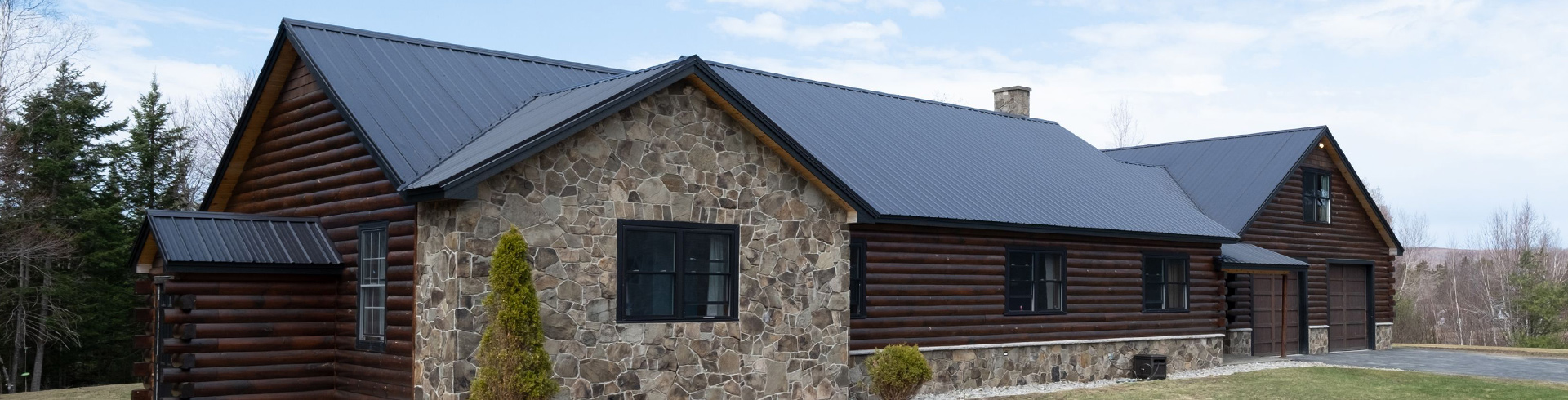
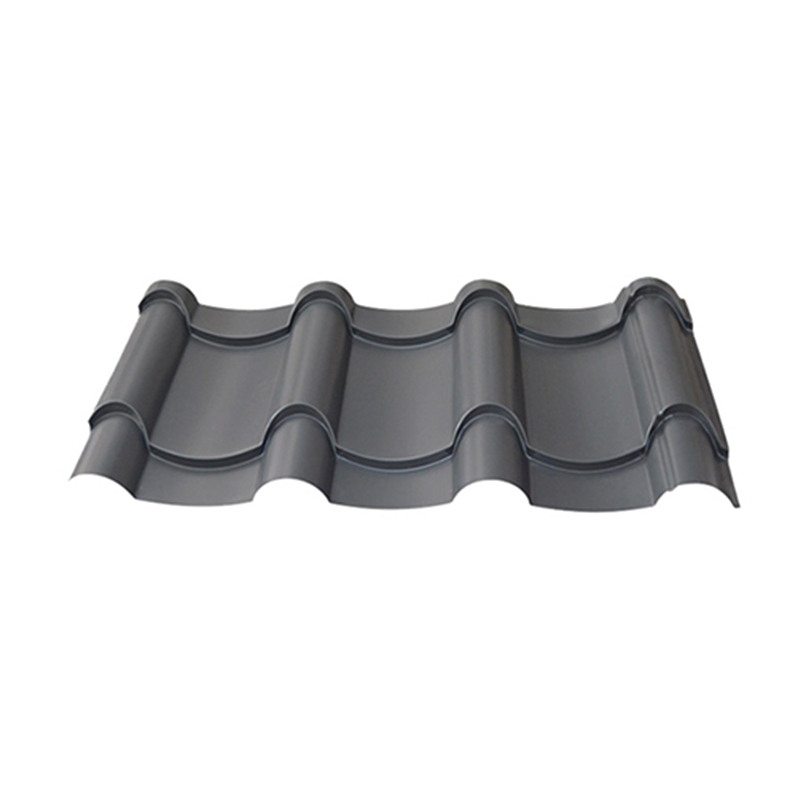
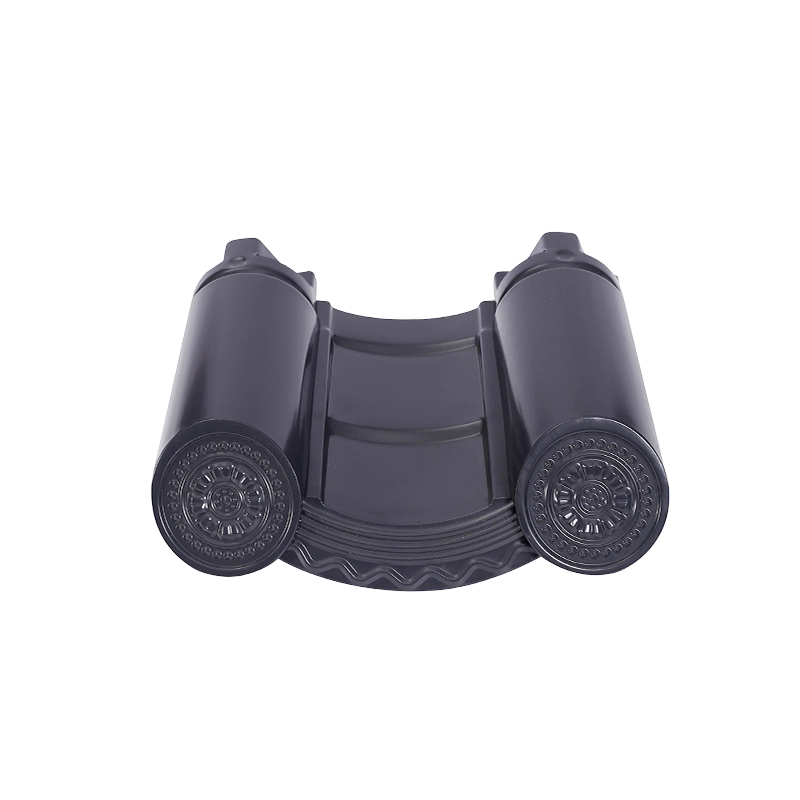
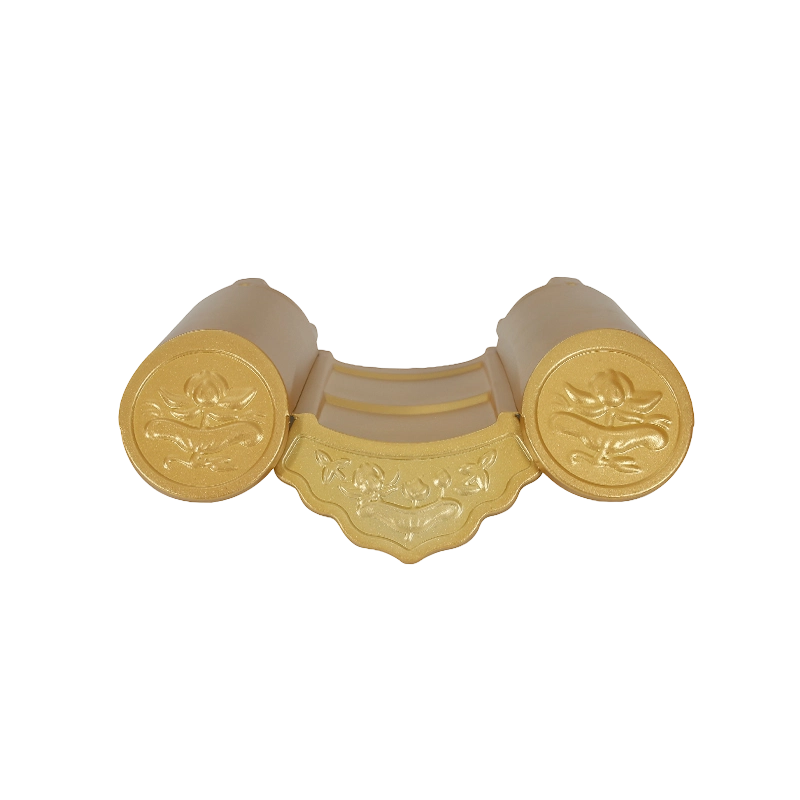
Your roof is one of the few building components that works for decades without being touched. When you compare the cost of a metal roof with a conventional asphalt shingle roof, the sticker price mak...
READ MORE
Advantages of aluminum roofing panel systems
Update:04 Jun 2026
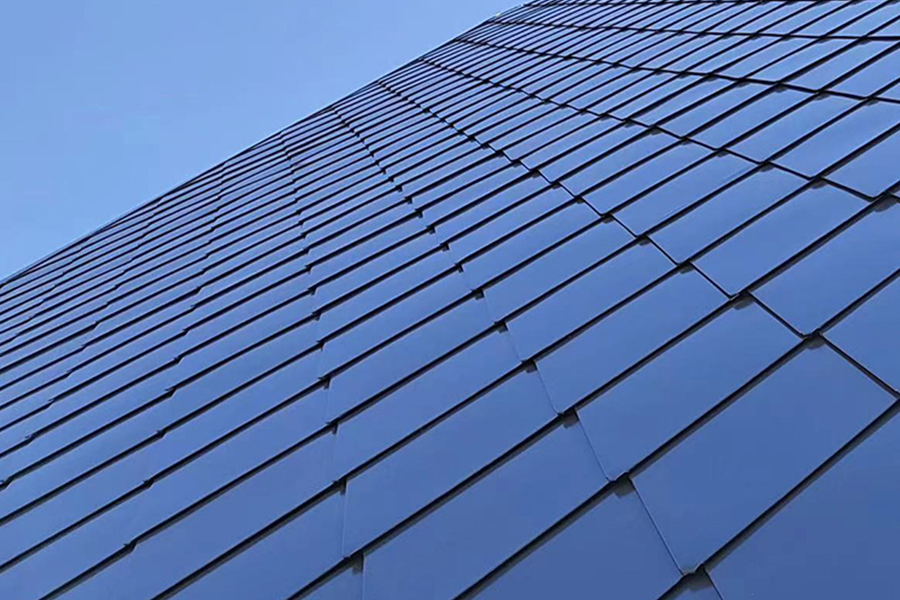
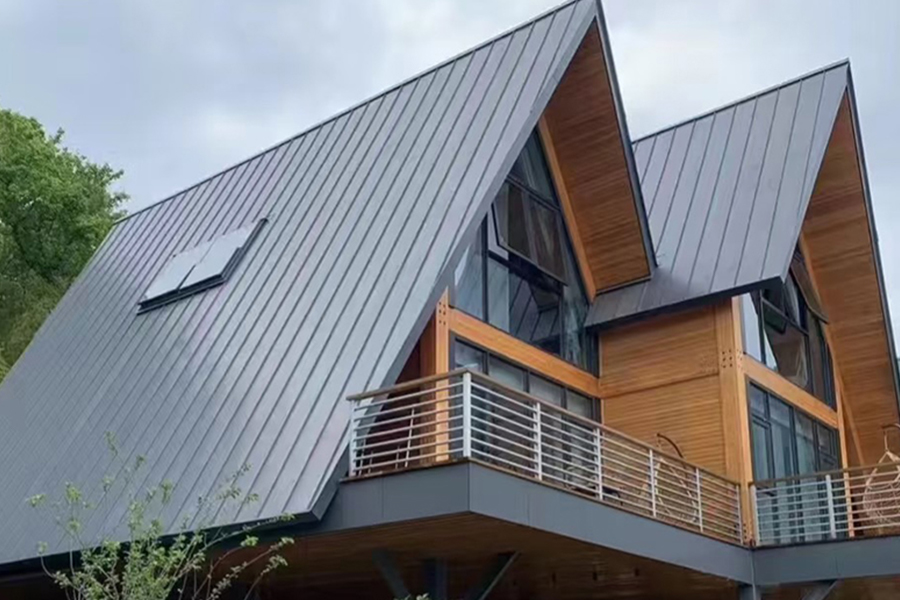
Advantages of aluminum roofing panel systems:
1. Constructed with high-strength, corrosion-resistant 3-series aluminum alloy, offering a service life of no less than 30 years under normal environments;
2. The surface coating enhances resistance to acid rain and industrial corrosion, while remaining unaffected by ultraviolet radiation, resisting microorganisms, and preventing aging;
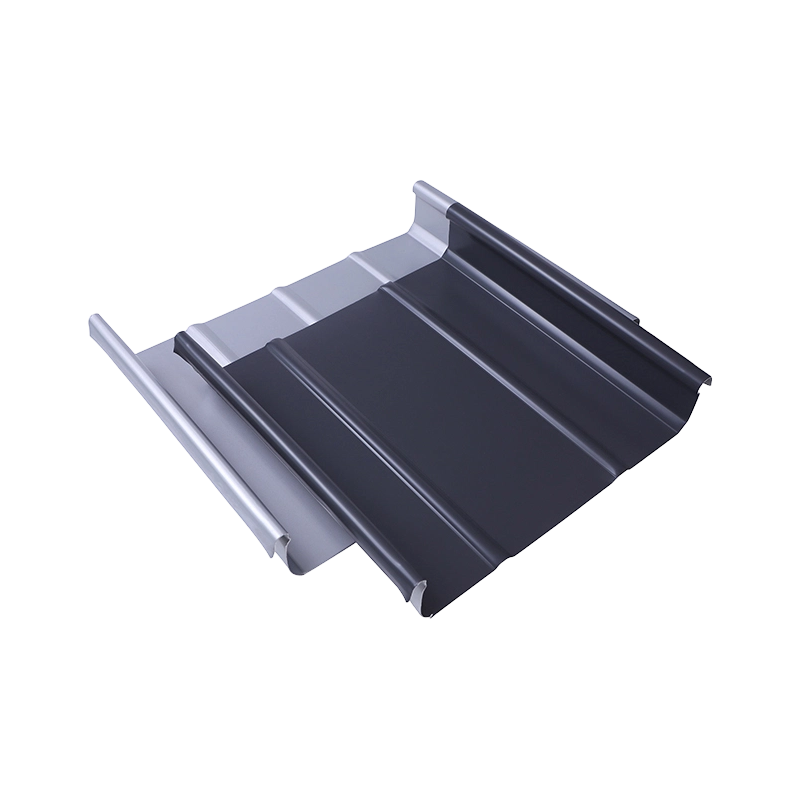
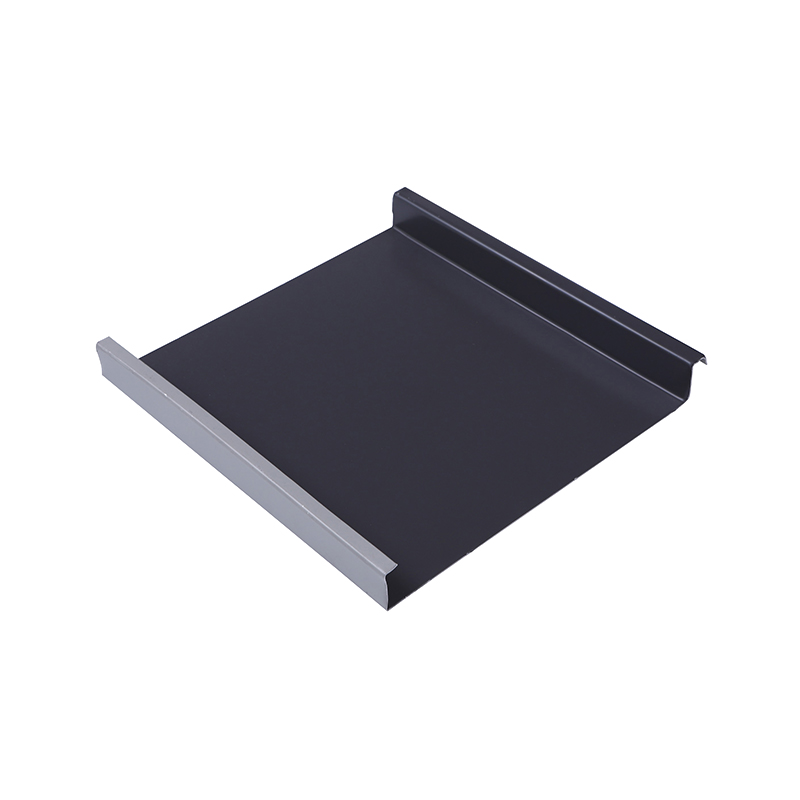
3. Based on a point or surface support technology system, standard machine-locked edges allow for a sliding interlocking between the aluminum supports and the roof panels, eliminating stress-induced damage to the roof due to temperature differences;
4. Fire rating: AA;
5. Mature lightning protection system design; the roof panels can function as independent lightning rods, eliminating the need for lightning protection strips. It can also be used in conjunction with lightning protection strips or lightning rods to form a safe, multi-layered lightning protection system;
6. Durable and requires no maintenance during normal use, with extremely high recycling value, saving costs, and suitable for roof additions and renovations;
7. Good plasticity and easy processing: It can be bent into straight plates, inner arcs, outer arcs, and fan shapes, adapting to various roof shapes—spherical, arc, and fan shapes—maximizing the satisfaction of designers' design concepts;
8. Diverse and aesthetically pleasing surface treatments: It can undergo anodizing, electrophoresis, chemical treatment, polishing, and painting to meet various architectural color requirements;
9. Lightweight: Aluminum's density is 2.73g/m³, only 1/3 that of steel;
10. High strength: High strength can be achieved through component configuration, processing, and heat treatment methods;
11. Good electrical conductivity. 11. Non-magnetic and low spark sensitivity, preventing electromagnetic interference and reducing flammability in special environments, with excellent heat radiation protection;
12. Easy installation; aluminum metal can be connected by riveting, welding, gluing, and other methods;
13. Environmentally friendly and recyclable;
14. Concealed fixing, no holes in the entire roof, reducing the risk of roof leaks;
15. The equipment can be processed on-site, avoiding the risk of leaks caused by overlapping roof panels due to excessively long single-slope roofs;
16. No joints, no screw holes, maintaining a complete building appearance;
17. Suitable for roofs with slopes as low as 1.5°;
18. Excellent wind pressure resistance (with base plate), especially suitable for areas prone to typhoons and storms;
19. Simple and quick machine roll-up, convenient and economical construction;
20. Easy to lay heat insulation and sound absorption layers.
Recommended Products
News
-
-
Replacing a roof is one of those decisions most homeowners put off until water stains appear on the ceiling. Once the shingles start curling or losing granules, the question becomes whether to re-shi...
READ MORE -
If you are weighing metal roofing against asphalt shingles, the decision rarely comes down to which product looks better. It comes down to how long you plan to stay in the building, what your local w...
READ MORE -
Metal roofing refers to a roofing system that uses sheet metal as the roofing material, integrating the structural layer and waterproofing layer into one. There are many types of metal sheets, includi...
READ MORE

 DOWNLOAD
Copyright © Suzhou Donghong Metal Materials Technology Co., Ltd.
All Rights Reserved.
 Custom Metal Roofing Sheets Manufacturers
Custom Metal Roofing Sheets Manufacturers


QUICK LINKS
PRODUCT
CONTACT US
-
 Email: DonghongMetal@outlook.com
 -
 WahtsApp: +86 18036113307
 -
 Mobile Phone: +86-185 5030 2515
 -
 WhatsApp Business: 852-55025164
 -
 Address: No. 16 Hongyun Road, Fuqiao Town, Taicang City, Suzhou, Jiangsu Province, China