LANGUAGE
 English
 Español
 عربى
عربى
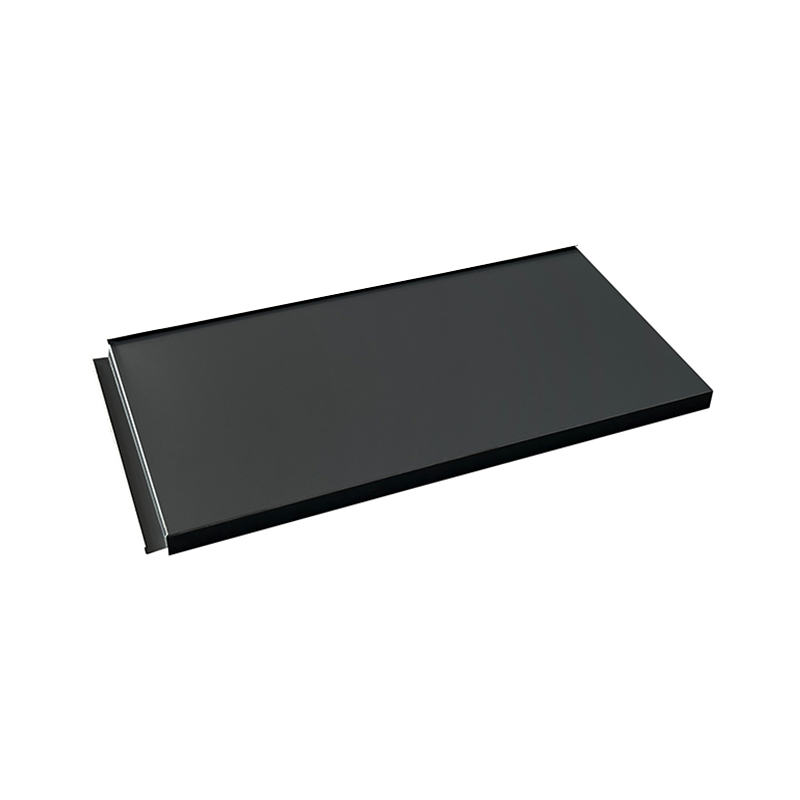
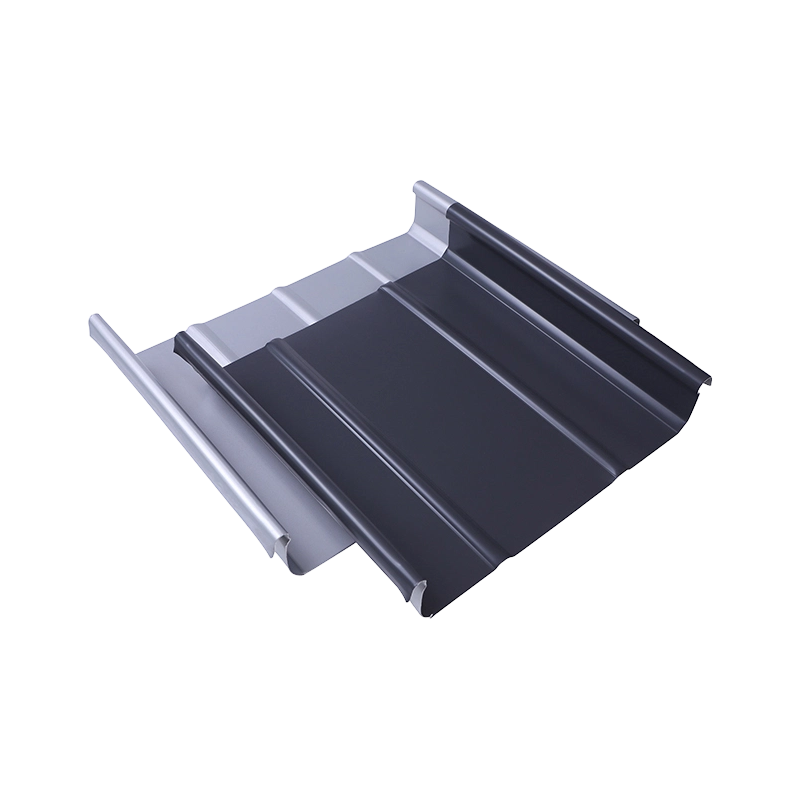
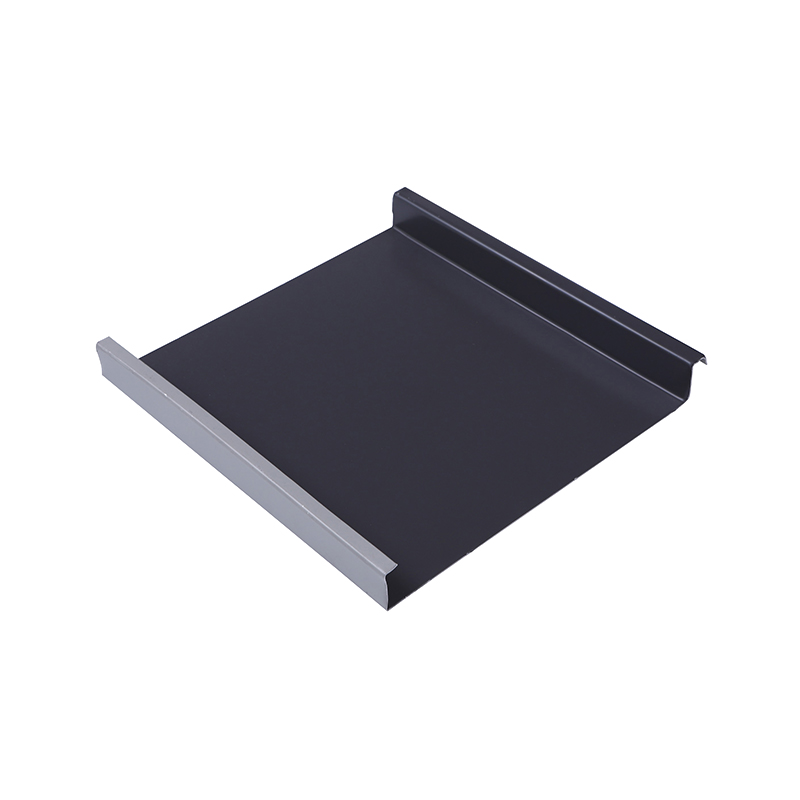
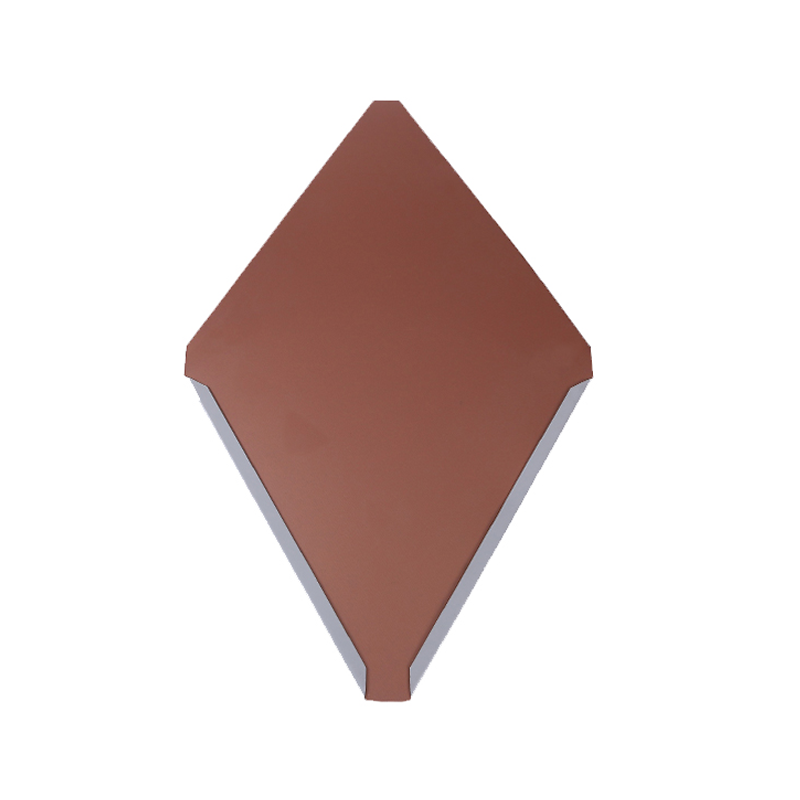
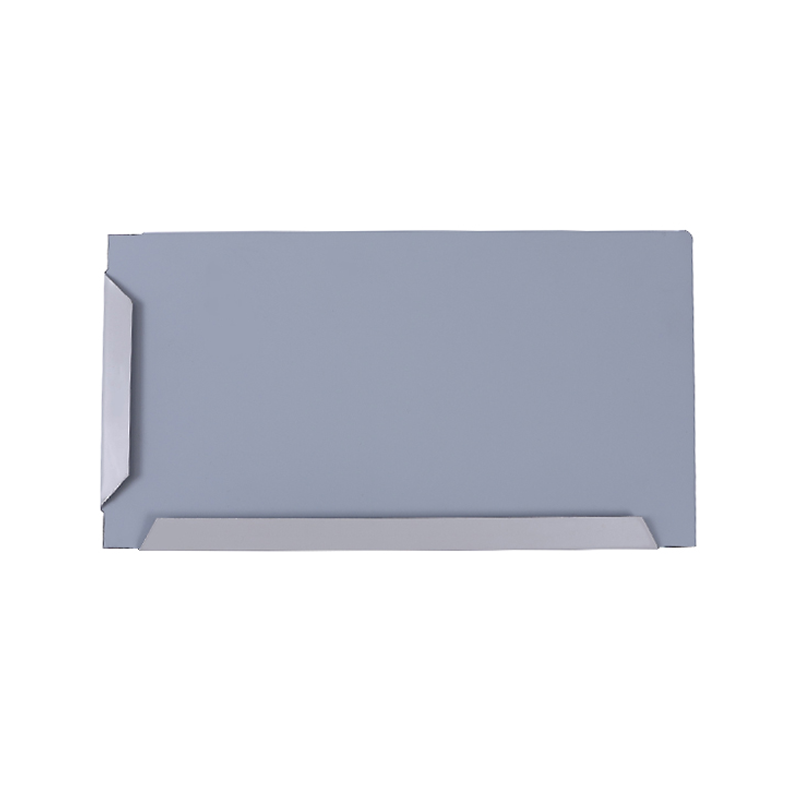
Standing seam metal roof panels last 40 to 70 years and cost between $9 and $16 per square foot installed, making them one of the most durable roofing investments available for both residential and c...
READ MORE
Industry News
Home / News / Industry News / Flat Roof Tiles Explained: Materials, Installation, and What Actually Holds Up Over Time
Flat Roof Tiles Explained: Materials, Installation, and What Actually Holds Up Over Time
Update:11 Aug 2026
Content
- 1 What Separates Flat Roof Tiles From Standard Pitched Tiles
- 2 Comparing the Main Flat Roof Tile Materials
- 3 Slope and Drainage Planning Before Installation
- 4 Installation Steps That Prevent Pooling and Leaks
- 5 Cost Factors Across the Life of a Flat Tile Roof
- 6 Maintenance That Protects Long-Term Performance
- 7 Tiles Versus Membrane Systems: Making the Right Call
Flat roof tiles are low-profile roofing units built for roofs with a pitch under roughly 10 to 15 degrees, where standard sloped tiles can't shed water fast enough on their own. Instead of relying purely on gravity, these systems combine tighter interlocking joints, reinforced underlayment, and controlled drainage paths to keep water moving off the surface rather than pooling on it.
1.5-10°Typical pitch range for flat/low-slope tile roofs
40-50 yrsLifespan of concrete or clay flat tile systems
2-3%Minimum drainage slope recommended within tile layout
15+ yrsUnderlayment life before inspection is critical
What Separates Flat Roof Tiles From Standard Pitched Tiles
Conventional roof tiles are designed for roofs above 15-20 degrees, where gravity alone pulls water down and off the edge before it has time to work into seams. On a flat or low-slope roof, water sits longer against every joint and overlap, so a tile built for a steep roof will leak on a flat one even if it's the same material. Flat roof tiles address this with tighter tongue-and-groove or interlocking edges, thicker sealant beads at overlaps, and often a flatter overall profile that reduces the number of raised edges where water can collect.
The underlying structure matters just as much as the tile itself. Most flat tile systems are installed over a continuous waterproof membrane rather than the felt underlayment common on steep roofs, because the tiles are treated as a secondary weather barrier rather than the primary one. This two-layer approach — membrane plus tile — is the main reason flat tile roofs can match the lifespan of steep tile roofs despite handling far more standing water exposure.
Comparing the Main Flat Roof Tile Materials
Material choice affects weight, cost, and how the tile performs under prolonged water contact. The table below compares the options most commonly used on low-slope applications.
| Material | Weight (per m²) | Water Resistance | Expected Lifespan |
| Concrete flat tile | 40-45 kg | Good (needs sealed joints) | 40-50 years |
| Clay flat tile | 35-40 kg | Very good (low porosity) | 50-70 years |
| Composite/synthetic tile | 10-15 kg | Excellent (engineered seal) | 25-35 years |
| Metal flat tile panels | 5-8 kg | Excellent when sealed | 30-45 years |
| Slate-effect composite | 12-18 kg | Very good | 30-40 years |
Material Cost Comparison (Relative Index, Standard Tile = 100)
Concrete offers a reasonable middle ground on cost and durability, which is why it remains the most specified material for flat tile roofing on residential extensions and low-rise commercial buildings. Clay costs more upfront but tends to outlast concrete by 10-20 years due to lower water absorption, which matters more on flat applications where tiles stay wet longer after rainfall.
Slope and Drainage Planning Before Installation
Even "flat" roofs need a minimum built-in slope — true zero-pitch surfaces will pond water regardless of tile quality. Industry guidance generally recommends a minimum fall of 1:40 to 1:80 (roughly 1.25-2.5%) across the roof deck before tiles go down, achieved through tapered insulation or firring strips rather than by tilting the structural frame itself.
Decision Path: Choosing a Drainage Strategy by Roof Pitch
Roofs measuring under about 1.5 degrees generally aren't suitable for tile at all — a membrane roofing system is the more appropriate choice, since even the best tile joints can't reliably hold back water that has nowhere to drain. Between roughly 1.5 and 10 degrees is where flat roof tiles perform as intended, provided the deck has a built-in fall directing water toward outlets or gutters rather than leaving it to find its own path.
Installation Steps That Prevent Pooling and Leaks
Flat tile installation follows a different sequence than pitched roofing, largely because there's no gravity assist to compensate for gaps in the waterproofing layer.
- Install tapered insulation or firring strips to create the minimum required fall across the deck before any membrane goes down.
- Lay a continuous, fully bonded waterproof membrane with all seams heat-welded or solvent-welded rather than simply overlapped.
- Fit battens with a slight cross-fall where tiles will sit, allowing any water that gets under the tile layer to drain rather than sit against the membrane.
- Set tiles with manufacturer-specified overlap distances, which are typically greater on flat applications than on steep ones to compensate for slower water shedding.
- Seal all penetrations — vents, skylights, chimneys — with dedicated flashing kits rather than sealant alone, since sealant degrades faster under standing water than mechanical flashing.
- Test drainage with a hose before considering the installation complete, checking that water reaches outlets within a reasonable time rather than lingering on the surface.
Field example: On a 6-degree pitch extension roof, installers who skipped the tapered insulation step and relied on the tile overlap alone reported pooling within the first heavy rainfall, with water intrusion at flashing points within eight months. Adding a 1.5% tapered layer during the repair resolved the pooling entirely — the tiles themselves hadn't failed, the substrate slope had.
Cost Factors Across the Life of a Flat Tile Roof
Material price is only one part of total cost. Flat tile roofs typically cost more to install per square meter than pitched tile roofs of the same material, largely due to the added tapered insulation layer and more labor-intensive sealing at every joint and penetration.
Cumulative Cost Over 30 Years: Tile vs. Membrane System
The chart illustrates a common pattern: membrane roofing tends to cost less upfront but requires re-coating or partial replacement roughly every 10-15 years, while flat tile roofs carry a higher initial cost but avoid major re-investment for 30-40 years when properly installed. For buildings expected to stay in use long-term, tile often works out more economical despite the higher entry price.
Maintenance That Protects Long-Term Performance
Flat tile roofs need more regular attention than pitched roofs simply because debris and standing water don't clear on their own. Leaves, moss, and sediment that would wash off a steep roof tend to accumulate at low points and around outlets, gradually blocking drainage paths.
- Clear debris from drainage channels and outlets at least twice a year, more often near trees.
- Inspect joint sealant and flashing annually, since UV exposure and standing water degrade sealant faster on flat surfaces than on sloped ones.
- Check for moss or algae buildup, which retains moisture against the tile surface and can accelerate wear on porous materials like concrete.
- Confirm the tapered insulation hasn't settled unevenly over time, which can create new low points where water previously drained properly.
- Address any cracked or shifted tiles promptly — on a flat roof, a single displaced tile creates a direct path for standing water rather than water simply running past it.
Tiles Versus Membrane Systems: Making the Right Call
Tile isn't always the right choice for every low-slope application. Roofs under roughly 1.5 degrees, roofs with complex penetrations, or projects with tight budget constraints often perform better with a single-ply or built-up membrane system instead. Tile makes the most sense where the roof is visible from ground level or upper floors and aesthetic matching with the rest of the building matters, where the pitch comfortably sits in the 1.5-10 degree range, and where the building owner values a 40+ year service life over lower upfront cost. Membrane systems, by contrast, suit very low or zero-pitch roofs, budget-driven projects, and roofs with heavy mechanical equipment or frequent penetrations that are easier to seal with a continuous membrane than with individual tile units.
What's the minimum pitch needed for flat roof tiles?
Most manufacturers specify a minimum of around 1.5 degrees, achieved through tapered insulation rather than the structural frame itself. Below that, a membrane roofing system is generally the safer choice.
Can standard pitched roof tiles be used on a flat roof instead?
Not reliably. Standard tiles rely on gravity and wider overlaps to shed water quickly, which doesn't happen on low-slope surfaces. Water sitting against standard joints for extended periods typically leads to leaks that flat-specific tiles are designed to prevent.
How long does a flat tile roof typically last?
Concrete flat tile systems generally last 40-50 years, while clay versions can reach 50-70 years with proper maintenance. The underlying membrane beneath the tiles usually needs inspection or partial renewal around the 15-20 year mark even if the tiles themselves remain intact.
Why do flat tile roofs cost more to install than pitched tile roofs?
The added cost comes mainly from the tapered insulation layer needed to create drainage fall, the fully bonded waterproof membrane underneath the tiles, and the more labor-intensive sealing required at every joint and penetration.
How often should a flat tile roof be inspected?
An annual inspection is generally recommended, with additional checks after severe weather. Because debris and water don't clear naturally on low-slope surfaces, drainage points need checking more frequently than on a steep roof — typically twice a year at minimum.
Recommended Products
News
-
-
Aluminium shingles roofing is one of those materials that sounds simple until you start comparing profiles, thicknesses, coatings, and fastening methods. A metal shingle is not one product; it is a f...
READ MORE -
Metal roofing refers to a roofing system that uses metal sheets as the roofing material, integrating the structural layer and waterproofing layer into one. There are many types of metal sheets, includ...
READ MORE -
Your roof is one of the few building components that works for decades without being touched. When you compare the cost of a metal roof with a conventional asphalt shingle roof, the sticker price mak...
READ MORE

 DOWNLOAD
Copyright © Suzhou Donghong Metal Materials Technology Co., Ltd.
All Rights Reserved.
 Custom Metal Roofing Sheets Manufacturers
Custom Metal Roofing Sheets Manufacturers


QUICK LINKS
PRODUCT
CONTACT US
-
 Email: DonghongMetal@outlook.com
 -
 WahtsApp: +86 18036113307
 -
 Mobile Phone: +86-185 5030 2515
 -
 WhatsApp Business: 852-55025164
 -
 Address: No. 16 Hongyun Road, Fuqiao Town, Taicang City, Suzhou, Jiangsu Province, China