LANGUAGE
 English
 Español
 عربى
عربى
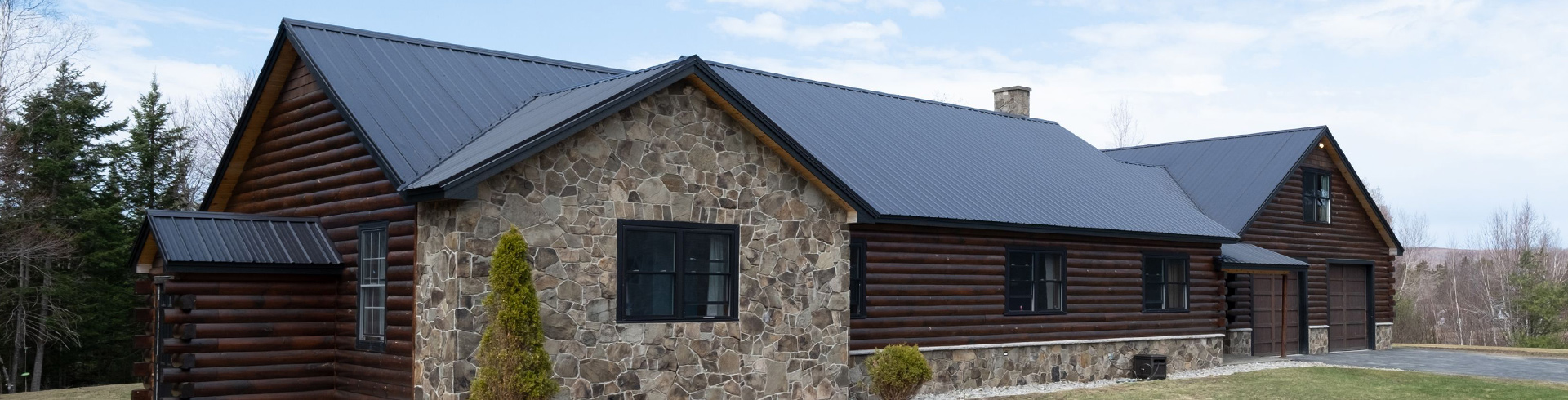
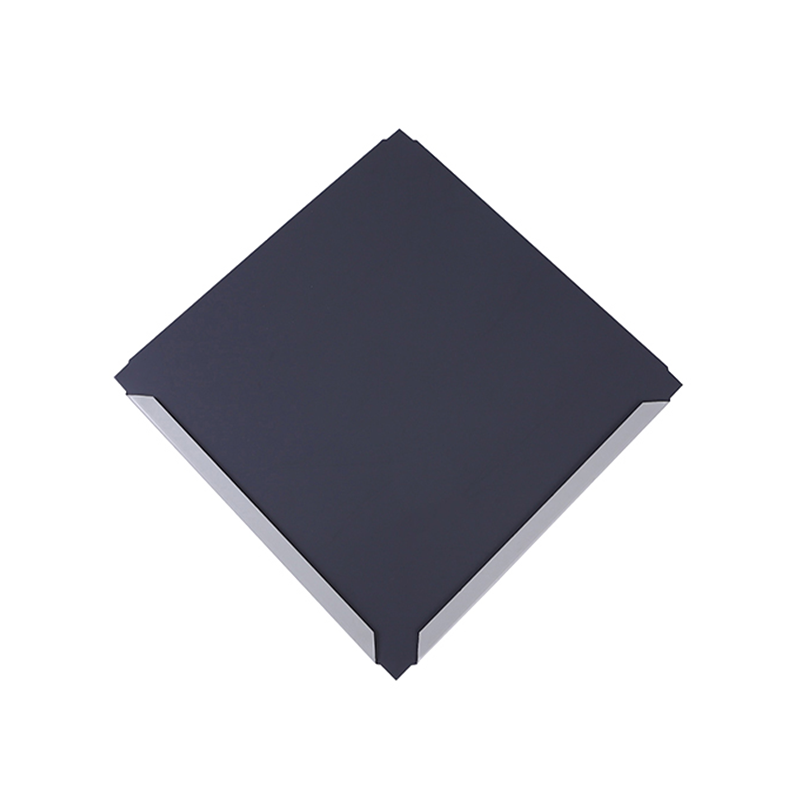
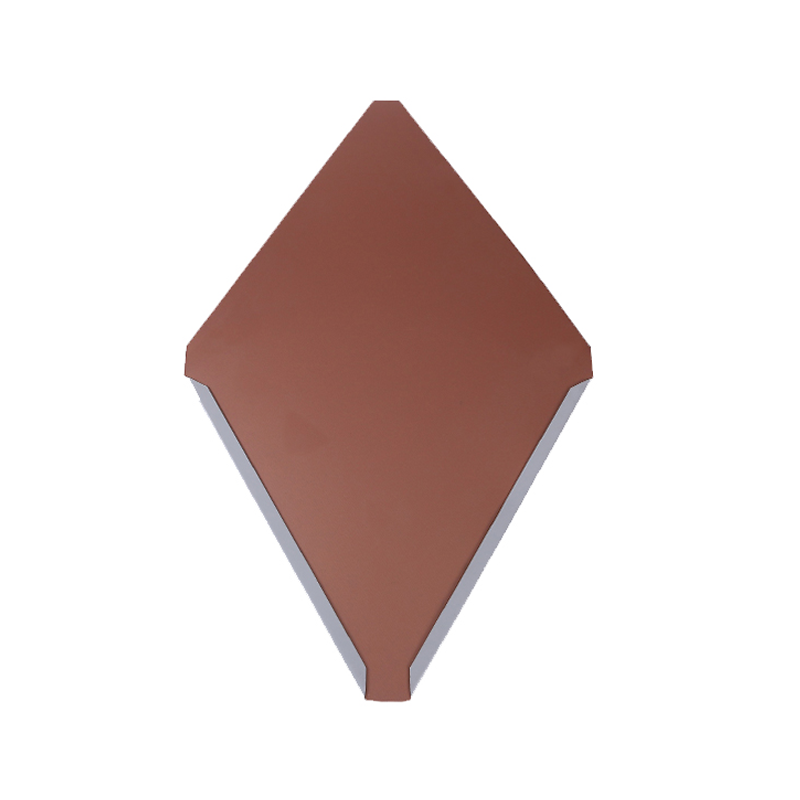
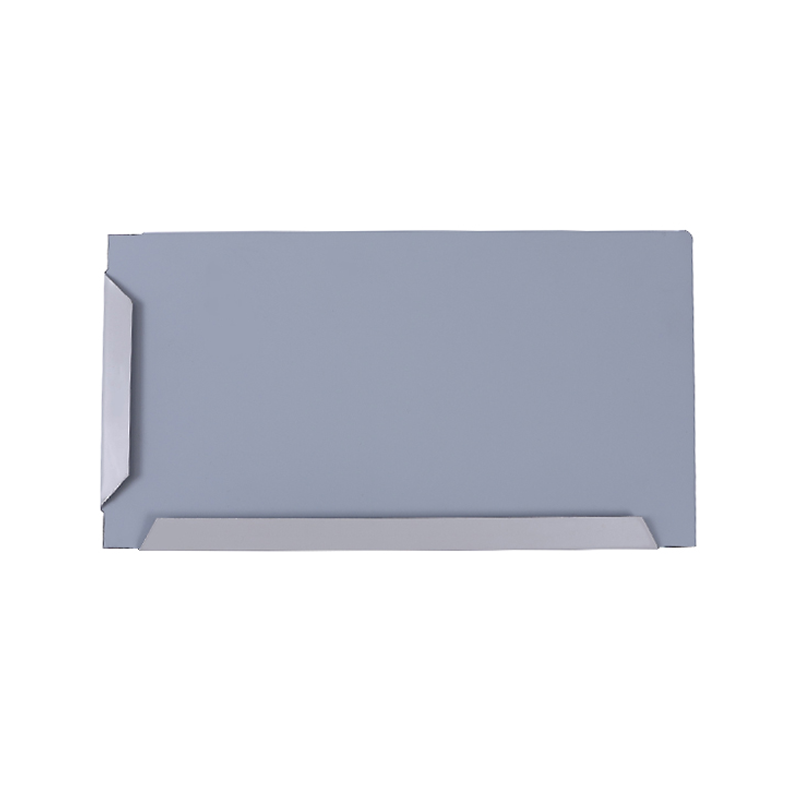

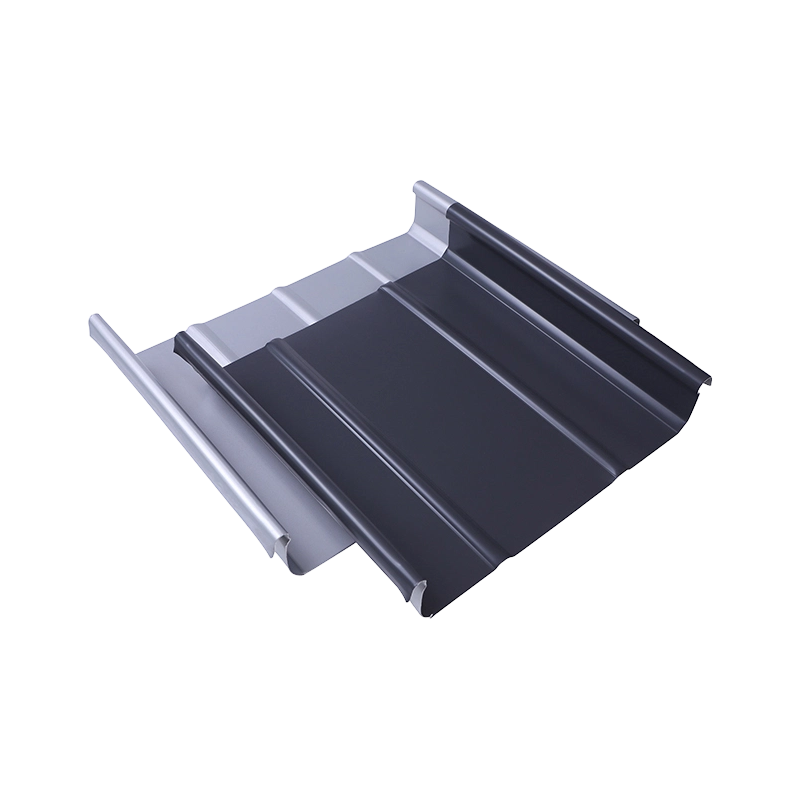
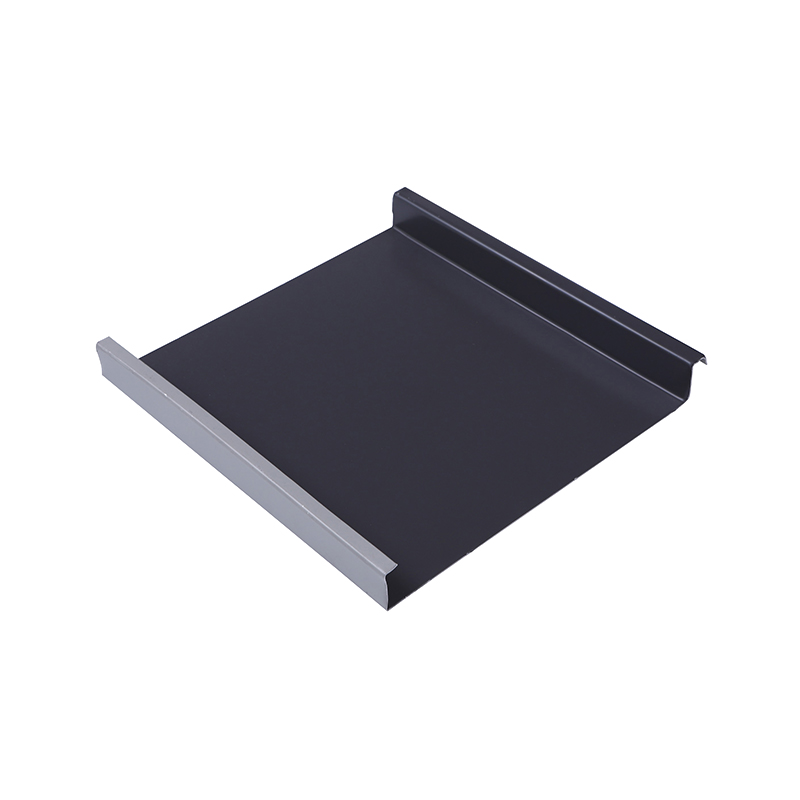
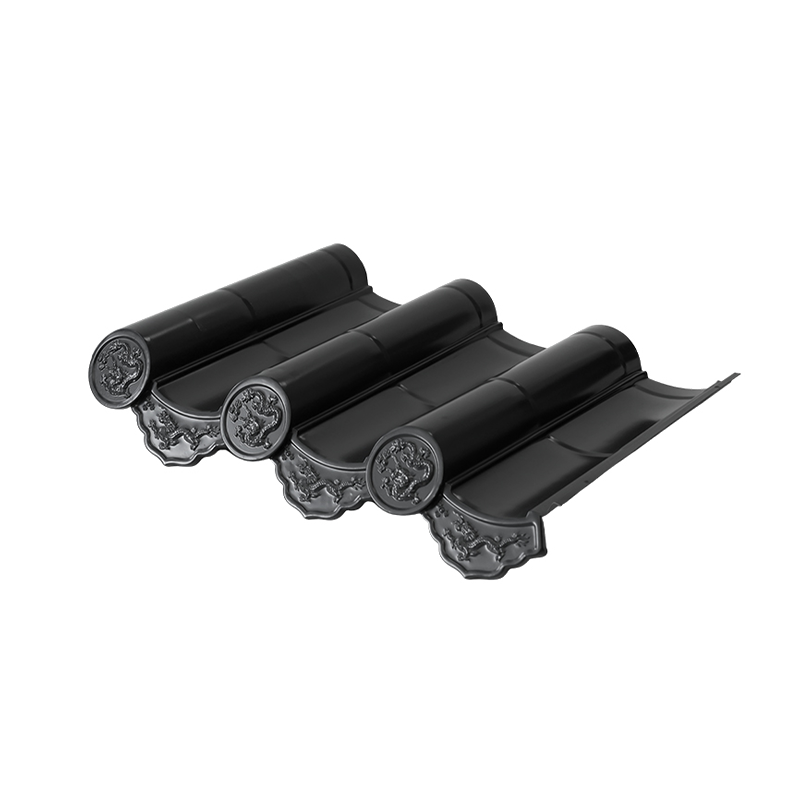
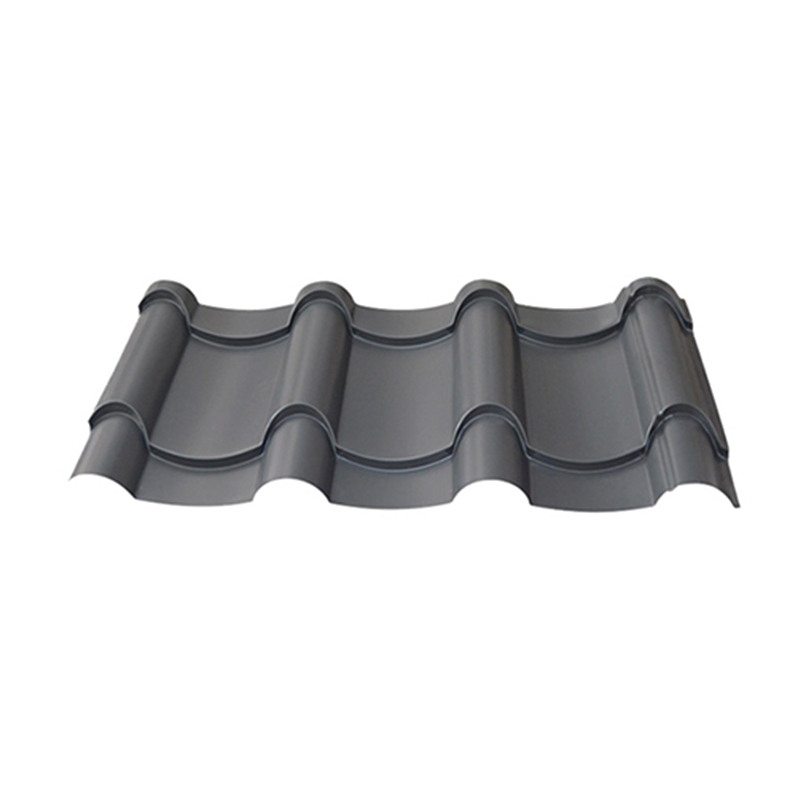
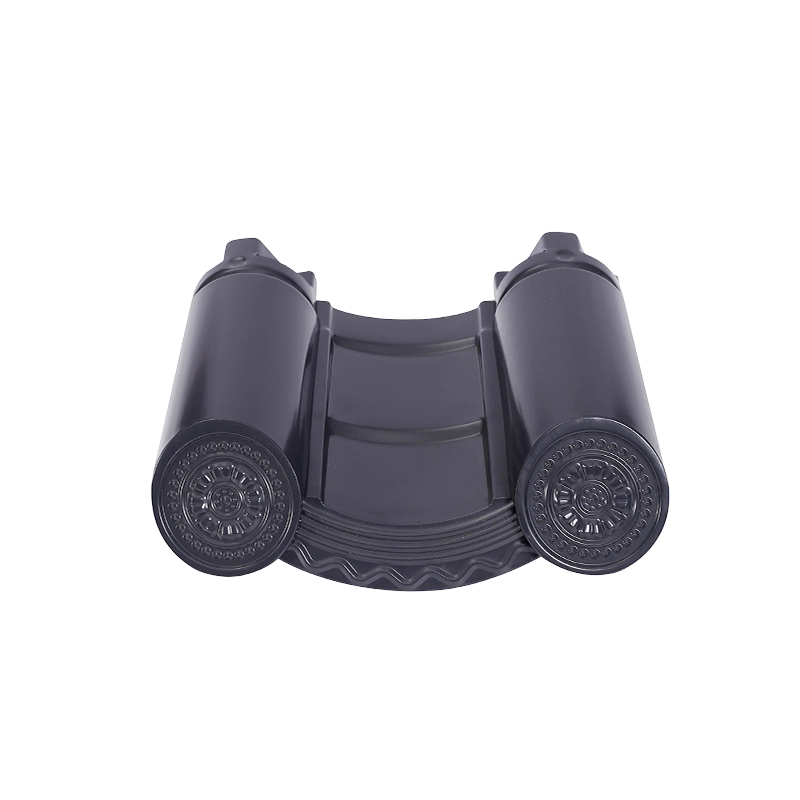
Copper Roofing Panel Specifications
| Item | Typical Range / Option |
| Base material | Cold-rolled copper sheet, commercially pure grade |
| Thickness | 0.4mm - 0.8mm typical for roofing applications |
| Surface finish | Mill finish (natural), pre-oxidized, or pre-patinated (green) |
| Available profiles | Standing seam, flat lock, fish-scale tile |
| Seam type | Mechanically double-locked or single-locked seam, hand or machine formed |
| Panel length | Custom length available; heritage-style projects often specify shorter panel runs |
| Typical applications | Churches, museums, government buildings, boutique hotels, luxury residences |
| Expected service life | Multiple decades to over a century with proper detailing, well beyond typical painted metal roofing |
Because copper is a soft, workable metal, seam and detail work is often more labor-intensive to fabricate correctly than with aluminum or steel, and small dimensional or forming errors are more visually obvious on a copper roof than on a painted panel. We recommend buyers requesting copper share reference photos of the desired finish stage (bright, oxidized, or pre-patinated) alongside standard drawings, since "copper roofing" can mean visually different things depending on which finish stage is specified, and clarifying this upfront avoids a mismatch between expectation and delivered product.
We also recommend confirming fastener and flashing material compatibility at the specification stage, since copper should generally be paired with copper or compatible non-reactive fasteners and flashings to avoid galvanic corrosion at contact points — a detail that is easy to overlook but can cause visible staining or premature localized corrosion if the wrong fastener material is used during installation. Panel thickness selection should also account for the specific forming complexity of the chosen profile, since thinner gauges may be perfectly adequate for simple flat lock work but less suitable for tightly detailed standing seam or curved fish-scale applications.
Pricing Structure and Minimum Order Quantity
Copper is priced meaningfully higher than aluminum, Galvalume steel, or standard painted steel, reflecting both the underlying commodity cost of copper and the more labor-intensive fabrication process required for accurate seam and detail work. Pricing is generally quoted per square meter and is sensitive to global copper commodity price movements, so we recommend buyers request a current quotation close to their intended order date rather than relying on a price quoted several months earlier, since copper is one of the more volatile base metals on the international commodity market.
Given the specialized nature of copper roofing, minimum order quantity is generally more flexible than for high-volume products like Galvalume steel, since copper orders are frequently tied to a single defined project — a church restoration, a museum roof, or a luxury residence — rather than ongoing distributor resale. That said, very small trial orders may carry a modest premium to account for setup time on specialized tooling for narrower seam profiles or hand-finished details.
Because copper projects are often heritage, government, or landmark buildings with a formal budget approval process, we can provide a detailed, itemized quotation broken down by panel material cost, forming and finishing labor, and accessories, which is typically more useful for these buyers' internal budget justification than a single lump-sum figure. We also recommend confirming the desired finish stage (bright mill finish versus pre-patinated) at the quotation stage, since pre-patinated copper carries an additional processing cost compared to natural mill-finish copper that will patina on its own over time after installation.
Manufacturing Capacity and Lead Time
Copper roofing panels are produced using specialized forming and seaming processes at our Taicang, Suzhou facility, drawing on the same base of 12 production lines and over 200 experienced workers that support our broader 10,000㎡ operation, with copper work specifically requiring more hands-on quality attention than higher-volume steel or aluminum production given the material's softness and the visual prominence of any forming imperfection.
Lead time for copper roofing tends to run longer than for standard aluminum or steel orders, since copper panel forming, seaming, and any pre-patination process are more time-intensive, and copper's commodity pricing volatility can also affect raw material procurement timing. We recommend buyers on copper projects build additional lead time into their construction schedule compared to a standard aluminum roofing order, and confirm a firm lead time with our team once the specific profile, finish, and quantity are set, rather than assuming copper will ship on the same timeline as our faster-moving product lines.
Because copper projects are frequently smaller in total area than industrial steel roofing orders but higher in per-unit value and finishing complexity, we typically manage them with closer, more hands-on production oversight rather than standard bulk-order scheduling. Our location near Shanghai still supports efficient export logistics once panels are complete, and we take particular care in packing copper panels to prevent surface scratching or finish damage during transit, since any visible mark on a premium copper finish is far more noticeable than on a painted panel and can affect the finished appearance of a landmark project.
Trade Terms, Payment and Compliance
Given copper's higher per-unit value and sensitivity to commodity price movements, we typically confirm pricing and lock in raw material procurement close to order confirmation rather than holding a quotation open for an extended period. Standard trade terms including FOB, CIF, and, where appropriate, DDP are available, and payment structures generally follow standard international trade practice with a deposit securing raw material procurement and production slot, and balance due before or against shipping documents.
Because copper roofing is frequently specified for heritage-listed, government, or landmark buildings, buyers should confirm early whether the project's procurement process requires specific material certification, heritage-authority approval documentation, or particular packaging and handling standards beyond what applies to a standard commercial roofing order. We can prepare tailored documentation packages for these more formal procurement processes when given sufficient advance notice of the specific requirements.
As with our other roofing products, we provide commercial invoices, packing lists, and certificates of origin as standard export documentation, and can supply material certification covering copper grade and composition upon request. We recommend buyers on copper projects loop in their import compliance and, where applicable, heritage or planning authority contacts early in the process, since approval timelines for heritage-designated building work can meaningfully affect the overall project schedule independent of our own production lead time.
If you are unsure whether a specific certificate, clause, or heritage-authority requirement is something we can support, please ask directly during the quotation stage — it is far easier to confirm or address a documentation gap before production begins than after the panels have shipped.
Frequently Asked Questions About Copper Roofing Panels
Will the copper roof turn green immediately after installation? No — natural, unpatinated copper starts bright and gradually darkens and eventually develops a green patina over years to decades depending on climate; buyers wanting the green appearance immediately should specify pre-patinated copper instead.
How does copper compare in cost to titanium zinc? Copper and titanium zinc are both premium architectural metals and pricing depends on current commodity markets; we recommend requesting a current side-by-side quotation for both materials if you are undecided between them for a project.
Is copper suitable for coastal environments? Yes, copper generally performs well in coastal environments due to its natural corrosion resistance, though very close proximity to saltwater spray can accelerate patina development, which some buyers consider a desirable aesthetic effect rather than a defect.
Can copper panels be used for restoration of a historic roof? Yes, copper is one of the most common materials specified for heritage and historic building restoration, and we can work from existing profile samples or historic drawings to match an original roof's appearance.
Does copper roofing require special maintenance? Copper roofing generally requires minimal maintenance once installed, since the patina layer is a protective, self-renewing surface rather than a coating that wears off and needs reapplication over time.
Can I order a small sample panel before committing to a full project? Yes, sample panels showing different finish stages (bright, oxidized, pre-patinated) can be arranged so decision-makers can evaluate the actual material in person before finalizing a specification.



 DOWNLOAD