LANGUAGE
 English
 Español
 عربى
عربى
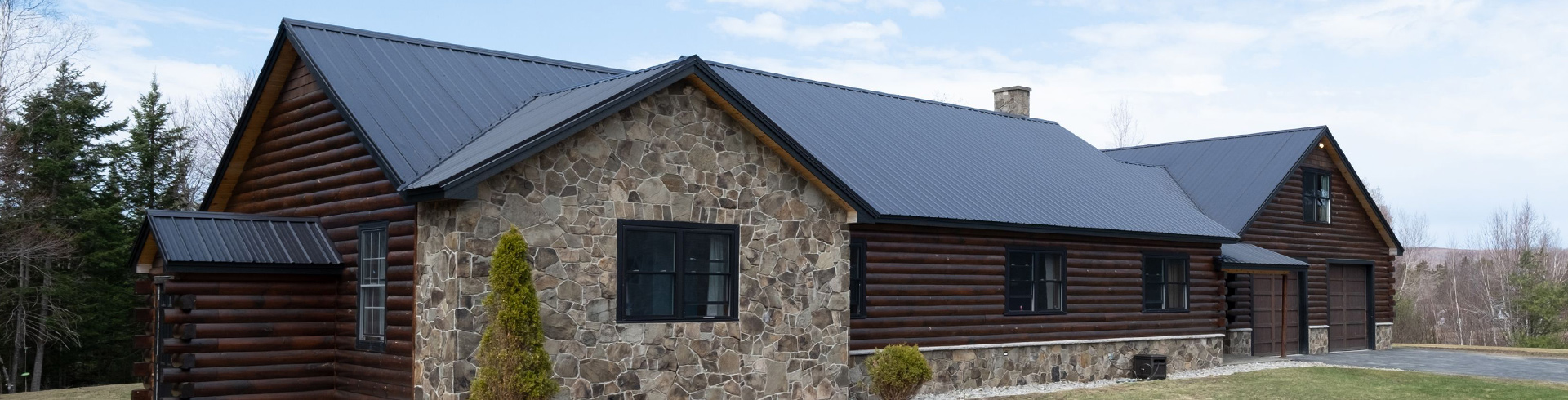
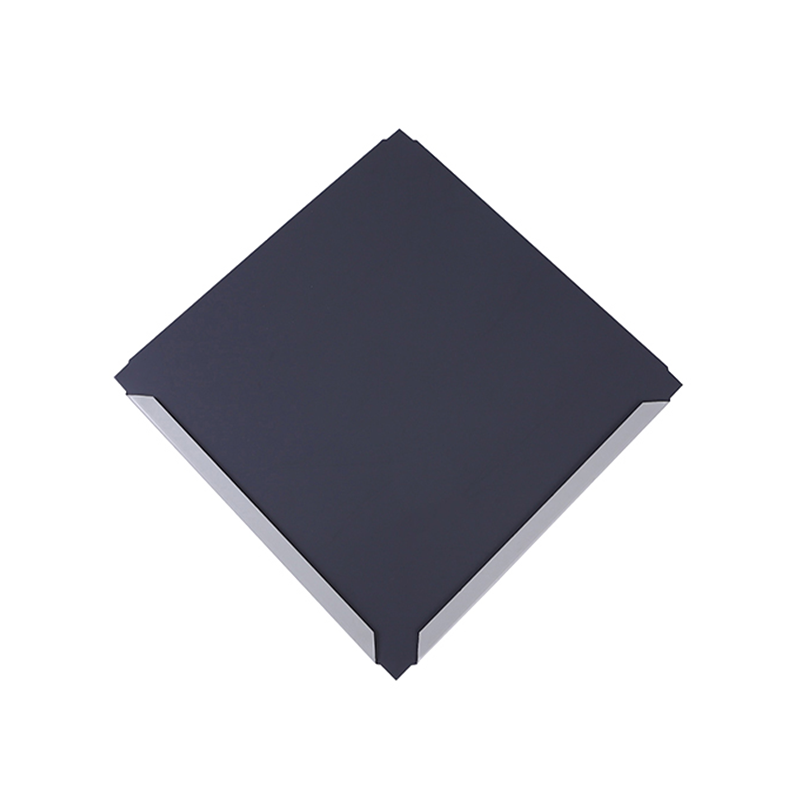
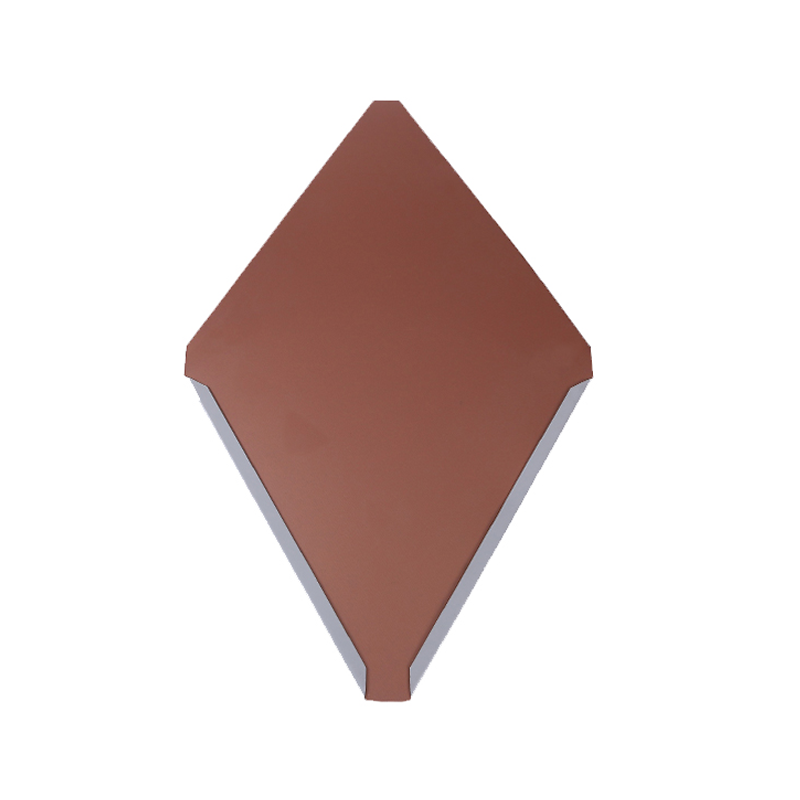
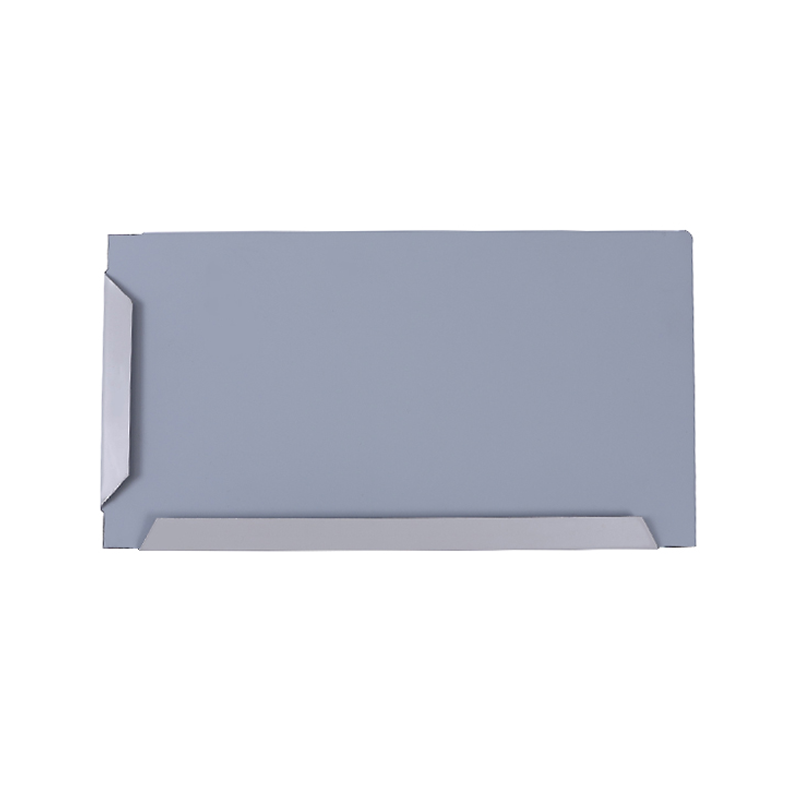
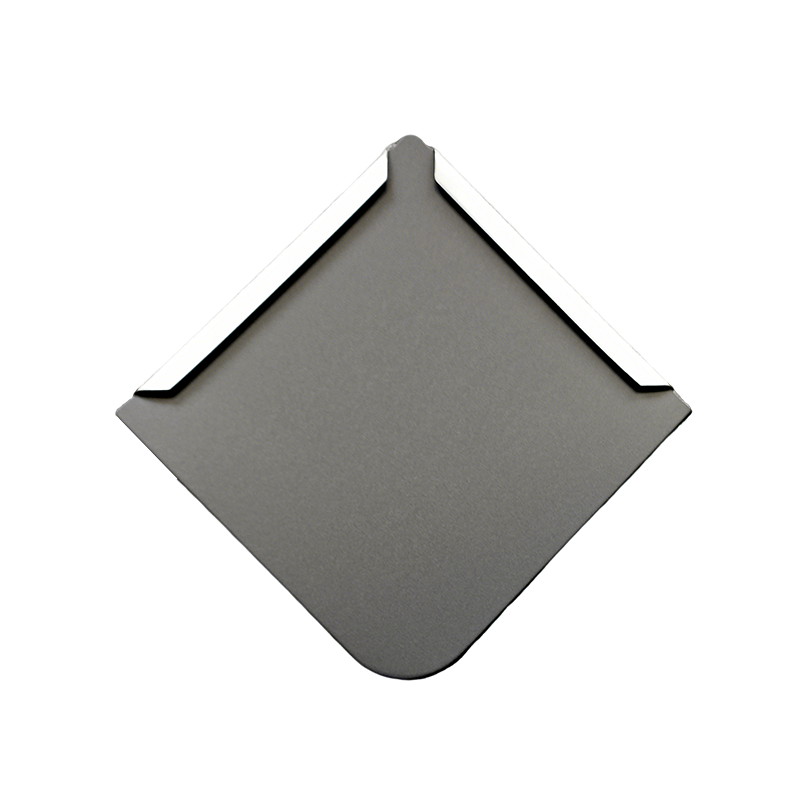
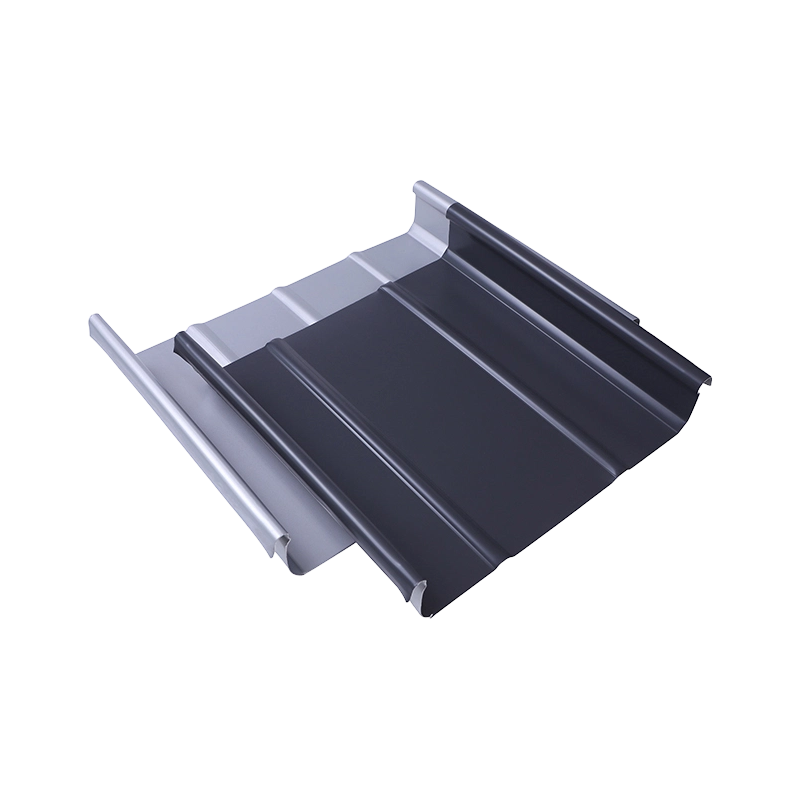
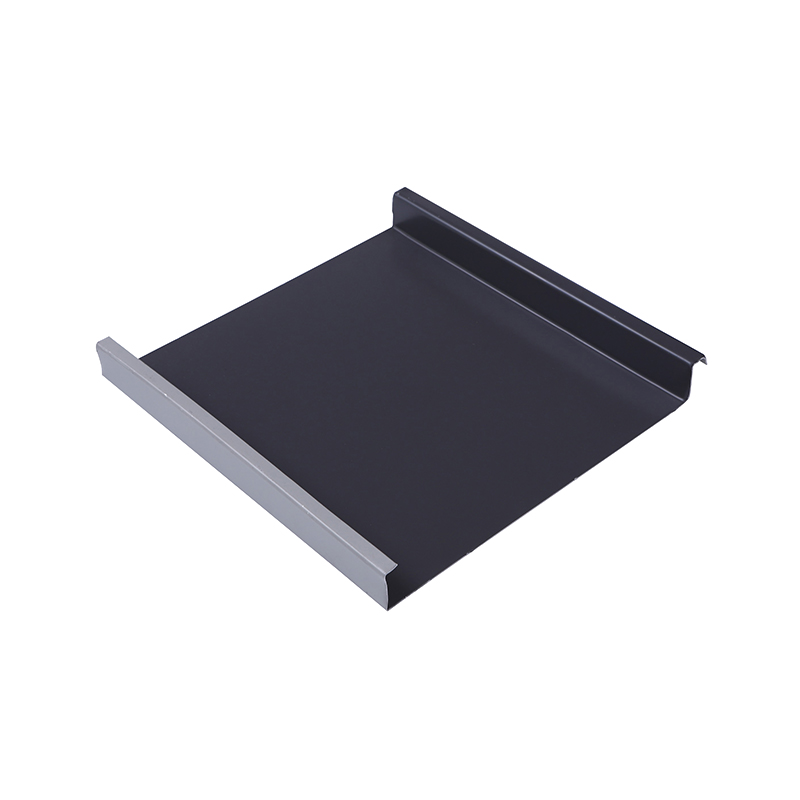
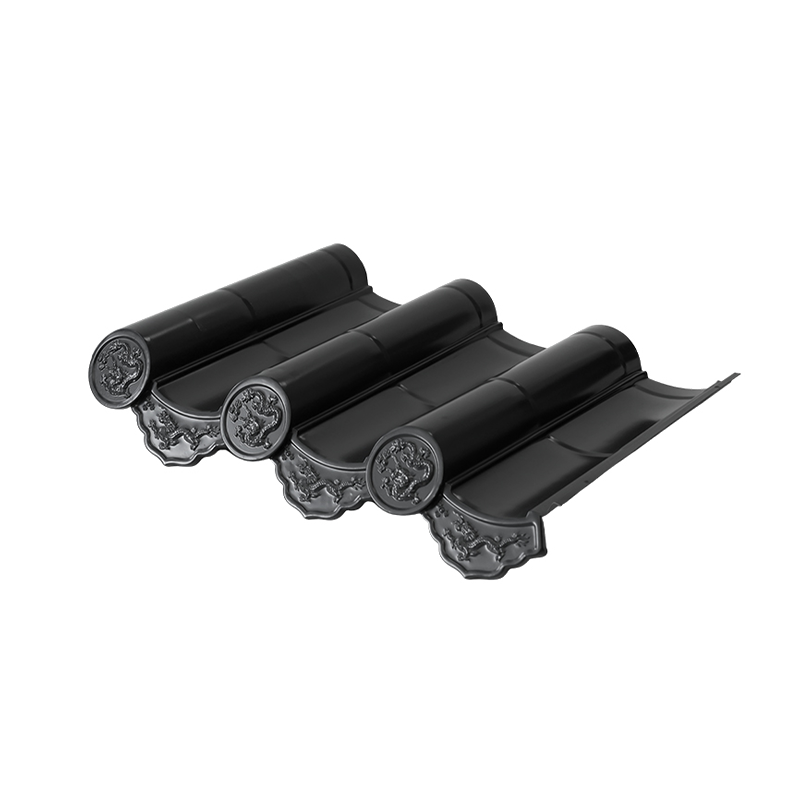
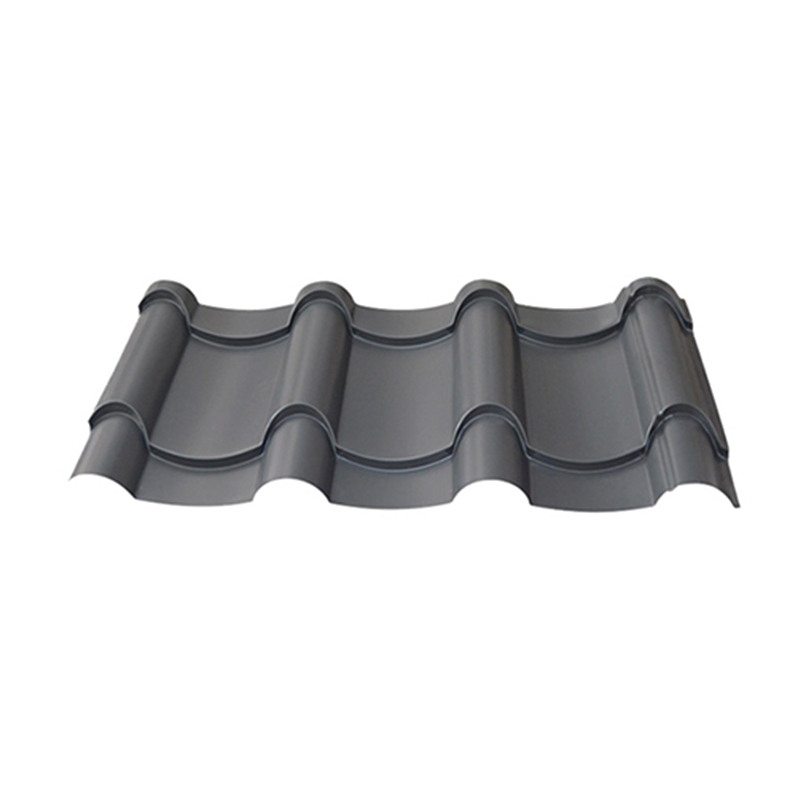
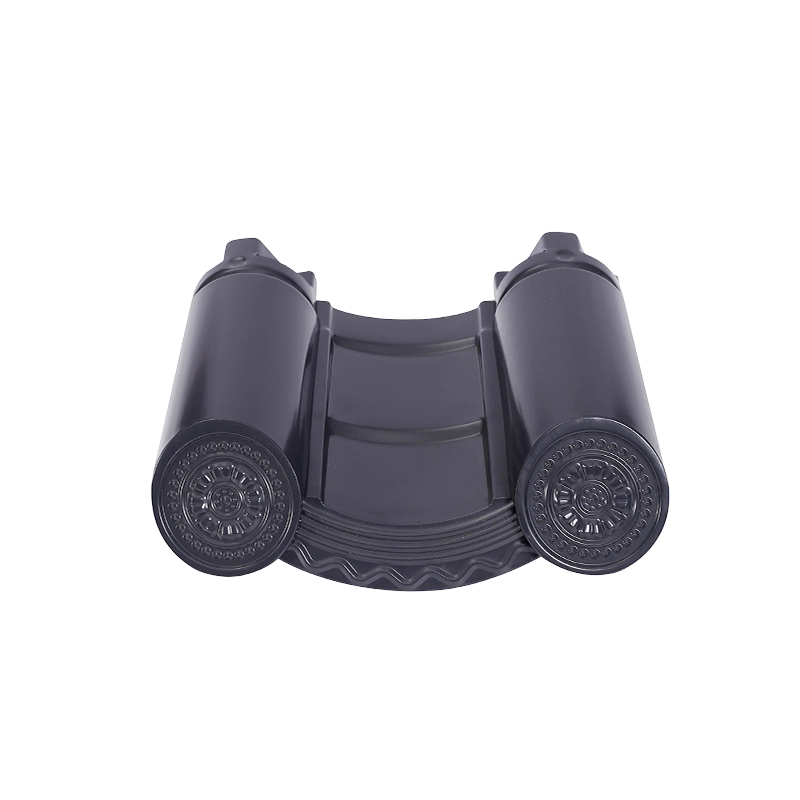
Aluminum Roofing Panel Specifications
The table below summarizes the typical specification range for aluminum roofing panels supplied by Donghong. Exact figures vary by profile (standing seam, flat lock, fish-scale, or corrugated) and are confirmed on the product's individual specification sheet, but this gives buyers a realistic starting point for budgeting and technical comparison.
| Item | Typical Range / Option |
| Base alloy | Aluminum-magnesium-manganese (3000 series) or 1100/3003 series aluminum |
| Thickness | 0.5mm - 1.2mm (custom thickness available on request) |
| Panel width | Depends on profile; effective coverage width confirmed per product page |
| Panel length | Custom length, no standard limit for roll-formed panels |
| Surface coating | PVDF (Kynar 500 type), PE, or mill finish |
| Color options | Full RAL color chart plus Donghong signature colors (see Color Inspiration page) |
| Seam / joint type | Snap-lock, mechanically seamed, overlapping, or scale-lay depending on profile |
| Fire performance | Non-combustible metal substrate; classification depends on assembly and insulation |
| Typical weight | Approx. 1.4 - 3.5 kg/m² depending on thickness |
Because roofing performance depends on the whole assembly rather than the panel alone, we recommend buyers share roof slope, building location, wind exposure, and expected service life before finalizing a specification. Our technical team can then recommend the alloy grade, thickness, and coating combination that best matches the project's climate and budget, rather than defaulting to a single "standard" spec that may be over- or under-engineered for the application.
It is also worth noting that specification sheets for each profile (standing seam, flat lock, fish-scale, or corrugated) list the exact effective coverage width and minimum order length, since these figures differ meaningfully between profiles even when the base alloy and thickness are identical. Buyers comparing quotations from multiple suppliers should always confirm whether quoted prices reference nominal width or effective (overlap-adjusted) coverage width, since this single detail can change the real material quantity needed for a given roof area by a noticeable margin.
Pricing Structure and Minimum Order Quantity
Aluminum roofing panel pricing is primarily driven by four variables: base alloy grade, panel thickness, coating system, and order quantity. As a factory-direct manufacturer, Donghong prices per square meter or per linear meter depending on the profile, and we provide tiered pricing so that larger orders receive better unit economics. For first-time buyers or design firms evaluating a new project, we can also provide sample panels and small trial quantities before a full production order is confirmed, which helps de-risk the decision on both sides.
Minimum order quantity is generally set at container-load efficiency in mind, since roll-formed and stamped aluminum panels are most cost-effective to produce and ship in full or near-full container quantities. That said, we understand that distributors, small contractors, and pilot projects may need smaller volumes to test the market or complete a single villa or boutique project, so MOQ can be discussed case by case rather than treated as a rigid cutoff. Buyers should note that quoted unit prices typically cover the panel itself; accessories such as clips, ridge caps, flashing, and trims are quoted separately unless requested as part of a complete system package.
We encourage buyers to think beyond the unit price alone. A slightly higher-priced panel with better dimensional consistency, matching accessories, and reliable packaging often works out cheaper on a total project basis, because it reduces field rework, material waste, and installation labor. When requesting a quotation, providing project drawings, roof area, and target delivery timeline allows our sales team to return an accurate, itemized price breakdown rather than a rough estimate, and to flag any MOQ or lead-time trade-offs upfront so there are no surprises later in the ordering process.
Manufacturing Capacity and Lead Time
Donghong operates from a 10,000㎡ production facility in Taicang, Suzhou, equipped with 12 advanced automated production lines and a team of more than 200 experienced workers. Our current monthly capacity exceeds 100,000 units/meters of roofing and cladding material across our product range, which allows us to support both small pilot orders and large-scale commercial or infrastructure projects without compromising on consistency between production batches.
For aluminum roofing panels specifically, production lead time depends on panel thickness, coating type, color (stock colors ship faster than custom RAL matches), and total order volume. Standard orders with common colors and thicknesses generally move to production faster than fully custom configurations, since custom coil coating and non-standard tooling adjustments add lead time. We recommend buyers request a specific lead-time confirmation once drawings and specifications are finalized, since accurate lead times depend on current production scheduling and raw material coil availability.
Our location in Taicang offers a practical logistics advantage: the facility sits adjacent to Shanghai, one of the world's busiest container ports, and is connected by road and river transport to the broader Yangtze River Delta manufacturing and shipping network. This proximity shortens the domestic transportation leg of an export order and gives buyers more flexibility in choosing shipping lines and schedules. For large projects, we also support phased production and shipment, so that panels for an initial construction phase can be delivered while later phases are still in production, which helps contractors keep site work moving without waiting for the entire order to be manufactured and packed as a single batch.
Trade Terms, Payment and Compliance
Donghong exports to more than 100 countries and is set up to support standard international trade terms for buyers of varying sizes and experience levels. We typically work with FOB and CIF terms as standard, with EXW and DDP available on request depending on the destination and order size; buyers should confirm their preferred Incoterm at the quotation stage so freight and insurance responsibilities are clear from the outset. Standard payment terms generally follow common international trade practice, such as a deposit before production with balance due before or upon shipment, with letter of credit (L/C) terms available for larger orders where the buyer's bank requires it.
Because aluminum roofing panels are a building material, buyers should also confirm any destination-country import requirements before finalizing an order — for example, product labeling conventions, packaging standards for sea freight, or any local building-code documentation that customs or the project's certifying authority may request. We can supply commercial invoices, packing lists, certificates of origin, and mill test certificates as standard export documentation, and we can accommodate additional documentation requests where reasonably practical, such as fumigation certificates for wooden packaging or specific labeling required by a buyer's home-market regulations.
We recommend that buyers unfamiliar with importing construction materials from China consult their own customs broker or freight forwarder early in the process, since import duties, VAT, and building material compliance rules vary significantly by country. Donghong can support this process by providing accurate technical specifications and documentation, but final compliance responsibility for the destination market rests with the importer of record, which is standard practice across the international building materials trade.
Frequently Asked Questions About Aluminum Roofing Panels
Is aluminum better than steel for coastal or humid climates? Generally yes — aluminum's natural corrosion resistance makes it a strong choice for coastal, humid, or high-salt-exposure environments, whereas painted steel relies more heavily on an intact coating to prevent rust. For inland or drier climates, our Galvalume Steel Roofing line can offer a more cost-effective alternative with strong performance.
Which profile should I choose for an aluminum roof? This depends on the building style. Villas and hotels often use standing seam or flat lock profiles; European-style and heritage buildings often use fish-scale tiles. See our European-Style Metal Roofing and Villa Roofing Solutions pages for profile examples by building type.
Can aluminum panels be used on curved or complex roof shapes? Yes, aluminum's formability makes it well suited to curved and irregular roof geometries; see Curved & Dome Roofing Panels for more detail on this application.
What is the typical lifespan of an aluminum roofing panel? With proper installation and a quality coating system, aluminum roofing panels commonly last several decades, and the metal itself does not rust even if the coating eventually weathers, which sets it apart from ferrous roofing materials over a multi-decade service life.
Do you supply aluminum-magnesium-manganese alloy specifically? Yes, this is one of our primary aluminum options; see our dedicated Aluminum-Magnesium-Manganese Roofing page for alloy-specific technical detail and use cases.
Can I get a sample before placing a full order? Yes, sample panels are available for evaluation; contact our sales team with your preferred profile, thickness, and color to arrange this.



 DOWNLOAD