LANGUAGE
 English
 Español
 عربى
عربى
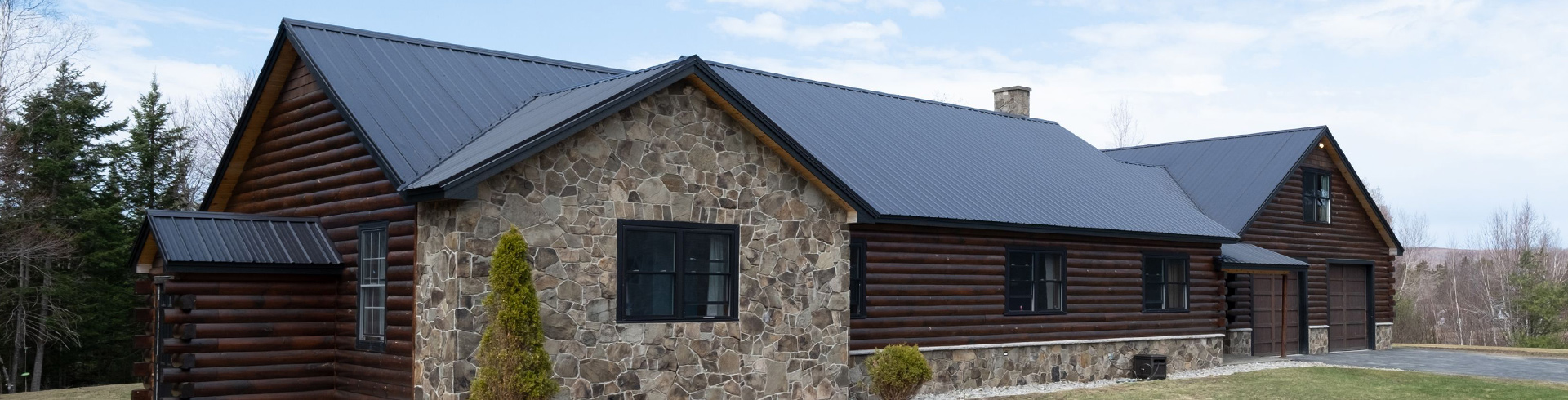
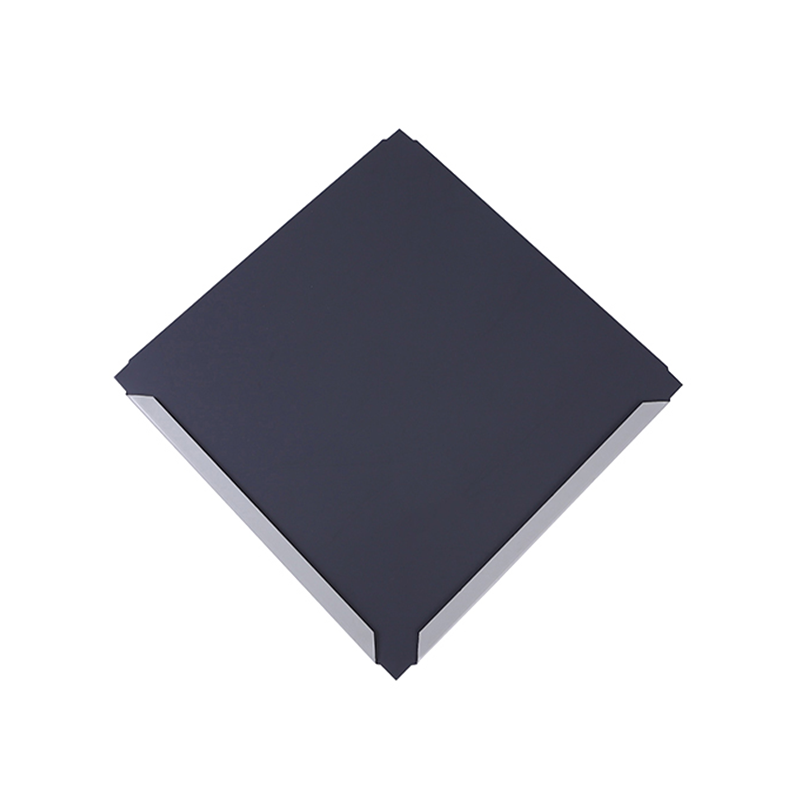
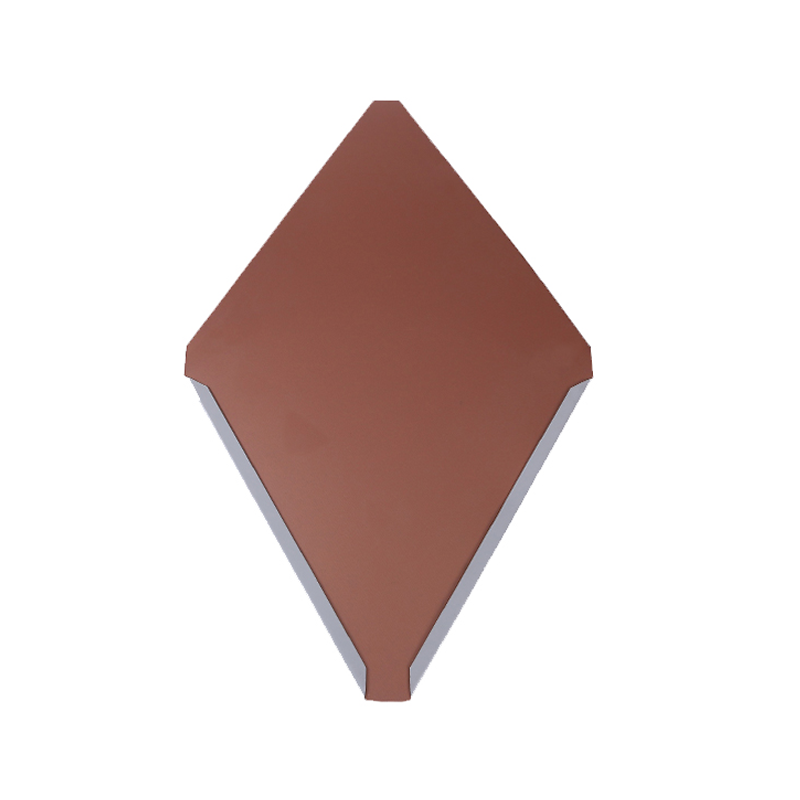
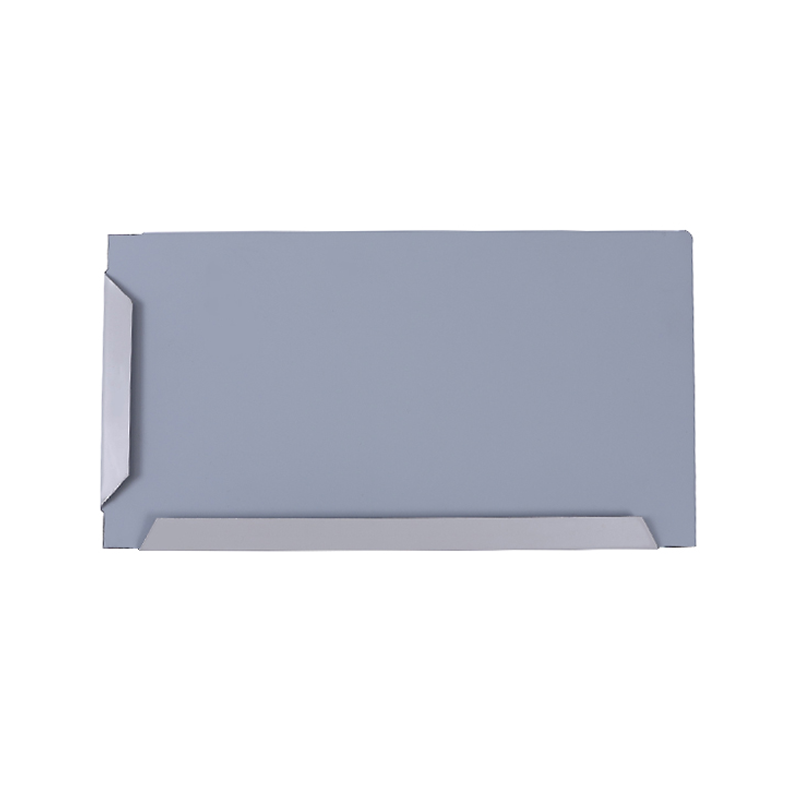

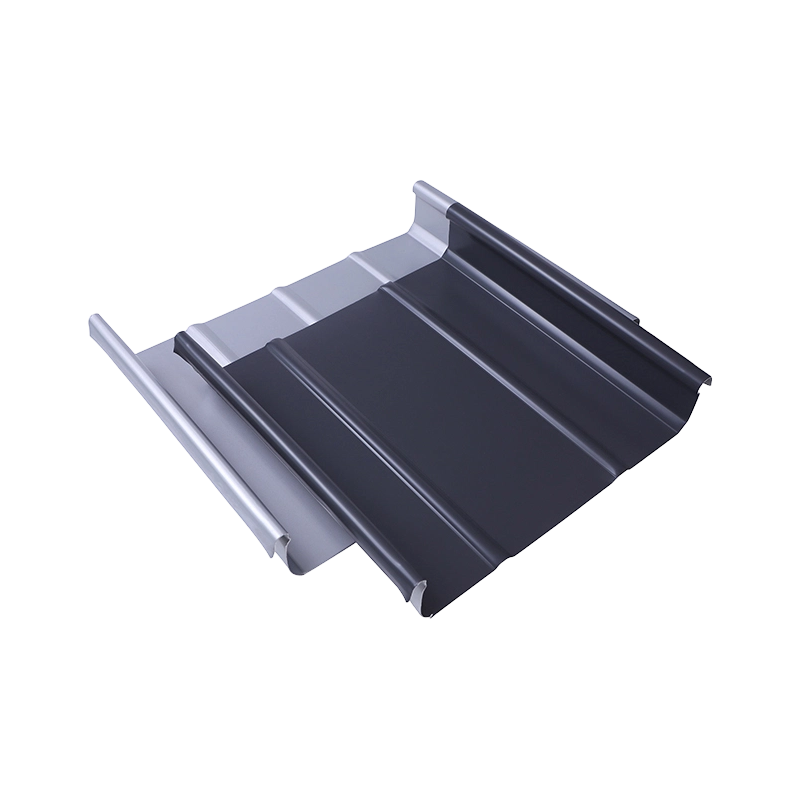
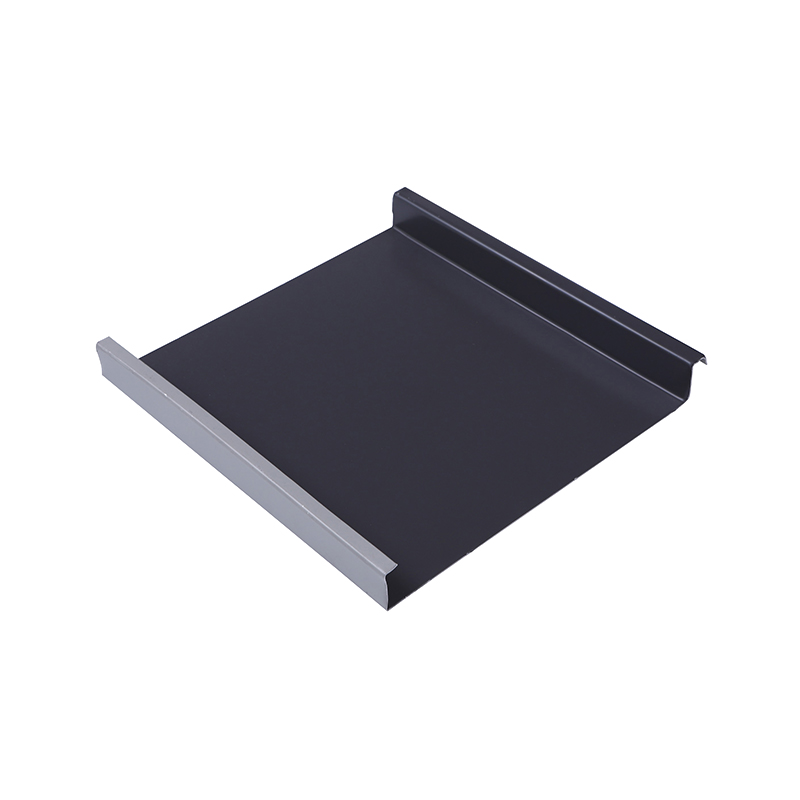
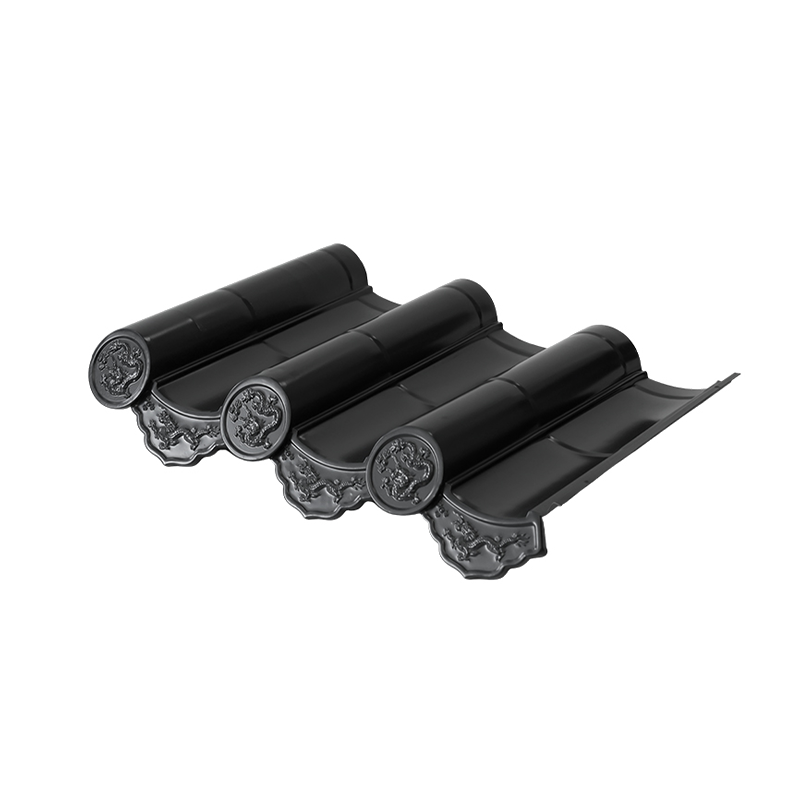
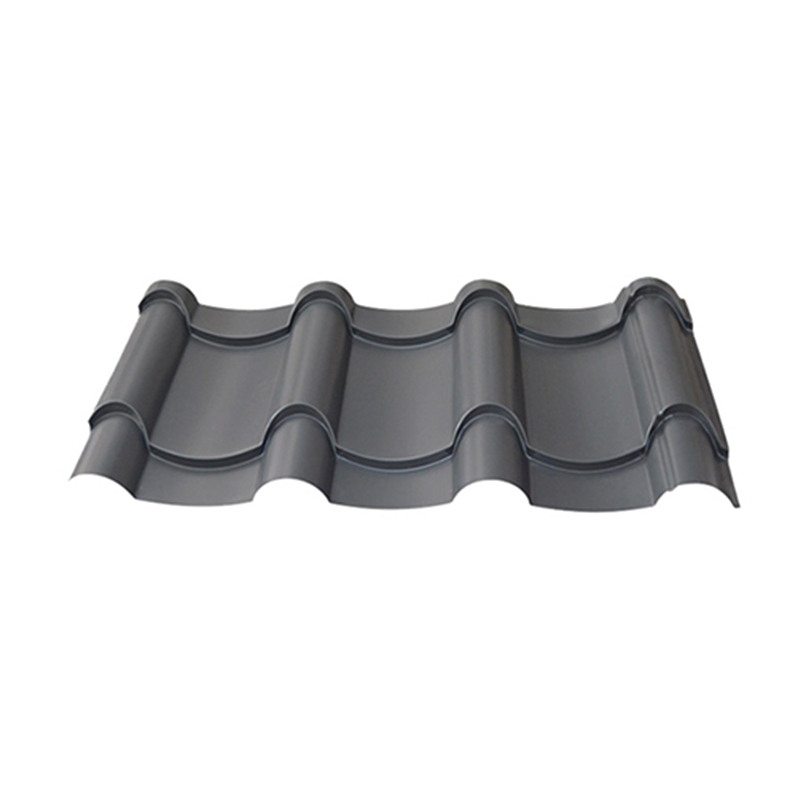
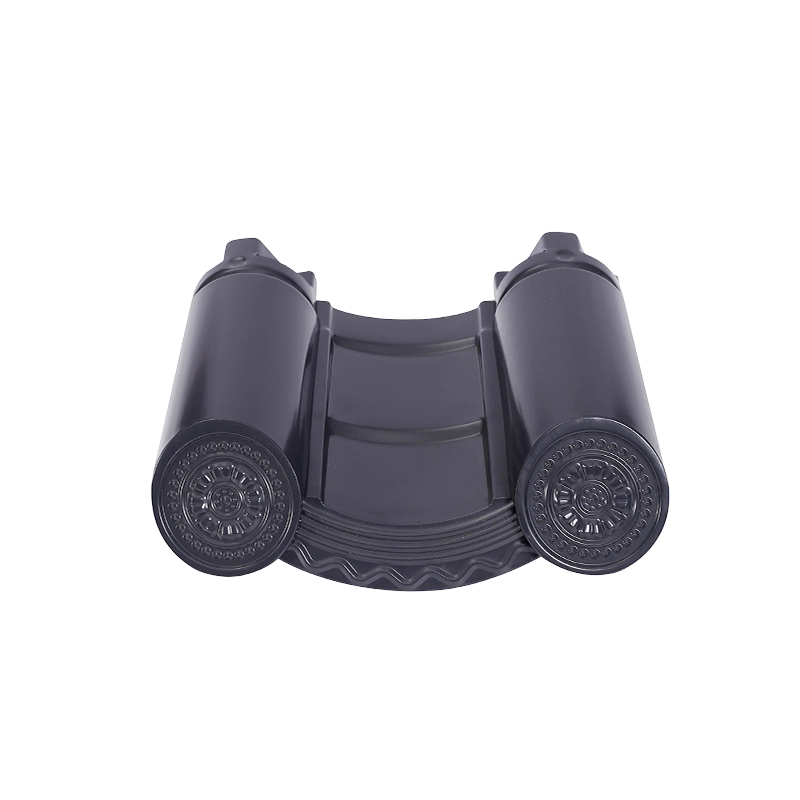
Stainless Steel Roofing Panel Specifications
| Item | Typical Range / Option |
| Base material | Austenitic stainless steel (grades such as 304 or 316 depending on environment) |
| Thickness | 0.4mm - 1.0mm typical for roofing applications |
| Surface finish | Mill finish (2B/No.4 brushed), mirror polish, or PVD color-coated finish |
| Available profiles | Standing seam, flat lock, corrugated |
| Seam type | Mechanically locked seam, laser or TIG welded detail available for specific applications |
| Grade selection | 304 grade for general use; 316 grade recommended for high-chloride or chemical exposure environments |
| Typical applications | Chemical and industrial plants, coastal structures, transportation infrastructure, landmark buildings |
| Expected service life | Multiple decades, among the longest of common architectural roofing metals in demanding environments |
Grade selection is one of the most important decisions for stainless steel roofing: 304 grade offers strong general corrosion resistance suitable for most environments, while 316 grade includes molybdenum for meaningfully improved resistance in high-chloride environments such as immediate coastal exposure or certain industrial chemical settings. We always confirm the project's specific environment before recommending a grade, since specifying 304 in a 316-appropriate environment can shorten service life, while over-specifying 316 where it is not needed adds unnecessary cost. Surface finish selection also matters functionally, not just visually: mirror-polished surfaces can show handling marks more readily than a brushed 2B or No.4 finish, which is worth discussing with our team if the roof or facade will be viewed up close.
We also recommend confirming compatible fastener and accessory materials at the specification stage, since pairing stainless steel panels with incompatible fasteners can introduce galvanic corrosion risk at contact points, undermining the corrosion resistance the base material is specifically chosen to provide in the first place.
Pricing Structure and Minimum Order Quantity
Stainless steel roofing is priced at a premium relative to aluminum and Galvalume steel, reflecting both the higher cost of the base alloy (particularly for 316 grade, which commands a meaningful premium over 304 due to its molybdenum content) and the specialized forming and finishing processes required to work with this material without compromising its corrosion-resistant surface. Pricing is quoted per square meter and depends on grade, thickness, surface finish, and total order volume.
Because stainless steel is frequently specified for demanding industrial or chemical-exposure environments where the material choice is functionally necessary rather than purely aesthetic, buyers in this category often have well-defined project requirements and are comparing suppliers primarily on forming quality, grade certification, and reliability rather than price alone. Minimum order quantity is generally assessed per project, and we can accommodate both smaller specialized industrial orders and larger commercial or infrastructure projects.
We provide itemized quotations distinguishing panel material cost by grade (304 versus 316), finish type, and any required accessories, since grade selection alone can represent a significant portion of total project cost difference, and buyers should understand this trade-off clearly before finalizing a specification. For industrial buyers managing a formal capital expenditure approval process, we can also provide supporting technical documentation on grade selection rationale to help justify the material choice internally where a lower-cost coated steel alternative might otherwise be assumed sufficient.
We are also glad to prepare a direct cost comparison between 304 grade, 316 grade, and alternative materials such as aluminum alloy or ZAM-coated steel for a given project area, which is often the clearest way for an engineering or procurement team to justify the final material decision internally.
Manufacturing Capacity and Lead Time
Stainless steel roofing panels are produced on dedicated forming equipment at our Taicang, Suzhou facility, part of our broader 12-line, 10,000㎡ production base with over 200 experienced workers. Because stainless steel work-hardens differently than aluminum or mild steel during forming, production requires careful control of forming speed and tooling to avoid surface marking or cracking, particularly for higher-grade 316 material used in demanding environments.
Lead time for stainless steel orders depends on grade availability, thickness, surface finish (mill finish typically faster than mirror polish or PVD color coating), and total order volume. 316 grade material can occasionally involve longer raw material procurement lead time than 304 grade depending on current supply conditions, so we recommend confirming grade selection early in the project timeline to allow adequate lead time for material sourcing alongside panel forming and finishing.
For industrial and chemical plant projects, which often involve coordinated shutdown or construction windows, we understand that roofing material delivery timing can be tightly linked to a broader project schedule with limited flexibility. We support phased shipment and can coordinate delivery timing closely with a buyer's construction schedule for these projects, and our proximity to Shanghai's port infrastructure supports reliable export logistics once production is complete, with packing designed to protect the finish surface — particularly important for polished or PVD-coated stainless finishes, where visible transit damage is far more difficult to remedy on site than with a painted panel.
Buyers with a firm construction or shutdown-window deadline should confirm grade availability and production lead time explicitly at the time of inquiry, since accurate scheduling depends on current raw material sourcing conditions rather than a single standard lead time applied uniformly across every stainless steel order.
Trade Terms, Payment and Compliance
Stainless steel roofing is supported under our standard range of international trade terms, including FOB, CIF, and DDP where appropriate for the buyer's logistics arrangement, with payment generally following standard practice of a deposit securing material procurement and production, and balance due before or against shipping documents. Given that 316 grade material can carry meaningful cost premiums tied to current alloy surcharge pricing, we recommend confirming grade-specific pricing close to the intended order date.
Because stainless steel is frequently specified for industrial, chemical-plant, or safety-relevant applications, buyers should confirm early whether their project requires specific compliance documentation — such as mill test certificates confirming exact alloy composition, or adherence to a particular regional or industry standard referenced in their engineering specification. We can prepare documentation aligned to these requirements when the specific standard or certificate format needed is identified during the quotation stage.
Standard export documentation, including commercial invoices, packing lists, and certificates of origin, is provided as a matter of course, and mill test certificates covering grade and composition can be supplied for stainless steel orders. We recommend industrial buyers with a formal engineering or safety sign-off process loop in their relevant technical and compliance contacts early, since documentation review for corrosion-critical or safety-relevant applications can add meaningful time to project approval independent of our manufacturing lead time.
If you are unsure whether a specific industry standard, certificate format, or safety documentation requirement is something we can support, please raise it directly during the quotation stage so we can confirm or address it before production begins rather than after panels have already shipped.
Frequently Asked Questions About Stainless Steel Roofing Panels
Should I choose 304 or 316 grade stainless steel? 304 grade suits most general environments, while 316 grade is recommended for high-chloride exposure such as direct coastal spray or certain chemical environments; share your project's specific exposure conditions with our team for a grade recommendation.
Can stainless steel roofing rust? Properly specified and maintained stainless steel resists rust through its own alloy composition, though surface contamination from carbon steel tools or fixings during installation can cause surface rust spotting, which is why correct installation practice matters as much as material grade.
Is stainless steel heavier than aluminum roofing? Yes, stainless steel is denser than aluminum, though its higher strength can sometimes allow for a thinner gauge specification in certain structural applications, partially offsetting the weight difference.
What finish options are available? Common options include mill (2B or No.4 brushed) finish, mirror polish, and PVD color coating for buyers wanting a colored metallic finish rather than natural stainless appearance.
Is stainless steel roofing suitable for a coastal residential project, not just industrial use? Yes, particularly 316 grade, though buyers should weigh this against the higher cost compared to aluminum alloy, which also performs well in coastal environments at a lower price point.
Do you provide mill test certificates for grade verification? Yes, mill test certificates confirming alloy grade and composition can be provided for stainless steel orders, which is standard practice for this material given its common use in safety- and compliance-relevant applications.



 DOWNLOAD