LANGUAGE
 English
 Español
 عربى
عربى
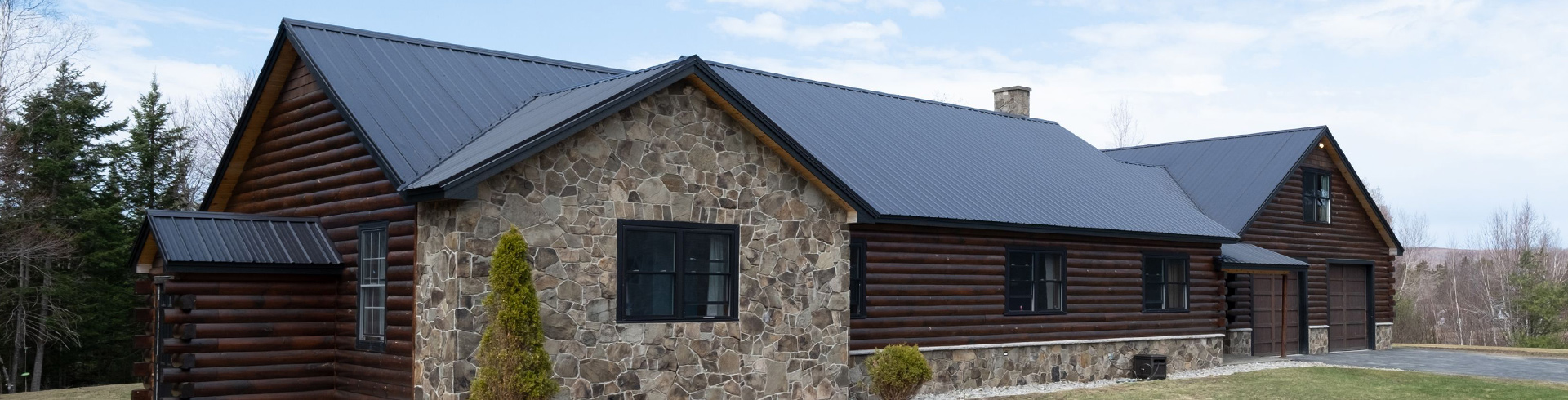
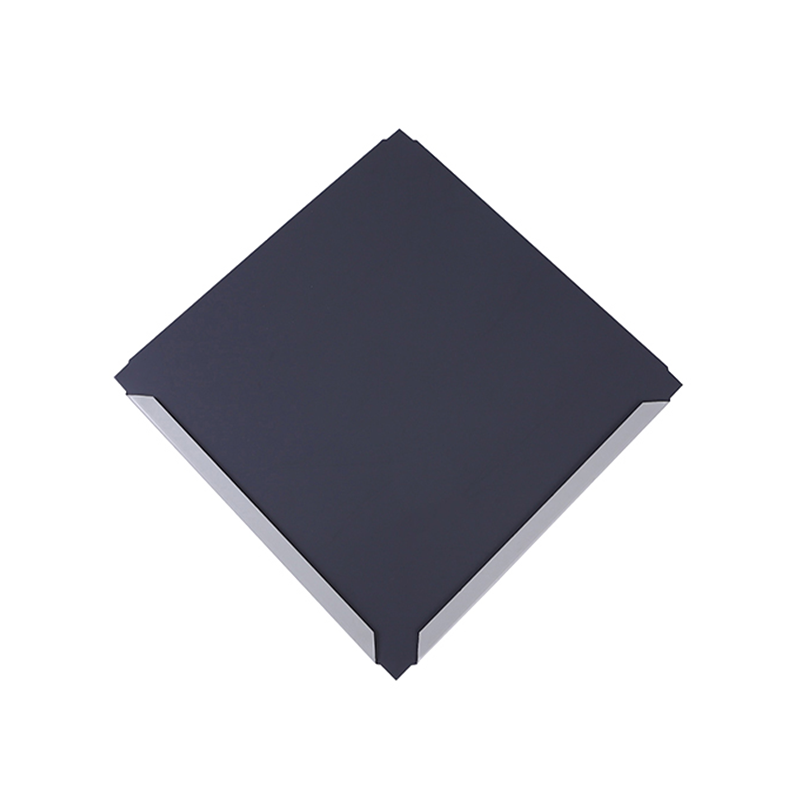
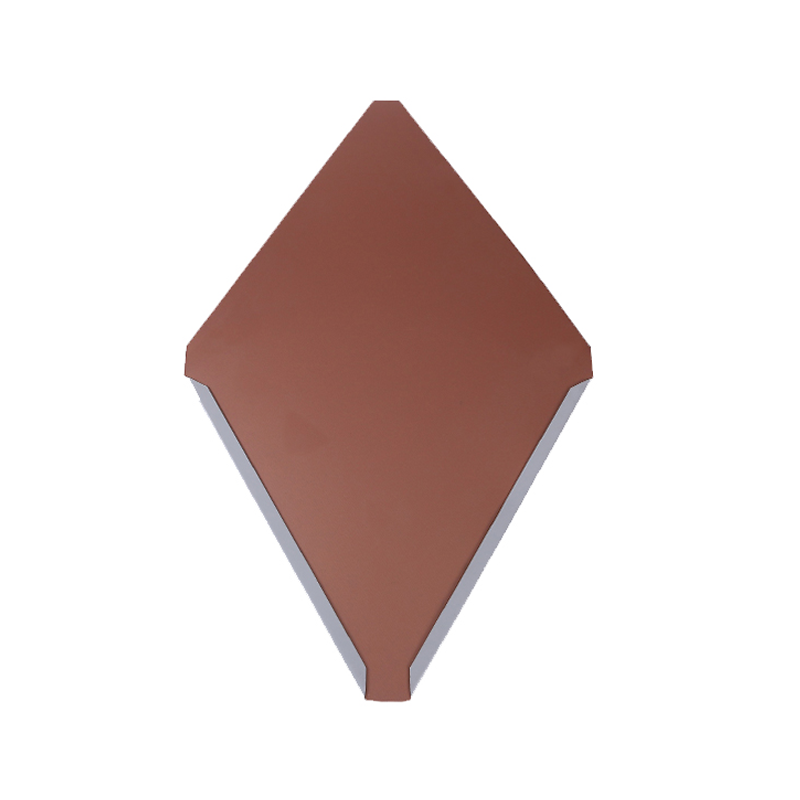
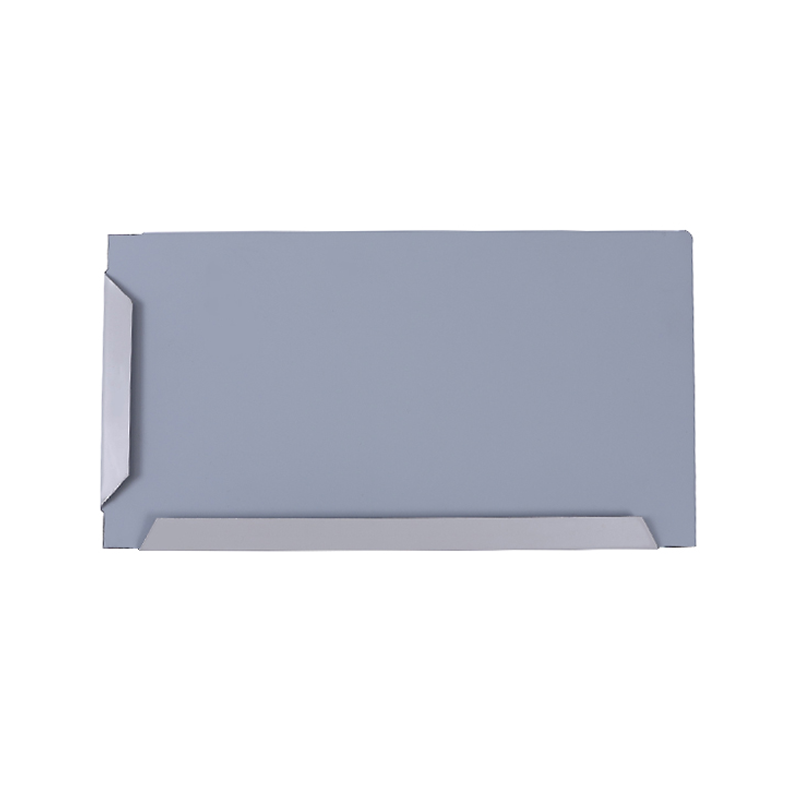

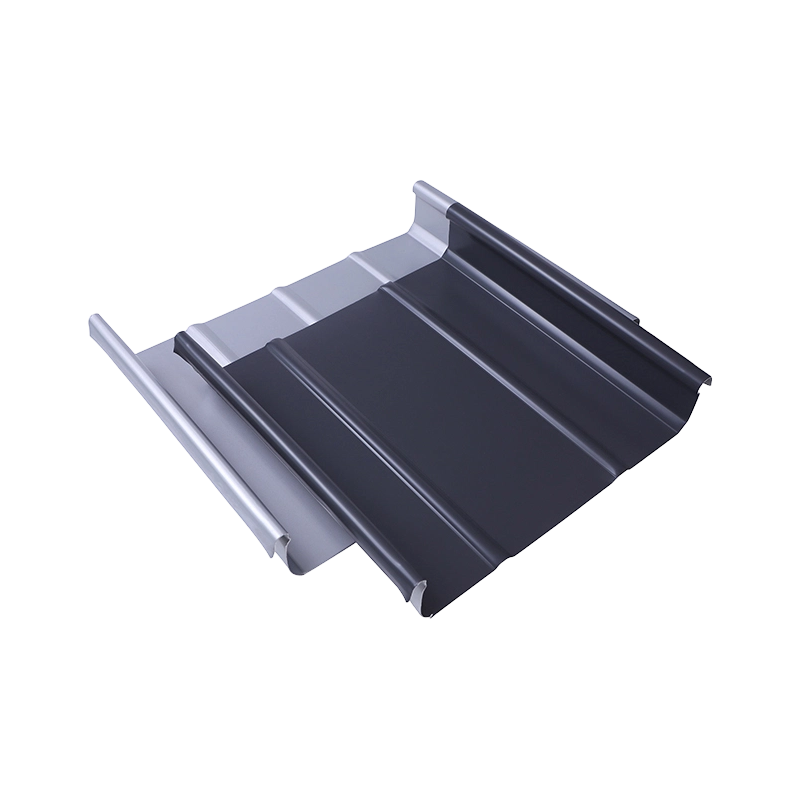
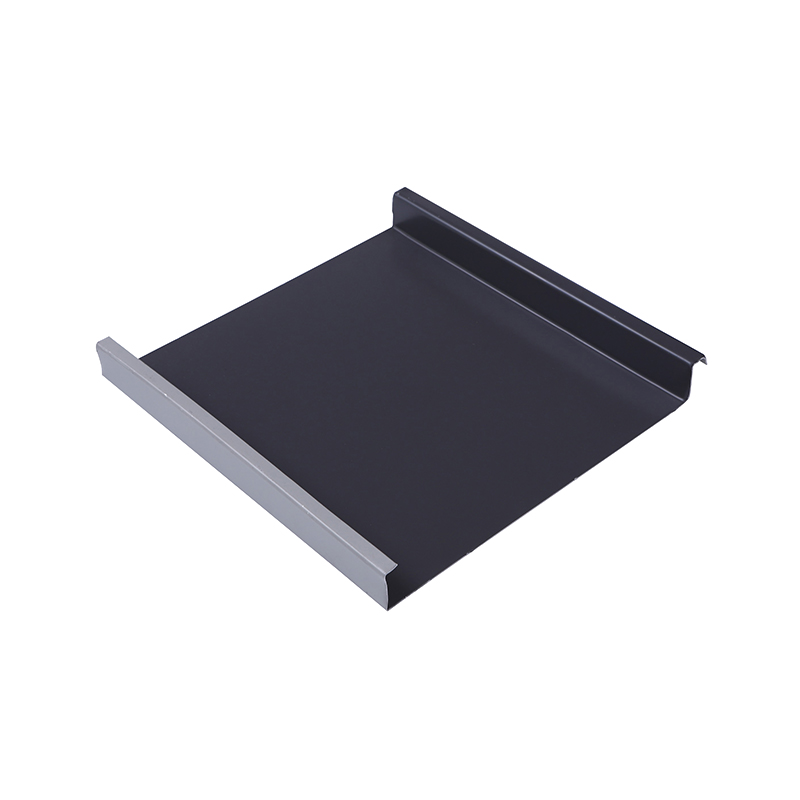
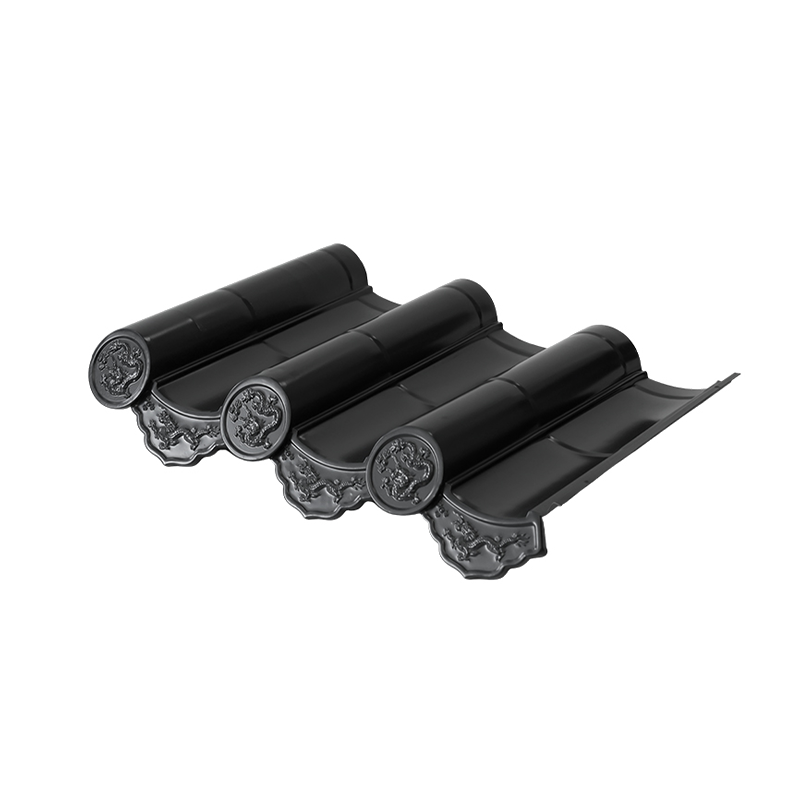
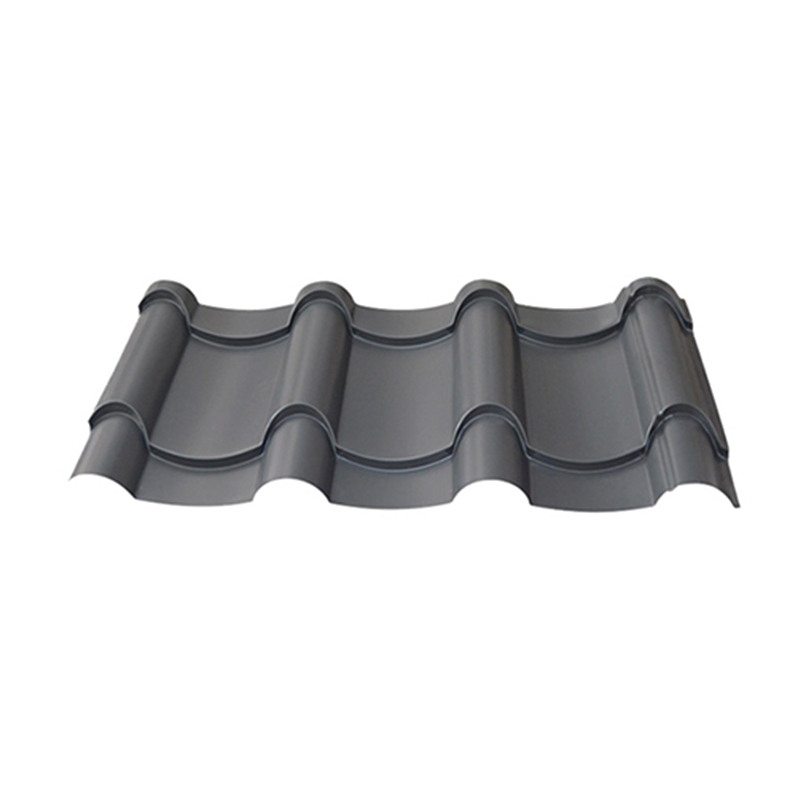
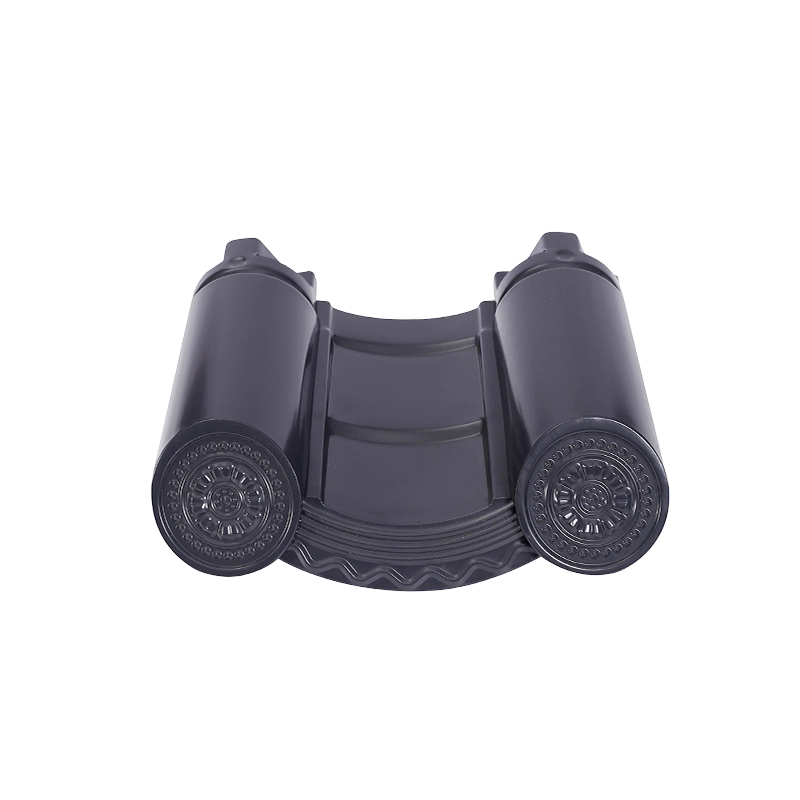
Soundproof Roofing Panel Specifications
| Item | Typical Range / Option |
| Common base materials | Aluminum alloy, aluminum-magnesium-manganese, Galvalume steel |
| Acoustic assembly approach | Insulation layer plus air gap or resilient underlayment recommended for sound dampening |
| Insulation coordination | Thicker insulation generally provides improved acoustic performance alongside thermal benefit |
| Panel profile consideration | Standing seam and flat lock profiles both compatible with acoustic-optimized assemblies |
| Typical applications | Residential top-floor units, schools, hospitals, noise-sensitive institutional buildings |
| Underlayment recommendation | Sound-dampening underlayment materials available for enhanced acoustic performance |
| Complementary factors | Interior ceiling design and structural deck type also significantly affect final acoustic result |
| Documentation | Coordination guidance available to support a project's acoustic consultant specification |
We recommend involving an acoustic consultant early in the design process for projects with a specific, formal acoustic performance target, since achieving a particular sound transmission class or noise reduction coefficient depends on the complete roofing assembly design working together, and our panel specification represents just one component of this broader acoustic system that the consultant's complete assembly design must properly coordinate from the outset.
We also recommend confirming whether the project's ceiling and interior finish design has already been determined, since this affects the overall acoustic assembly's performance alongside the roofing panel and insulation choices, and coordinating all three elements together typically produces a more reliable, predictable final acoustic result than treating each layer as an independent decision made in isolation from the others.
Please share your project's specific ceiling and finish plans during your initial consultation with our team.
We remain glad to discuss these interactions in more depth during your initial technical consultation.
Pricing Structure and Minimum Order Quantity
The metal roofing panel itself is priced according to our standard material, thickness, and profile pricing structure, since acoustic performance is primarily achieved through insulation and assembly design choices rather than a distinct panel product feature carrying its own separate premium. Any sound-dampening underlayment or specialized acoustic insulation would be priced as a separate assembly component alongside the base roofing panel.
Minimum order quantity follows our standard approach for the selected base material and profile, and we can accommodate projects ranging from individual residential top-floor renovation projects to larger institutional buildings like schools specifically prioritizing acoustic comfort for their occupants and staff.
We recommend buyers with a specific acoustic performance budget discuss their complete assembly cost, including insulation and underlayment components alongside our base panel cost, with their acoustic consultant or contractor to develop a complete, accurate project budget that reflects the full acoustic assembly rather than the roofing panel cost alone.
We also recognize that some acoustic-priority buyers specifically want to understand the cost implications of moving from a basic insulation approach to a more robust acoustic assembly, and we are glad to help facilitate this comparison in coordination with a project's insulation supplier or acoustic consultant, ensuring the buyer has a complete, accurate picture of total assembly cost before finalizing their specification decision.
We remain glad to facilitate this comparison for any buyer working through their acoustic budget planning.
We remain committed to transparent, complete cost guidance for every acoustic-priority project.
We remain glad to help.
Manufacturing Capacity and Lead Time
Acoustic-relevant roofing panels are produced using the same production infrastructure as our broader product range at our Taicang, Suzhou facility, since acoustic performance is primarily an assembly design consideration rather than requiring a distinct manufacturing process for the metal panel component itself.
Lead time follows our standard timeline for the selected base material, profile, and thickness, consistent with our broader roofing product lead times, since the panel manufacturing process itself does not differ based on the building's specific acoustic performance requirements or intended use.
For institutional buyers such as schools or hospitals with a construction schedule tied to occupancy or licensing requirements, we aim to provide realistic, specific lead-time commitments that support their broader project timeline and coordinate delivery with their insulation and acoustic assembly installation sequence where relevant to the project.
We also maintain flexibility in coordinating our panel delivery schedule with a separate insulation or acoustic underlayment contractor's own installation timeline, recognizing that these trades often need to work in close sequence on site, and misaligned delivery timing between the panel and acoustic assembly components can create unnecessary delays in the overall roofing installation process for the project.
We prioritize this kind of scheduling coordination especially for institutional projects with a fixed occupancy date driving the overall construction timeline.
We remain flexible and responsive in coordinating this kind of multi-trade delivery schedule for every project.
We remain a dependable partner throughout this multi-trade coordination process.
We remain dependable throughout this process.
We remain glad to help.
Trade Terms, Payment and Compliance
Acoustic-relevant roofing orders are supported under our standard international trade terms, including FOB, CIF, and DDP where appropriate, with payment generally following standard practice of a deposit before production and balance due before or against shipping documents.
Because acoustic performance requirements are sometimes referenced in specific local building codes for certain occupancy types, particularly schools and healthcare facilities in some jurisdictions, we encourage buyers to confirm any specific local requirements with their acoustic consultant or building authority, and we are glad to provide material specification documentation to support this compliance review process.
Standard export documentation, including commercial invoices, packing lists, and certificates of origin, is provided as a matter of course, and material certification can be supplied to support a project's specific acoustic or building performance compliance documentation as needed.
We also recommend confirming whether your project's acoustic requirement involves any third-party testing or verification of the completed assembly's actual performance, since this documentation process, where required, typically involves the building's acoustic consultant and testing agency rather than the panel manufacturer alone, though we remain available to support this process as needed.
We remain available to support your project's acoustic compliance documentation needs throughout the full design and construction process from start to finish.
Please reach out with any specific acoustic documentation question relevant to your project's jurisdiction.
We remain ready to support your compliance documentation at every stage.
We remain ready to support you at every stage.
We remain glad to help.
Thank you.
Frequently Asked Questions About Soundproof Roofing Panels
Does the metal panel itself reduce rain noise, or is it mainly the insulation? Insulation and assembly design (air gap, resilient underlayment) play the larger role in acoustic performance; the metal panel's contribution relates mainly to correct installation and assembly integration.
What insulation thickness is recommended for good acoustic performance? This depends on your specific noise concern and target performance level; we recommend consulting an acoustic specialist for a formal recommendation tailored to your project.
Is standing seam or flat lock better for acoustic performance? Both profiles are compatible with acoustic-optimized assemblies; the acoustic performance difference relates more to the overall assembly design than the specific panel profile chosen.
Can you help coordinate with our project's acoustic consultant? Yes, our technical team is comfortable working alongside an acoustic consultant to ensure our panel specification properly supports their complete assembly design.
Is acoustic performance a concern mainly for schools and hospitals? These building types often have specific acoustic requirements, but residential buyers, particularly for top-floor rooms, also frequently prioritize this consideration for general comfort.
Does a thicker metal panel reduce noise better than a thinner one? Panel thickness has a relatively minor effect on acoustic performance compared to insulation and assembly design choices, which are the primary factors determining overall sound transmission reduction.
Can you recommend a specific acoustic consultant if we don't have one? We do not directly recommend consultants, but are glad to work alongside whichever consultant your project team selects.
We remain glad to help.





 DOWNLOAD