LANGUAGE
 English
 Español
 عربى
عربى
Field Notes — Roofing Performance Do Flat Metal Tiles Really Outperform Corrugated Sheets in the Wind? A close read of uplift ratings, fastening geometry, and long-term fatigue — and what they mean ...
READ MORE
Company News
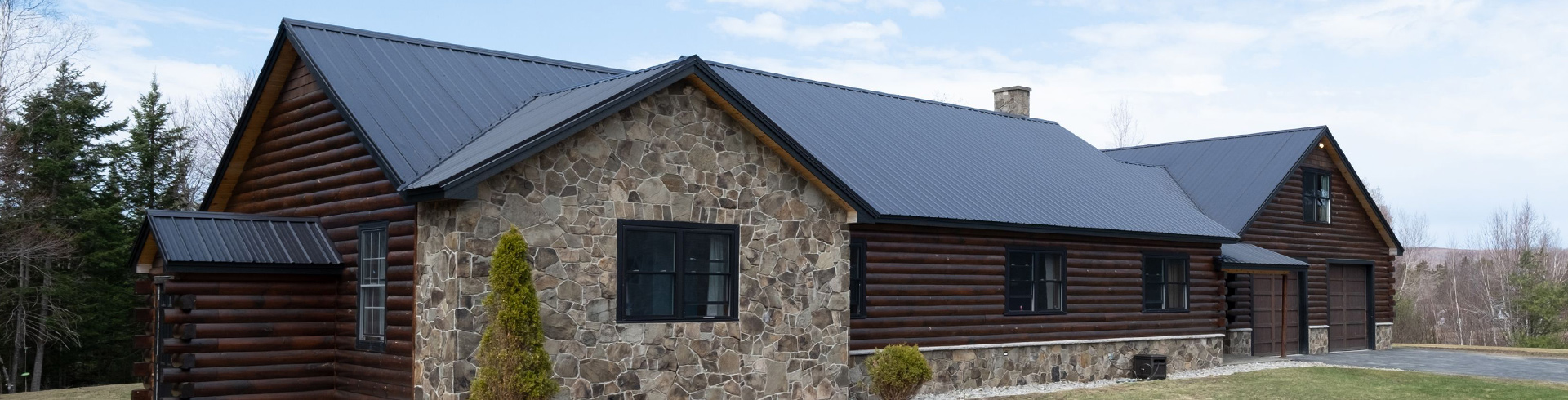
Titanium-zinc sheet metal roofing and wall material
Update:04 Jun 2026
Titanium-zinc roofing/wall materials have been used for nearly two centuries and are widely used in major European cities such as Paris, London, and Rome. Many buildings in these cities use titanium-zinc roofing materials. Their application in Asia is also developing rapidly.
Titanium-zinc roofing/wall materials have been used for nearly two centuries and are widely used in major European cities such as Paris, London, and Rome. Many buildings in these cities use titanium-zinc roofing materials. Their application in Asia is also developing rapidly.
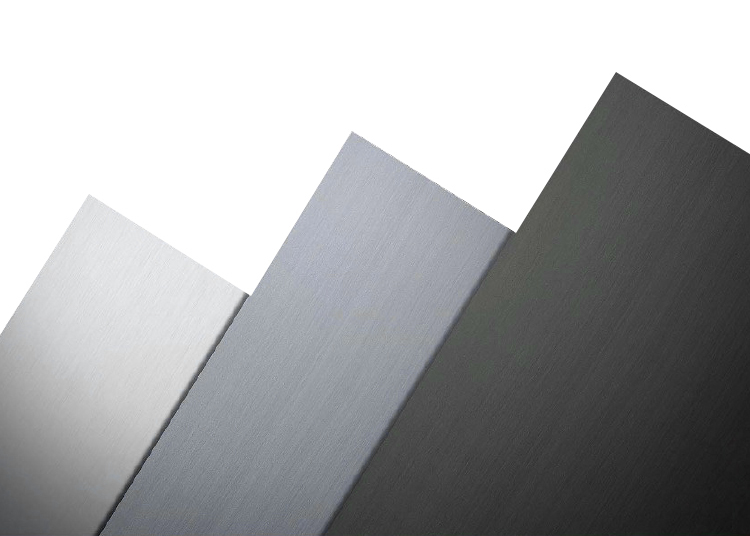
Evolution of the passivation layer (Platina)
Metallic zinc is highly reactive, readily reacting with water, oxygen, carbon dioxide, and other substances in the air under natural conditions. The resulting compounds form a dense, stable substance—the passivation layer.
This passivation layer effectively protects the titanium-zinc sheet while preventing secondary contact and reaction between the zinc and air.
Even if the passivation layer is damaged by external forces, the exposed zinc will still react with water, oxygen, carbon dioxide, and other substances in the air, eventually forming a new passivation layer identical to the original. Therefore, its lifespan, color stability, and self-healing capabilities are fully demonstrated.
The chemical equilibrium of the passivation layer varies depending on environmental factors (air pressure, humidity, temperature, oxygen content, carbon dioxide content, etc.). Therefore, each titanium-zinc sheet building possesses its own unique natural vitality (e.g., in the water-rich environments of southern my country, the gray color may slightly change).
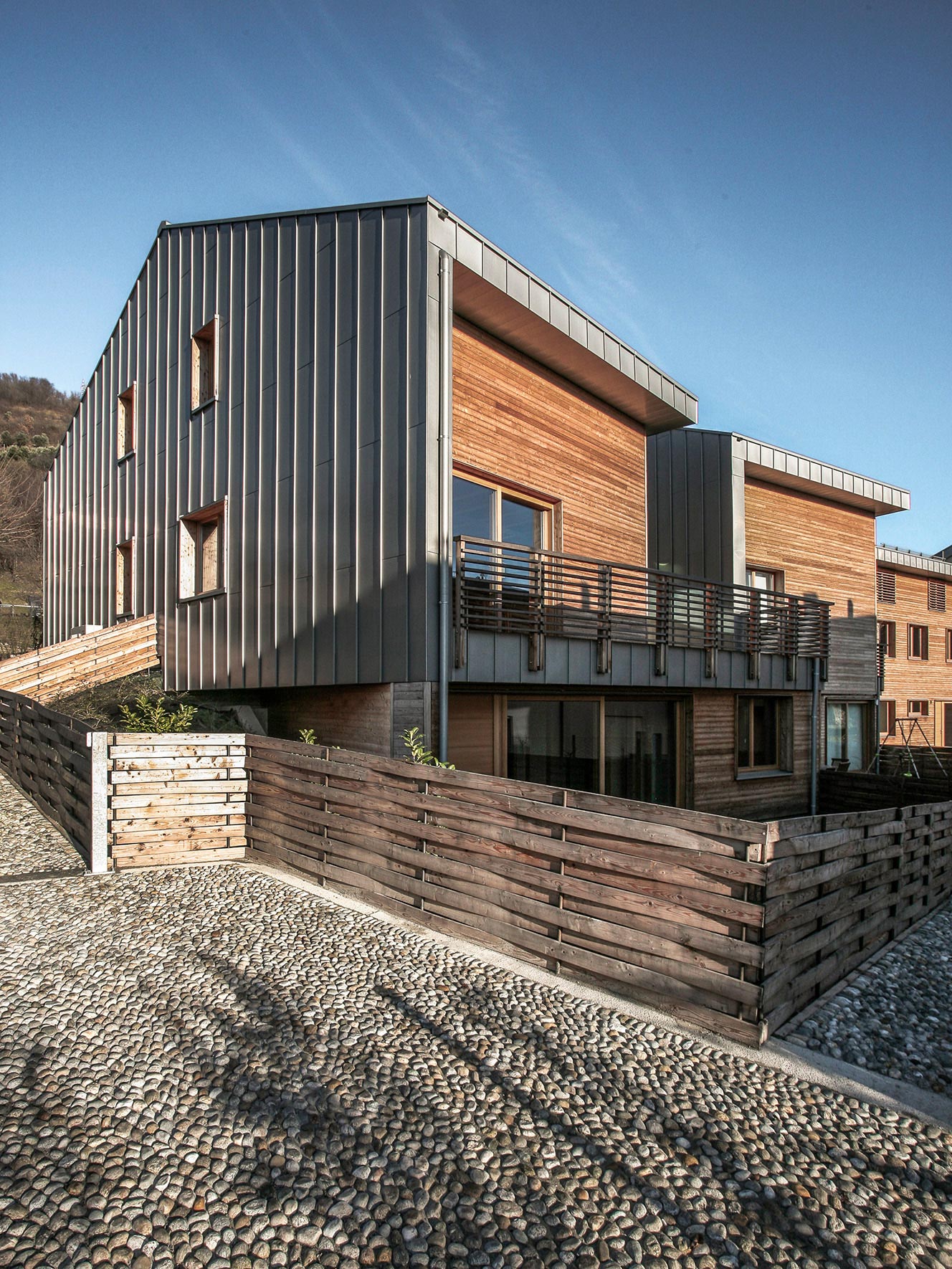
Material characteristics
a. Long service life: the metal surface layer has a lifespan of 80-100 years;
b. Protected by its own zinc carbonate protective layer, it prevents further corrosion, requires no painting, has a true metallic texture, and features self-healing after scratches, leaving no marks and requiring no maintenance;
c. The panels have good elongation and tensile strength, good plasticity, and can be bent into three-dimensional and irregular shapes on-site, fully satisfying the rich creative imagination and inspiration requirements of owners and architects;
d. Concealed snap-fit vertical edge interlocking joints and flat locking (diagonal locking) joints form a structural waterproof and dustproof system. The roof joints are lightweight and aesthetically pleasing, with excellent waterproofing, especially effective against typhoons and severe weather in coastal areas;
e. Leveraging 200 years of accumulated experience and technology in roof system construction, and utilizing modern roof construction equipment, the construction of this roof system is safe, economical, fast, and accurate. Titanium zinc plate material is available in three different colors: raw zinc (similar to stainless steel) and pre-passivated zinc (which has undergone pre-passivation treatment, and the surface has formed two types of protective films: blue-gray and copper-green).
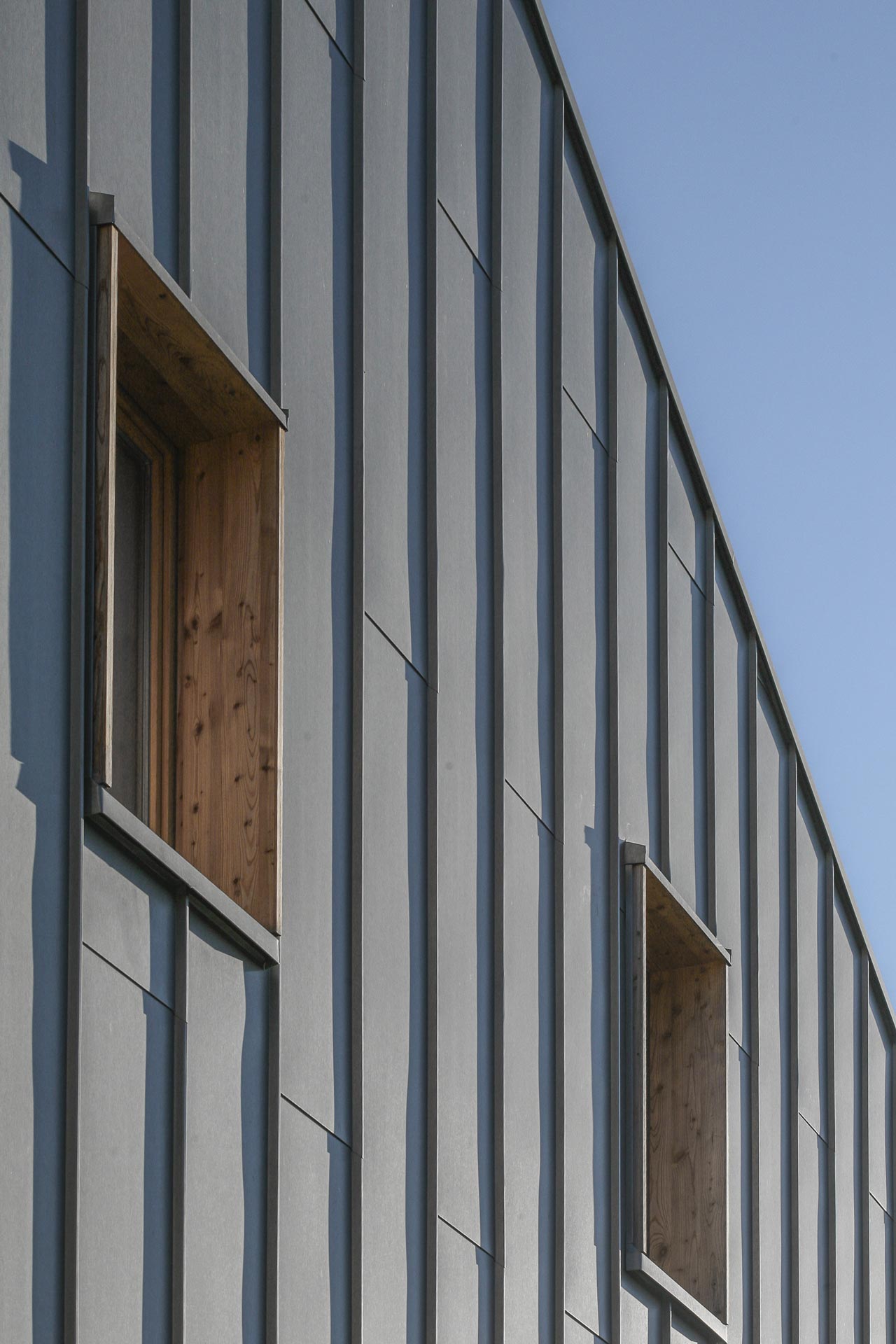
Maintain
1. Fingerprints: When titanium-zinc panels are used in curtain walls, fingerprints should be avoided. Mineral oil is needed to remove them. Of course, to prevent fingerprints altogether, it's best to wear cotton gloves during installation.
2. Grease and Dust: If grease and dust accumulate on the surface of the titanium-zinc panels during installation, gently wipe them off with a clean, dry cloth. Do not scrub vigorously or use cleaning products. Dust can be washed away naturally by rainwater.
3. Surface Scratches: If small surface scratches appear on the titanium-zinc panels during installation, a new passivation layer will regenerate due to the self-healing properties of the passivation layer. However, if the scratches are deep and wide, replacement of the panel should be considered.
4. Protective Film: To prevent scratches during transportation and installation, titanium-zinc panel manufacturers apply a protective film to the surface of the products. This film should be removed as soon as possible after installation. It is recommended that the protective film be removed within 6 weeks of the installation completion date.
Storage Recommendations
To ensure product quality, please strictly adhere to the following storage recommendations:
1. Sheets and rolls must be stored in a well-ventilated, dry, cool, and sheltered temperature-controlled area to prevent condensation.
2. Sheets and rolls must be isolated from the ground using wooden racks to ensure sufficient air circulation.
3. To prevent material deformation, all sheets must be laid flat on the racks.
4. During roll transportation, materials can be placed along either the horizontal or vertical axis, depending on customer requirements.
It is recommended to store rolls in their original packaging. If stacking is necessary due to space constraints, please follow these principles:
1. If the rolls arrive in a horizontal orientation, the wooden racks must be kept separate as before and cannot be stacked.
2. If the rolls arrive in a vertical orientation, the wooden racks can be stacked, but for stability and safety, a maximum of 5 racks can be stacked.
3. The storage time for sheets and rolls should be minimized, especially at construction sites.
Titanium-zinc steel sheets are a green material that is 100% recyclable and reusable, aligning with sustainable development principles. The use of titanium-zinc steel sheets has no adverse effects on the surrounding environment. Water runoff from the zinc sheet surface can be used to water plants without any side effects. Zinc is a completely natural material, widely found in nature, and is an essential element for humans and other organisms, playing a vital role in biological balance and growth.
Recommended Products
News
-
-
Metal roofing refers to a roofing system that uses metal sheets as the roofing material, integrating the structural layer and waterproofing layer into one. There are many types of metal sheets, includ...
READ MORE -
For wooden-structured guesthouses, the roof is not only the foundation for shelter from wind and rain, but also the key to creating a sense of atmosphere. The warm texture of the natural wood requires...
READ MORE -
Roof waterproofing is an extremely important aspect. Standing seam metal roof panels themselves have excellent waterproofing properties, but some metal roofs still experience leaks during use. There a...
READ MORE

 DOWNLOAD
Copyright © Suzhou Donghong Metal Materials Technology Co., Ltd.
All Rights Reserved.
 Custom Metal Roofing Sheets Manufacturers
Custom Metal Roofing Sheets Manufacturers


QUICK LINKS
PRODUCT
CONTACT US
-
 Email: DonghongMetal@outlook.com
 -
 WahtsApp: +86 18036113307
 -
 Mobile Phone: +86-185 5030 2515
 -
 WhatsApp Business: 852-55025164
 -
 Address: No. 16 Hongyun Road, Fuqiao Town, Taicang City, Suzhou, Jiangsu Province, China