LANGUAGE
 English
 Español
 عربى
عربى
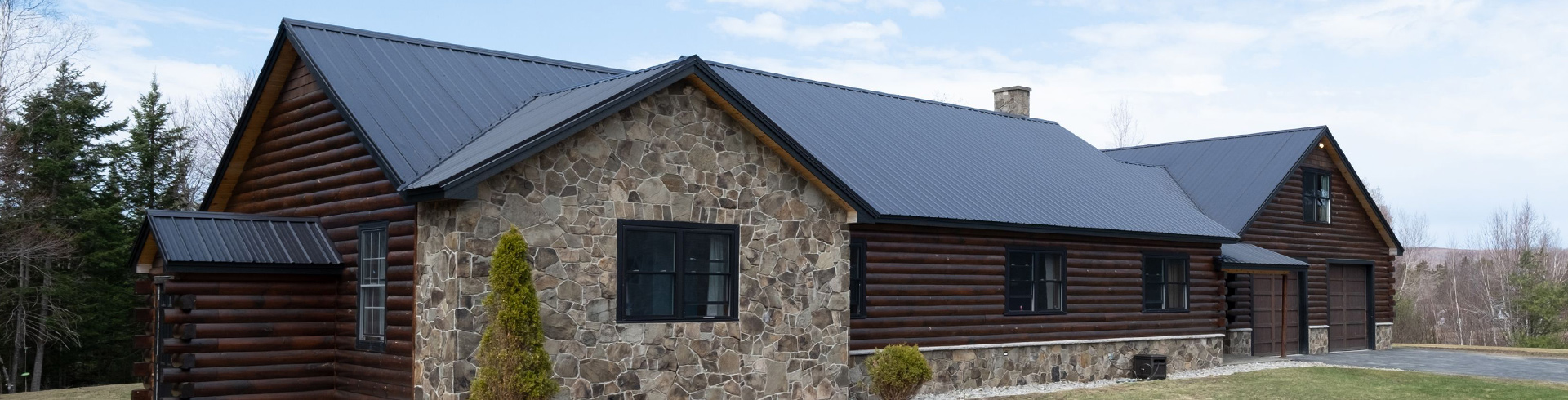
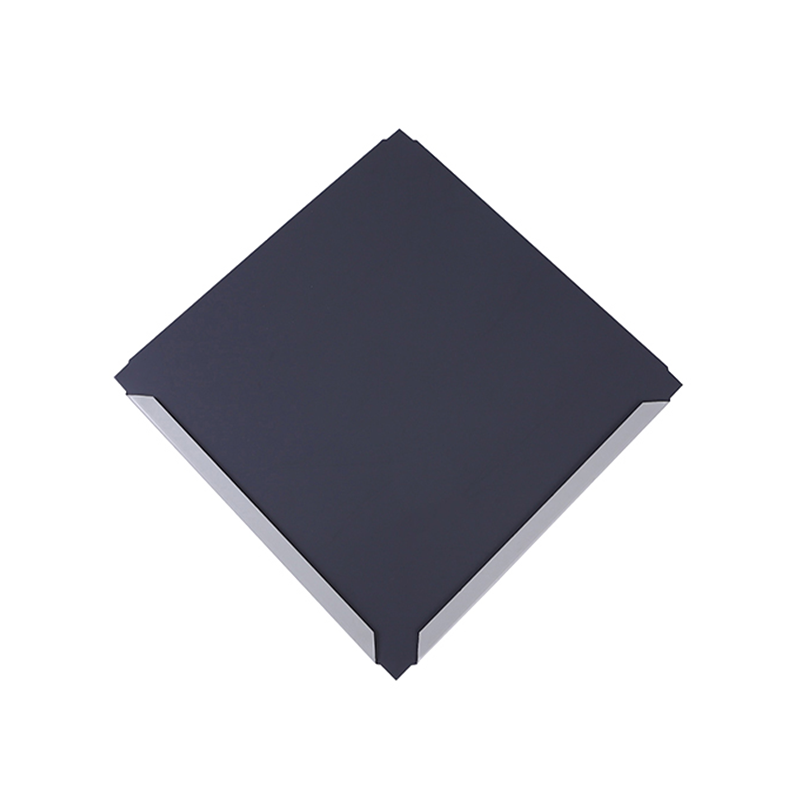
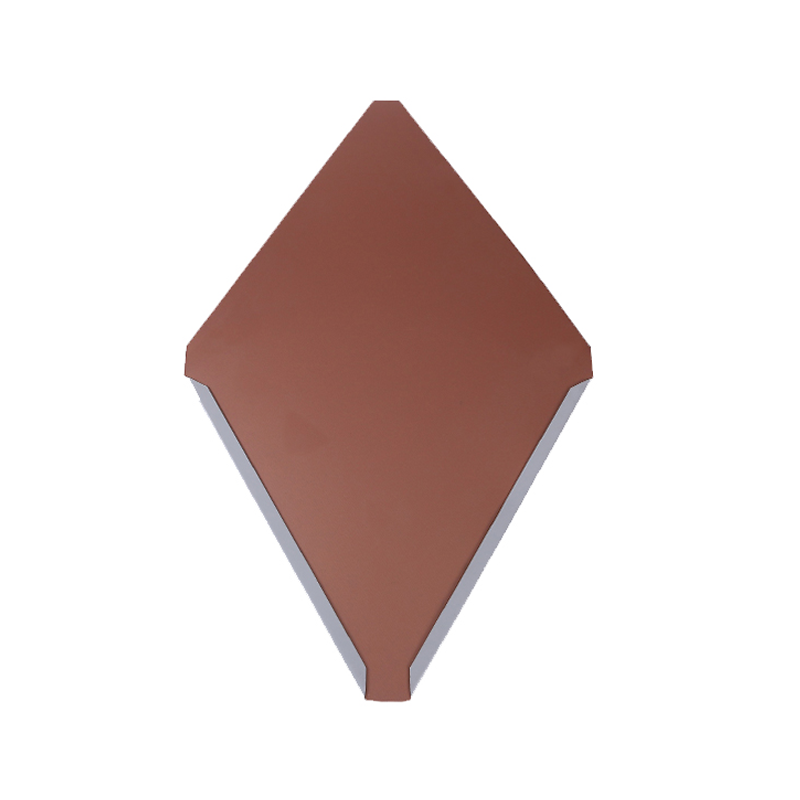
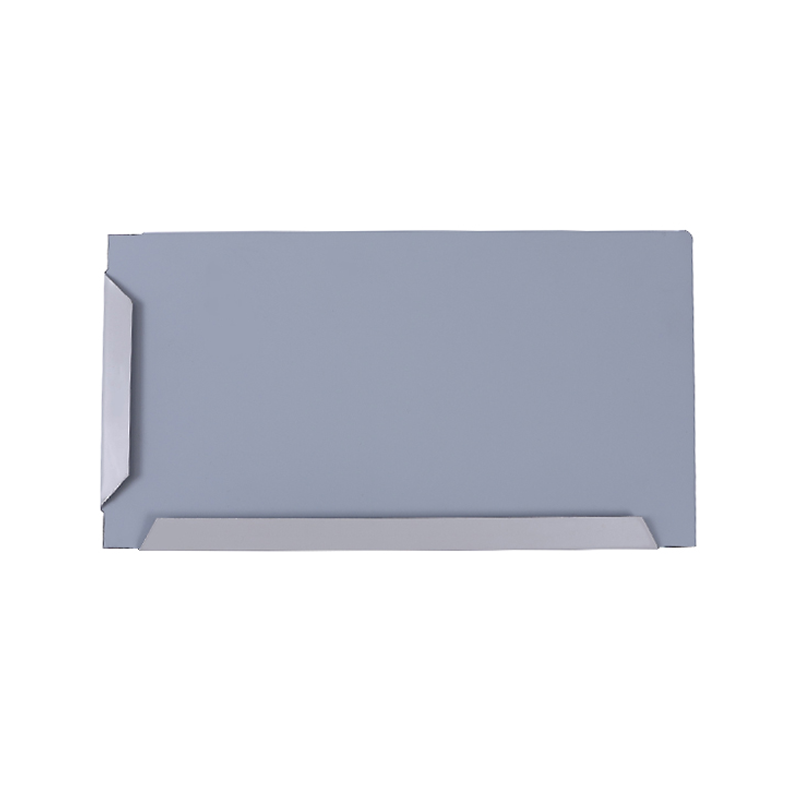
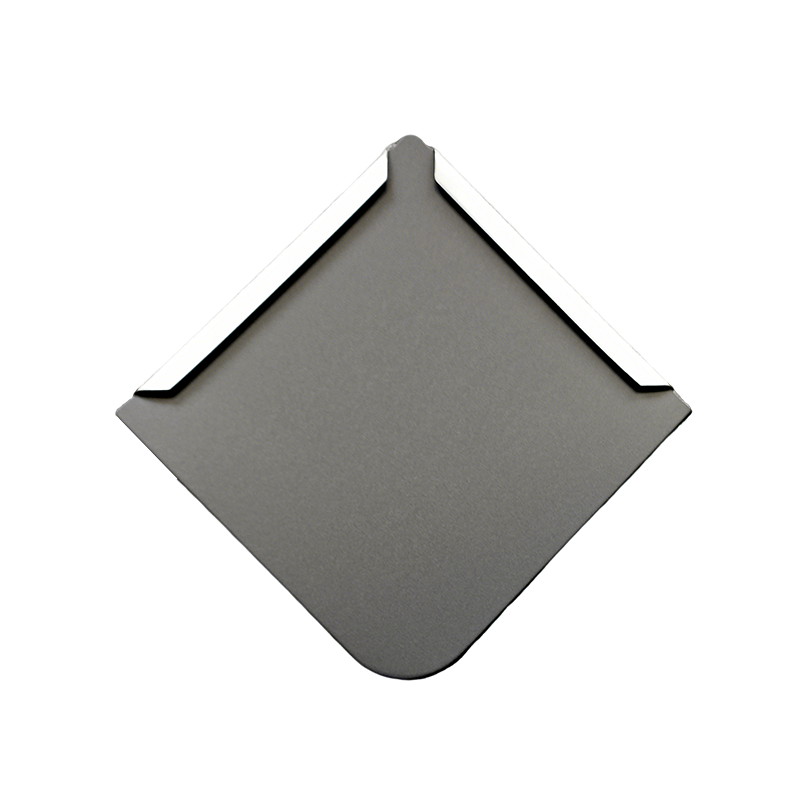
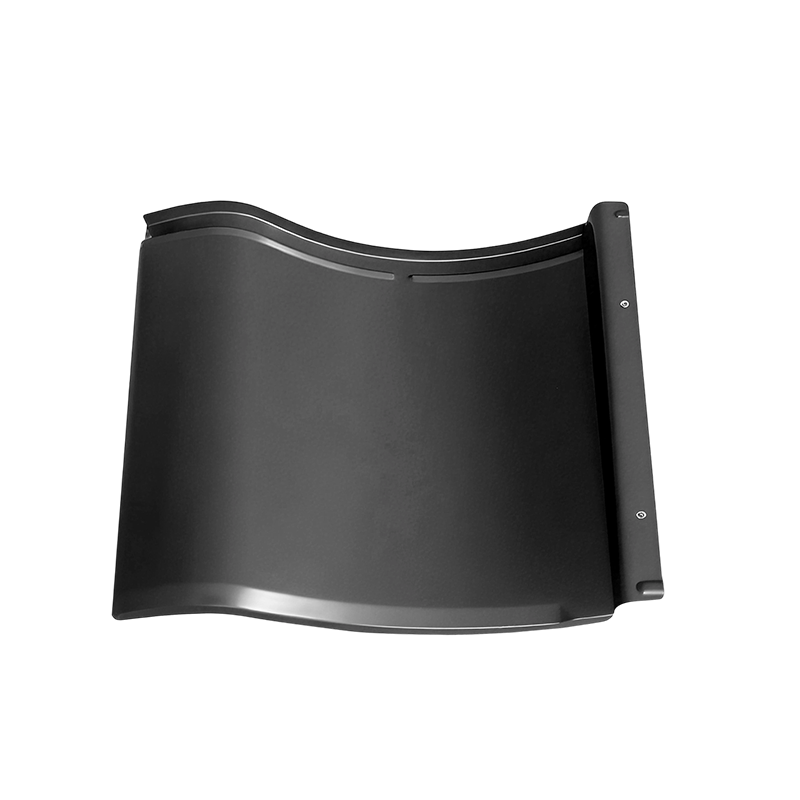
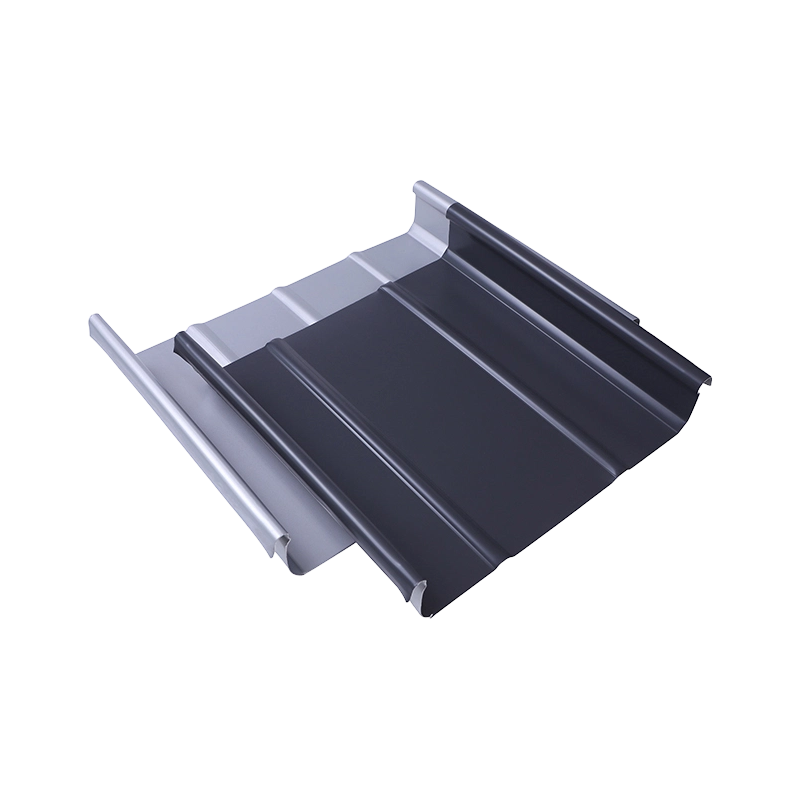
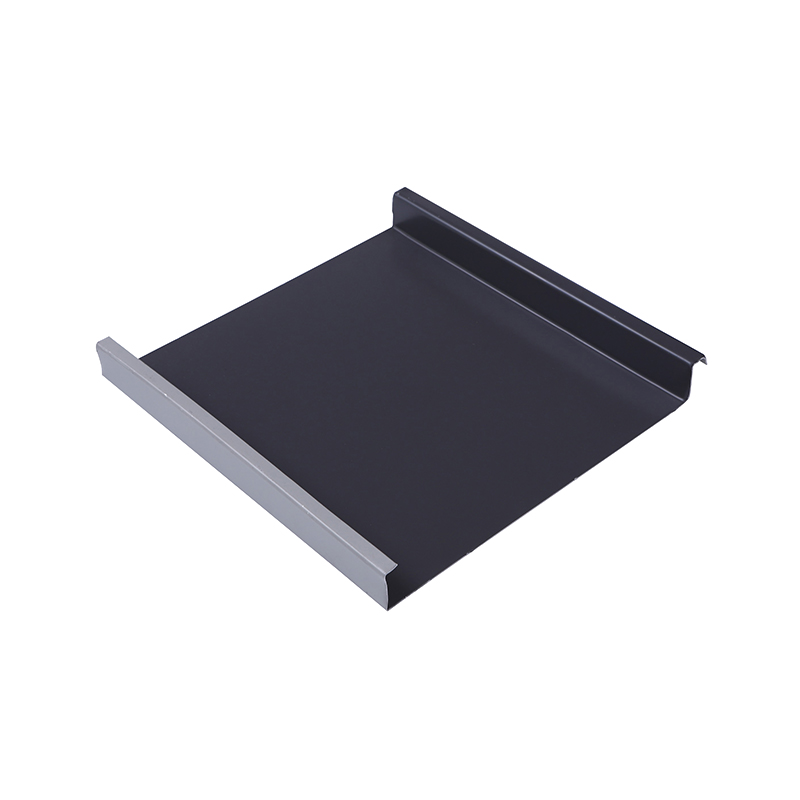
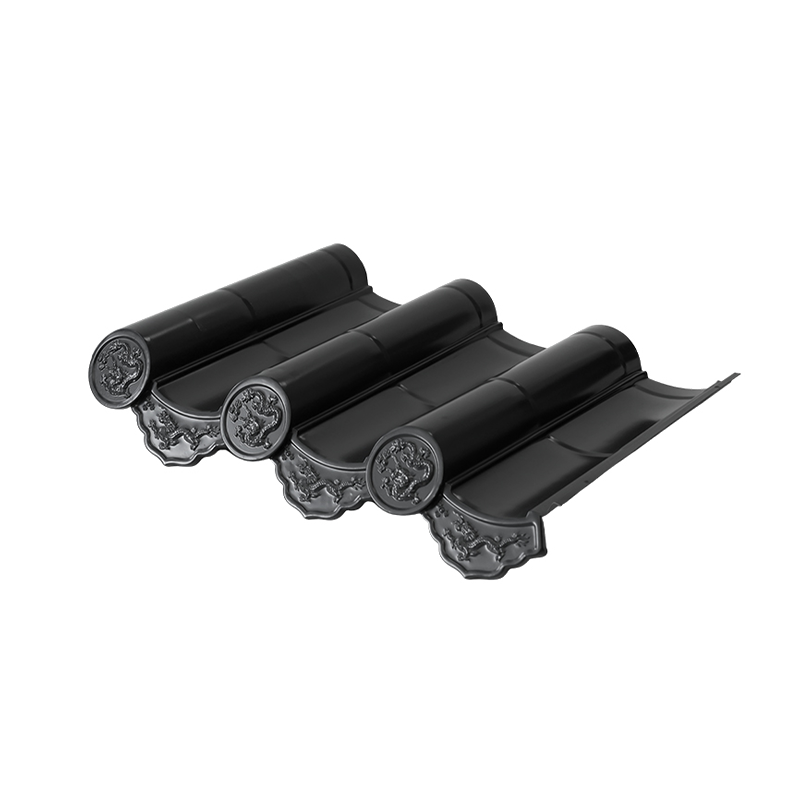
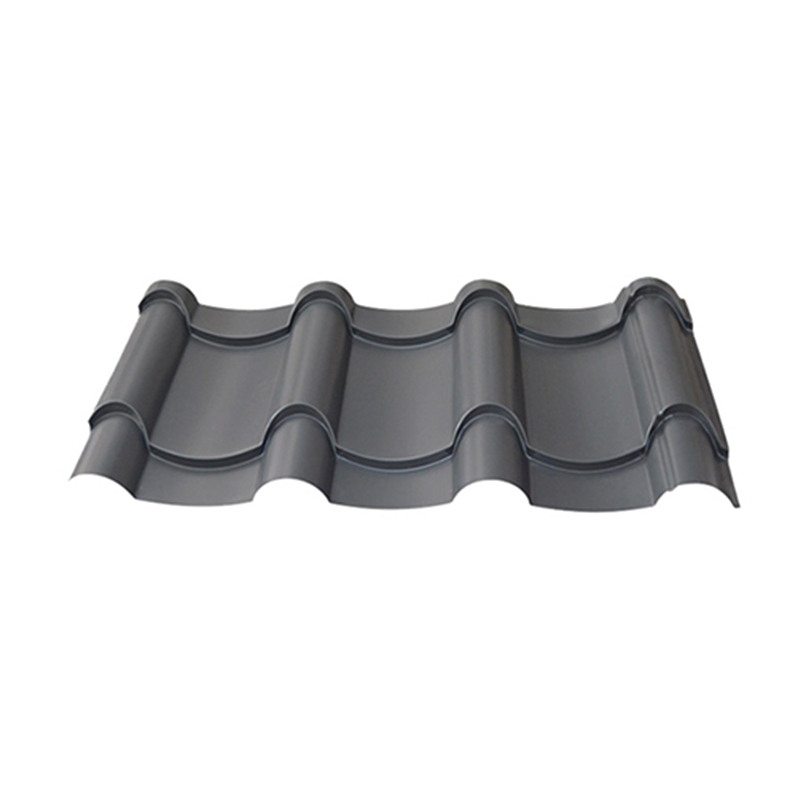
Cool Roof Panel Specifications
| Item | Typical Range / Option |
| Recommended base materials | Aluminum alloy, Galvalume steel |
| Reflective color options | White, light gray, and other high-reflectance light color tones |
| Coating technology | Specialized reflective pigment formulations available for enhanced solar reflectance |
| Performance metrics | Solar reflectance and thermal emittance data available for common cool roof standards |
| Typical applications | Warehouses, retail centers, single-story commercial buildings, hot-climate residential |
| Energy code relevance | Suitable for projects targeting cool roof code compliance or green building certification |
| Coating durability | PVDF coating recommended to maintain reflective performance over the roof's service life |
| Aesthetic trade-off | Lighter colors required for maximum reflectance may limit some darker color aesthetic preferences |
We recommend confirming whether your project needs to meet a specific published cool roof standard, such as an Energy Star or regional green building rating threshold for solar reflectance and thermal emittance, since different standards set different minimum performance thresholds, and confirming your specific target early allows us to recommend a color and coating combination that reliably meets your particular compliance requirement rather than a general "light color" recommendation that may not meet a specific numerical threshold. We also recommend discussing roof slope and drainage design alongside color selection, since these factors interact with thermal performance.
We also recommend discussing your roof's specific slope and drainage design alongside color and coating selection, since standing water or debris accumulation on a low-slope roof can affect reflective performance over time regardless of the coating's initial specification. Buyers in markets with a formal cool roof rating program, such as those referencing the Cool Roof Rating Council or a similar regional body, should also confirm which specific test method and rating threshold applies, since our team can provide performance data aligned to the specific methodology your project's compliance pathway requires rather than a generic reflectance figure that may not directly map to your program's exact requirements.
We remain available to clarify any of these technical requirements during your project's initial planning stage.
Pricing Structure and Minimum Order Quantity
Cool roof reflective finishes typically carry a modest premium over standard coating options, reflecting the specialized reflective pigment formulations used, though this premium is generally smaller than the price difference between our different base material tiers. Pricing depends on the selected base material, thickness, and specific reflective coating specification, following our standard per-square-meter approach.
Minimum order quantity follows our standard approach for the chosen base material and profile, and we can accommodate both smaller cool-roof residential projects and larger commercial or industrial buildings specifically targeting reduced cooling costs across a substantial roof area, where the cumulative energy savings potential is often most significant given the larger total reflective surface area involved.
We encourage buyers evaluating cool roofing to consider the potential energy cost savings over the building's operating life alongside the modest upfront coating premium, since for large-roof-area buildings in hot climates, the reduced air conditioning load can often justify the additional cost within a reasonably short payback period, making cool roofing a genuinely sound long-term financial decision rather than a purely aesthetic or compliance-driven choice. We are glad to walk through this calculation with an interested buyer.
We are also glad to prepare a simple payback period estimate for interested buyers, comparing the modest additional coating cost against typical regional electricity pricing and estimated cooling load reduction for a building of similar size and use in a comparable climate, which often helps translate the abstract concept of energy savings into a concrete, buyer-specific financial figure that supports a clear purchasing decision rather than a vague general claim about efficiency benefits.
We are glad to prepare this kind of analysis for any interested buyer weighing this investment decision.
We remain glad to help.
Manufacturing Capacity and Lead Time
Cool roof panels are produced across our 12 automated production lines at our 10,000㎡ Taicang, Suzhou facility, using our standard aluminum alloy and Galvalume steel production processes with the specific reflective coating formulation applied during our standard coil coating process.
Lead time generally follows our standard timeline for the selected base material and profile, since cool roof coating represents a coating formulation choice rather than a fundamentally different manufacturing process requiring separate production infrastructure or extended processing time compared to our standard color options.
For buyers in hot climates specifically motivated by a desire to reduce cooling costs before an upcoming hot season, we understand that delivery timing can carry meaningful seasonal significance, and we aim to provide realistic, specific lead-time commitments that help buyers plan their installation to be completed before peak cooling season begins wherever reasonably feasible. We communicate proactively about any factor that might affect this timeline.
We also maintain awareness of regional hot-season patterns across our major export markets and proactively flag to buyers in these regions when a specific shipping or production timeline might affect their ability to complete installation before their local cooling season begins in earnest, helping buyers plan realistically around this seasonal consideration from the outset of their project.
We remain committed to this seasonal planning discipline for every buyer whose project timeline is genuinely tied to completing installation before their local hot season intensifies.
Buyers can count on this seasonal awareness benefiting their own construction planning process.
Trade Terms, Payment and Compliance
Cool roof panel orders are supported under our standard international trade terms, including FOB, CIF, and DDP where appropriate, with payment generally following standard practice of a deposit before production and balance due before or against shipping documents.
Because cool roof requirements and available incentive programs vary considerably by jurisdiction, we encourage buyers to confirm their project's specific local requirements with their building authority or sustainability consultant, and we are glad to provide available coating performance documentation to support this compliance or certification review process.
Standard export documentation, including commercial invoices, packing lists, and certificates of origin, is provided as a matter of course, and coating performance data can be supplied where available to support a project's specific cool roof or green building certification documentation requirements. Our team remains a reliable resource throughout this entire compliance journey.
We also recommend buyers confirm whether their specific jurisdiction offers a financial incentive or rebate program tied to documented cool roof installation, since we can provide the specific performance documentation these programs commonly require as part of a rebate or incentive application process, supporting a buyer's ability to capture this additional financial benefit.
We remain a dependable resource for buyers navigating this documentation process, wherever their specific project happens to be located around the world.
Please reach out with any documentation question relevant to your specific market.
We remain a reliable partner for this compliance journey wherever your project is located.
Please contact our team with questions at any stage of your project.
Thank you for considering us.
Thank you.
Thank you kindly.
Frequently Asked Questions About Cool Roof Energy-Efficient Panels
How much can a cool roof actually reduce cooling costs? This varies by building type, climate, and roof area, but reflective roofing can meaningfully reduce solar heat gain compared to dark roofing, particularly benefiting large single-story buildings with a high roof-to-wall area ratio.
Do cool roofs only come in white? While white offers the highest reflectance, light gray and other light color tones also provide meaningful reflective benefit compared to standard dark roofing colors.
Does reflective coating wear off over time? PVDF coating is recommended to help maintain reflective performance over the roof's service life better than a standard PE coating would.
Can cool roofing help with a green building certification? Yes, cool roofing can contribute toward certain green building certification credits related to energy performance and heat island reduction; confirm your specific program's requirements with our team.
Is cool roofing only relevant for hot climates? Cool roofing provides the most significant benefit in hot climates with high cooling loads, though some buyers in moderate climates also value the modest additional benefit.
Does dirt accumulation reduce a cool roof's effectiveness? Yes, periodic cleaning helps maintain reflective performance over time, since dirt and debris accumulation gradually reduces a roof's actual reflectance compared to its as-installed condition.
Do you offer a written performance summary for use in project proposals? Yes, we can provide a summary document outlining relevant reflectance and emittance data for your specific project.
Can this document be customized for a specific submission format? Yes, we can adjust the format to suit your project's specific requirements.




 DOWNLOAD