LANGUAGE
 English
 Español
 عربى
عربى
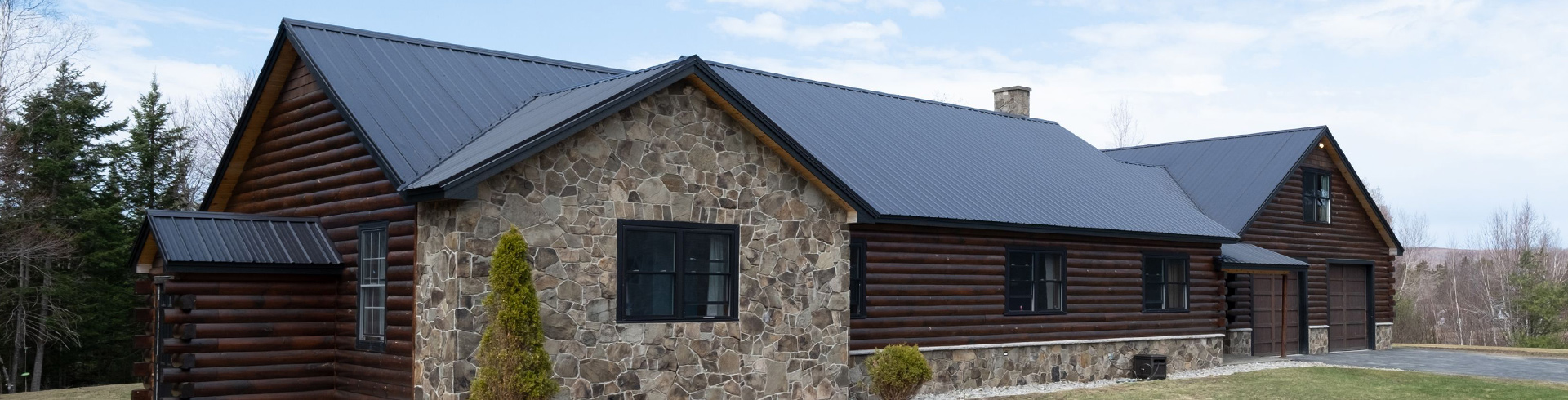
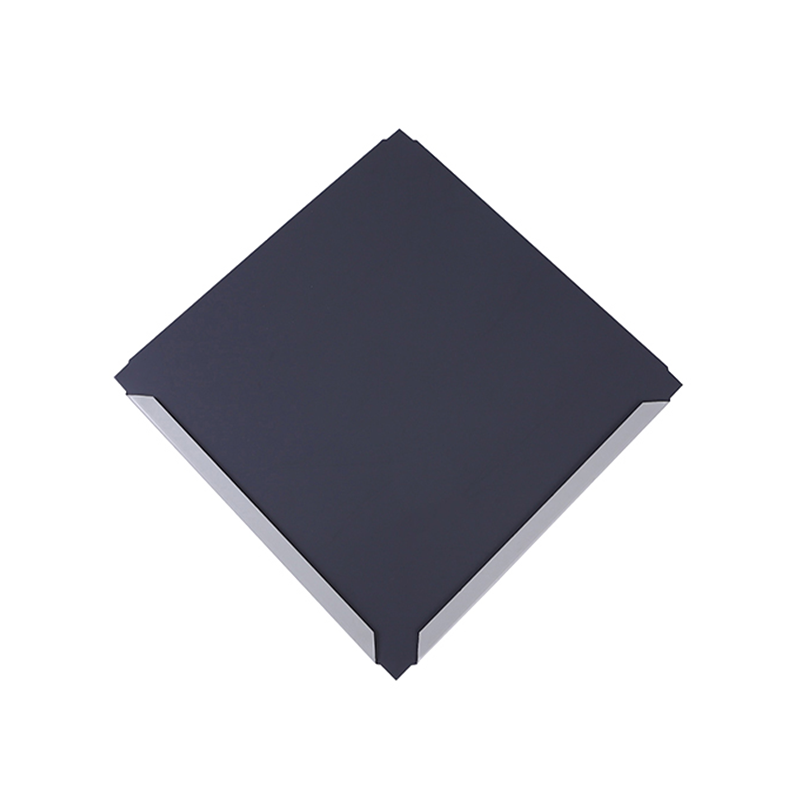
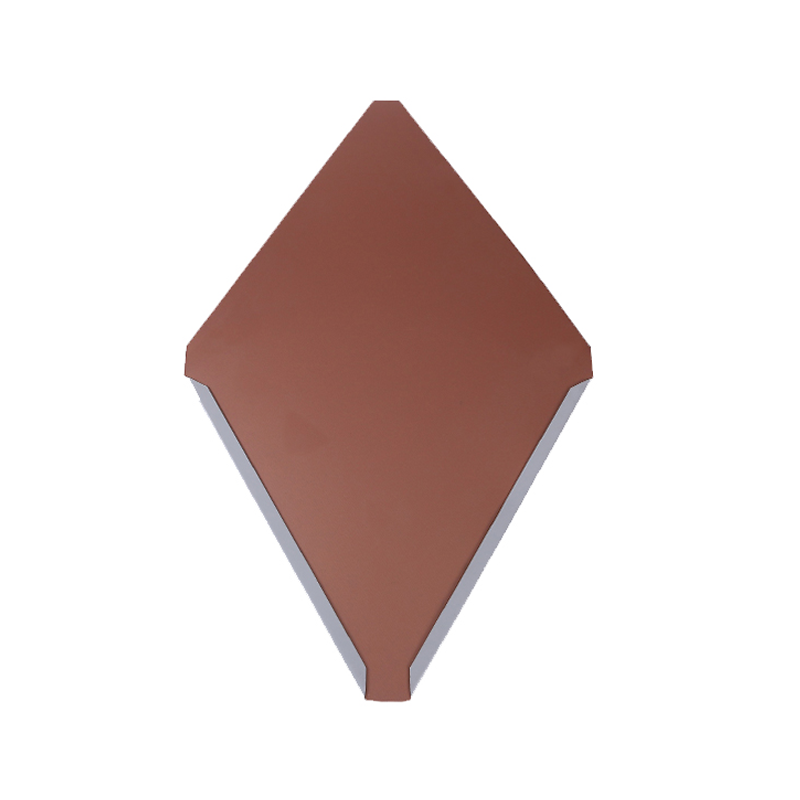
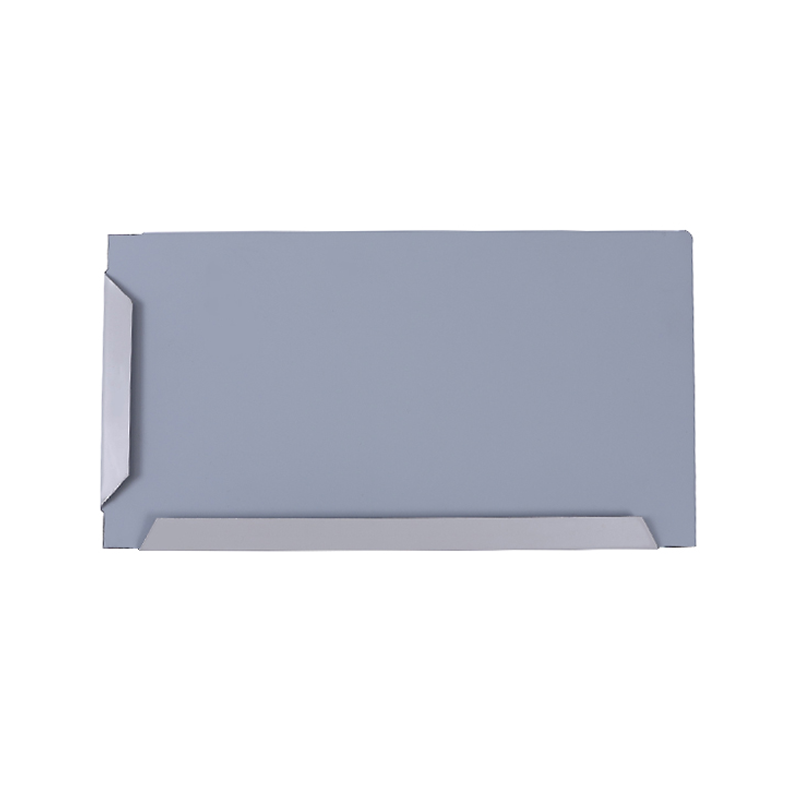
Aluminum-Magnesium-Manganese Alloy Specifications
The table below outlines the typical specification parameters for our AMM roofing systems. As with all our architectural metal products, exact figures are confirmed against project drawings, since standing seam systems are engineered as a complete assembly rather than a single standardized part.
| Item | Typical Range / Option |
| Alloy family | 3000-series aluminum-magnesium-manganese architectural alloy |
| Temper | Confirmed per project based on forming and structural requirements |
| Thickness | 0.7mm - 1.2mm typical for standing seam applications |
| Seam profile | 65 model and 25/32/38 model standing seam profiles available |
| Seam lock type | 180° or 360° mechanically interlocking seam |
| Panel length | Continuous / unlimited length, no overlap required |
| Coating | PVDF fluorocarbon coating recommended for long-term color and gloss retention |
| Fixing method | Concealed clip system, allowing thermal movement |
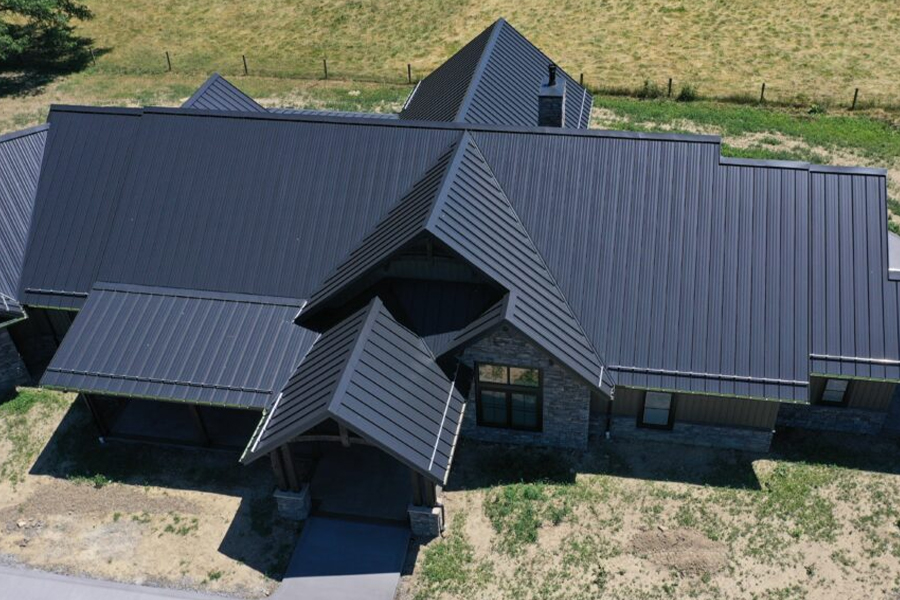
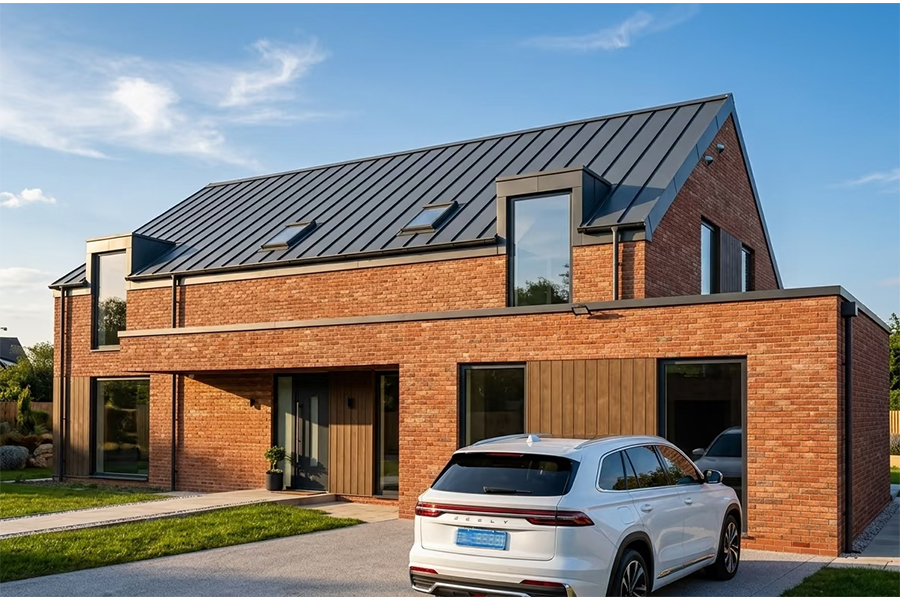
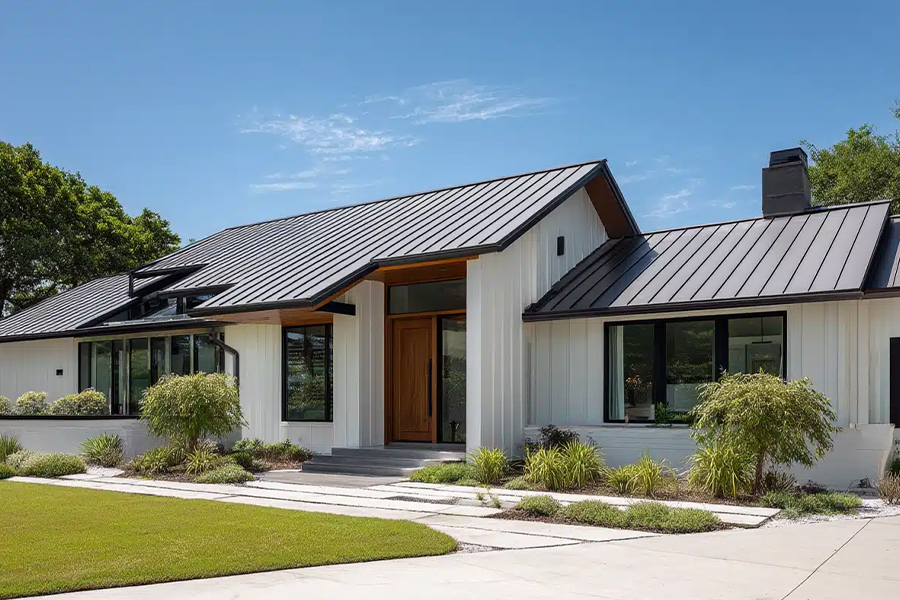
| Typical applications | Stadiums, factories, stations, hotels, villas, large-span steel structures |
Because standing seam roofing is a complete system rather than a single component, buyers should confirm clip spacing, ridge and eave trim compatibility, and insulation coordination alongside the panel specification itself. We recommend sharing roof slope, wind exposure category, and expected panel length with our technical team before finalizing the seam profile (65 model versus 25/32/38 model), since panel length and seam height both affect how well the system accommodates thermal movement on long roof runs.
Buyers should also confirm the intended clip type and spacing early, since standing seam systems rely on the clip and seam working together as a matched pair rather than as independently interchangeable parts. A clip not designed for the specific seam profile can compromise both wind-uplift resistance and the system's ability to accommodate thermal expansion, so we always confirm clip compatibility alongside the panel specification itself rather than treating it as a separate, later decision.
Pricing Structure and Minimum Order Quantity
AMM standing seam roofing is generally priced at a moderate premium over standard aluminum or steel panels, reflecting the alloy's specialized composition and the more demanding roll-forming tolerances required for interlocking seam profiles. Pricing is calculated per square meter and depends primarily on panel thickness, seam profile (65 model versus 25/32/38 model), coating type, and total project area, with volume-based tiered pricing available for larger orders.
Because standing seam systems require matched accessories — concealed clips, ridge caps, eave and gable trims, and valley flashing — buyers should request a full system quotation rather than a panel-only price, since sourcing mismatched accessories from a different supplier is one of the most common causes of installation delays and field modification costs on standing seam projects. We provide itemized quotations that separate panel cost from accessory cost so buyers can see exactly what is and is not included.
Minimum order quantity for AMM standing seam panels is generally set with production and coil-coating efficiency in mind, since custom colors and non-standard thicknesses require dedicated coil runs. For smaller villa-scale projects, we can often accommodate lower volumes using stock colors and standard thicknesses, which avoids the higher MOQ typically associated with custom coil coating. We encourage architects and design firms working on early-stage projects to request budgetary pricing based on estimated roof area before final drawings are complete, which allows the project cost model to be refined progressively rather than waiting until the very end of the design phase.
Manufacturing Capacity and Lead Time
Standing seam AMM roofing panels are manufactured on dedicated roll-forming lines at our Taicang, Suzhou facility, part of our broader base of 12 automated production lines across a 10,000㎡ facility. Because seam geometry must remain dimensionally consistent along the full panel length to ensure adjacent panels interlock correctly on site, we run in-line quality checks throughout the roll-forming process rather than relying solely on end-of-line inspection.
Lead time for AMM standing seam orders depends on panel thickness, seam profile, coating and color selection, and total order volume. Projects using stock colors and standard 65 model or 25/32/38 model profiles typically move through production faster than fully custom seam heights or non-standard coil colors, since custom configurations may require tooling adjustment or a dedicated coil coating run. For large-span projects such as stadiums, factories, or transportation hubs, we support phased manufacturing and shipment aligned with the construction schedule, which is particularly useful when steel structure erection and roofing installation are happening on a rolling basis across a large site rather than all at once.
Our location adjacent to Shanghai and the broader Yangtze River Delta logistics network supports efficient export shipping once production is complete, and we can coordinate container loading to protect long standing seam panels from bending or edge damage during transit, which is a specific packaging consideration for this product type given the panels' length compared to more compact roofing products like tiles or shingles.
For projects on a compressed construction schedule, we recommend confirming the seam profile and color early, even before every accessory quantity is finalized, since the panel production itself is usually the longest lead-time item in the overall roofing package. Locking in the main panel order first, while accessory quantities are finalized in parallel, is a practical way experienced contractors shorten their effective project timeline without sacrificing accuracy on the final bill of materials.
Trade Terms, Payment and Compliance
Given that AMM standing seam projects are often larger in scale and value than standard roofing orders, we support the full range of common international trade terms, including FOB, CIF, and, where appropriate for the buyer's logistics setup, EXW or DDP. Payment terms typically follow standard international trade practice — a deposit before production with the balance due before or against shipping documents — and we can accommodate letter of credit (L/C) arrangements for larger infrastructure or institutional projects where this is a procurement requirement.
Because AMM standing seam panels are frequently specified for public infrastructure, transportation, and institutional buildings (as reflected in our metro station, airport, and school project references), buyers involved in government or public-tender procurement should confirm early which documentation their tender process requires — this may include detailed mill certificates, coating test reports, or specific packaging and labeling standards beyond what is required for a private residential project. We can prepare documentation packages tailored to these requirements when given sufficient advance notice.
As with all our export orders, we provide commercial invoices, packing lists, and certificates of origin as standard, and can supply mill test certificates and coating test data for the AMM alloy used in a specific order. We recommend that buyers on public or institutional projects loop in their procurement or compliance officer early in the inquiry process so that documentation requirements are confirmed before, rather than after, production begins, since documentation gaps discovered post-shipment are far harder to resolve than those addressed at the quotation stage.
Frequently Asked Questions About Aluminum-Magnesium-Manganese Roofing
What is the difference between AMM alloy and standard aluminum roofing? AMM alloy adds magnesium and manganese to improve strength and fatigue resistance under repeated thermal cycling, making it better suited to long, continuous standing seam panels than general-purpose aluminum. See our broader Aluminum Roofing Panels page for other aluminum options.
What is the difference between the 65 model and 25/32/38 model seam profiles? These refer to different seam heights and panel configurations suited to different roof spans and aesthetic requirements; our technical team can recommend the appropriate profile based on your project drawings.
Is AMM standing seam suitable for large-span buildings like stadiums and factories? Yes, this is one of its primary applications; see Stadium & Arena Roofing and Warehouse & Industrial Roofing for project-type-specific detail.
Do standing seam systems need special accessories? Yes — concealed clips, ridge caps, eave and gable trims, and flashing should be sourced as a matched system; see Standing Seam Clip Systems & Accessories.
Can this alloy be used for renovation projects, not just new builds? Yes, as shown by our Shanghai Metro Station roof renovation project; see Roof Renovation Solutions for more on renovation-specific considerations.
How is panel length determined for a standing seam roof? Panel length is generally determined by roof geometry, transport logistics, and thermal movement planning rather than a fixed maximum, and is confirmed with our technical team based on project drawings.
Do you provide installation training or on-site technical support? We provide detailed installation drawings and remote technical guidance for all standing seam orders, and can discuss on-site support arrangements for large or first-time projects; see our Roofing for Architects & Designers page for how we typically support the design-to-installation handoff.



 DOWNLOAD