LANGUAGE
 English
 Español
 عربى
عربى
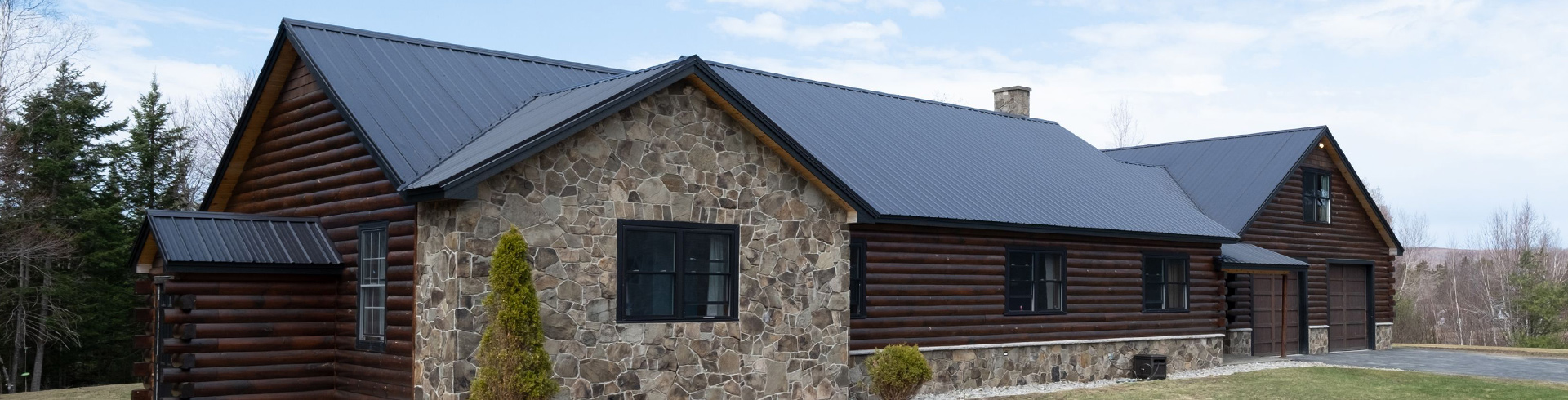
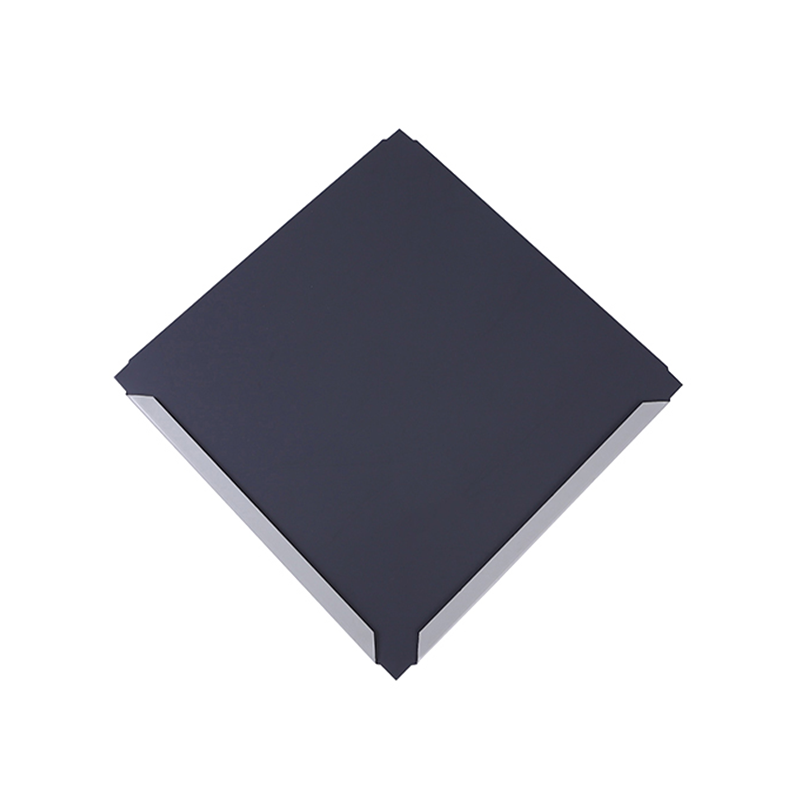
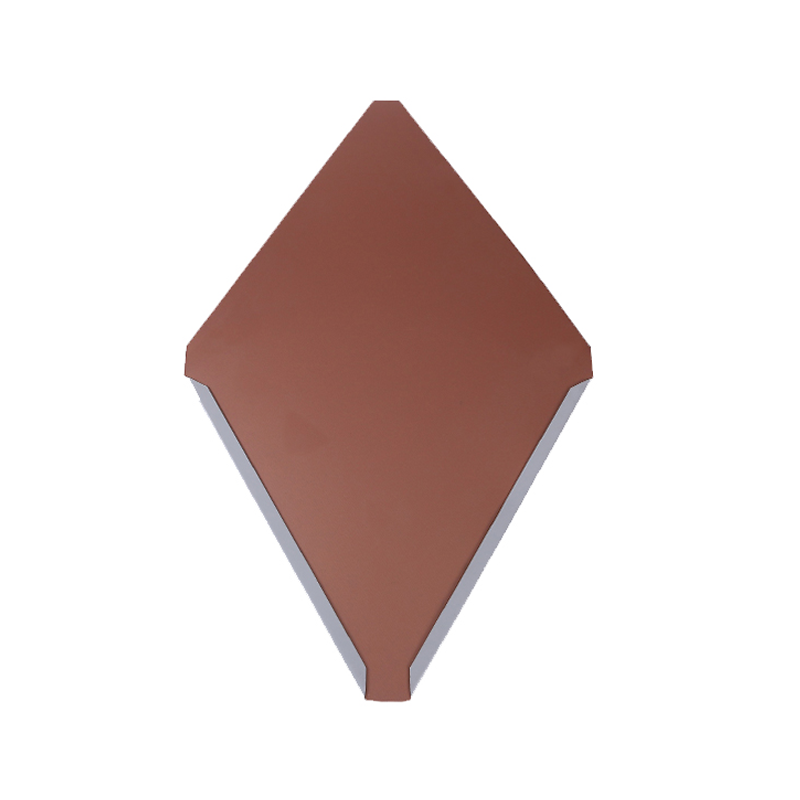
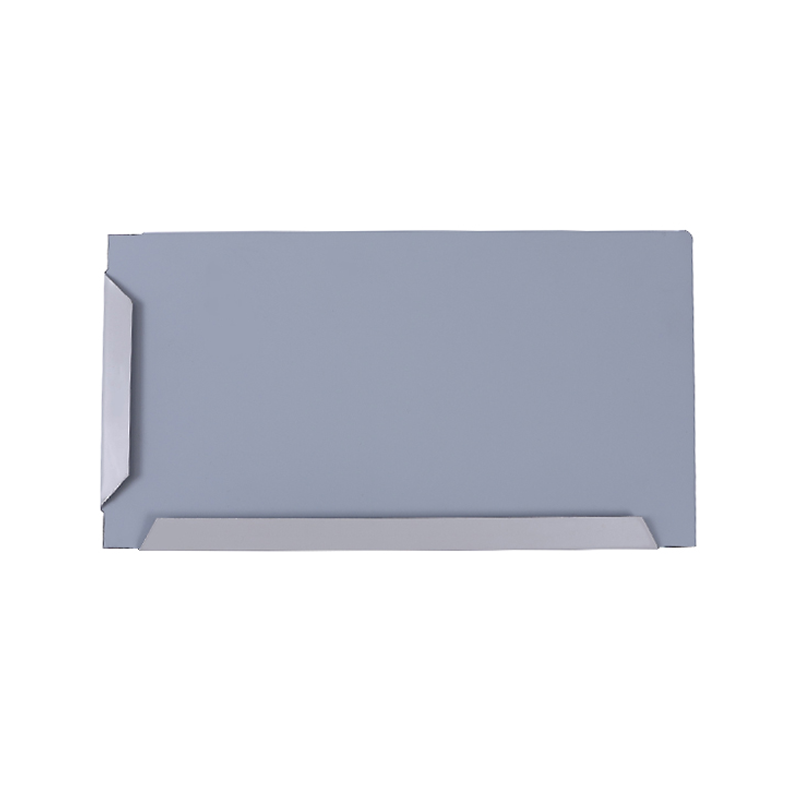
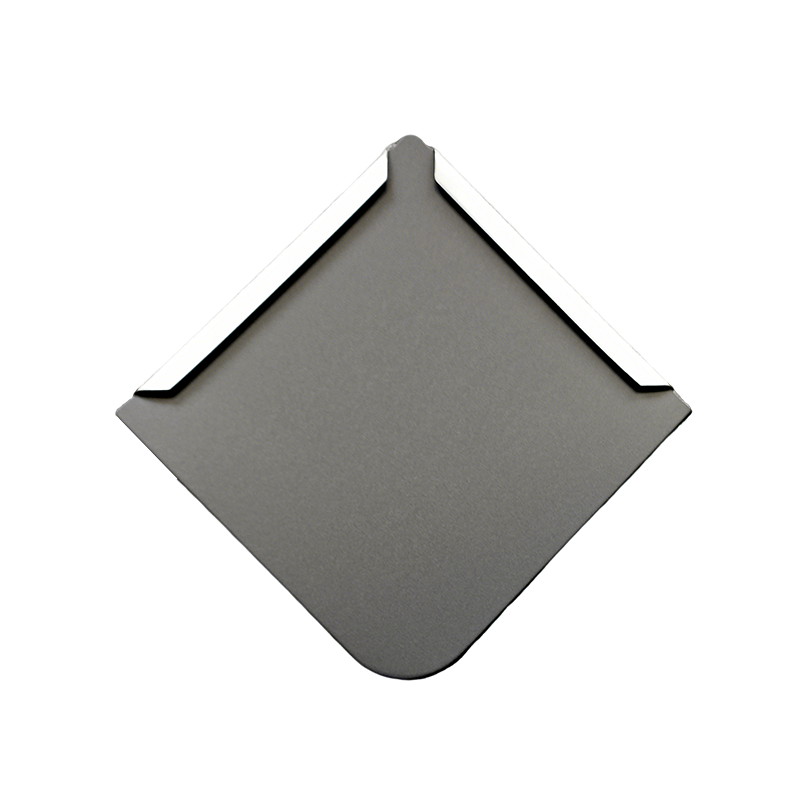
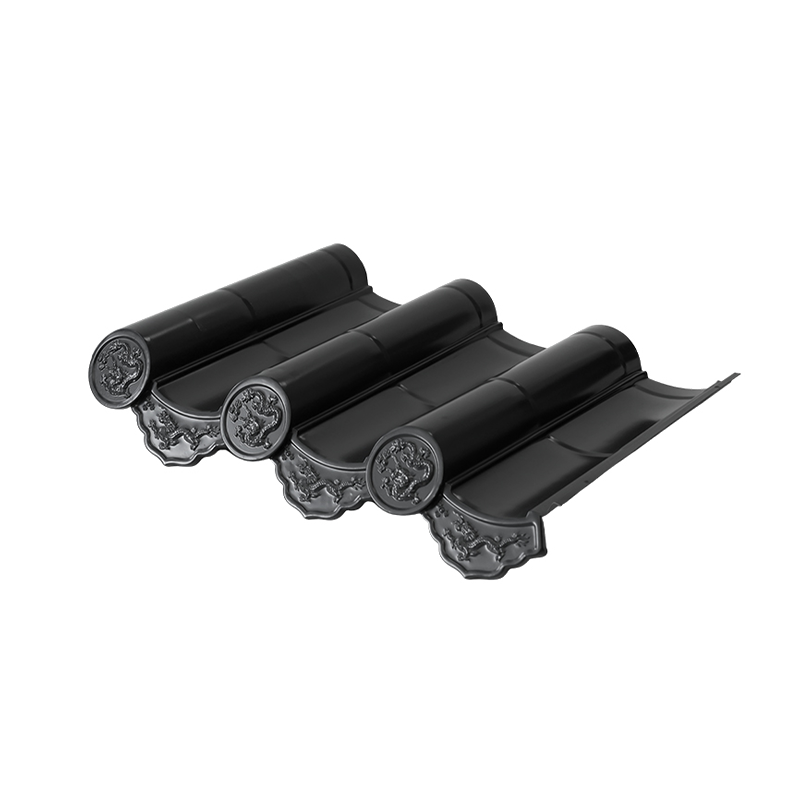
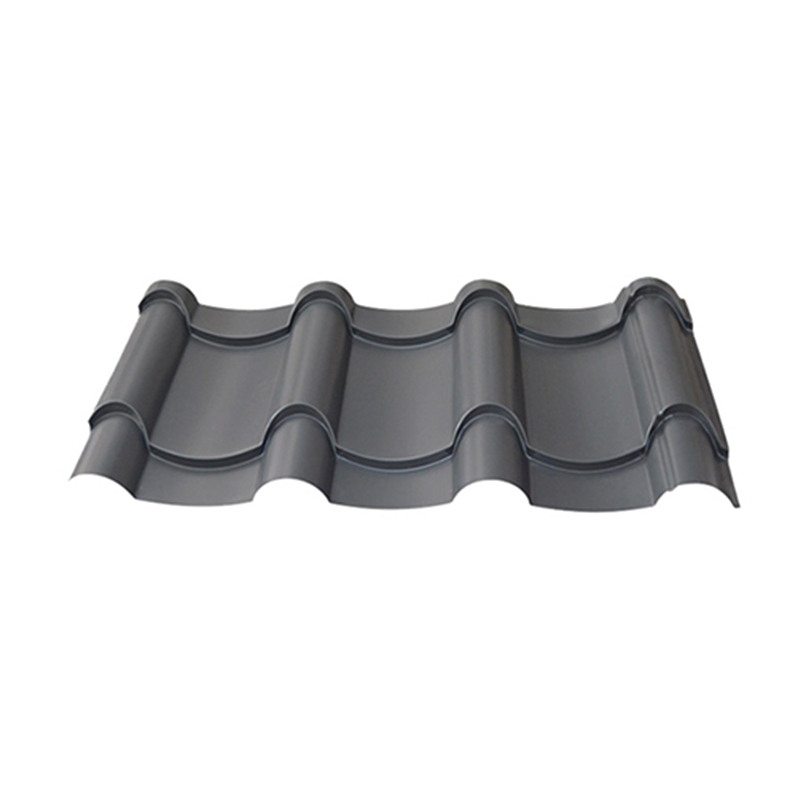
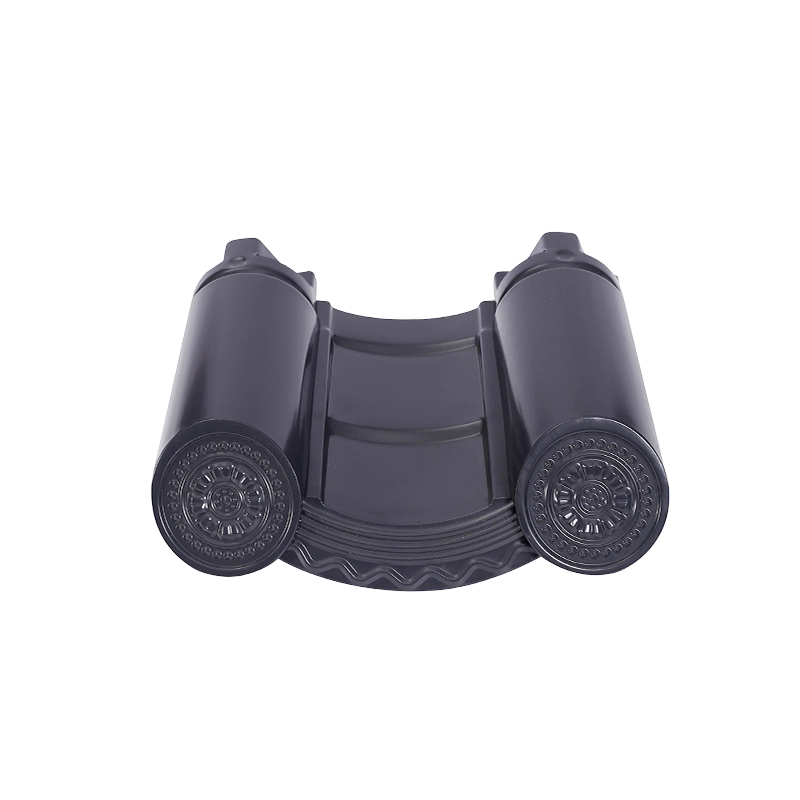
Waterproof Roofing System Specifications
| Item | Typical Range / Option |
| Recommended profile | Standing seam with mechanically seamed 180-360 degree interlocking joint |
| Minimum recommended slope | Varies by seam type; mechanically seamed systems support lower slopes than snap-lock |
| Underlayment recommendation | High-quality waterproof underlayment recommended beneath the metal panel as a secondary barrier |
| Flashing detailing | Custom flashing available for valleys, penetrations, and roof-to-wall transitions |
| Clip system | Concealed clip fastening avoids exposed fastener penetrations through the panel surface |
| Sealant coordination | Compatible sealants recommended for specific joint and transition details |
| Typical applications | Low-slope roofs, high-rainfall climates, any project prioritizing maximum reliability |
| Panel material options | Available across our full aluminum, aluminum alloy, and steel product range |
We recommend sharing your roof's specific slope and your region's typical rainfall intensity, since a low-slope roof in a heavy-rainfall climate benefits significantly from a mechanically seamed system with a genuinely engineered watertight joint, while a steeper roof in a drier climate may perform adequately with a more economical snap-lock seam configuration.
We also recommend considering whether the roof includes any low-slope transition areas or valleys where water naturally concentrates, since these specific zones often benefit from an even more robust watertight detail than the roof's main field area, and identifying these zones early allows appropriate reinforcement to be planned into the specification from the outset.
Identifying these vulnerable zones during the design phase, rather than after construction, consistently produces a more reliable finished result.
We are always glad to review a project's full roof plan in detail to help identify any zone warranting additional watertight reinforcement.
Pricing Structure and Minimum Order Quantity
Waterproof-optimized roofing systems, particularly mechanically seamed standing seam configurations, typically carry a modest premium over simpler snap-lock or overlapping profiles, reflecting the additional seaming process and typically more robust clip and fastening hardware these systems use. Pricing depends on the selected material, thickness, seam type, and total roof area.
Minimum order quantity follows our standard approach for the chosen material and profile, and we can accommodate both smaller residential projects prioritizing watertight reliability and larger commercial or institutional projects with the same core watertight performance requirement. We provide itemized quotations that clearly identify any premium associated with mechanically seamed configurations versus simpler alternative seam types.
For buyers weighing the cost difference between a mechanically seamed and a simpler snap-lock system, we can discuss the specific climate and slope factors relevant to their project that would justify the additional investment in the more robust seaming option, helping ensure the buyer makes an informed decision rather than defaulting to the more expensive option without understanding whether it is genuinely necessary for their specific situation.
We also recognize that some buyers specifically want maximum watertight reliability regardless of cost, viewing it as a form of insurance against the potentially much higher cost of water damage repair, and we respect and support this risk-averse approach with our most robust mechanically seamed system recommendations where this priority is clearly communicated.
We respect this risk-averse approach and are glad to recommend our most robust available configuration when this is the clear priority.
Manufacturing Capacity and Lead Time
Waterproof-optimized roofing systems are produced across our 12 automated production lines at our 10,000㎡ Taicang, Suzhou facility, with mechanically seamed standing seam configurations produced on equipment specifically calibrated for the precise seam engagement these watertight systems require.
Lead time depends on material, seam type, thickness, and total order volume, with our standard configurations generally offering efficient production timelines comparable to our broader standing seam product line. For projects requiring extensive custom flashing detailing for complex roof geometry, additional lead time may be required for this custom fabrication work.
For projects in regions with a defined rainy season where watertight performance needs to be in place before that season begins, we understand that delivery timing can carry particular seasonal importance, and we aim to provide realistic, specific lead-time commitments that account for this kind of climate-driven scheduling consideration.
We also maintain particular attention to seam quality consistency throughout production for watertight-priority orders, recognizing that this product category's entire value proposition depends on reliable performance, and any production shortcut that might be acceptable elsewhere is simply not appropriate for a system specifically chosen for its watertight reliability.
We also proactively flag any change to expected lead time as soon as we become aware of it, rather than waiting until a scheduled delivery date has already passed to communicate a delay.
We believe this consistency of production standards is fundamental to delivering on the core promise of this product category.
This consistency remains a top priority across every watertight-priority order we produce.
Trade Terms, Payment and Compliance
Waterproof roofing system orders are supported under our standard international trade terms, including FOB, CIF, and DDP where appropriate, with payment generally following standard practice of a deposit before production and balance due before or against shipping documents.
Because water intrusion performance is often subject to specific building code requirements or, in some cases, product warranty standards referenced in local building regulations, we encourage buyers to confirm any specific local requirements with their building authority or roofing consultant, and we are glad to provide technical documentation supporting this compliance review.
Standard export documentation, including commercial invoices, packing lists, and certificates of origin, is provided as a matter of course, and material and seam performance documentation can be supplied to support a project's watertight performance compliance requirements.
We also recommend buyers confirm any specific product warranty documentation their local building code or lending institution requires for a watertight roofing system, since we can provide relevant material and seam performance data to support these requirements where identified early.
We recommend confirming any specific warranty documentation format your lending institution or insurer requires well before your project's financing or insurance approval deadline.
We recommend addressing these documentation requirements well ahead of any financing or insurance approval deadline your project may have.
Our team remains available to answer any specific documentation question relevant to your project's particular financing or insurance requirements.
Please reach out early so we can help address any documentation timing concerns proactively.
We remain available to address any documentation timing questions well ahead of your project's financing or insurance approval deadline.
Frequently Asked Questions About Waterproof Roofing Systems
What is the most watertight roofing profile you offer? Mechanically seamed standing seam systems with a 180-360 degree interlocking joint generally offer the most reliable long-term watertight performance, particularly for low-slope roofs or heavy-rainfall climates.
Do I need a mechanically seamed system, or is snap-lock sufficient? This depends on your roof's specific slope and your region's rainfall intensity; steeper roofs in drier climates can often perform adequately with a more economical snap-lock system, while low-slope or high-rainfall situations benefit from mechanical seaming.
Is underlayment necessary beneath a metal roof? Yes, we recommend a high-quality waterproof underlayment as a secondary water barrier beneath the metal panel, providing additional protection even if the primary seam is ever compromised.
How do you handle roof penetrations like vents or skylights? Custom flashing is available for these transitions, and we recommend planning penetration locations early in the design process to allow proper flashing detail integration.
What is the minimum roof slope your systems can handle? Minimum recommended slope varies by seam type, with mechanically seamed systems generally supporting lower slopes than snap-lock configurations; share your specific slope for a technical recommendation.
Does installation quality really matter as much as the material itself? Yes, correct seaming technique and flashing detailing are just as important as material selection in determining whether a roofing system achieves reliable long-term watertight performance.
Can a metal roof leak at the fastener points? Concealed clip systems avoid exposed fastener penetrations through the panel surface, which meaningfully reduces this common leak risk point.



 DOWNLOAD