LANGUAGE
 English
 Español
 عربى
عربى
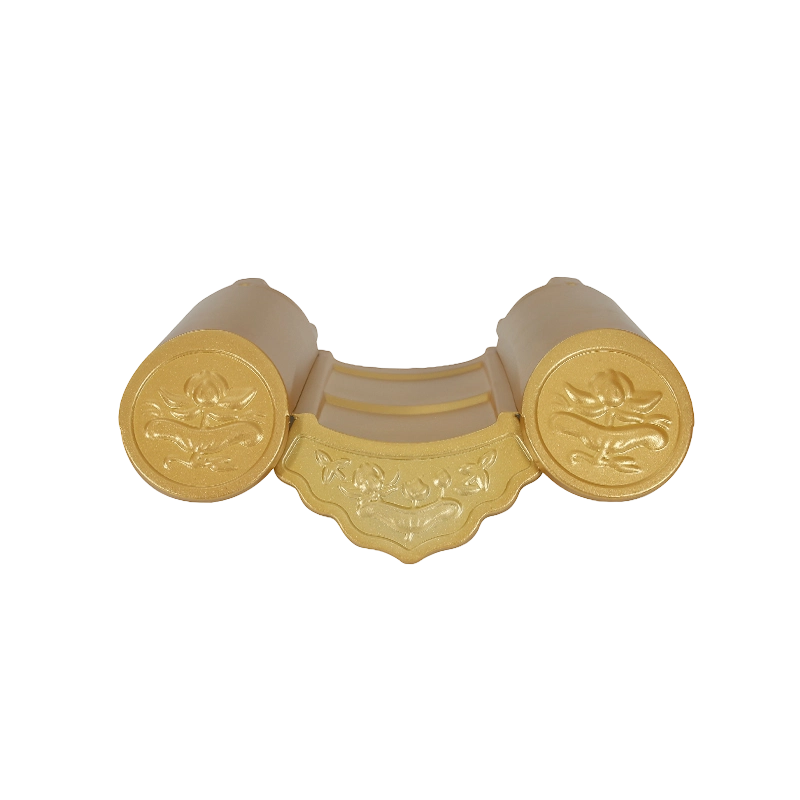
Lightweight Roofing System Specifications
| Item | Typical Range / Option |
| Primary lightweight material | Aluminum alloy, roughly one-third the weight of steel of comparable dimensions |
| Typical panel weight | Approximately 1.4 - 3.5 kg/m² depending on thickness and profile |
| Comparison to ceramic tile | Significantly lighter than traditional ceramic or clay roof tile |
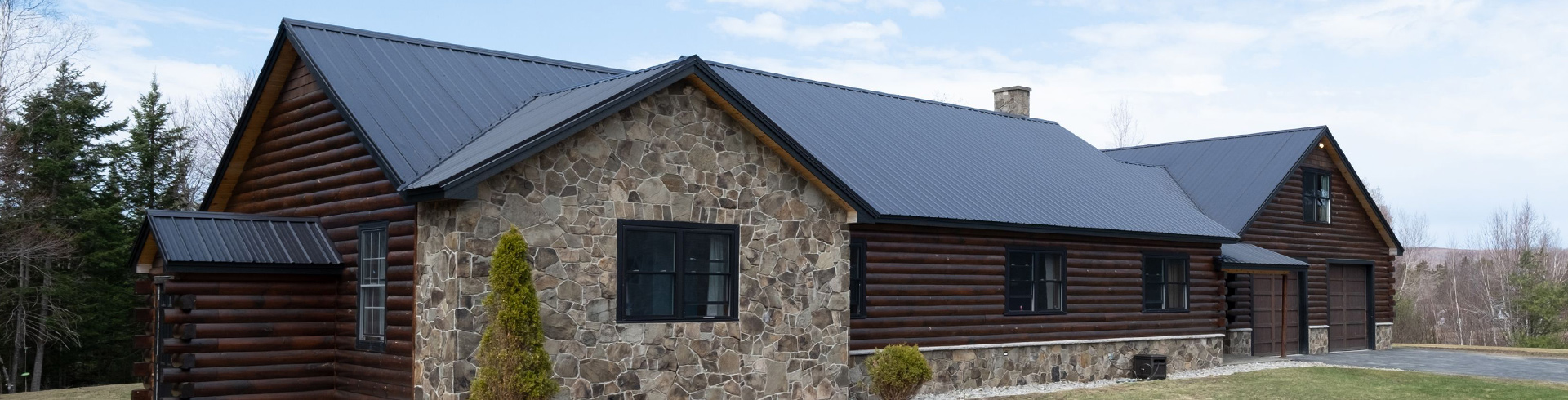
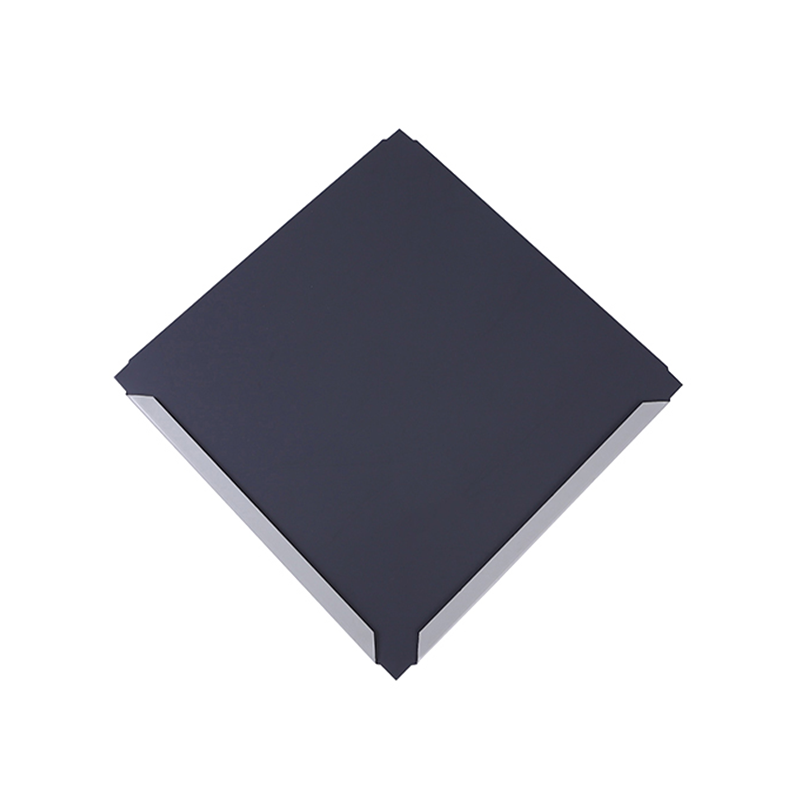
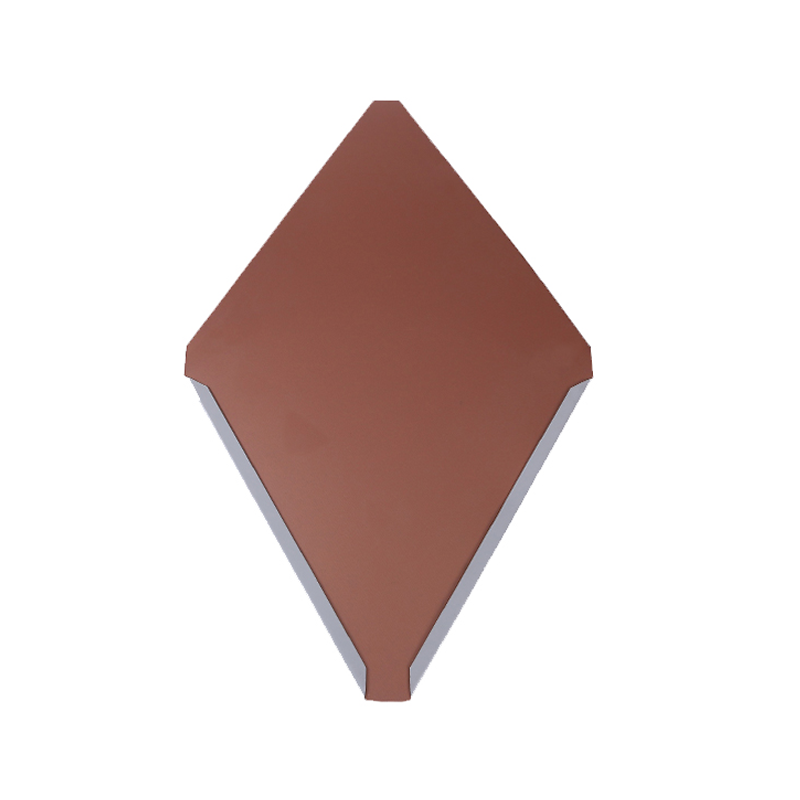
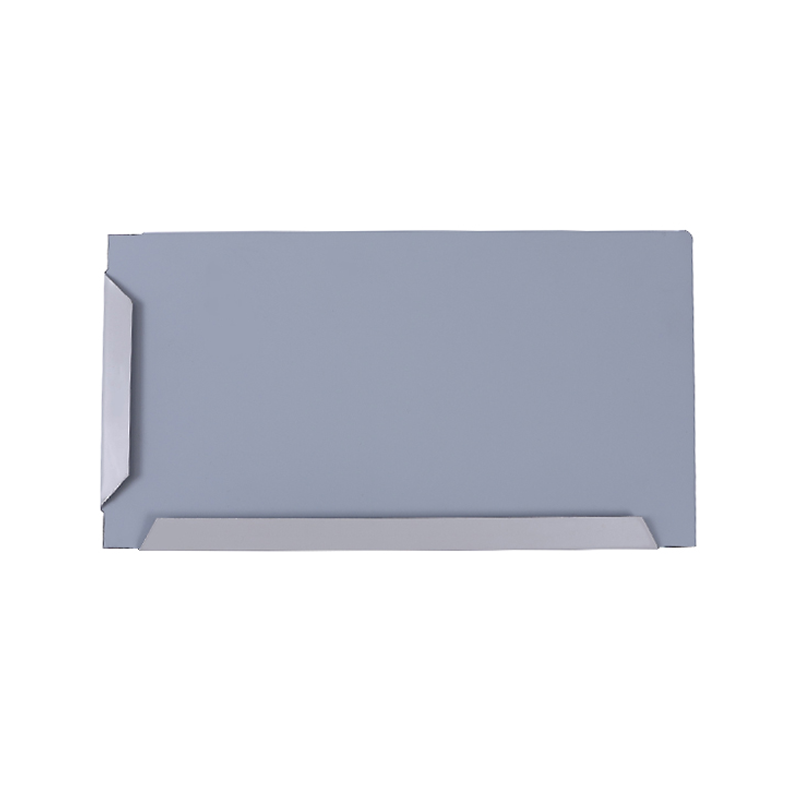
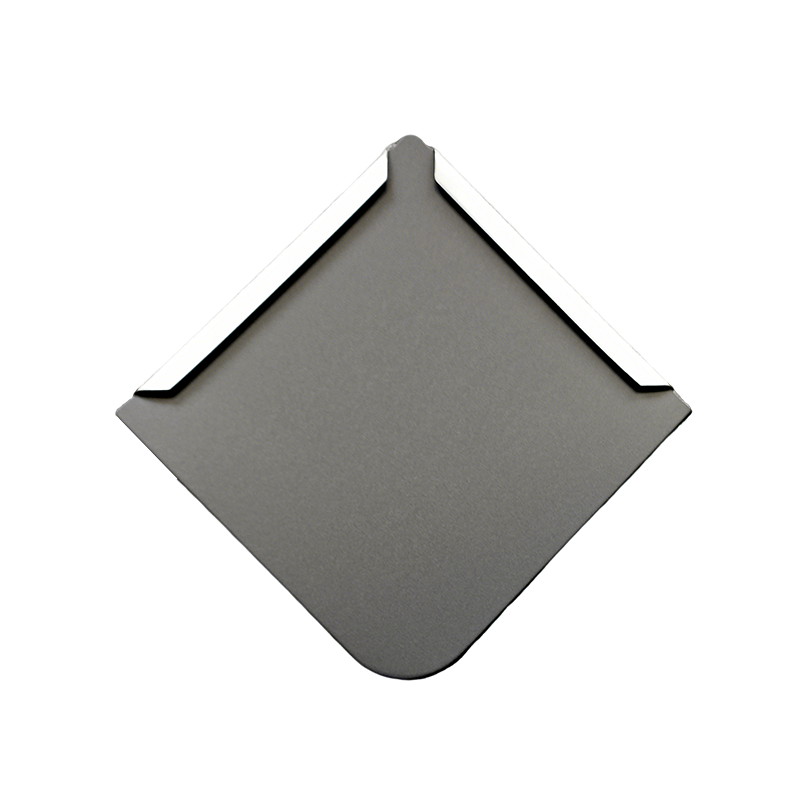
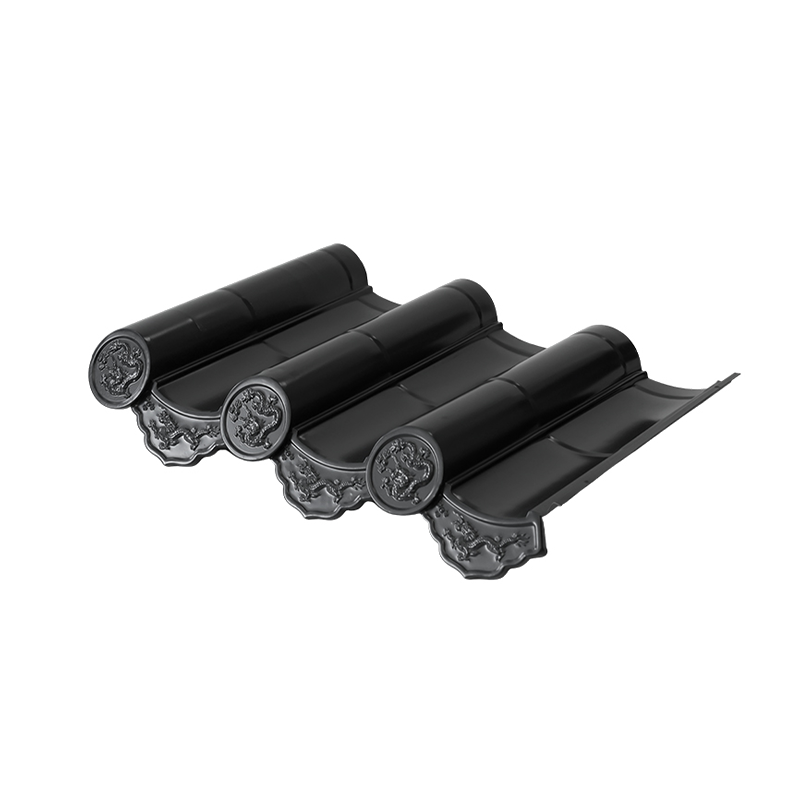
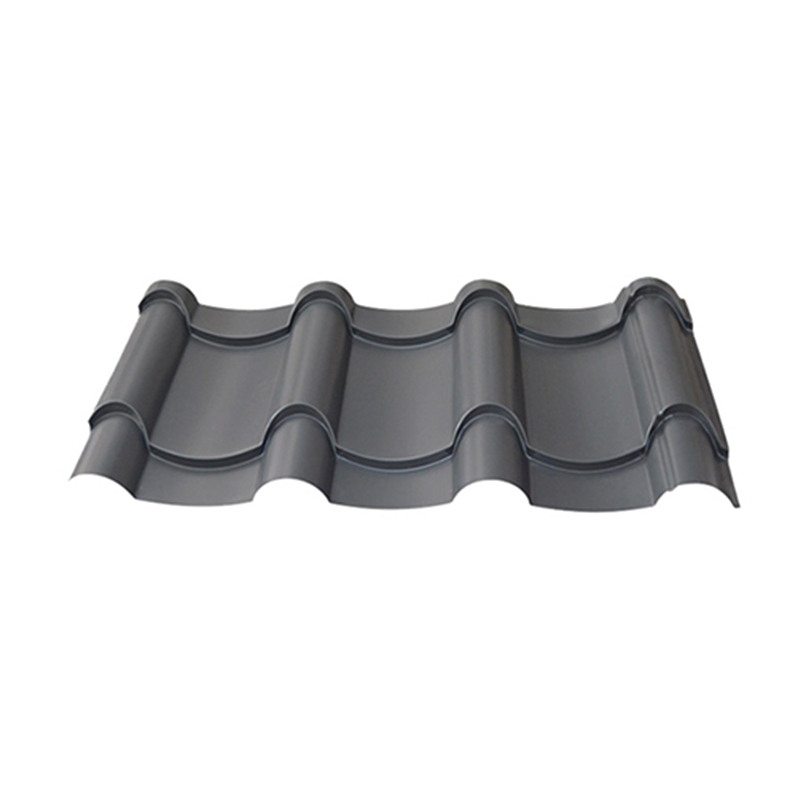
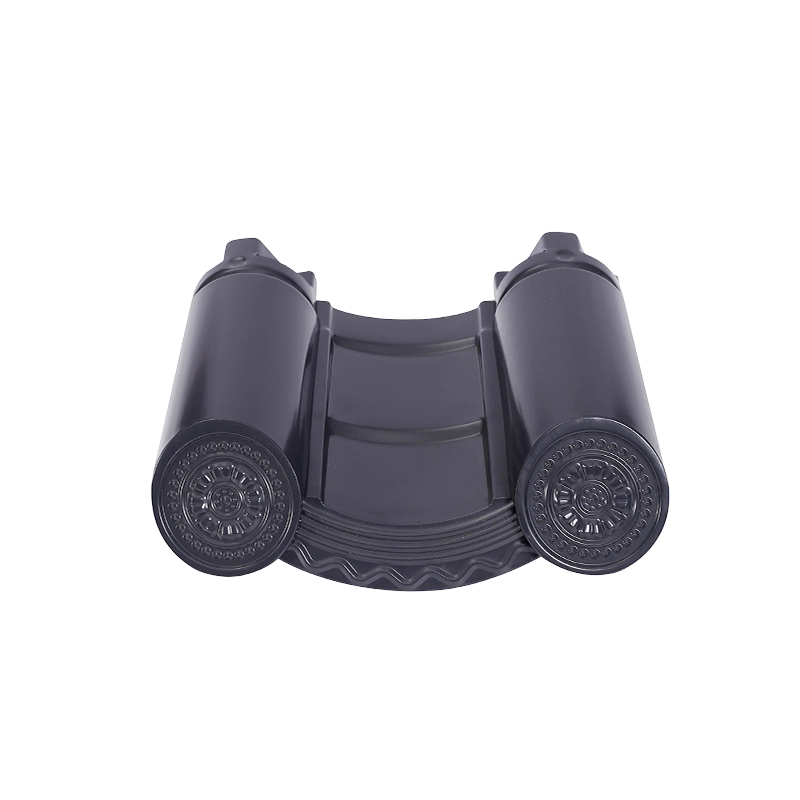
| Available profiles | Standing seam, flat lock, and traditional tile-style profiles all available in aluminum |
| Structural benefit | Reduced dead load supports lighter structural framing and improved seismic performance |
| Restoration application | Well suited to renovation projects with existing structural load limitations |
| Coating options | Full range of PE and PVDF coating options available on lightweight aluminum substrate |
| Typical applications | Seismic zones, restoration projects, large-roof-area cost-optimization projects |
We recommend sharing your project's specific structural context — whether this is new construction optimizing structural design from the outset, or a restoration project working within an existing structure's known load limitations — since this context helps our technical team recommend the most appropriate thickness and profile combination that minimizes weight while still meeting the project's other performance requirements.
This context helps ensure the recommended thickness genuinely balances weight minimization against the project's other structural and durability requirements.
Our technical team has extensive experience calibrating this exact trade-off across many different project types and is glad to walk through the specific considerations relevant to your building.
We welcome the opportunity to discuss these considerations in detail during your project's initial specification conversation with our team.
Please reach out early with any structural questions relevant to your project.
We are always ready to assist with this technical review.
Pricing Structure and Minimum Order Quantity
Lightweight aluminum alloy roofing is priced according to our standard aluminum product line pricing, which depends on thickness, profile, coating, and total order volume. While aluminum carries a moderate premium over standard Galvalume steel on a pure per-square-meter roofing material basis, this cost difference is often offset, partially or fully, by savings elsewhere in the structural design when weight reduction allows for lighter, less expensive structural framing.
Minimum order quantity follows our standard approach for aluminum alloy roofing, and we can accommodate projects across a wide range of scales, from smaller restoration projects specifically motivated by structural load limitations to larger new-construction projects optimizing structural design for seismic performance or cost efficiency.
We encourage buyers to evaluate lightweight roofing's total project cost impact rather than only the roofing material line item in isolation, since the structural savings enabled by reduced roof weight can sometimes make a lightweight specification more cost-effective overall than a heavier alternative material, even when the roofing material itself carries a higher unit price.
We encourage every buyer to evaluate this total project cost picture rather than focusing solely on the roofing material line item.
A narrow focus on roofing material cost alone can sometimes lead to a less optimal overall building cost outcome than a more holistic evaluation would reveal.
We are always glad to walk through this full-picture cost analysis with any interested buyer or their structural engineer.
We remain committed to supporting this kind of holistic cost evaluation for every lightweight roofing inquiry we receive.
Manufacturing Capacity and Lead Time
Lightweight aluminum alloy roofing orders are produced across our 12 automated production lines at our 10,000㎡ Taicang, Suzhou facility, using the same efficient aluminum roll-forming production applied across our broader aluminum alloy product range.
Lead time depends on profile, thickness, coating, and total order volume, generally consistent with our standard aluminum alloy roofing timelines, since lightweight specification does not require a distinct manufacturing process beyond selecting the appropriate thickness for the project's specific weight and performance requirements.
For restoration projects specifically motivated by structural load limitations, where the roofing decision is often tied to a broader structural assessment and repair timeline, we aim to remain flexible in coordinating our production and delivery schedule with the project's overall structural restoration sequence.
We also maintain the flexibility to prioritize a restoration project's lightweight roofing order within our broader production schedule where the project's timeline is driven by a structural safety concern requiring prompt resolution, recognizing that these situations sometimes carry more urgency than a standard new-construction project timeline would typically involve.
We remain flexible and responsive to these kinds of urgent restoration timelines.
We remain flexible in coordinating our production schedule around the specific urgency of a restoration project's broader timeline requirements.
We understand urgent restoration timelines require this kind of production flexibility.
We prioritize responsiveness whenever a project's timeline reflects genuine urgency.
We remain flexible and responsive to genuinely urgent project timelines.
We remain committed to this level of responsiveness throughout every restoration timeline.
Buyers can count on this dependable production flexibility whenever their project genuinely requires it.
Trade Terms, Payment and Compliance
Lightweight aluminum alloy roofing orders are supported under our standard international trade terms, including FOB, CIF, and DDP where appropriate, with payment generally following standard practice of a deposit before production and balance due before or against shipping documents.
Because lightweight roofing is sometimes specified for seismic design compliance or restoration projects with specific structural engineering sign-off requirements, we encourage buyers to confirm any documentation their structural engineer requires, and we are glad to provide material weight and composition certification to support this engineering documentation process.
Standard export documentation, including commercial invoices, packing lists, and certificates of origin, is provided as a matter of course, and material certification confirming alloy composition and thickness can be supplied to support a project's structural documentation requirements.
We also recommend confirming any specific structural certification format your local building authority requires for seismic design compliance, since we can adapt our material documentation to support whatever specific format your project's structural engineering sign-off process requires.
We remain available to adapt our documentation format to whatever your project's specific structural sign-off process requires.
We understand that seismic design documentation requirements can be particularly detailed in certain jurisdictions, and we are committed to providing whatever supporting material genuinely helps move your project's approval process forward smoothly.
We remain committed to supporting your project's structural documentation needs throughout the design and approval process.
We remain ready to support your documentation needs at every stage.
Please reach out with any documentation question at any time.
Frequently Asked Questions About Lightweight Roofing Systems
How much lighter is aluminum roofing compared to steel? Aluminum weighs roughly one-third as much as steel of comparable dimensions, making it significantly lighter for the same roof area and thickness.
Is aluminum roofing suitable for a restoration project with structural limitations? Yes, this is one of aluminum's most common applications, since it can often replace a heavier traditional material without requiring costly structural reinforcement.
Does lighter roofing perform better in earthquakes? Yes, reduced roof mass generally improves seismic performance by reducing the total load structural systems must resist during an earthquake event.
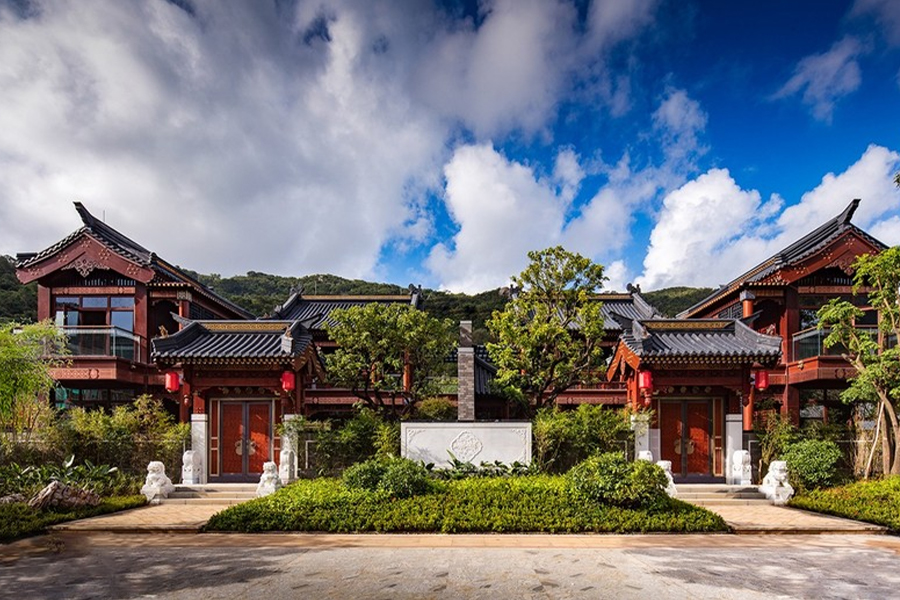
Can aluminum tile replicate the appearance of heavier ceramic tile? Yes, our aluminum alloy tile profiles are specifically developed to reproduce traditional tile visual character at a fraction of ceramic tile's weight.
Does the cost savings from lighter structural framing offset aluminum's higher material cost? This depends on the specific project, but in many cases the combined structural and material cost can be comparable to or better than a heavier alternative once the full structural picture is considered.
Can you provide exact weight data for my structural engineer's calculations? Yes, we can provide specific weight-per-square-meter data for any thickness and profile combination to support your structural engineering documentation.
Is lightweight roofing suitable for a coastal environment as well? Yes, aluminum alloy's natural corrosion resistance makes it well suited to coastal environments in addition to its weight advantage, making it a genuinely versatile choice for many project types.
What thickness of aluminum should I specify for maximum weight savings? This depends on your project's specific structural and durability requirements; our technical team can recommend the thinnest gauge that still meets your project's performance needs.



 DOWNLOAD