LANGUAGE
 English
 Español
 عربى
عربى
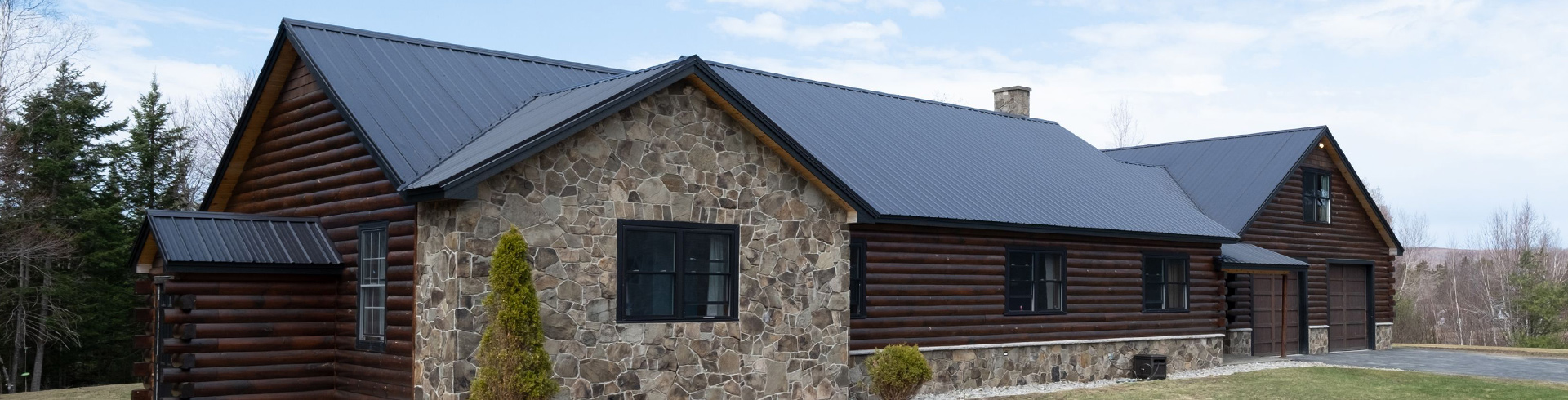
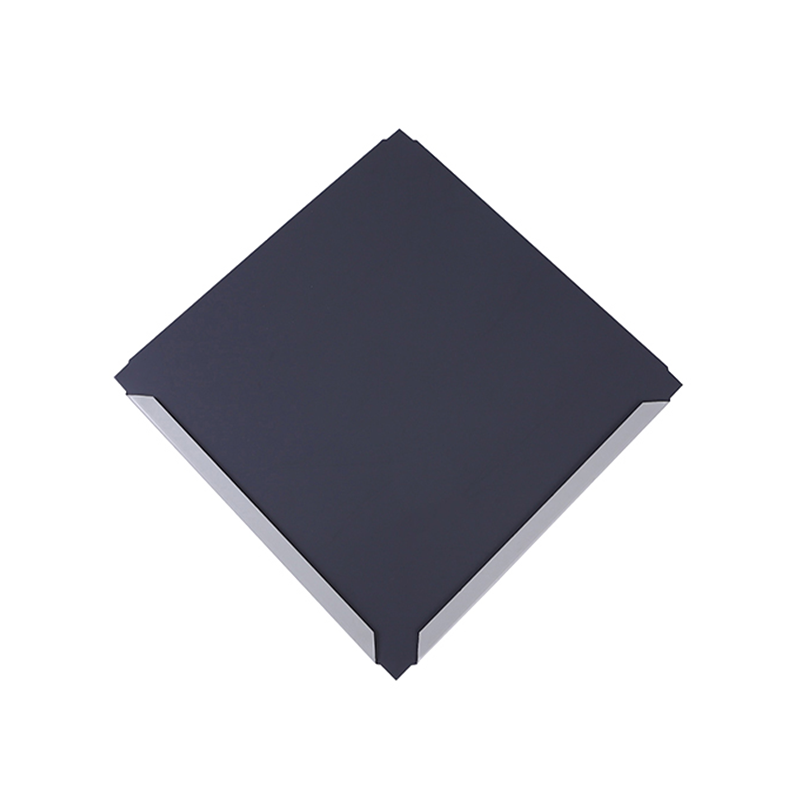
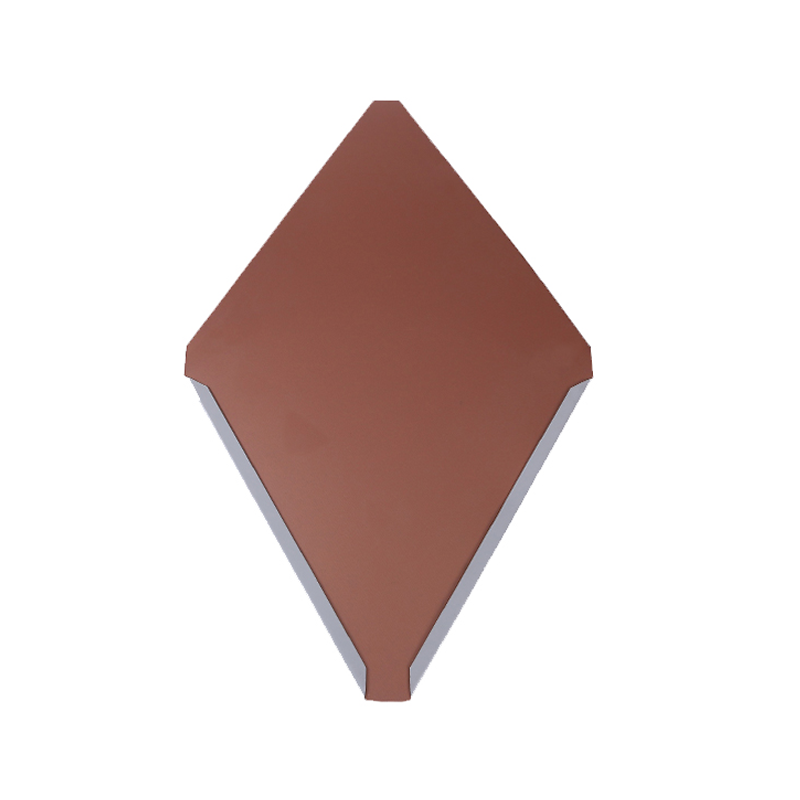
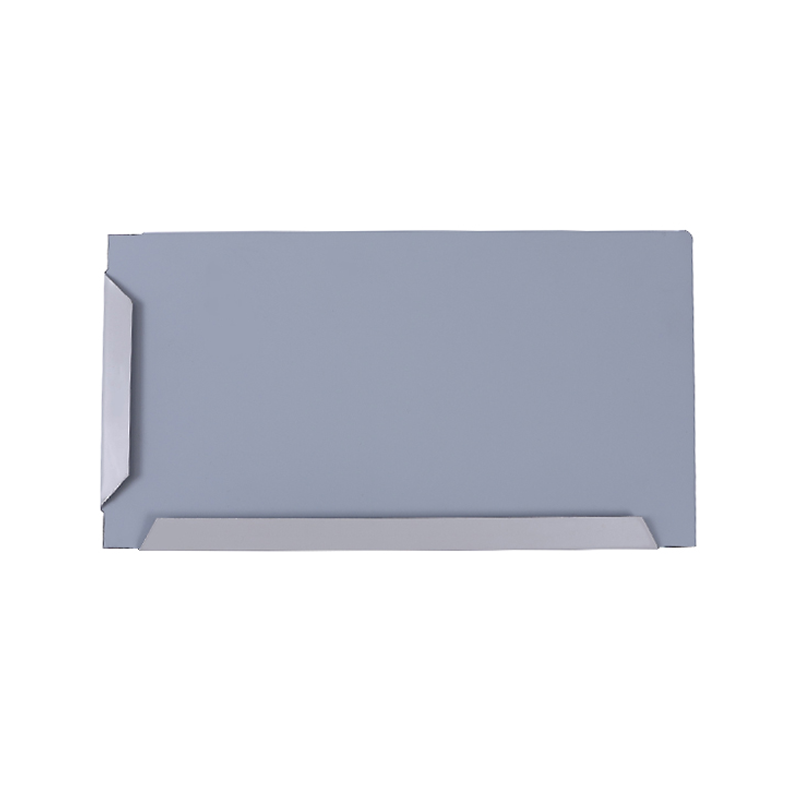
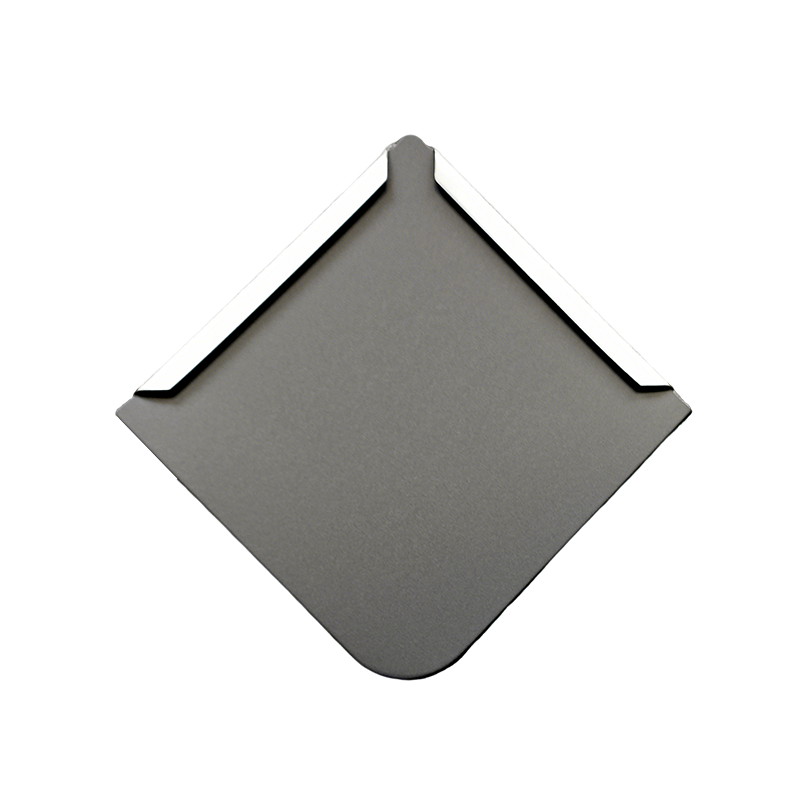
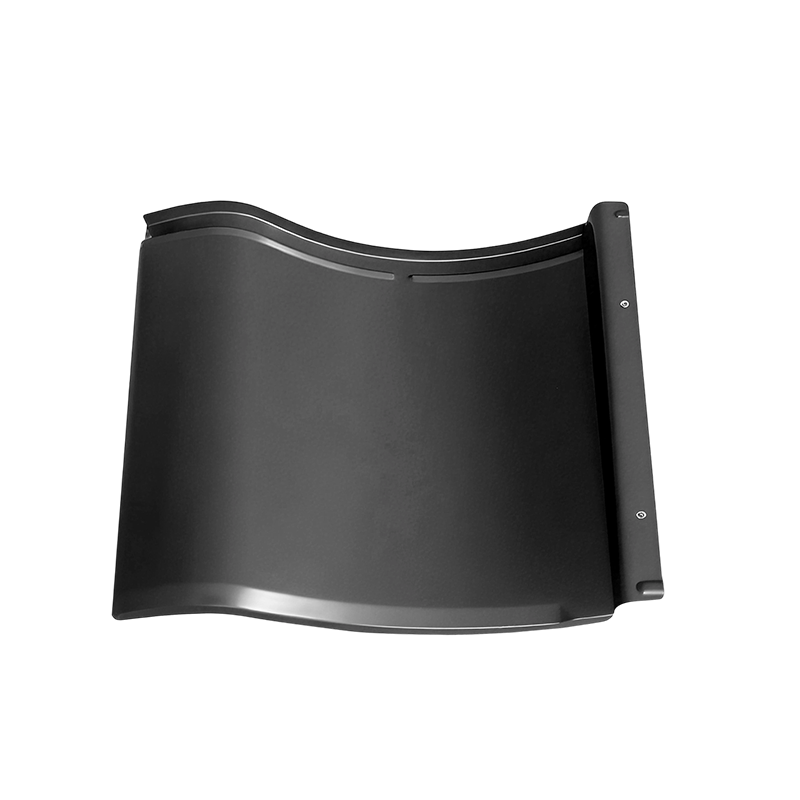
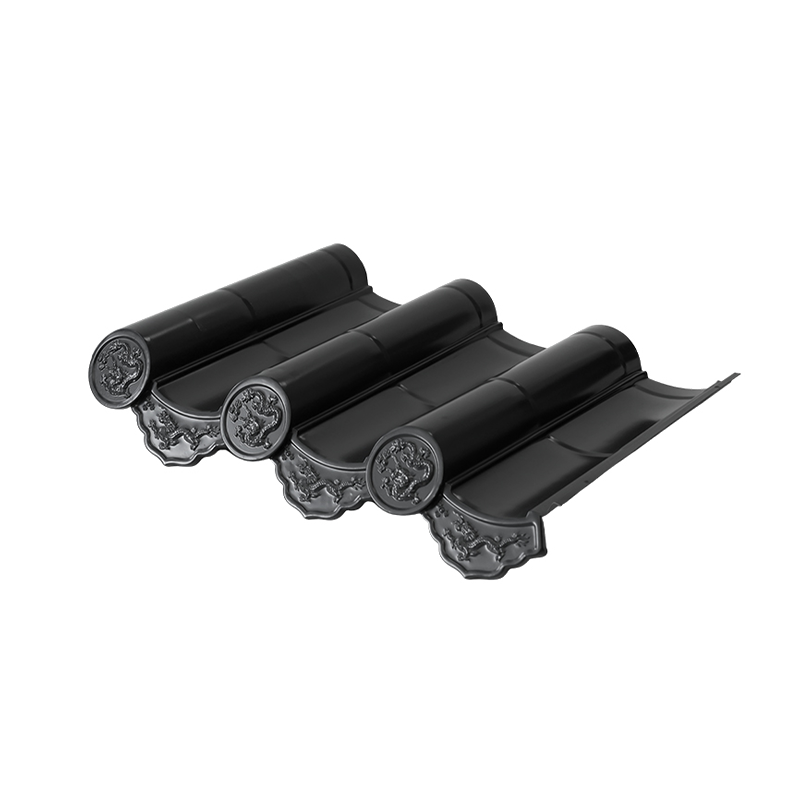
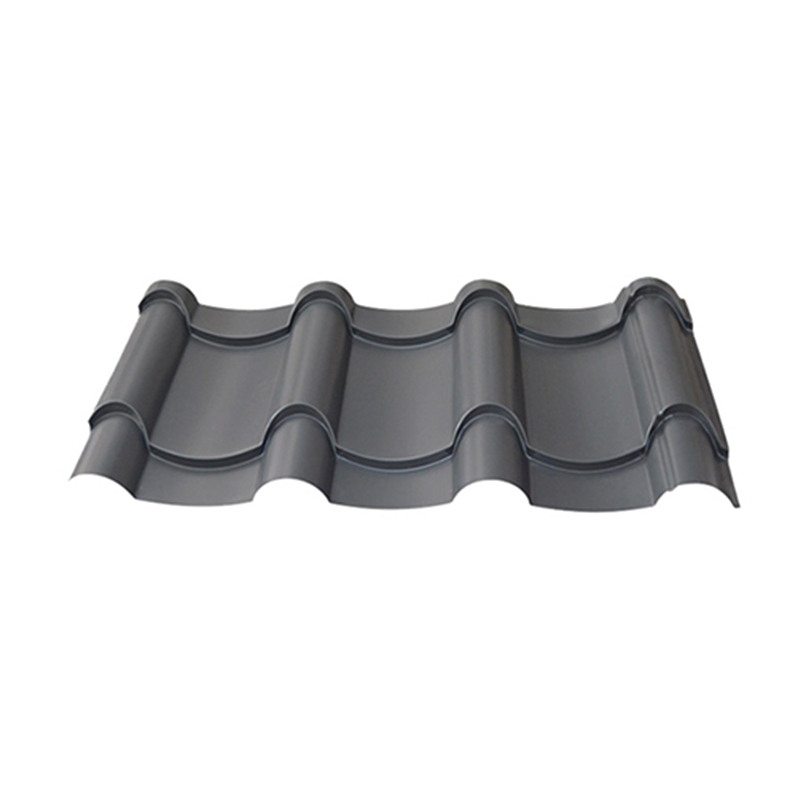
Japanese-Style Roofing Specifications
| Item | Typical Range / Option |
| Primary material | Aluminum alloy |
| Typical thickness | 1.0mm - 1.2mm typical, as used in our documented large-scale project |
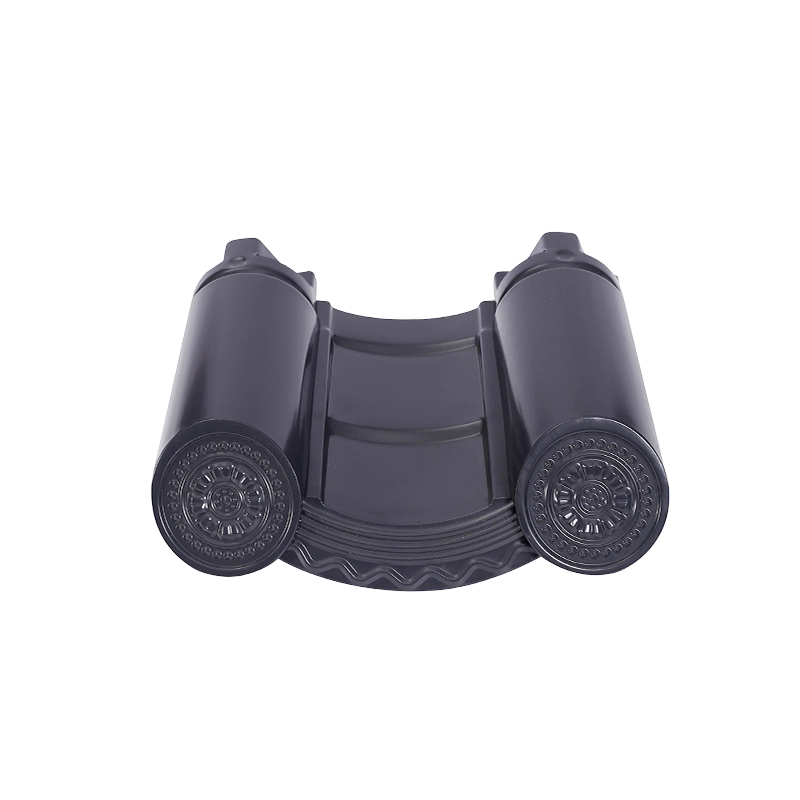
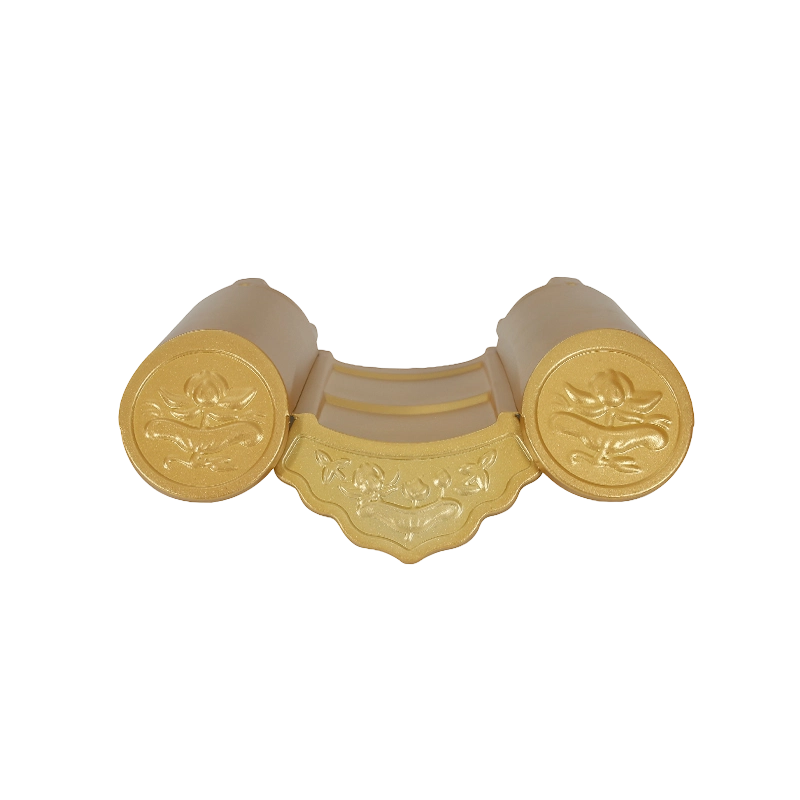
| Profile characteristics | Layered tile pattern with gently curved eave detailing |
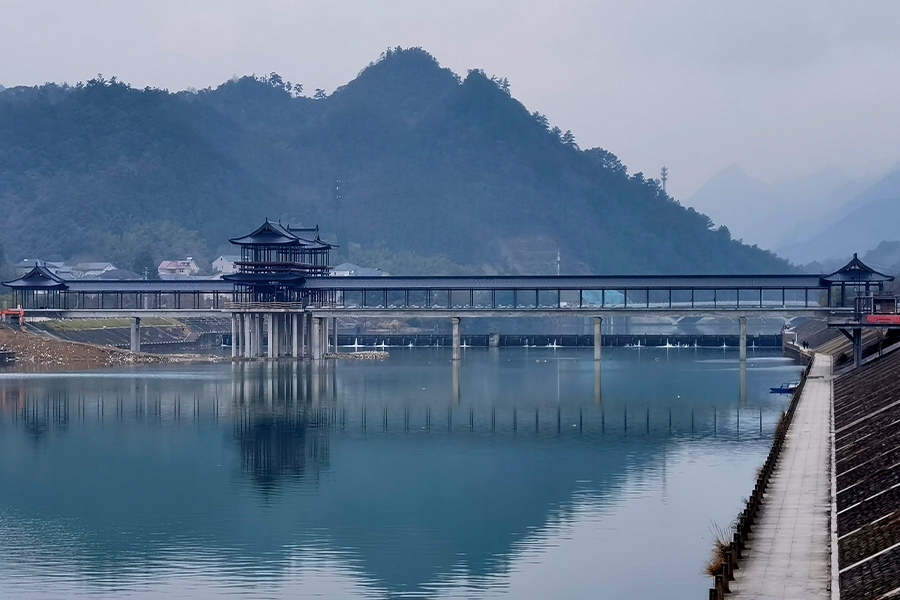
| Documented reference | Eel Lake Boat Landing Roofing Project — 1.2mm thick, Japanese-style aluminum tile, 20,000㎡ |
| Color options | Traditional dark gray and charcoal tones typical of Japanese roofing |
| Weight advantage | Significantly lighter than genuine ceramic Japanese roof tile |
| Curved eave capability | Custom-formed curved sections available for authentic eave detailing |
| Typical applications | Cultural-tourism developments, boutique hospitality, residential projects |
Because Japanese roofing aesthetics rely heavily on precise, restrained proportions rather than ornate decoration, we recommend sharing detailed reference photographs of the specific traditional style desired, since even subtle differences in eave curvature or tile pattern spacing can meaningfully affect how authentically the finished roof captures the intended Japanese design character.
We also recommend confirming the roof's visibility from key vantage points around the property or site, since Japanese-style roofing is often specifically designed to be appreciated from particular framed views within a garden or courtyard layout, and understanding these sightlines can inform decisions about eave curvature emphasis and color selection to ensure the roofline reads well from the specific angles visitors and residents will most commonly experience it.
We also recommend requesting a physical sample of the specific dark gray or charcoal tone under consideration, since the subtle tonal differences that distinguish an authentic Japanese roofing color from a more generic dark gray can be difficult to judge accurately from a digital color reference alone.
Pricing Structure and Minimum Order Quantity
Japanese-style roofing is priced consistent with our other aluminum alloy tile products, with cost depending on thickness, color, and total roof area, and any custom curved eave fabrication carrying an additional cost beyond standard flat tile sections given the additional forming precision this detailing requires. Our documented 20,000㎡ Eel Lake Boat Landing project provides a useful benchmark for understanding cost at genuine large scale.
Minimum order quantity is assessed on a per-project basis, and we can accommodate both smaller residential Japanese-style projects and larger cultural-tourism developments comparable in scale to our completed large reference project. We provide itemized quotations separating standard tile cost from custom curved eave fabrication.
For cultural-tourism developers managing a defined project budget, we can prepare a clear, itemized cost breakdown supporting internal budget approval or investor presentation processes, and are glad to discuss cost-effective approaches to achieving an authentic aesthetic within a more constrained budget.
We also recognize that some clients pursuing this aesthetic are working on a smaller residential garden pavilion or teahouse-style structure rather than a large cultural-tourism development, and we are glad to accommodate these more intimate, smaller-scale projects with the same attention to authentic proportion and color that we applied to our large 20,000㎡ reference project.
We are also glad to discuss a scaled-down version of our large-project specification for a smaller residential or boutique hospitality application, adapting the proportional approach used in our large reference project to a more modest total roof area while maintaining the same aesthetic authenticity.
Manufacturing Capacity and Lead Time
Japanese-style roofing tiles are produced at our Taicang, Suzhou facility using specialized tooling developed for this traditional profile, with our successful completion of the 20,000㎡ Eel Lake Boat Landing project directly demonstrating our practical capability to manufacture and deliver this specific style at genuine large scale on a defined project timeline.
Lead time depends on total roof area and the extent of any custom curved eave detailing required, with standard sections generally moving through production on a timeline comparable to our other aluminum alloy tile products, while custom curved eave sections require additional tooling and fabrication time.
For cultural-tourism or hospitality projects tied to a specific opening date, we understand that delivery timing can carry particular commercial significance, and we aim to provide a realistic, specific lead-time commitment once project scope and any custom detailing requirements are confirmed.
We also maintain close coordination with clients throughout the production process for Japanese-style projects specifically, given how much the success of this aesthetic depends on subtle proportional decisions that benefit from clear, ongoing communication between our production team and the client's design vision throughout the fabrication process rather than only at the initial specification stage.
We also recognize that clients pursuing this specific aesthetic sometimes have a very precise vision informed by direct travel experience in Japan, and we welcome detailed, specific feedback throughout the production process to ensure our fabrication genuinely matches the particular reference points that inspired their project.
This close, detail-oriented collaboration is often what ultimately distinguishes a genuinely convincing Japanese-style result from a merely adequate one.
Trade Terms, Payment and Compliance
Japanese-style roofing projects are supported under our standard international trade terms, including FOB, CIF, and DDP where appropriate, with payment generally following standard practice of a deposit before production and balance due before or against shipping documents.
Because Japanese-style roofing is frequently specified for cultural-tourism and hospitality projects across various international markets, buyers should confirm local building code and import documentation requirements relevant to their specific destination, since these vary by country independent of the roofing style selected.
Standard export documentation, including commercial invoices, packing lists, and certificates of origin, is provided as a matter of course, and material certification covering alloy composition can be supplied for the tile material used.
We are also glad to provide documentation showing the material composition and origin of our aluminum alloy tile, which some clients specifically request when a project's broader design narrative emphasizes material authenticity and transparency as part of its overall presentation to visitors or residents.
Standard export documentation, including commercial invoices, packing lists, and certificates of origin, is provided as a matter of course for all Japanese-style roofing orders regardless of project scale.
We recommend clients confirm any specific import documentation requirements relevant to cultural or design-sensitive building materials in their destination country, since requirements can occasionally differ from standard commercial roofing material import practice in certain jurisdictions.
We are glad to assist with any specific labeling or import documentation questions that arise for a particular destination market.
We recommend confirming any such requirements with your customs broker well ahead of the planned shipment date to avoid unnecessary delays.
Frequently Asked Questions About Japanese-Style Roofing Systems
Do you have experience with large-scale Japanese-style roofing projects? Yes, our completed Eel Lake Boat Landing Roofing Project used 1.2mm thick Japanese-style aluminum tile across a 20,000㎡ area, demonstrating genuine large-scale capability with this aesthetic.
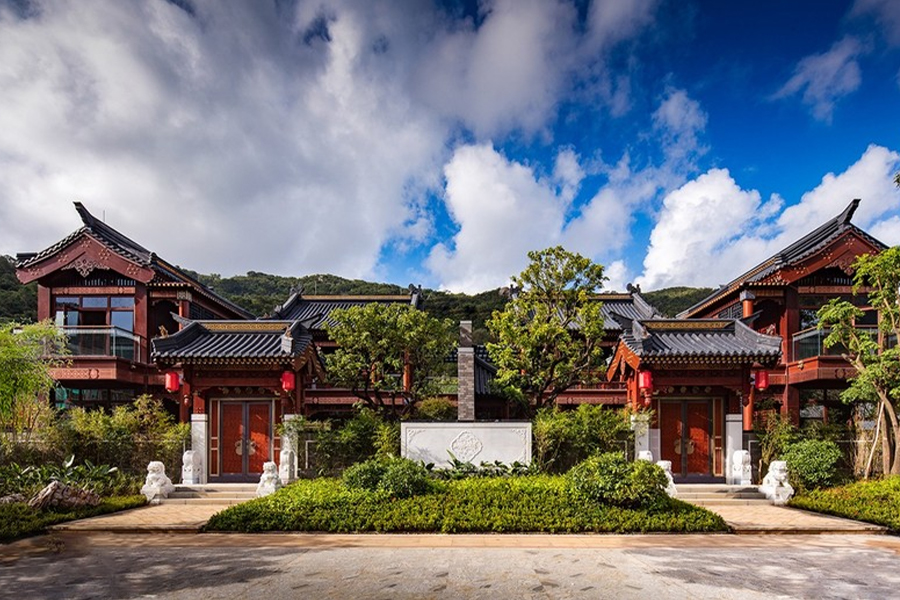
What makes Japanese-style roofing different from other traditional East Asian styles? Japanese roofing is typically distinguished by gently curved eaves, a layered tile pattern, and an understated, dark color palette emphasizing clean lines over ornate decoration.
Can you fabricate the curved eave detailing typical of Japanese roofing? Yes, custom curved eave sections are available, though these require additional fabrication time compared to standard flat tile sections.
Is this style suitable for a cultural-tourism development, not just a private residence? Yes, our documented large-scale reference project was specifically a cultural-tourism boat landing facility, demonstrating suitability for this type of development.
What color options are typical for Japanese-style roofing? Traditional dark gray and charcoal tones are most common, consistent with the understated aesthetic characteristic of this roofing style.
Is Japanese-style metal tile lighter than genuine ceramic tile? Yes, significantly so, which can simplify structural requirements for both new construction and restoration projects.
Can this style work for a residential garden pavilion rather than a full building? Yes, we can accommodate smaller accent structures like garden pavilions or teahouse-style buildings with the same attention to authentic proportion applied to our larger reference projects.
What regions or historical periods can you help reference for this style? Sharing a specific historic building or regional reference helps our team calibrate proportional details more precisely than a general request alone.



 DOWNLOAD