LANGUAGE
 English
 Español
 عربى
عربى
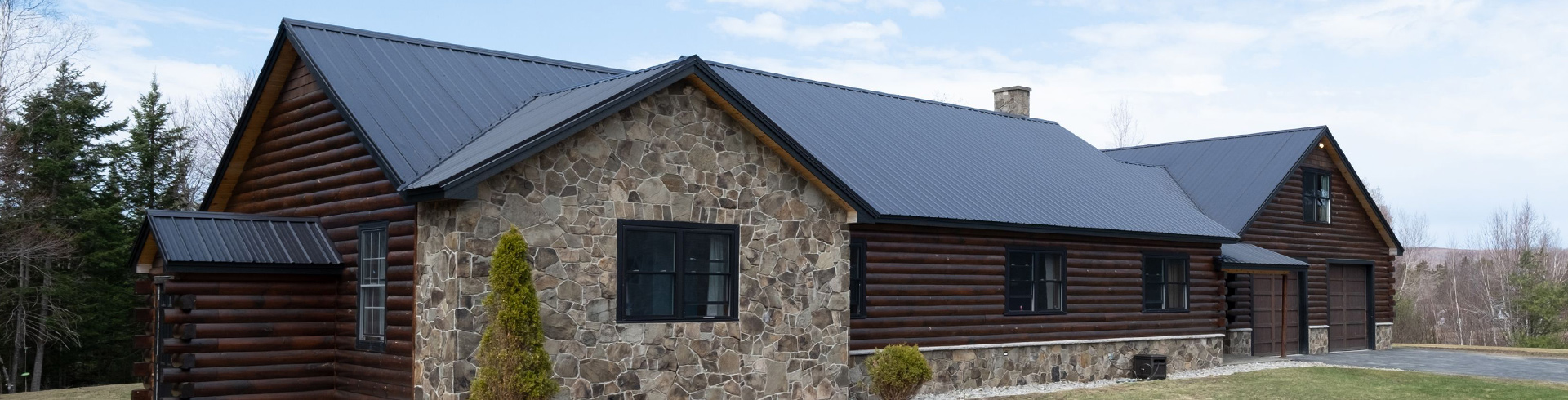
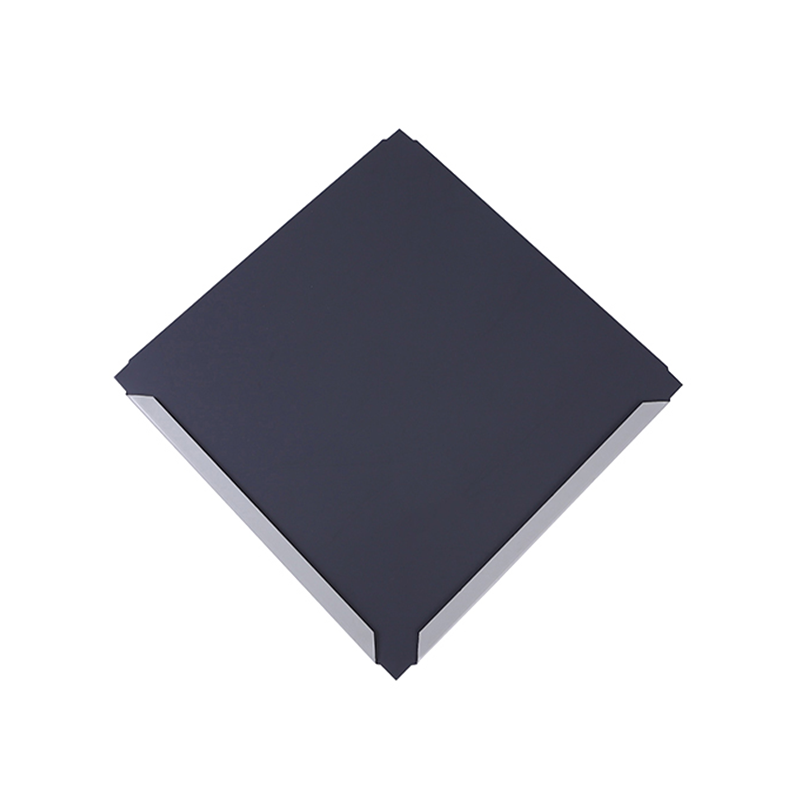
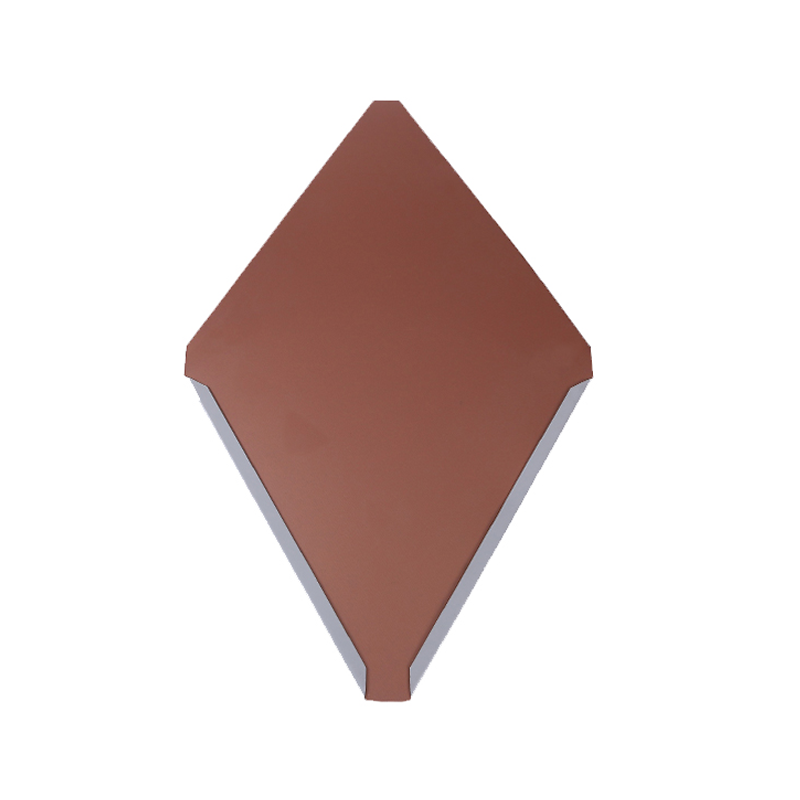
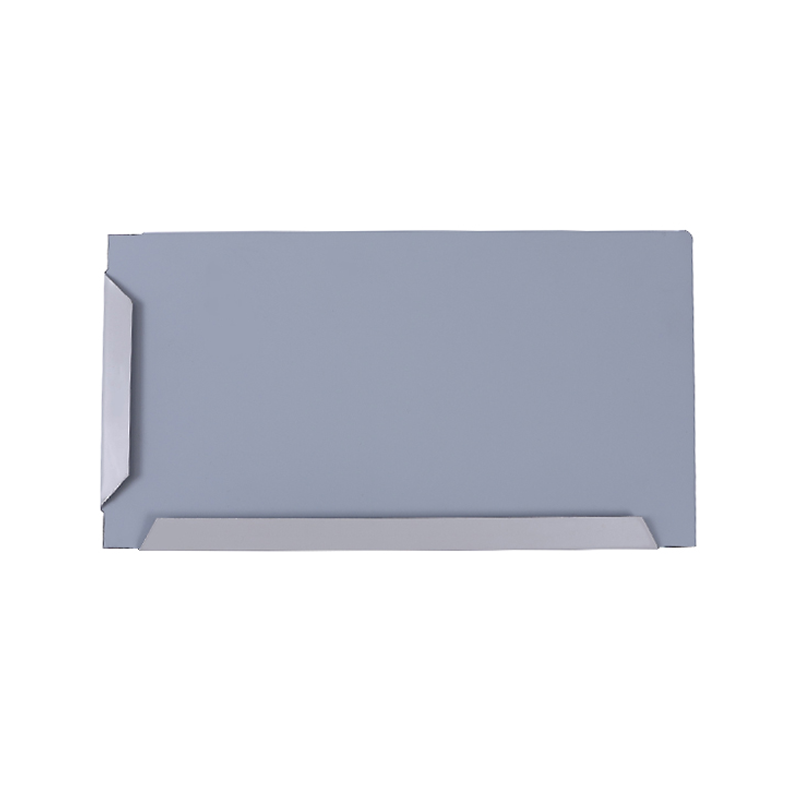

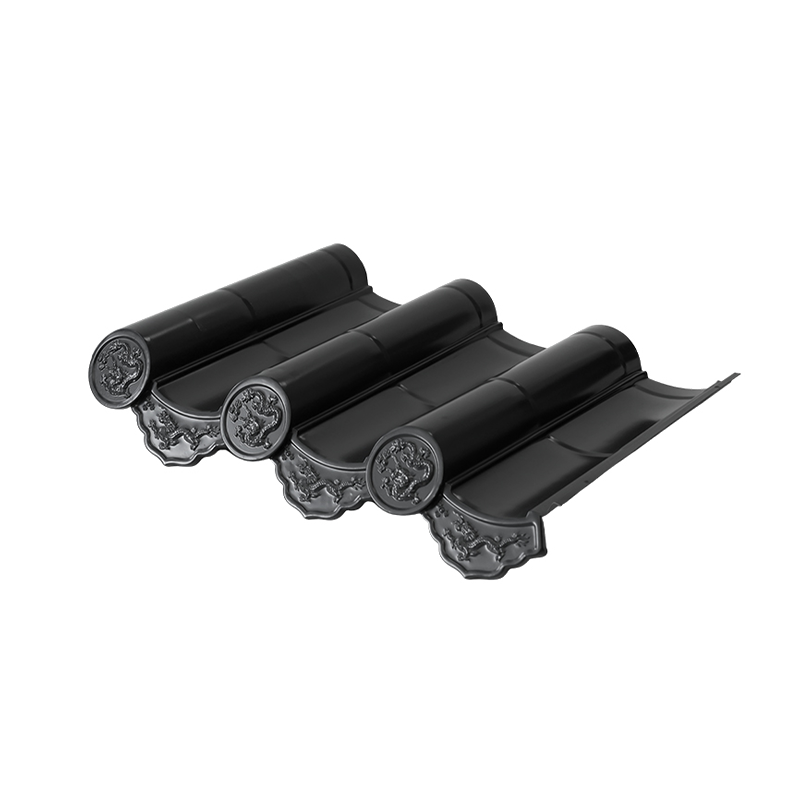
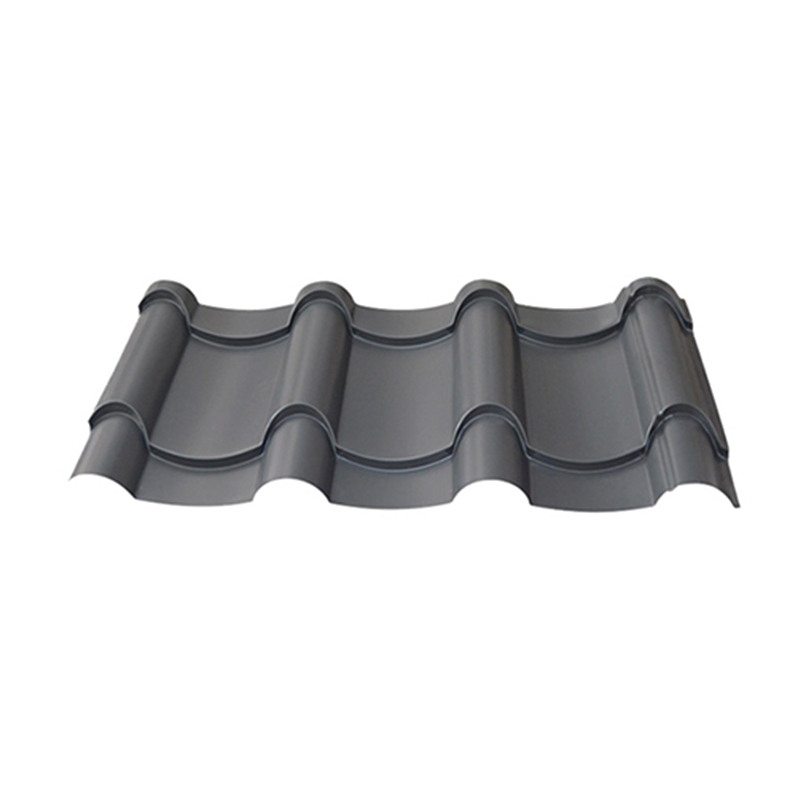
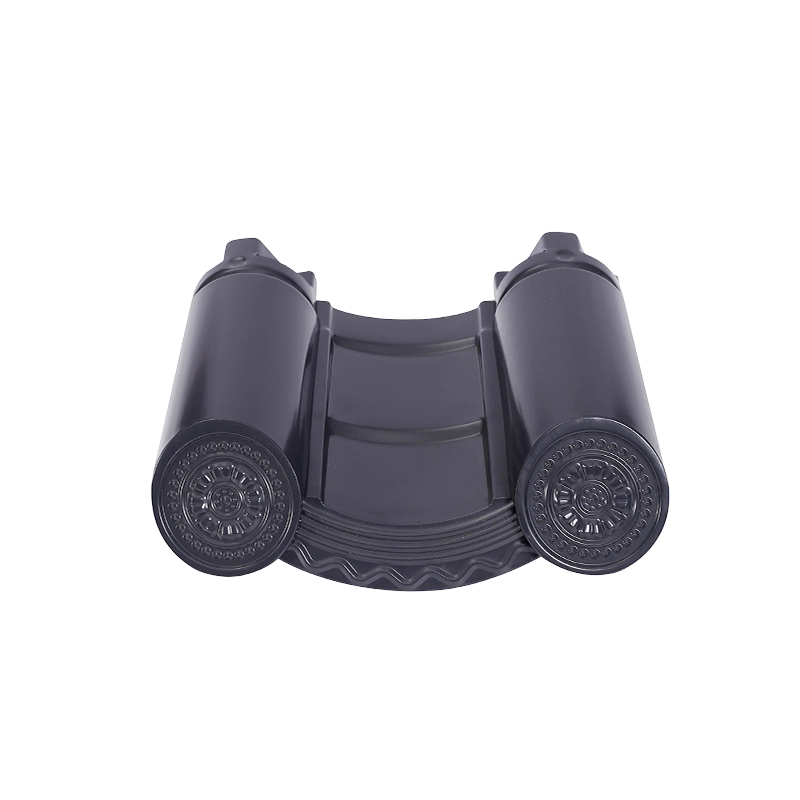
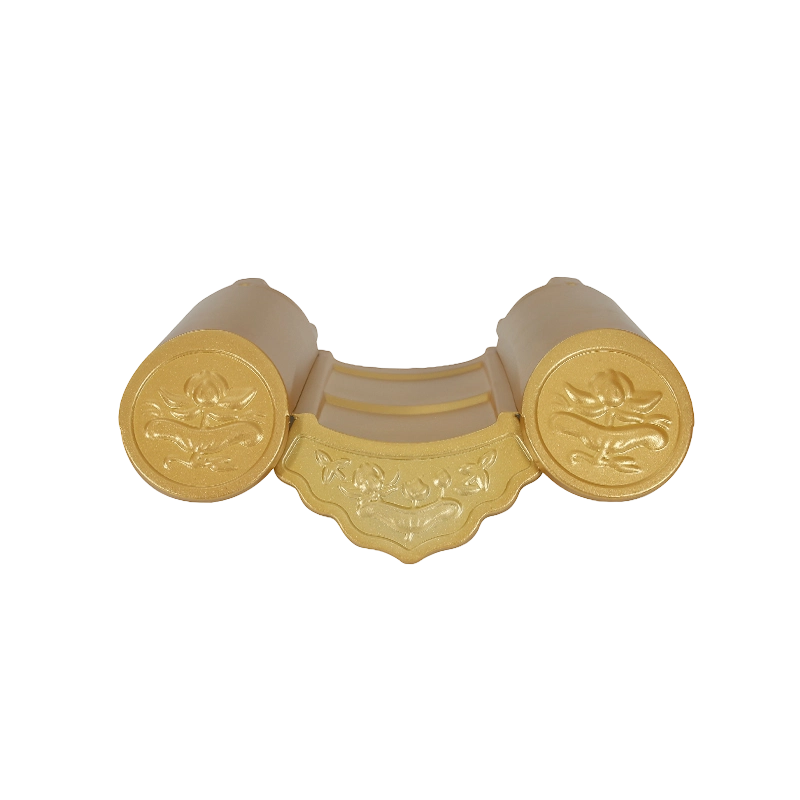
Titanium Zinc Roofing Specifications
| Item | Typical Range / Option |
| Base material | Zinc alloy with titanium and copper additions (architectural zinc) |
| Thickness | 0.6mm - 0.8mm typical for roofing and cladding applications |
| Surface finish | Natural bright, pre-weathered (matte gray), or pigmented finish options |
| Available profiles | Standing seam, flat lock, facade cladding panels |
| Seam type | Mechanically double-locked seam typical for roofing applications |
| Formability | High; suitable for curved surfaces and complex architectural detailing |
| Typical applications | Museums, modern residential and commercial buildings, European-style architecture, facade cladding |
| Expected service life | Multiple decades with correct ventilation and detailing behind the panel |
One technical detail that is especially important for titanium zinc is substrate ventilation: because zinc can be sensitive to prolonged moisture contact against certain incompatible substrates, roofing and cladding assemblies typically require a ventilated cavity or compatible substrate layer beneath the panel. We work with buyers and their design teams to confirm this detail is addressed at the assembly design stage, since it affects long-term performance more than almost any other single installation factor for this particular material.
We also recommend confirming fastener compatibility and flashing material at the specification stage, since titanium zinc should be installed with compatible fastener and flashing materials to avoid galvanic corrosion at contact points, a detail our technical team routinely reviews alongside the core panel specification for every zinc project we quote. We also confirm whether the project requires natural bright finish or pre-weathered material at this stage, since this decision affects both the coating specification and the overall project cost and lead time.
Pricing Structure and Minimum Order Quantity
Titanium zinc is priced in a premium tier similar to copper, reflecting both the cost of the alloy itself and the more specialized forming processes required to achieve the tight, crisp seam and edge detailing that architectural zinc projects typically demand. Pricing is quoted per square meter and, like copper, is sensitive to underlying zinc commodity market movements, so we recommend requesting a current quotation close to the intended order date rather than relying on an estimate from several months prior.
Because titanium zinc projects are frequently tied to a specific architectural design with defined roof or facade area, minimum order quantity tends to be assessed on a project basis rather than as a fixed volume threshold, similar to our approach with copper. Smaller architectural projects, including boutique residential or cultural building facades, can generally be accommodated, though very small orders may carry a modest premium reflecting setup costs for specialized seam tooling.
We provide itemized quotations breaking down panel material cost, forming and finishing labor, and any required substrate or ventilation accessories, which is particularly useful for architects managing a detailed project budget where zinc roofing or cladding represents a significant single line item. Buyers should also confirm whether a natural bright finish or a pre-weathered matte gray finish is required at the quotation stage, since pre-weathering is an additional processing step with its own cost and lead-time implications compared to natural finish material that will weather on its own after installation. For architects budgeting at an early design stage, we can provide an indicative price range before drawings are finalized, refining the figure as project details develop.
Manufacturing Capacity and Lead Time
Titanium zinc roofing and cladding panels are produced using precision roll-forming equipment at our Taicang, Suzhou facility, part of our broader 12-line, 10,000㎡ production base. Because architectural zinc detailing often involves tighter seam tolerances and more complex flashing and trim work than standard steel or aluminum roofing, production planning for zinc orders typically allows for more careful in-line dimensional checking throughout the forming process.
Lead time for titanium zinc orders depends on panel profile complexity, finish selection (natural versus pre-weathered), and total project area, and generally runs longer than standard aluminum roofing given the more specialized forming and finishing processes involved. Projects involving curved panels or complex facade geometry require additional tooling and planning time compared to straightforward flat roof applications, so we recommend confirming a firm lead time once architectural drawings are available rather than assuming a standard turnaround applies uniformly across all zinc project types.
Given titanium zinc's frequent use in visually prominent facade cladding applications in addition to roofing, we take particular care in production sequencing and packing to protect panel edges and surface finish, since facade panels are typically viewed up close by building occupants and passersby in a way that roof panels are not, making surface finish consistency even more critical for this application. Our location near Shanghai supports efficient export logistics once production and quality checks are complete, with packing configured specifically to protect the panel edges most vulnerable to handling damage during transit.
We encourage buyers with a firm construction deadline to confirm production and shipping lead time explicitly once drawings are available, since realistic scheduling depends on current alloy coil availability and profile complexity rather than a single standard lead time applied uniformly across every zinc project regardless of its specific detailing requirements.
Trade Terms, Payment and Compliance
Titanium zinc pricing and procurement are handled similarly to copper, given its comparable premium positioning and sensitivity to zinc commodity market pricing; we typically confirm final pricing close to order confirmation to reflect current material costs accurately. Standard international trade terms — FOB, CIF, and DDP where appropriate — are supported, with payment generally following standard practice of a deposit securing production and material procurement, with balance due before or against shipping documents.
Because titanium zinc is frequently specified for institutional, cultural, or architecturally significant buildings, buyers should confirm early whether their project's procurement or planning approval process requires specific material certification or documentation beyond standard commercial requirements — for example, environmental product declarations or specific compliance documentation sometimes requested for public or cultural institution buildings in certain markets. We can prepare tailored documentation where these requirements are identified early enough in the process.
Standard export documentation, including commercial invoices, packing lists, and certificates of origin, is provided as a matter of course, and material certification covering zinc alloy composition can be supplied on request. We recommend buyers with a formal institutional procurement process loop in their compliance or planning contacts early, since documentation and approval requirements for architecturally significant buildings can add meaningful time to the overall project schedule independent of our manufacturing lead time.
If you are unsure whether a specific environmental declaration or planning-authority requirement is something we can support, please raise it directly during the quotation stage so we can confirm or address it before production begins rather than after panels have already shipped.
Frequently Asked Questions About Titanium Zinc Roofing
What is the difference between titanium zinc and standard zinc? Titanium zinc includes small amounts of titanium and copper added to pure zinc to improve strength, workability, and creep resistance, making it better suited to architectural roofing and cladding than unalloyed zinc.
Does titanium zinc need special substrate preparation? Yes — zinc roofing and cladding generally require a ventilated cavity or compatible substrate to manage moisture and avoid contact with incompatible metals; our technical team can review your assembly design to confirm this is addressed correctly.
Can titanium zinc be used for curved or complex facade shapes? Yes, its high formability makes it well suited to curved surfaces and detailed architectural geometry, which is one of the main reasons architects specify it for design-forward buildings.
How does the appearance change over time? Natural (bright) titanium zinc develops a matte gray patina over time; pre-weathered zinc already has this appearance from installation, so buyers should decide which look they want at the specification stage.
Is titanium zinc as expensive as copper? Pricing for both materials fluctuates with commodity markets and can be broadly comparable; we recommend requesting current quotations for both if you are deciding between them for a project.
What building types most commonly use titanium zinc? Museums, cultural buildings, modern residential and commercial architecture, and European-style buildings are among the most common applications we see for this material.
Can titanium zinc be recycled at the end of its service life? Yes, zinc is fully recyclable, and reclaimed zinc roofing material retains meaningful scrap value, which some buyers factor into the material's long-term lifecycle cost calculation.



 DOWNLOAD