LANGUAGE
 English
 Español
 عربى
عربى
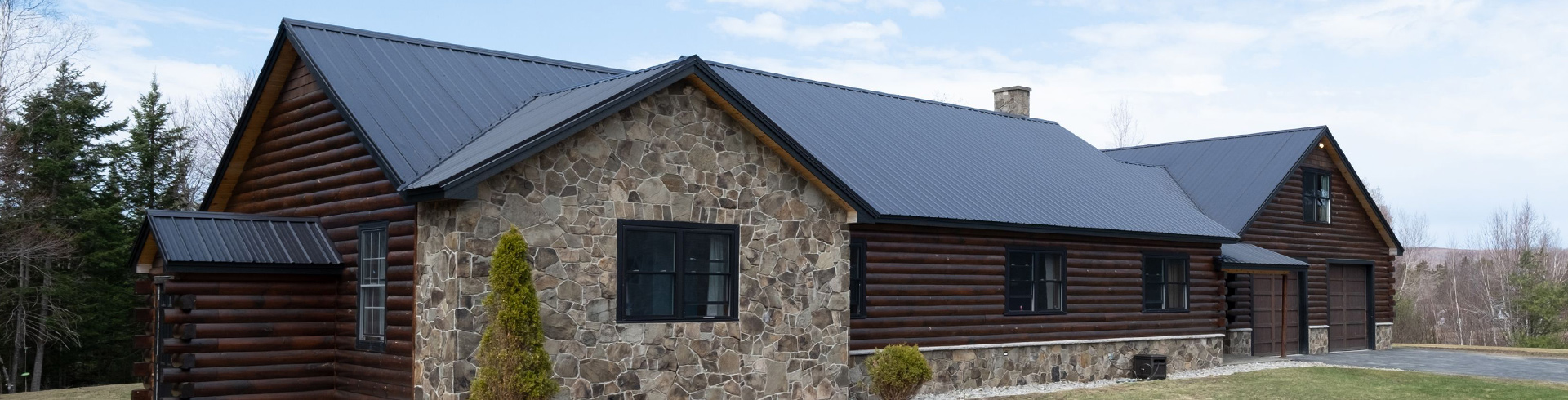
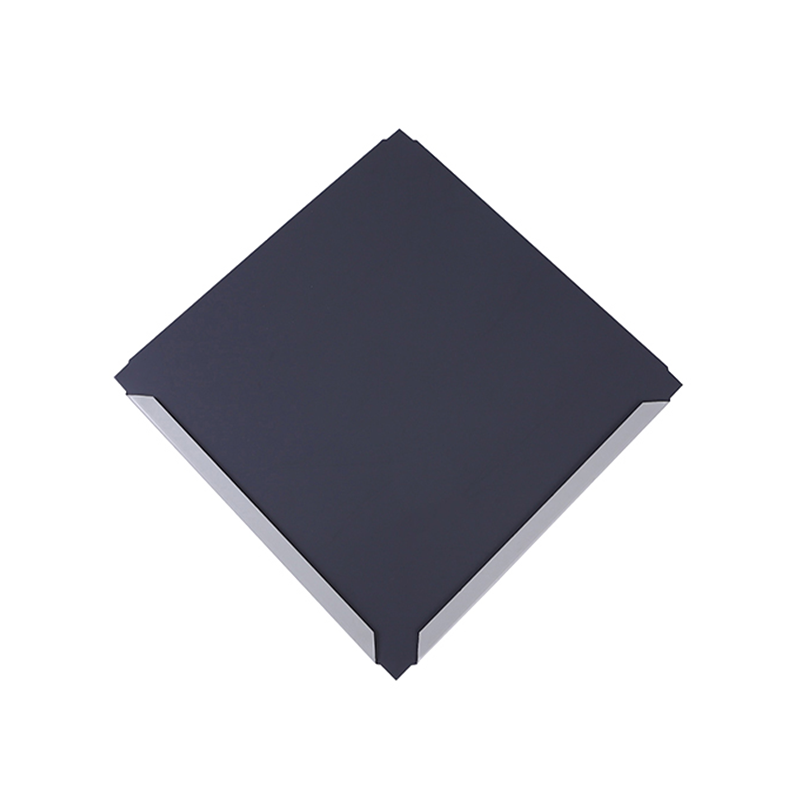
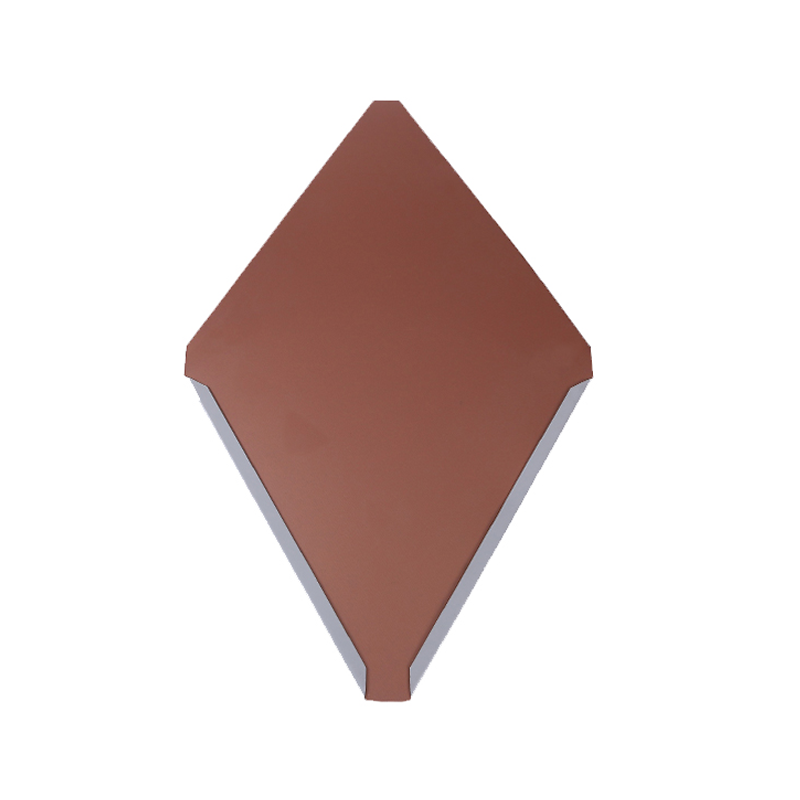
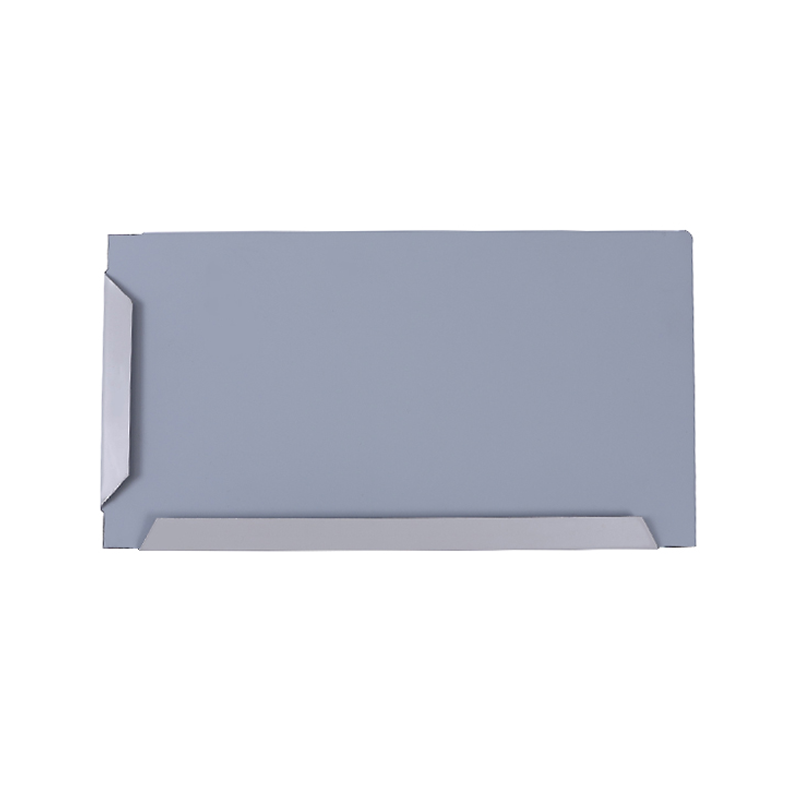

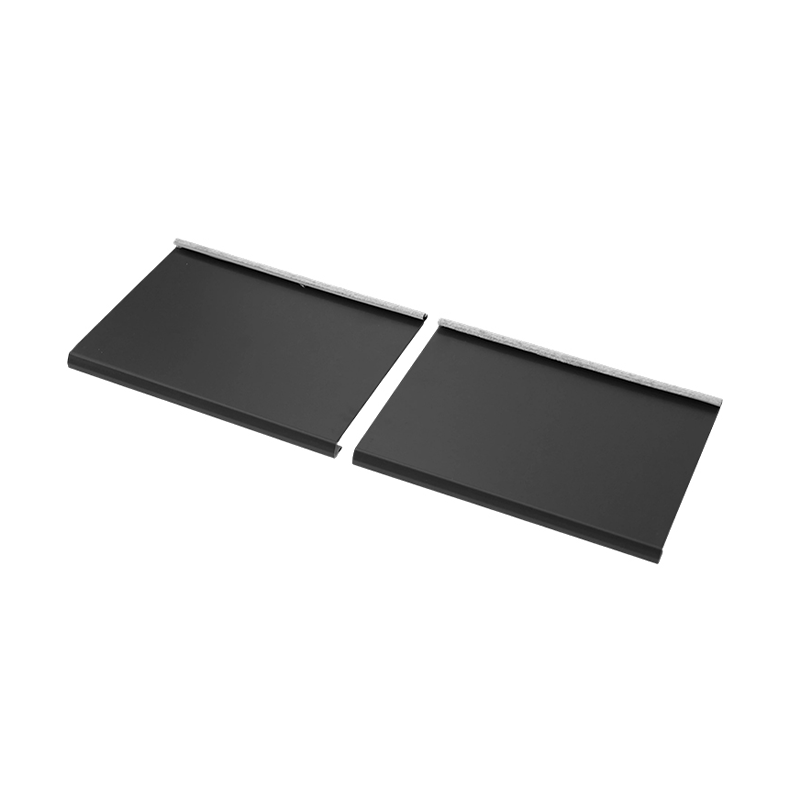
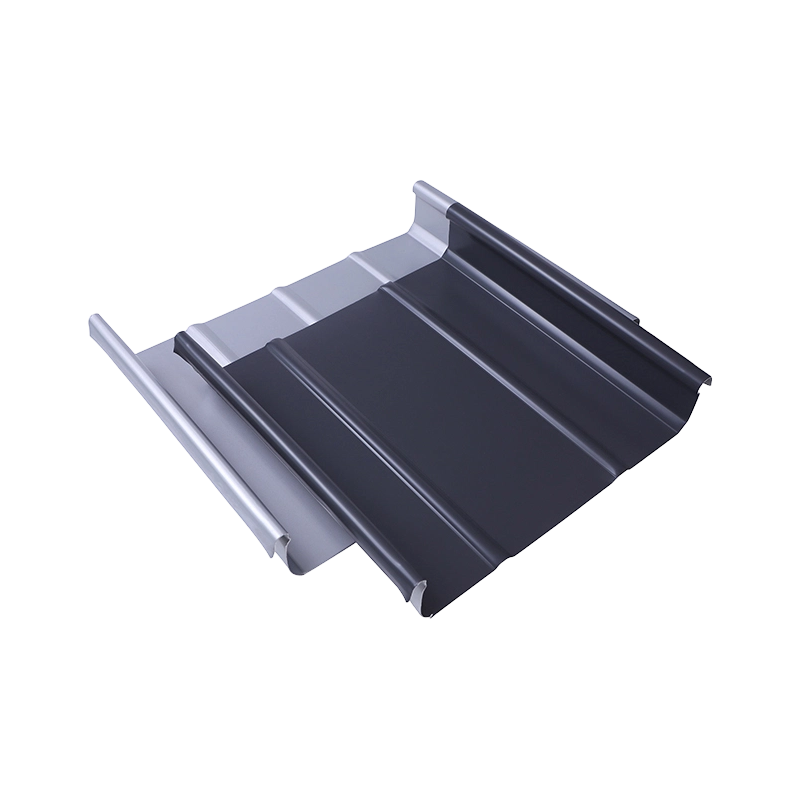
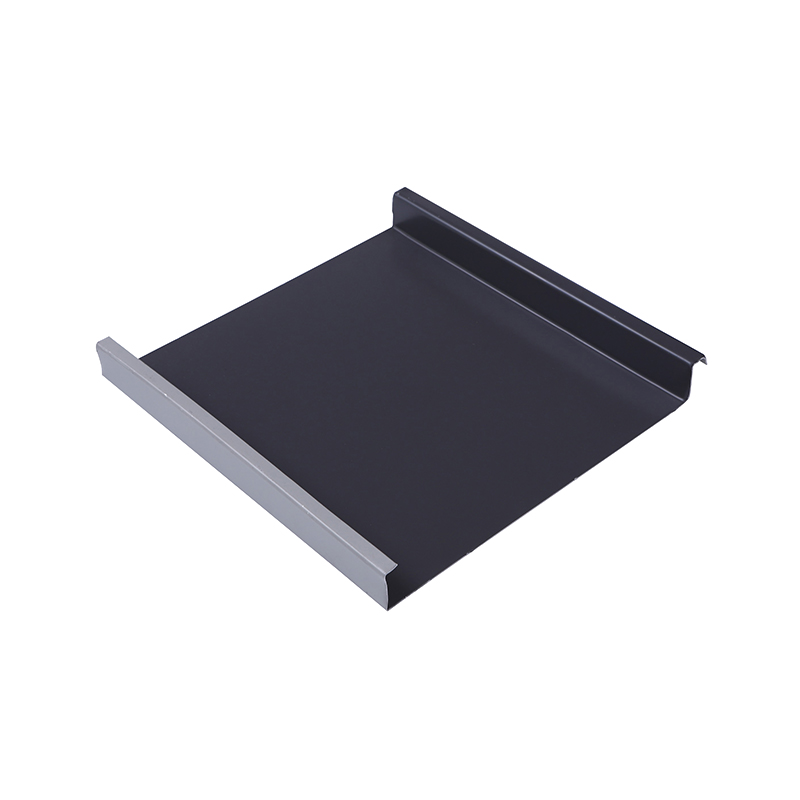
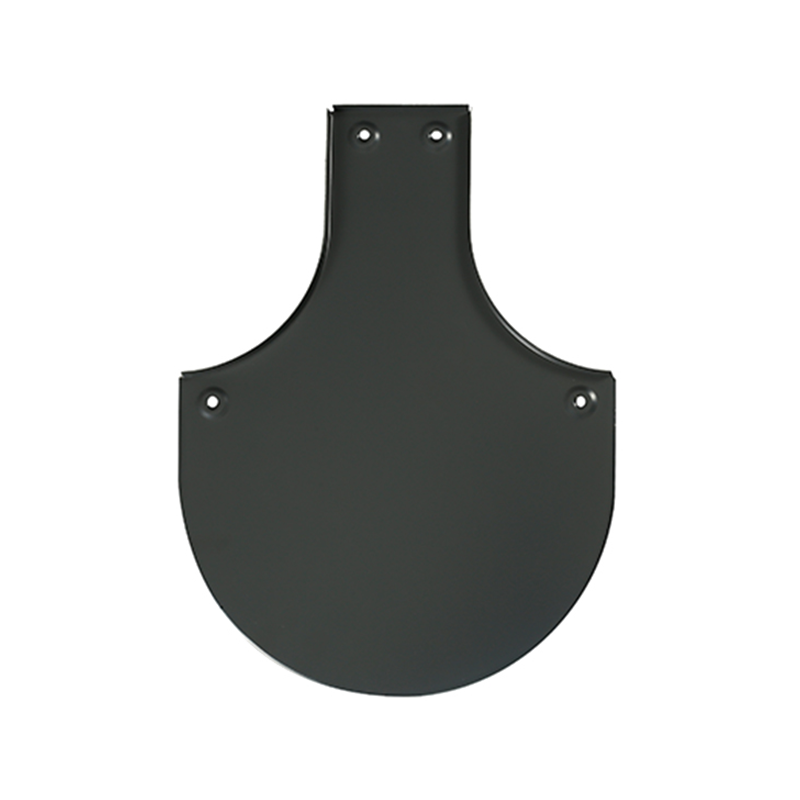
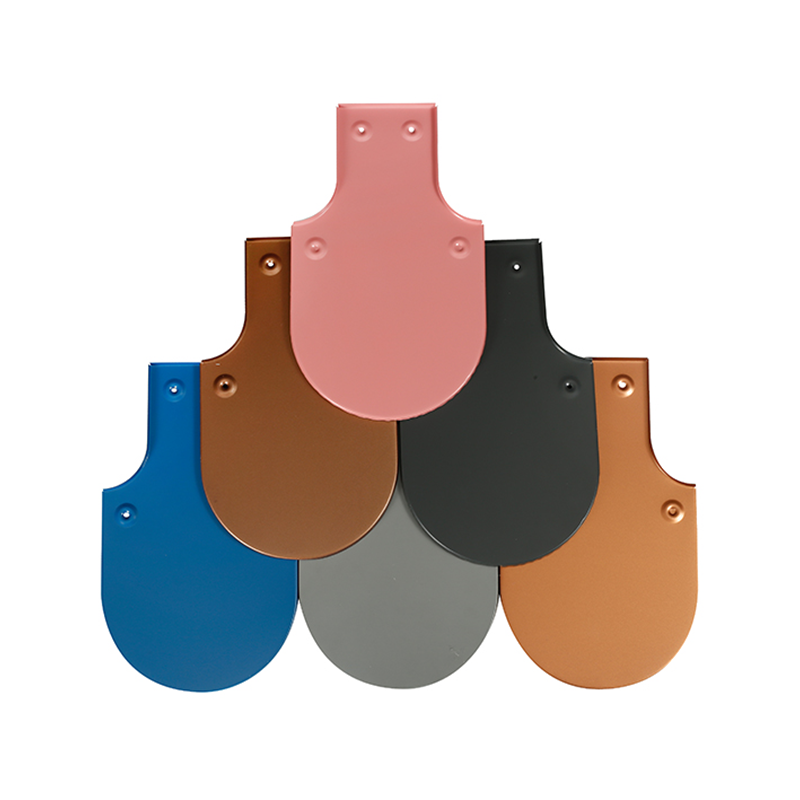
Fireproof Metal Roofing Specifications
| Item | Typical Range / Option |
| Panel material | Aluminum alloy, Galvalume steel, or other metal — all non-combustible substrates |
| Combustibility | Metal panel substrate itself does not contribute fuel to fire spread |
| Assembly consideration | Overall fire classification depends on the complete roofing assembly, not the panel alone |
| Common applications | Wildfire-prone regions, schools, hospitals, high-occupancy commercial buildings |
| Underlayment coordination | Non-combustible or fire-rated underlayment recommended for maximum assembly performance |
| Documentation | Material certification available to support a project's fire safety compliance documentation |
| Coating consideration | Standard PE and PVDF coatings do not significantly affect the substrate's non-combustibility |
| Regional relevance | Particularly relevant for wildfire interface zones and dense urban construction |
We recommend confirming your project's specific fire classification requirement with your local building authority or fire safety consultant, since the exact classification system and required documentation vary by country and jurisdiction, and we can help confirm that our material specification aligns with whatever specific classification your project's building code requires.
We also recommend discussing your specific fire classification requirement with our team even at a preliminary stage, since understanding the target classification early helps guide broader material and assembly decisions before a project's construction documents are finalized and harder to revise.
This kind of early technical alignment consistently produces smoother project outcomes than addressing fire classification only near project completion.
We remain available throughout the design process to answer additional fire performance questions as a project's specification develops further.
Please don't hesitate to reach out with preliminary fire performance questions at any project stage.
Pricing Structure and Minimum Order Quantity
Because fire performance is largely an inherent characteristic of metal as a base material rather than a separate premium product feature, choosing a fire-performance-conscious specification typically does not carry a significant cost premium over our standard product pricing, unlike some other performance upgrades in our range. Pricing follows our standard approach based on the selected material, thickness, profile, and coating.
Minimum order quantity follows our standard approach for the chosen base material and profile, whether that is a cost-effective Galvalume specification for a wildfire-zone warehouse or a premium aluminum alloy specification for a fire-conscious institutional building like a school or hospital.
For institutional buyers specifically evaluating fire performance as part of a broader building material specification process, we are glad to provide our standard material pricing alongside relevant fire classification documentation, helping the buyer's fire safety consultant confirm that our material fits within their overall assembly fire performance strategy without adding unnecessary cost specifically attributable to fire safety considerations.
We also recognize that fire-conscious institutional buyers often need to justify a specific material choice to a school board, hospital administration, or other governing body, and we are glad to provide clear, accessible documentation explaining our material's fire performance characteristics in terms suitable for this kind of non-technical institutional audience.
We find that clear, accessible documentation significantly speeds up internal institutional approval processes for fire-conscious material decisions.
We believe this transparent, accessible approach to fire performance documentation serves both the buyer and the broader safety goals involved.
Manufacturing Capacity and Lead Time
Fire-performance-relevant roofing orders are produced using the same production infrastructure as our broader product range at our Taicang, Suzhou facility, since fire performance is inherent to the metal substrate itself rather than requiring a distinct manufacturing process or separate production line.
Lead time follows our standard timeline for the specific material, profile, and coating selected, whether that involves our cost-effective Galvalume line for a wildfire-zone industrial building or our premium aluminum alloy line for a fire-conscious institutional project like a school or hospital.
For institutional buyers on a defined construction schedule tied to occupancy or licensing requirements sometimes associated with fire-sensitive building types like hospitals, we understand that delivery timing can carry particular regulatory significance, and we aim to provide realistic, specific lead-time commitments that account for this kind of institutional scheduling consideration.
We also maintain awareness of any seasonal wildfire risk patterns relevant to buyers in fire-prone regions, and are glad to discuss expedited production options where a buyer's construction timeline is specifically driven by a desire to complete fire-resistant roofing before a particularly high-risk seasonal period begins.
We also coordinate closely with school and hospital facilities teams to align our delivery schedule with any specific building occupancy or licensing inspection dates relevant to their project.
We remain flexible and responsive to these kind of seasonally-driven scheduling requests from buyers in fire-prone regions.
We view this kind of responsiveness as essential given the genuine safety stakes involved in fire-conscious construction timelines.
We remain committed to supporting these time-sensitive institutional and wildfire-zone construction timelines wherever reasonably possible.
Trade Terms, Payment and Compliance
Fire-performance-relevant roofing orders are supported under our standard international trade terms, including FOB, CIF, and DDP where appropriate, with payment generally following standard practice of a deposit before production and balance due before or against shipping documents, consistent with our approach across our broader product range.
Because fire safety building codes vary significantly by country and jurisdiction, and because overall assembly fire classification depends on more than the metal panel alone, we recommend buyers confirm their project's specific fire classification requirement with their local building authority and coordinate the complete roofing assembly specification with their own fire safety consultant.
Standard export documentation, including commercial invoices, packing lists, and certificates of origin, is provided as a matter of course, and material certification confirming metal substrate composition can be supplied to support a project's fire safety compliance documentation.
We also recommend institutional buyers confirm any specific insurance requirements related to fire-resistant construction, since some institutional insurers offer favorable terms for buildings meeting documented fire-conscious material specifications.
We recommend confirming these insurance-related requirements early in the design process, since favorable terms sometimes depend on documentation being in place before construction begins.
We are glad to assist wherever documentation timing can meaningfully affect a project's insurance or financing approval process.
Please reach out to our team directly with any specific insurance-related documentation question relevant to your particular project.
We are always available to discuss project-specific documentation timing questions in more detail.
Please reach out early in your project's planning process so we can help address any insurance-related documentation questions proactively.
Frequently Asked Questions About Fireproof Metal Roofing
Is metal roofing actually fireproof, or just fire-resistant? Metal is a non-combustible substrate, meaning it does not itself burn or contribute fuel to a fire, though the overall roofing assembly's fire classification also depends on the underlayment, insulation, and deck materials used beneath the metal panel.
Does the type of coating on the metal affect its fire performance? Standard PE and PVDF coatings do not significantly affect the underlying substrate's non-combustibility, though we recommend confirming specific coating fire performance data with your fire safety consultant if this level of detail is required for your project.
Is metal roofing recommended for wildfire-prone regions? Yes, metal roofing's non-combustible nature makes it a generally favorable choice for wildfire interface zones compared to combustible roofing materials like wood shingles.
Do you provide fire classification certification for schools or hospitals? We can provide material certification confirming the metal substrate composition to support your project's fire safety documentation; specific assembly fire classification typically requires coordination with your project's fire safety consultant.
Does choosing a fire-conscious specification cost significantly more? Generally no, since fire performance is largely inherent to metal as a substrate rather than a separate premium feature requiring additional cost.
Which of your materials has the best fire performance? All our metal roofing materials share the same fundamental non-combustible substrate advantage; material selection for a fire-conscious project is typically driven more by budget, climate, and aesthetic considerations than by fire performance differences between our metal options.
Do you have experience specifically with hospital roofing projects? While our most detailed public references are schools, our full material range applies equally to healthcare facility fire-conscious specification, and we are glad to discuss specific requirements.


 DOWNLOAD