LANGUAGE
 English
 Español
 عربى
عربى
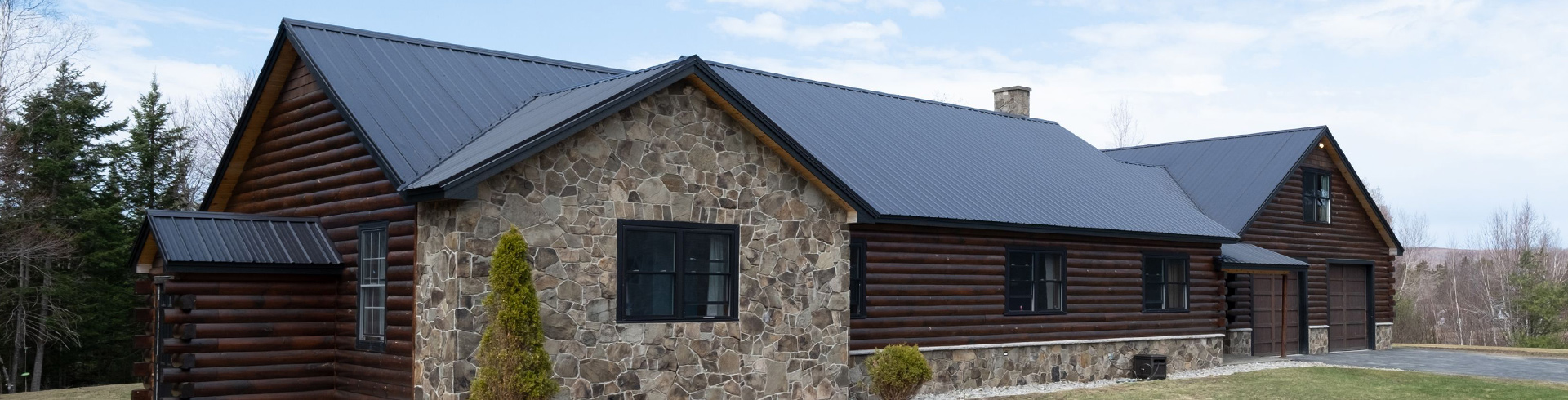
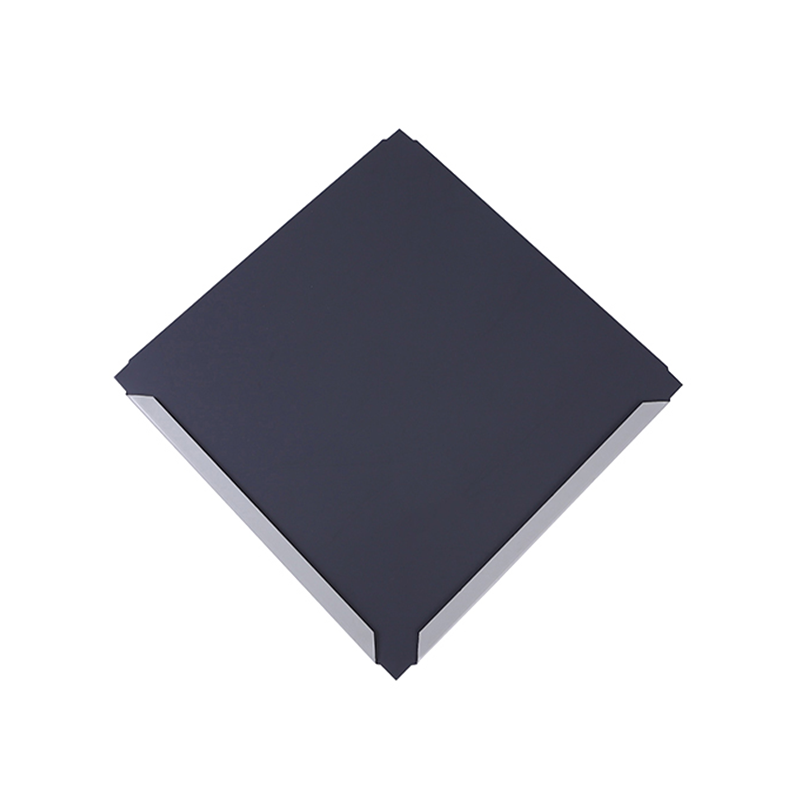
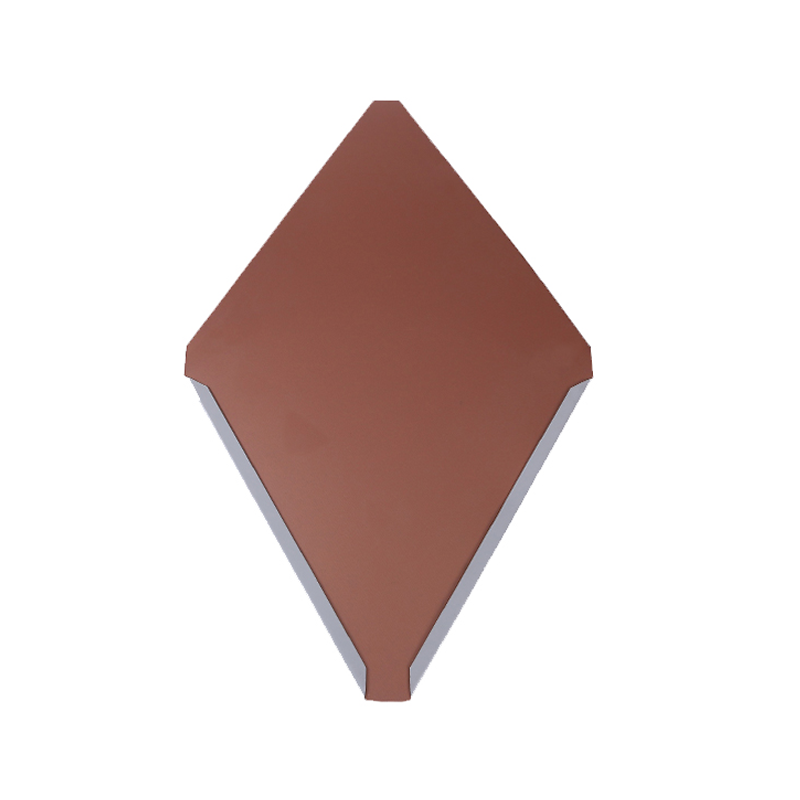
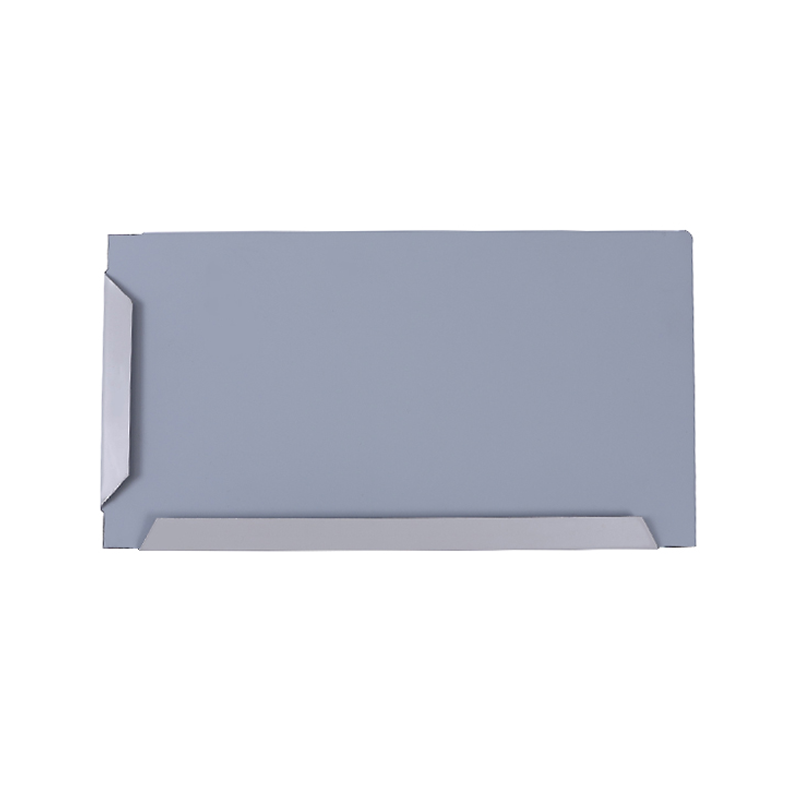

Snow Load Roofing Specifications
| Item | Typical Range / Option |
| Recommended profile | Standing seam with mechanically engaged clip system |
| Typical thickness | 0.8mm - 1.2mm, with structural loading determined by local snow load engineering requirements |
| Snow retention consideration | Snow guard systems available where controlled snow shedding is preferred over natural sliding |
| Ice dam prevention | Enhanced eave flashing and underlayment detailing recommended for ice dam-prone conditions |
| Clip spacing | Determined by project-specific snow load engineering calculations |
| Ventilation coordination | Proper attic or roof assembly ventilation recommended to reduce ice dam formation risk |
| Typical applications | Mountain regions, northern climates, ski resort and alpine architecture |
| Documentation | Engineering data available to support local snow load building code compliance |
We recommend confirming your project's specific ground and roof snow load design values from your local building code, since these vary considerably by region and elevation, and this specific engineering data determines the appropriate panel thickness and clip spacing needed to safely support the expected snow accumulation for your particular building location.
We also recommend discussing whether controlled snow retention (holding snow on the roof to melt gradually) or natural snow shedding (allowing snow to slide off the roof surface) is preferred for your specific building and site conditions, since this decision affects whether snow guard hardware should be incorporated into the roofing specification from the outset.
We welcome any additional questions about these technical details during your project planning.
We remain available to walk through any of these technical details in more depth during your project's planning phase.
Please reach out anytime with additional questions.
Pricing Structure and Minimum Order Quantity
Snow load roofing specifications typically involve a moderate premium over a standard low-snow-zone specification, reflecting thicker panel gauge and tighter clip spacing where higher structural loads require it, along with any additional snow guard hardware or enhanced ice dam prevention detailing specified for the project. Pricing depends on material, thickness, clip spacing, and any additional snow-specific accessories required.
Minimum order quantity follows our standard approach for the selected material and profile, and we can accommodate both individual residential mountain or alpine properties and larger commercial or institutional buildings in snow-region locations within our standard flexible, project-based pricing approach.
We provide itemized quotations that clearly identify any premium associated with the enhanced snow-load specification, helping buyers in snow regions understand the specific cost of properly engineering their roof for local conditions compared to a standard specification that would not adequately handle their region's actual snow load requirements over the building's service life.
We are also glad to prepare a side-by-side comparison showing the modest cost difference between a standard specification and a properly snow-engineered specification for the same roof area, which we find is often the clearest way to help a budget-conscious buyer understand that the additional investment is genuinely worthwhile relative to the very real risk of structural damage or roof failure under actual heavy snow load conditions during winter.
We remain committed to this transparent pricing approach for every snow-region project regardless of scale.
We remain available for questions at every stage.
We remain glad to help.
Manufacturing Capacity and Lead Time
Snow load roofing orders are produced across our 12 automated production lines at our 10,000㎡ Taicang, Suzhou facility, with our standing seam production capable of producing the mechanically seamed, appropriately thick panel configurations that snow-region structural requirements typically specify.
Lead time depends on material, thickness, clip spacing, and total order volume, with standard configurations offering efficient production timelines while any custom snow guard hardware or specialized ice dam flashing details may require additional coordination time to fabricate correctly for the specific project.
Given that snow-region construction is often scheduled around a limited warm-weather construction window before winter conditions make installation impractical, we understand that delivery timing can carry particular seasonal importance, and we aim to provide realistic, specific lead-time commitments that account for this kind of climate-driven construction scheduling consideration and communicate proactively about any change.
We also maintain awareness of regional construction seasons across snow-prone export markets and proactively communicate with buyers about realistic production and shipping timelines relative to their local warm-weather construction window, helping ensure buyers can plan their project with accurate expectations rather than risking a delayed delivery that pushes installation into an impractical winter period.
We recognize the genuine importance of this seasonal planning discipline for every buyer whose entire construction schedule depends on it.
We remain committed to accurate, realistic communication throughout every stage of the process.
We remain a dependable partner throughout this seasonally sensitive planning and delivery process.
We appreciate every opportunity to plan carefully with our clients.
Trade Terms, Payment and Compliance
Snow load roofing orders are supported under our standard international trade terms, including FOB, CIF, and DDP where appropriate, with payment generally following standard practice of a deposit before production and balance due before or against shipping documents.
Because snow load specifications are frequently tied directly to local building code requirements, we encourage buyers to confirm their specific local snow load engineering requirements with their structural engineer or building authority, and we can provide relevant material and system documentation to support this local code compliance process throughout the project.
Standard export documentation, including commercial invoices, packing lists, and certificates of origin, is provided as a matter of course, and we are glad to supply any available structural or material certification data to support a project's structural engineering sign-off process at any stage.
We also recommend confirming any specific snow load design standard your local jurisdiction references, since we can discuss how our material specification relates to whichever specific structural standard your project's building code requires for compliance and permitting documentation purposes, helping avoid any gap discovered late in the approval process.
We are always glad to help confirm this alignment early, avoiding any potential compliance documentation gap later in the approval process.
We remain a dependable resource for this documentation throughout your project's approval process.
Please reach out with any specific compliance question relevant to your local jurisdiction.
We remain ready to help at every stage.
We remain glad to help.
Thank you.
Thank you kindly indeed.
Frequently Asked Questions About Snow Load Roofing Solutions
Is standing seam metal roofing good for heavy snow regions? Yes, its smooth surface promotes natural snow shedding and its mechanically engaged seams provide strong ice dam-related watertight protection, making it a popular choice in snow-heavy climates.
Should snow be allowed to slide off the roof or held in place? This depends on your building's site conditions and safety considerations; snow guards can control shedding where uncontrolled sliding could pose a hazard below.
What causes ice dams, and how does roofing design help prevent them? Ice dams form when melted snow refreezes at a cold eave; enhanced eave flashing, underlayment, and proper roof ventilation all help reduce this risk.
How is the correct panel thickness determined for snow load? This should be based on your local building code's ground and roof snow load design values, applied through your structural engineer's calculations.
Does cold weather affect metal roofing installation? Installation is typically best completed during warmer months in snow-region climates; we recommend planning delivery to align with your local construction season.
Can you provide engineering data to support snow load code compliance? Yes, we can provide relevant material and structural documentation to support your project's local building code compliance process.
Do you offer snow guard hardware alongside the roofing panels? Yes, we can supply compatible snow guard systems where controlled snow retention is preferred for your specific building and site conditions.
What lead time should I expect for a snow guard accessory order? This depends on your specific quantity and configuration; please contact our team for an accurate estimate.




 DOWNLOAD