LANGUAGE
 English
 Español
 عربى
عربى
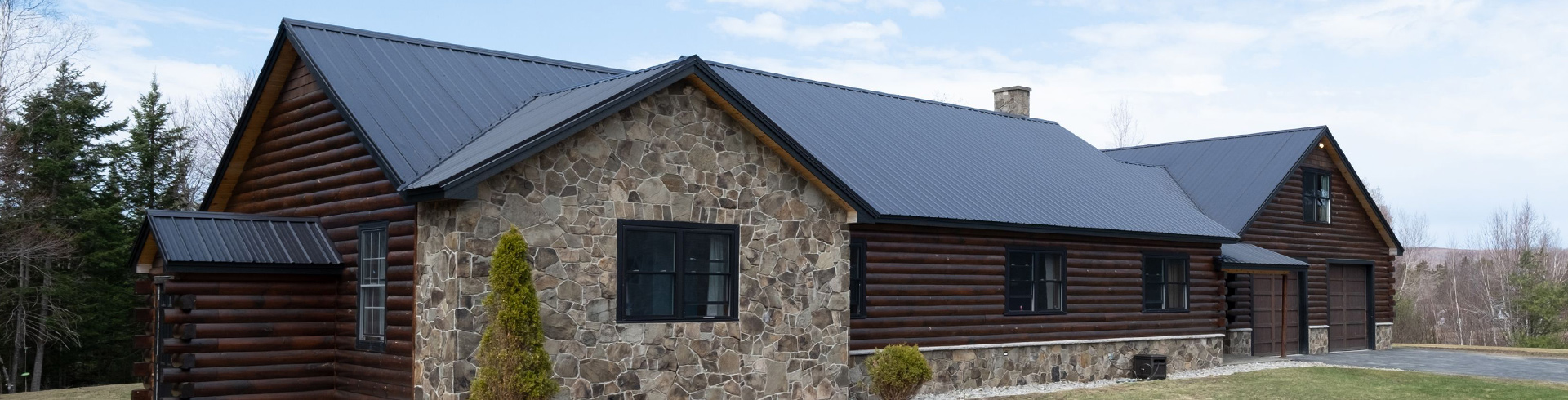
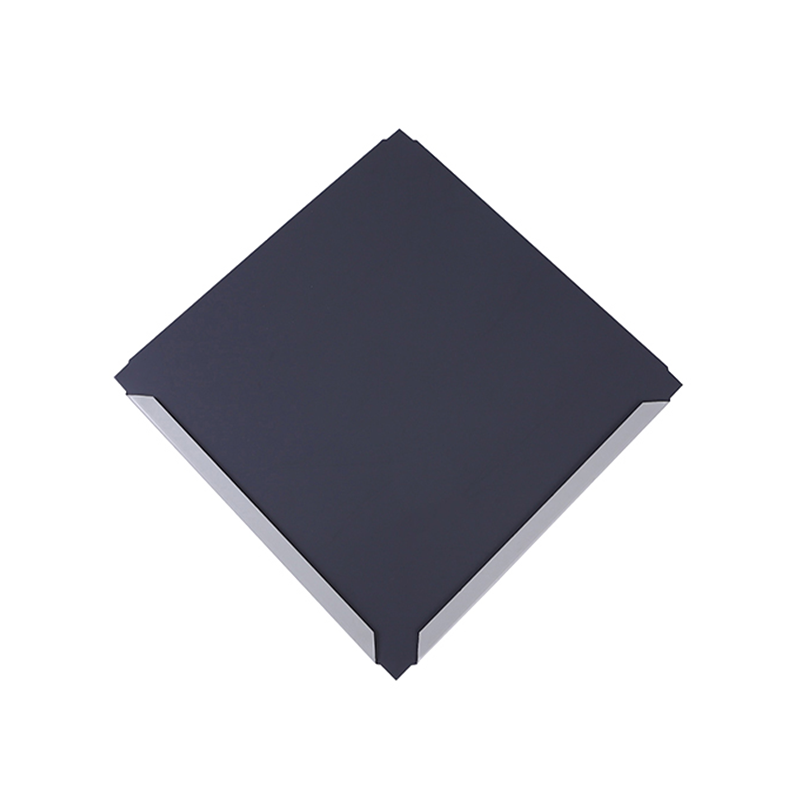
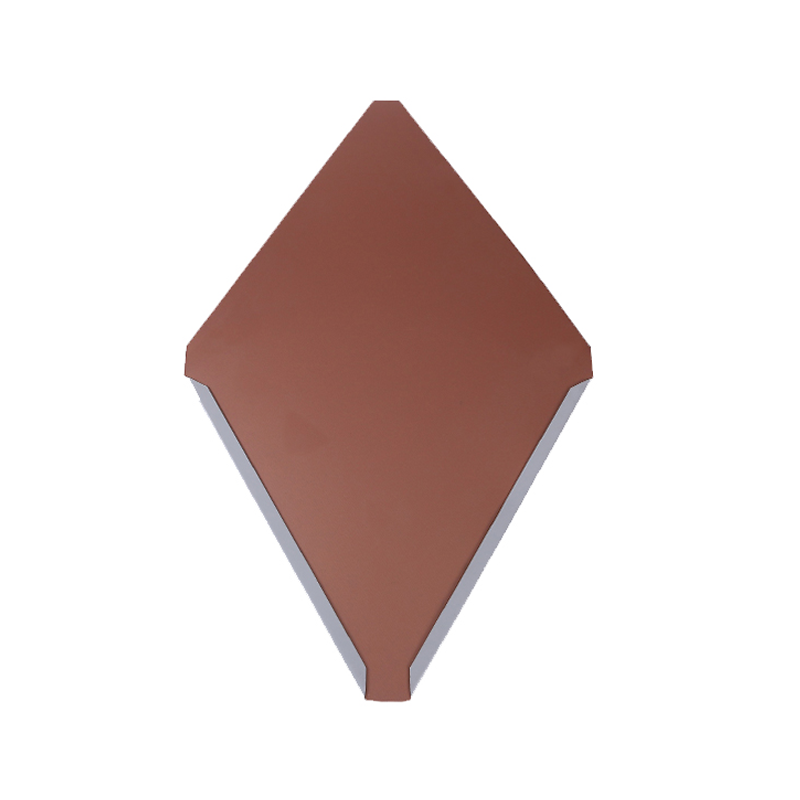
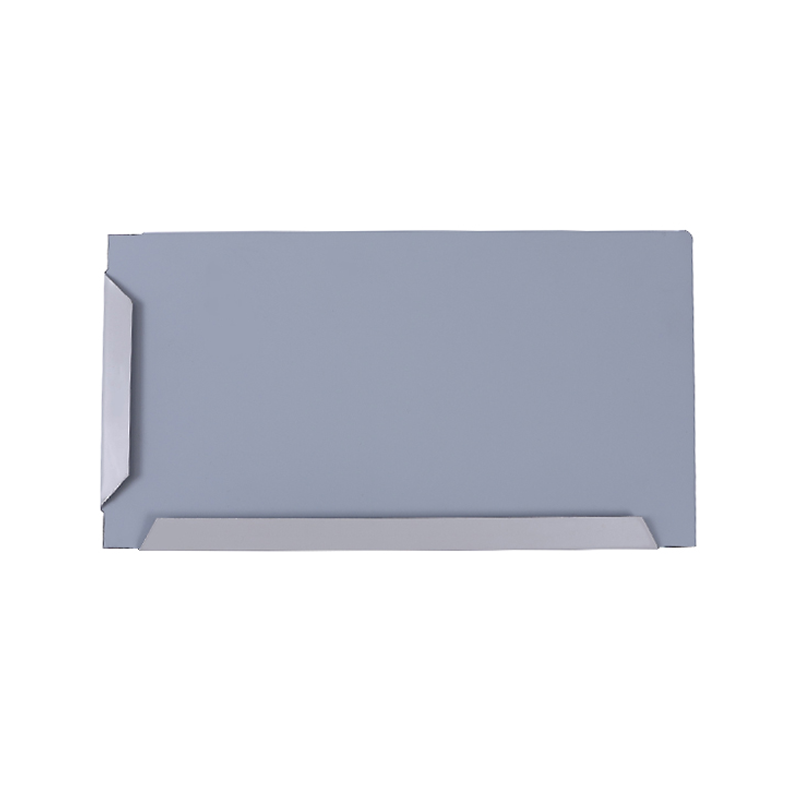

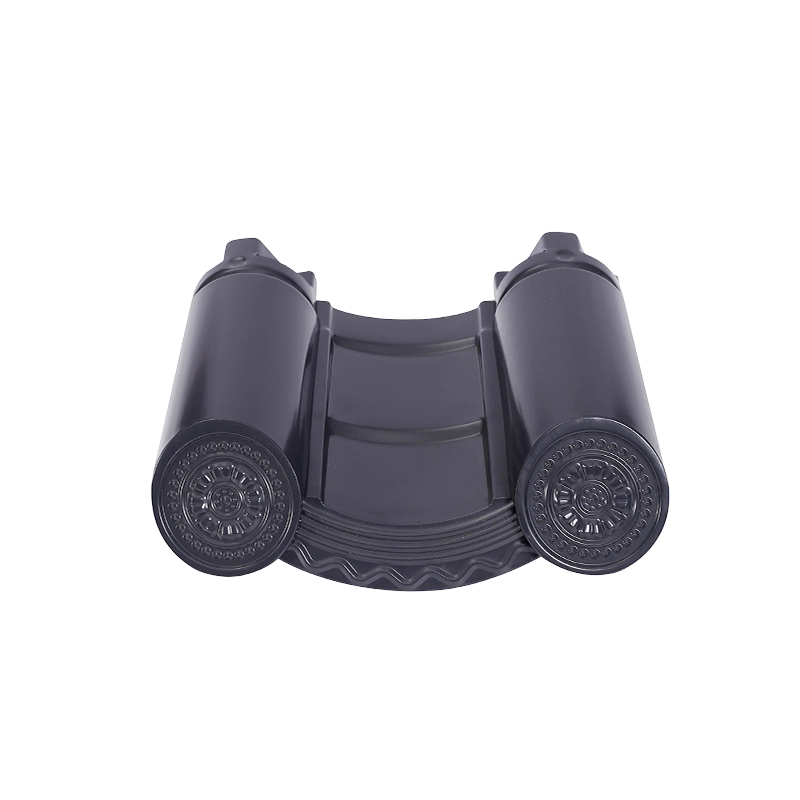
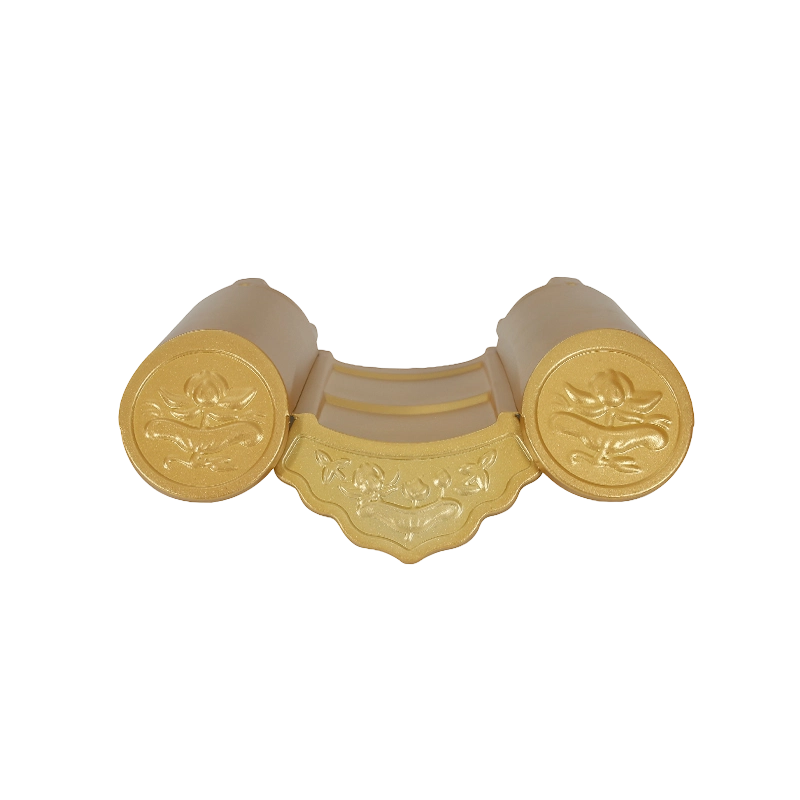
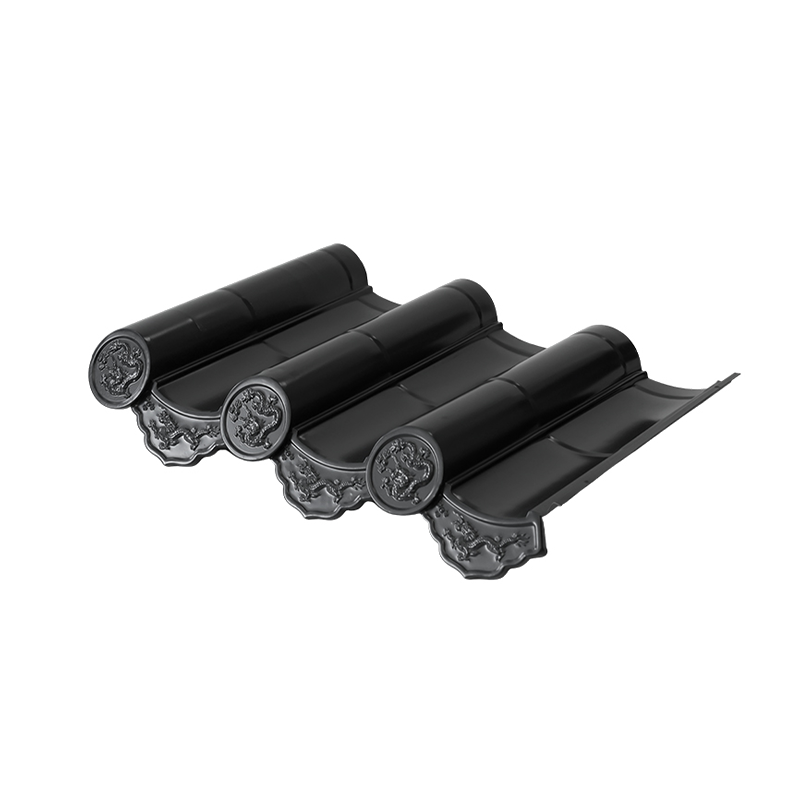
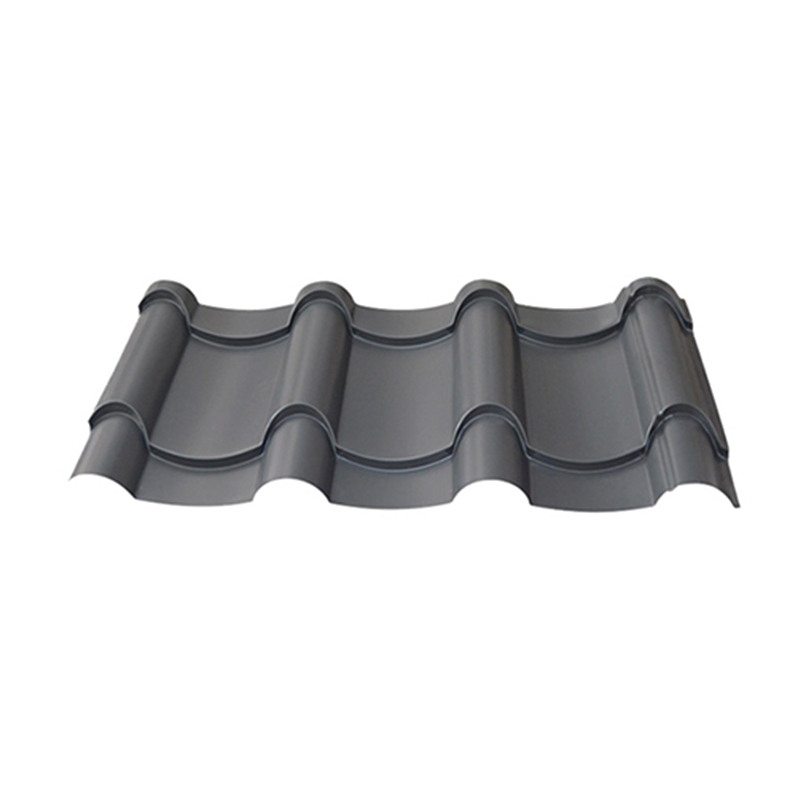
Temple & Pagoda Roofing Specifications
| Item | Typical Range / Option |
| Primary material | Aluminum alloy metal tile (barrel tile and other traditional profiles) |
| Typical thickness | 1.0mm - 1.2mm typical for traditional tile profiles |
| Profile style | Japanese-style and other East Asian traditional tile reproductions |
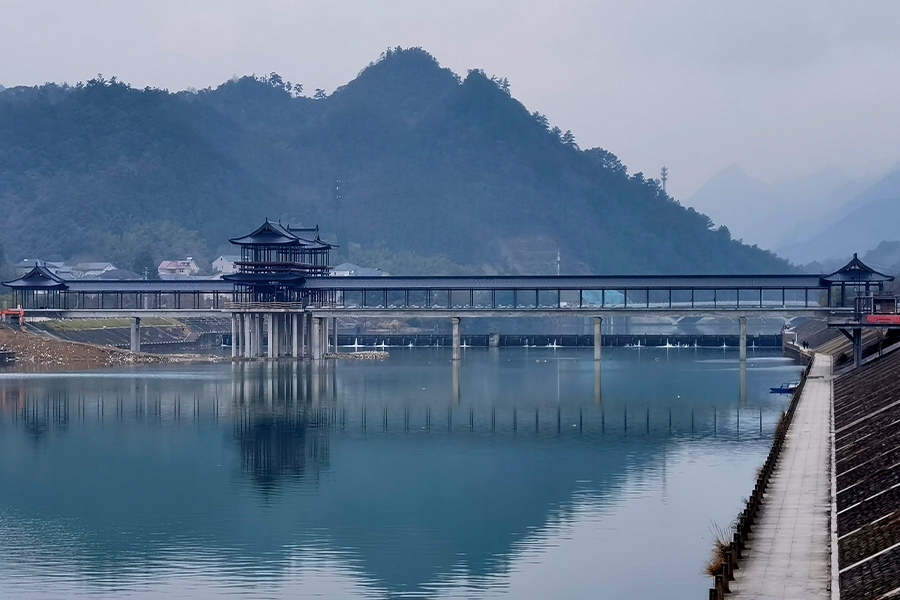
| Documented reference | Eel Lake Boat Landing Roofing Project — 1.2mm thick, Japanese-style aluminum tile, 20,000㎡ |
| Weight advantage | Significantly lighter than traditional ceramic or clay tile, easing structural load requirements |
| Color and finish | Traditional dark gray, terracotta, and other historically appropriate color options |
| Curved roof capability | Custom-formed sections available for curved eaves and tiered roofline details |
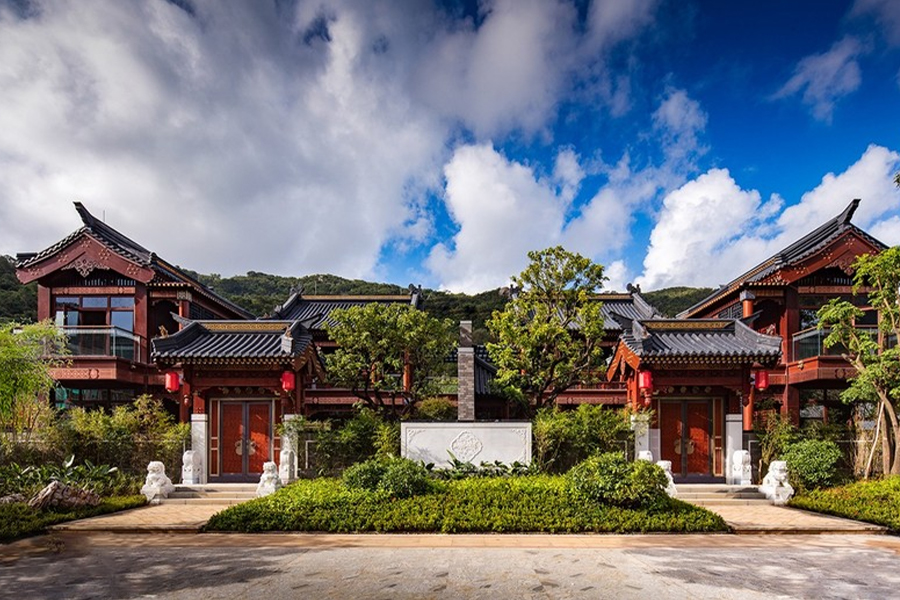
| Typical applications | Temples, pagodas, traditional cultural buildings, heritage restoration |
Because temple and pagoda rooflines often feature specific curved eave profiles and decorative ridge details unique to a particular regional or historical style, we recommend sharing detailed architectural drawings or reference photographs of the desired traditional style, since accurately reproducing these specific proportions and details is central to a successful outcome on this style-sensitive project category.
We also recommend clarifying whether any existing ridge ornaments, finials, or decorative ceramic elements from a historic structure need to be retained and reintegrated with the new metal tile roofing, since coordinating these traditional decorative elements alongside the new material is a detail specific to restoration work in this category.
We also recommend confirming the specific regional sub-style if applicable, since traditional tile aesthetics can vary meaningfully even within a single broader cultural tradition depending on the specific historical period, region, or school of architecture the original building represents.
Pricing Structure and Minimum Order Quantity
Pricing for temple and pagoda roofing depends on the tile profile complexity, thickness, color and finish requirements, and total roof area, with curved eave sections or custom decorative ridge details typically carrying a fabrication premium over standard flat tile sections given the additional forming precision these traditional architectural details require. We provide itemized quotations separating standard tile cost from custom curved or decorative fabrication work.
Because temple and pagoda projects are generally tied to a single specific building, minimum order quantity is assessed on a per-project basis, and we can accommodate both smaller temple or shrine projects and larger cultural-tourism-scale developments, similar in scope to our documented 20,000㎡ Eel Lake Boat Landing project which used a comparable traditional-style aluminum tile.
For religious institutions or restoration committees managing a defined project budget, we can prepare a clear, itemized cost breakdown that supports internal budget approval processes, and are glad to discuss cost-effective ways to achieve an authentic traditional appearance within a more constrained budget where full custom fabrication of every decorative element is not financially practical.
We also recognize that some temple restoration projects are funded through community donation drives spanning several years, and we are glad to discuss phased ordering approaches that align material purchases with funds as they become available, rather than requiring the full project to be funded before any material can be ordered.
We are also glad to provide a phased cost estimate broken down by roof section for very large temple complexes, allowing a restoration committee to plan fundraising targets around specific, tangible portions of the overall project rather than a single undifferentiated total figure.
Manufacturing Capacity and Lead Time
Temple and pagoda roofing tiles are produced at our Taicang, Suzhou facility using specialized tooling developed for traditional tile profile reproduction, with our successful completion of the 20,000㎡ Eel Lake Boat Landing project demonstrating our practical capability to manufacture and deliver traditional-style aluminum tile roofing at genuine large scale.
Lead time depends on tile profile complexity, total roof area, and the extent of any custom curved eave or decorative ridge fabrication required. Standard tile sections generally move through production on a timeline comparable to our other aluminum alloy tile products, while custom curved or decoratively detailed sections require additional tooling and fabrication time similar to our approach on other heritage-sensitive project categories.
Because temple and pagoda construction or restoration is often scheduled around specific ceremonial calendars, religious observances, or community events, we understand that delivery timing can carry particular cultural and community significance beyond typical commercial construction scheduling. We aim to provide a realistic, specific lead-time commitment once project scope and any custom fabrication requirements are confirmed.
We also maintain flexibility to adjust production scheduling around specific religious festival dates when a temple community specifically requests roofing completion ahead of an important ceremonial occasion.
For projects requiring a highly specific historical color match, we can also produce a small test batch ahead of full production, allowing a temple committee to review and approve the exact color and finish before committing to the complete order.
Because many temple restoration committees operate on a volunteer basis with limited full-time availability, we structure our communication to accommodate scheduling flexibility around a committee's own meeting cadence rather than expecting the same responsiveness typical of a commercial construction client.
Trade Terms, Payment and Compliance
Temple and pagoda roofing projects are supported under our standard international trade terms, including FOB, CIF, and DDP where appropriate, with payment generally following standard practice of a deposit securing material procurement and production, and balance due before or against shipping documents. Given that these projects are often funded through a combination of community donations, cultural heritage grants, or institutional budgets, we can structure payment milestones to align with a project's specific funding timeline where discussed in advance.
Because temple and pagoda buildings in many countries fall under specific cultural heritage or religious property protections, restoration committees should confirm early whether their jurisdiction's heritage or cultural affairs authority requires particular documentation or approval before materials can be ordered or installed.
Standard export documentation, including commercial invoices, packing lists, and certificates of origin, is provided as a matter of course, and material certification covering alloy composition can be supplied for the chosen tile material. We recommend restoration committees loop in their cultural heritage authority or preservation consultant early in the sourcing process.
We are also glad to assist with any specific labeling or documentation requests tied to a country's religious property import regulations, where these differ from standard commercial building material import practice.
We also recognize that some countries apply specific tariff classifications to religious or cultural building materials, and we encourage restoration committees to confirm this with their customs broker, since it may affect the total landed cost of the project.
We are also glad to provide our documentation well in advance of a shipping deadline where a committee's own customs clearance process requires additional lead time beyond what a standard commercial import typically involves.
Frequently Asked Questions About Temple & Pagoda Roofing
Can metal tile accurately replicate a traditional ceramic temple roof appearance? Yes, our aluminum alloy tile profiles are specifically developed to reproduce traditional tile visual character while offering significantly reduced weight compared to original ceramic or clay tile.
Do you have experience with large-scale traditional-style tile projects? Yes, our completed Eel Lake Boat Landing Roofing Project used 1.2mm thick Japanese-style aluminum tile across a 20,000㎡ area, demonstrating genuine large-scale capability with this traditional aesthetic.
Can you reproduce a specific regional traditional style, not just a generic tile look? Yes, we recommend sharing reference photographs of the specific regional or historical style so our team can accurately match the particular tradition being represented.
Is metal tile lighter than traditional ceramic tile? Yes, significantly so, which can be an important advantage for restoration projects where the original structure may not support full ceramic tile weight, or for new construction where lighter roofing simplifies structural design.
Can you fabricate curved eave sections for a traditional roofline? Yes, custom curved and decoratively detailed sections are available, though these require additional fabrication time compared to standard flat tile sections.
Do heritage-protected temples require special documentation? This depends on the local cultural heritage authority; we recommend confirming specific requirements with your preservation consultant early in the process.
Can a temple restoration project be completed in stages as funds become available? Yes, we are glad to discuss phased ordering approaches that align material purchases with a community's fundraising timeline rather than requiring the full project to be funded upfront.



 DOWNLOAD