LANGUAGE
 English
 Español
 عربى
عربى
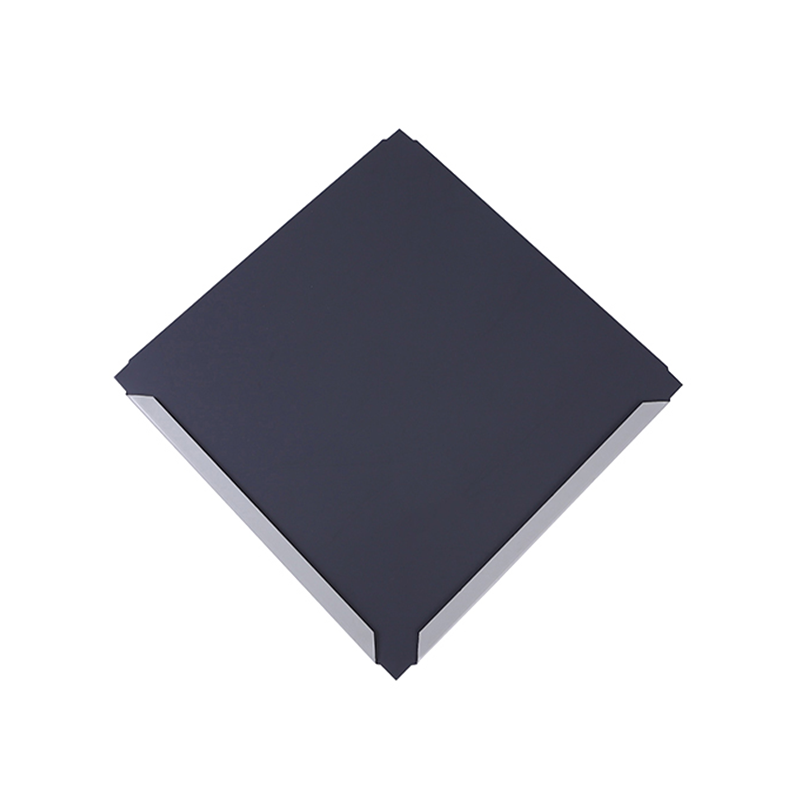
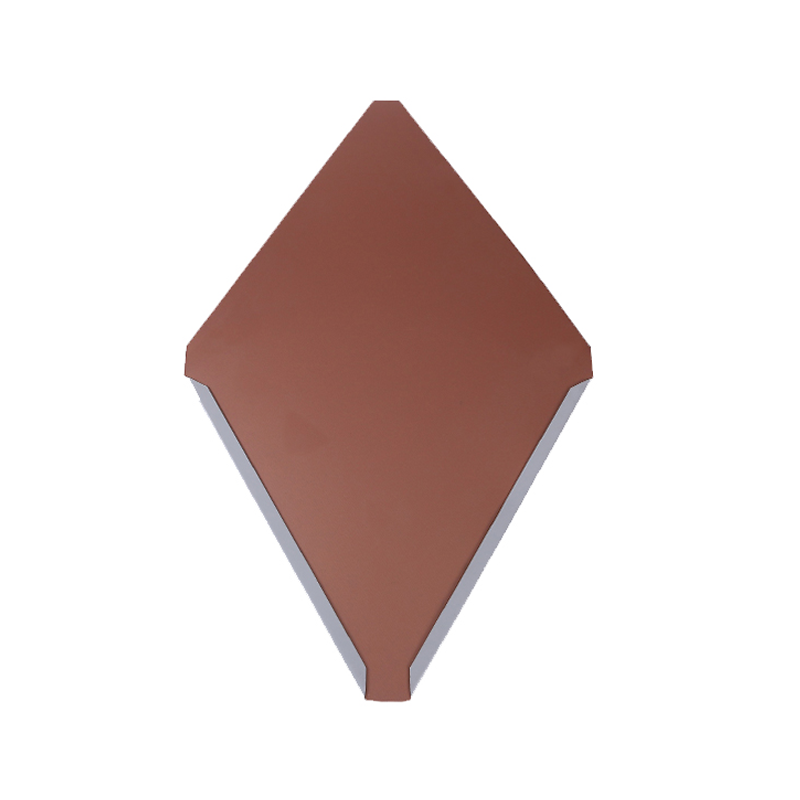
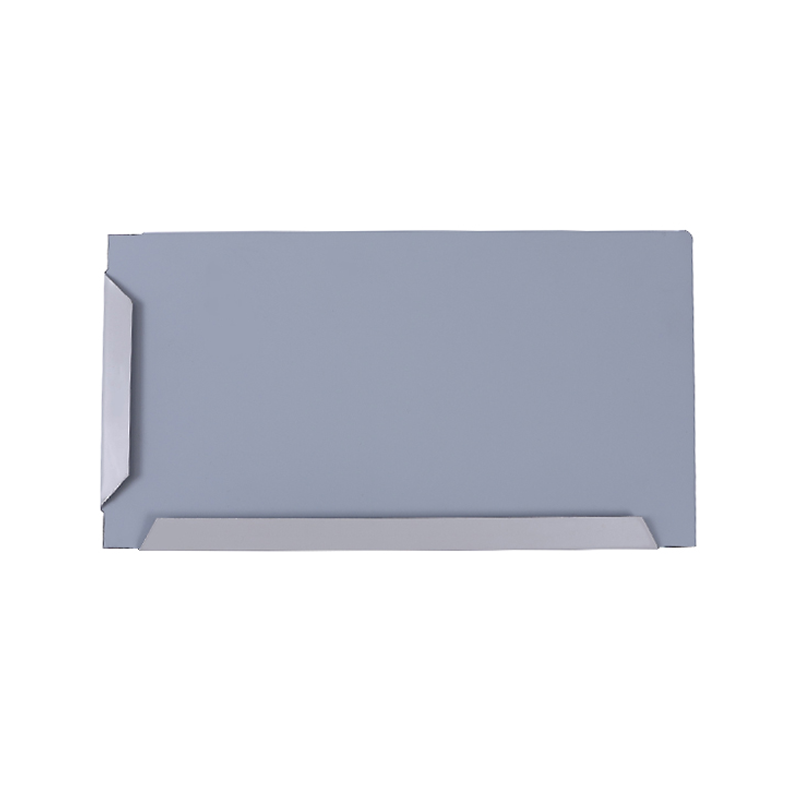

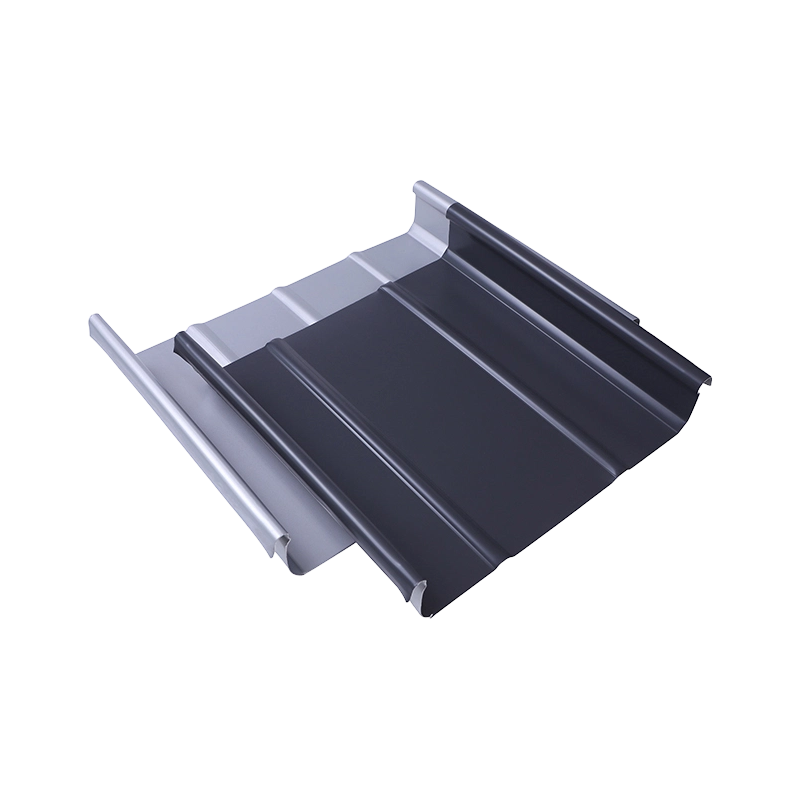
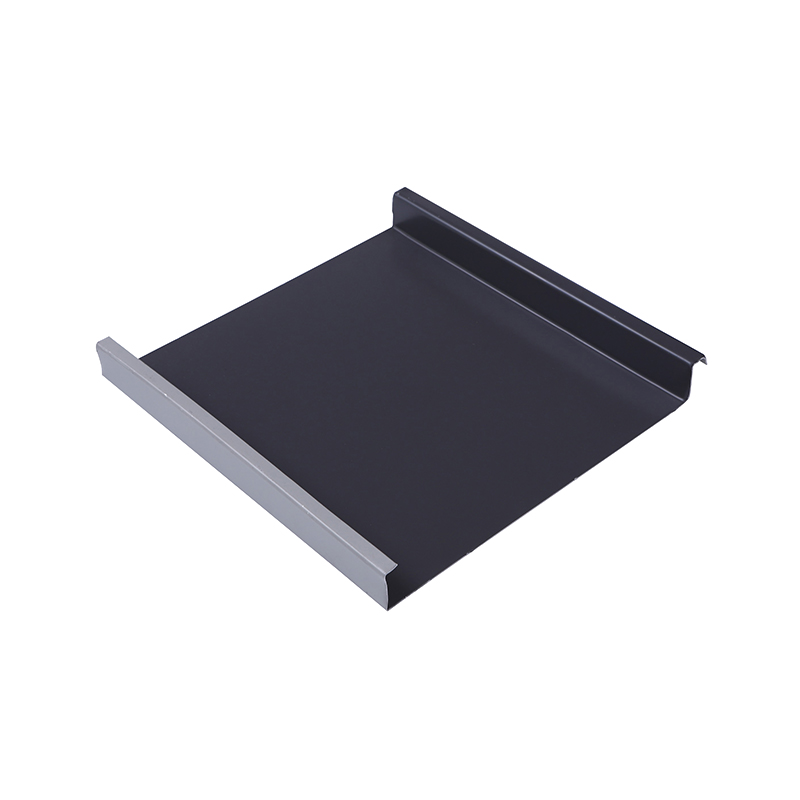
Aluminium shingles roofing is one of those materials that sounds simple until you start comparing profiles, thicknesses, coatings, and fastening methods. A metal shingle is not one product; it is a f...
READ MORE
Company News
Home / News / Company News / Dongyou Corn Station: A New Chapter in Rural Architecture Under Aluminum Roofing Panels
Dongyou Corn Station: A New Chapter in Rural Architecture Under Aluminum Roofing Panels
Update:04 Jun 2026
Nestled amidst verdant mountains and clear waters, a uniquely crafted rural architectural gem lies hidden within thousands of acres of cornfields, embraced by lush greenery. It retains the rustic charm of rammed earth while incorporating the ingenuity of modern construction. Dongyou Town is renowned for its thriving commerce and agriculture, with its corn cultivation being unparalleled in the province, showcasing its status as a major agricultural town. The design and construction team, with extraordinary creativity and exquisite craftsmanship, cleverly integrated modern building materials like aluminum roofing sheets into the ancient rammed earth structure. This serves as a stage for showcasing the corn, a transportation hub, and a warm haven for villagers to rest and chat, weaving together an architectural marvel that is both rustic and modern, practical and beautiful—a new rural + small public building design: the Corn Station.
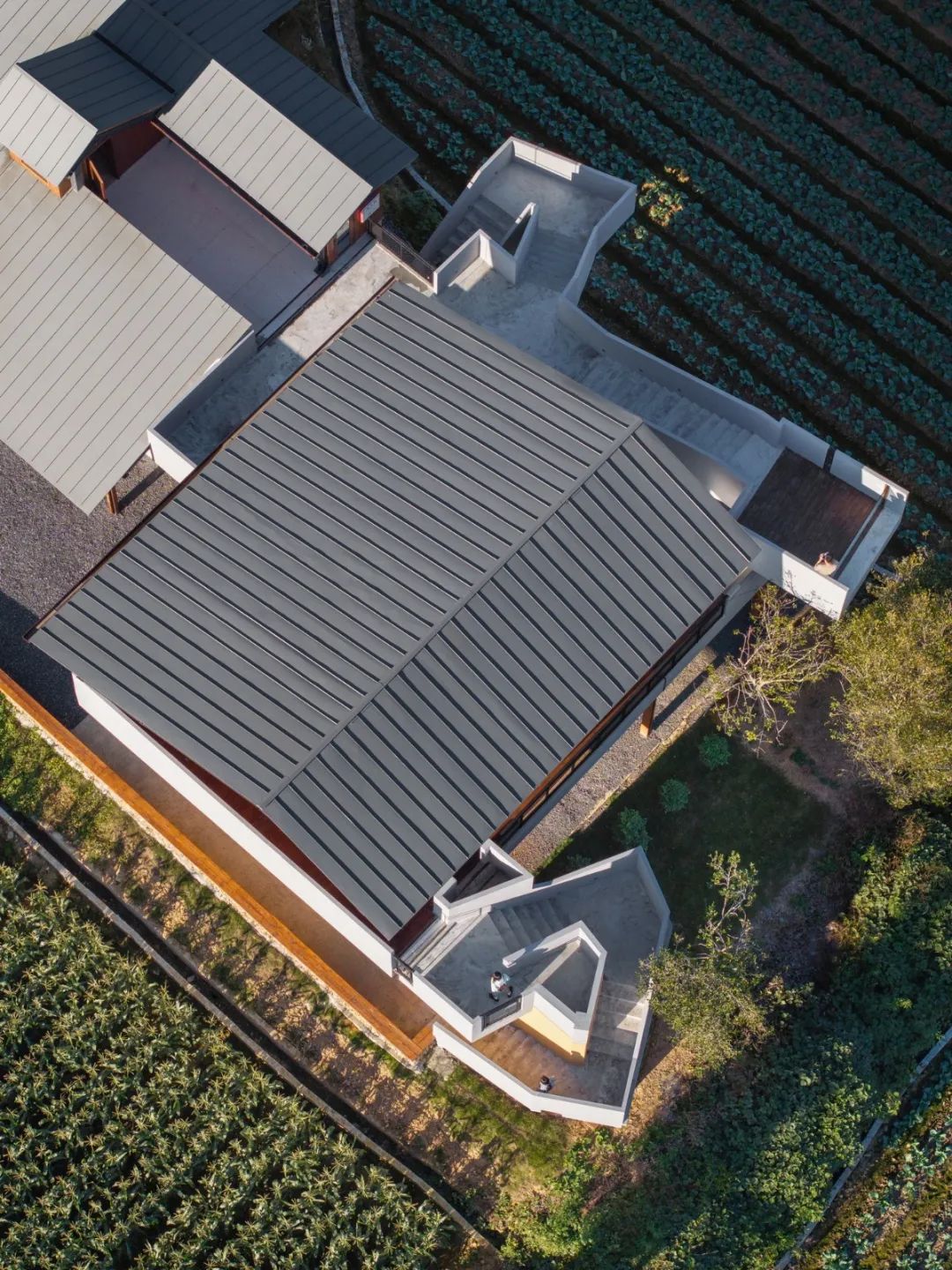
This unique building, nestled in the countryside, blends traditional and modern design concepts. It fully utilizes the site's natural conditions and existing structure, creatively redesigning from the inside out while respecting the original rammed earth architecture. It not only preserves the historical charm of the rammed earth walls but also meticulously constructs a completely new functional system within, making the building seem to have grown naturally from the ancient soil, reborn with new life.
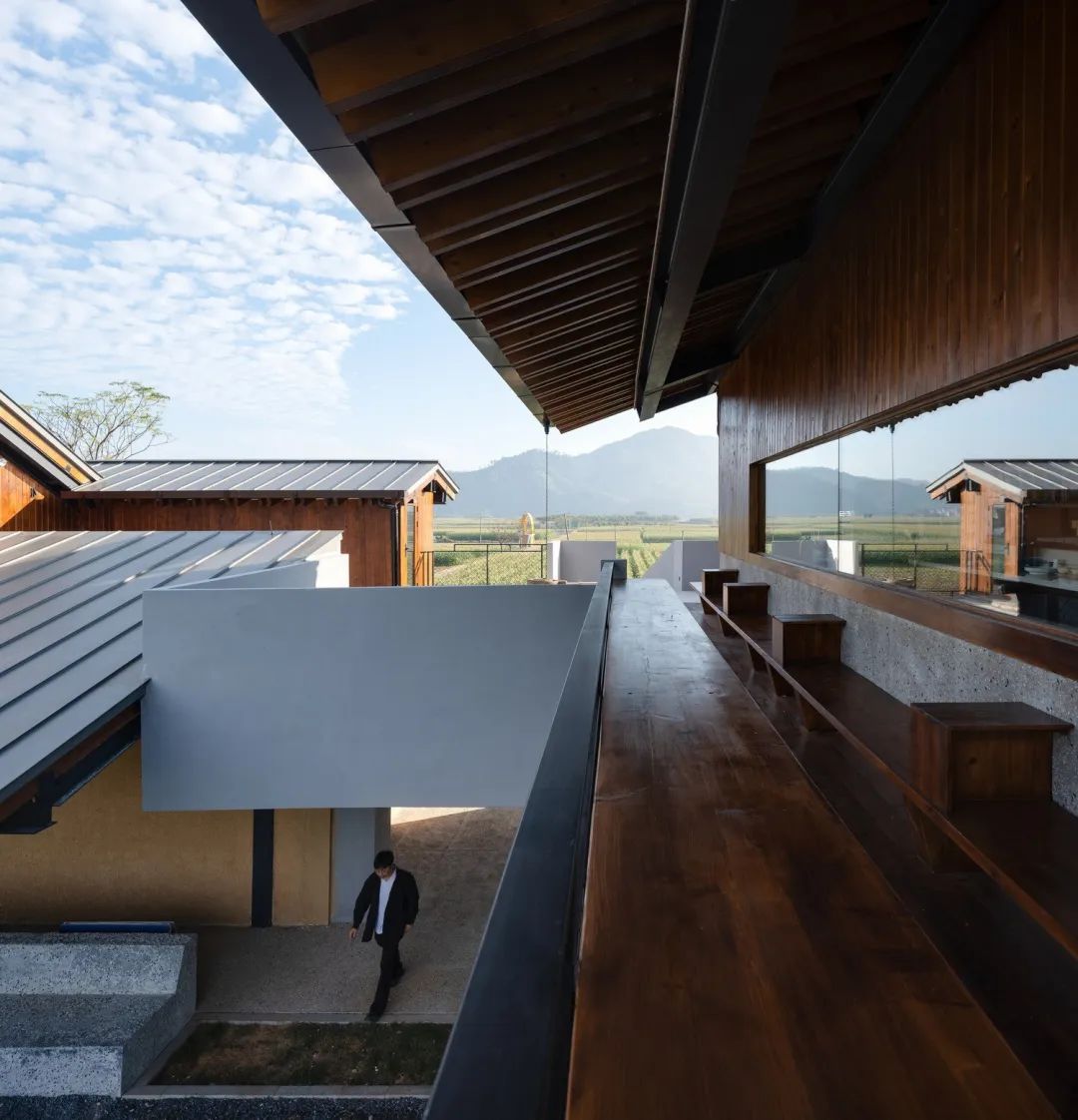
The roof is covered with high-performance aluminum roofing panels. Light yet strong, the aluminum roof, as described in the poem, "Light robes and feathered garments dance gracefully, iron bones stand proudly against the sky." Its bright color reflects the sun and moon, creating a harmonious and beautiful picture with the surrounding green fields. Beneath the roof lies a space where historical memory and future aspirations intertwine. The north exhibition hall and live broadcast room feature a steel structure supporting the framework of modern art; the south research rooms and discussion area showcase a solid and grand concrete structure. These two areas are cleverly connected by a central atrium and a viewing platform, both separated and interconnected, like a well-structured poem.
The aluminum roof's application lies not only in its superior weather resistance and corrosion resistance, but also in its harmonious integration with the overall architectural style. Like an elegant guardian, it quietly protects the stories and dreams of this land. Beneath the roof lies a resting place for villagers after work, a hub for the exchange of brilliant ideas in scientific research, and a perfect spot for tourists to experience rural charm and savor local delicacies.
Furthermore, the aluminum roof's excellent thermal insulation properties provide a comfortable indoor environment for the rest stop. Whether in the sweltering summer or the frigid winter, it maintains a pleasant indoor temperature, making the rest stop an ideal place for villagers to rest after work. Even more commendable is that the use of aluminum-magnesium-manganese roofing has not severed the connection between the rest stop and its surroundings. On the contrary, it integrates the rest stop into this beautiful rural landscape with a more open and inclusive attitude. This makes the rest stop not only an architectural work of art, but also a bridge connecting the past and the future, tradition and modernity.
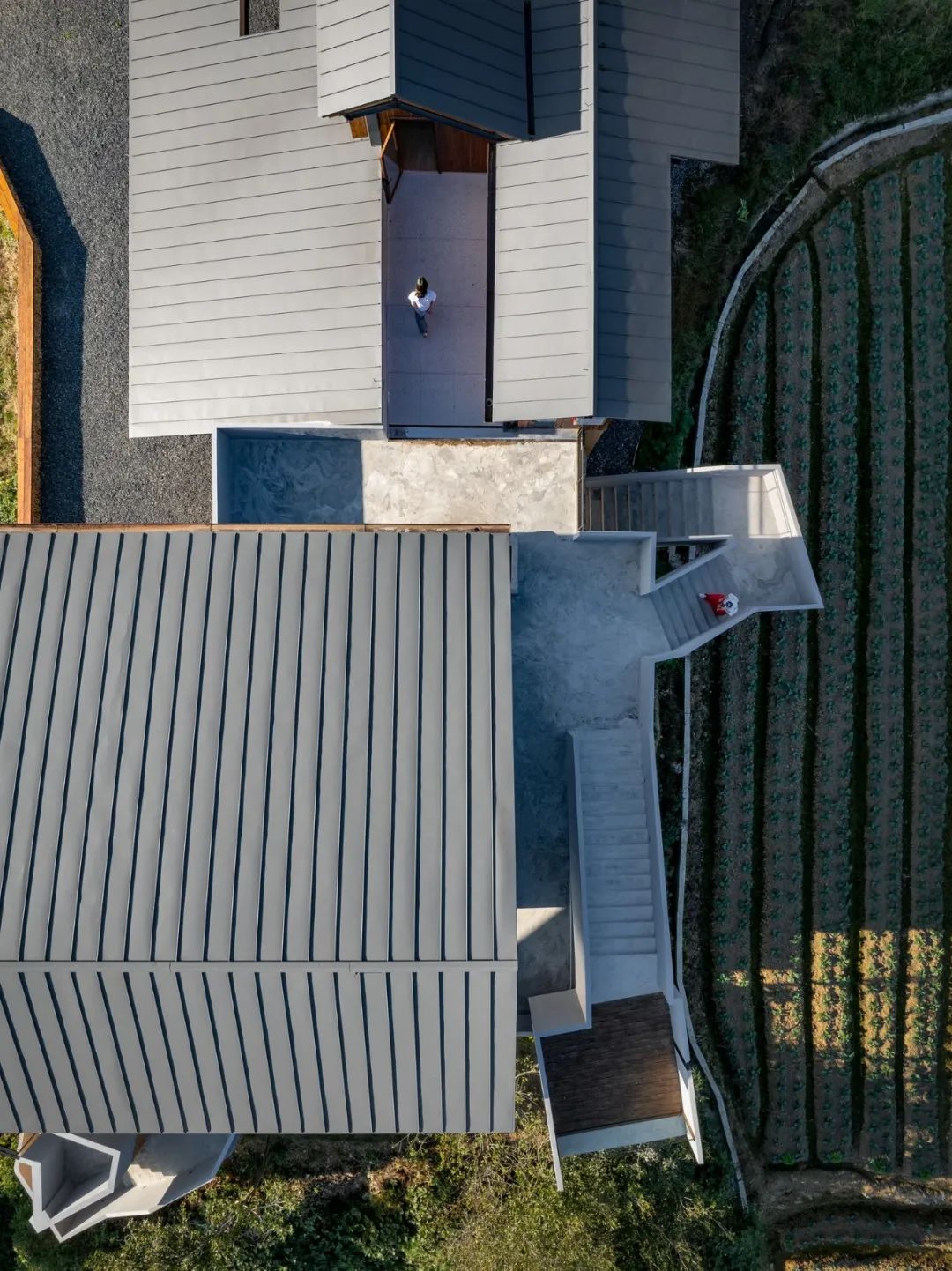
The roof design not only meets the basic needs of sheltering from wind and rain, but also becomes a visual highlight of the station. The selection of aluminum-magnesium-manganese tiles not only enhances the overall texture of the building, but also cleverly incorporates the design intent of the house—a multifunctional space that integrates exhibition, scientific research, publicity and leisure, promoting the exchange of knowledge and the integration of natural experience. "New wine in old bottles, with a unique flavor," the aluminum-magnesium-manganese tile design of the Corn Station not only meets the basic functional needs of the building, but also transcends and sublimates traditional rural architecture on multiple levels such as aesthetics, culture and ecology.
Recommended Products
News
-
-
Your roof is one of the few building components that works for decades without being touched. When you compare the cost of a metal roof with a conventional asphalt shingle roof, the sticker price mak...
READ MORE -
Replacing a roof is one of those decisions most homeowners put off until water stains appear on the ceiling. Once the shingles start curling or losing granules, the question becomes whether to re-shi...
READ MORE -
A science museum project featuring Donghong Metal's aluminum-magnesium-manganese fish-scale roof tiles, together with full technical support from our team, has recently been completed. Covering roughl...
READ MORE

 DOWNLOAD
Copyright © Suzhou Donghong Metal Materials Technology Co., Ltd.
All Rights Reserved.
 Custom Metal Roofing Sheets Manufacturers
Custom Metal Roofing Sheets Manufacturers


QUICK LINKS
PRODUCT
CONTACT US
-
 Email: DonghongMetal@outlook.com
 -
 WahtsApp: +86 18036113307
 -
 Mobile Phone: +86-185 5030 2515
 -
 WhatsApp Business: 852-55025164
 -
 Address: No. 16 Hongyun Road, Fuqiao Town, Taicang City, Suzhou, Jiangsu Province, China