LANGUAGE
 English
 Español
 عربى
عربى
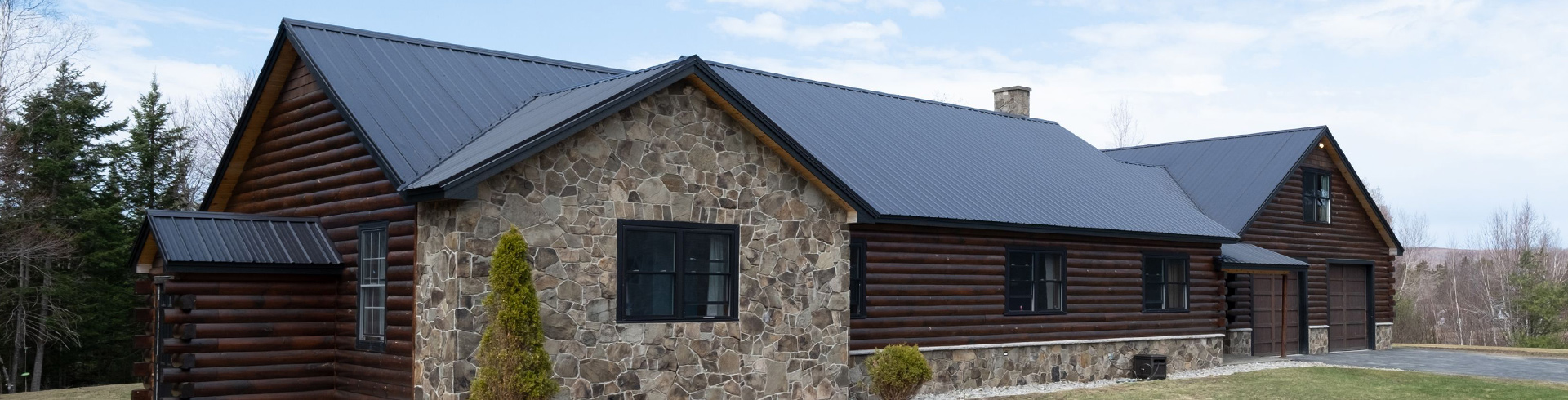
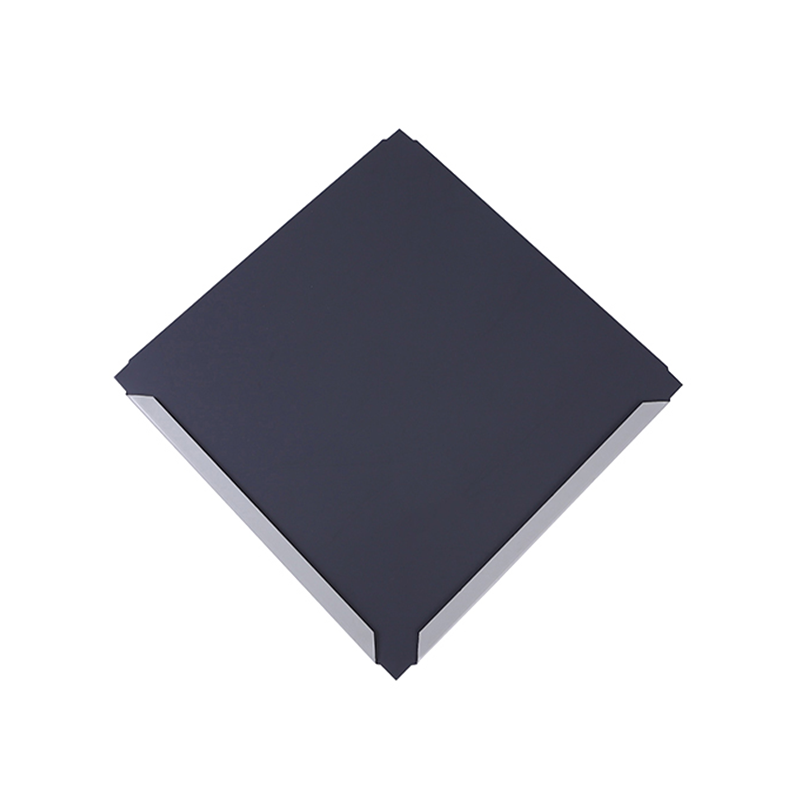
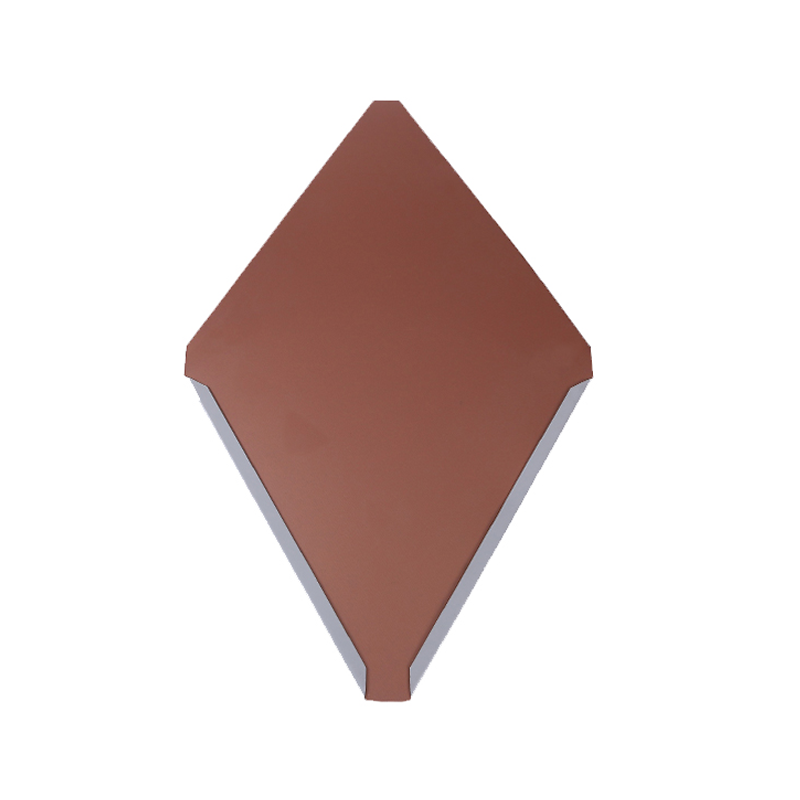
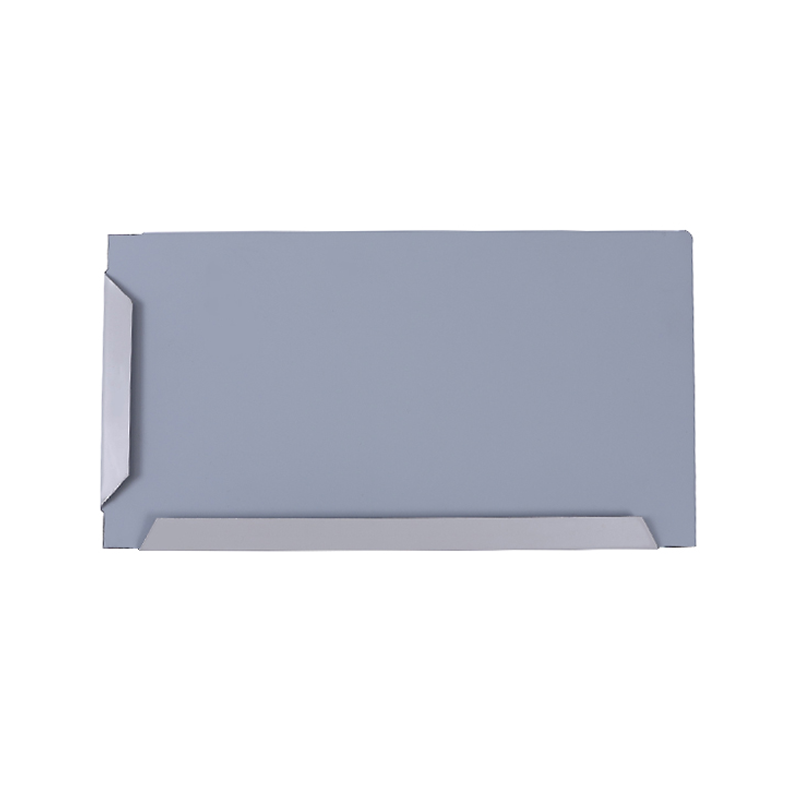

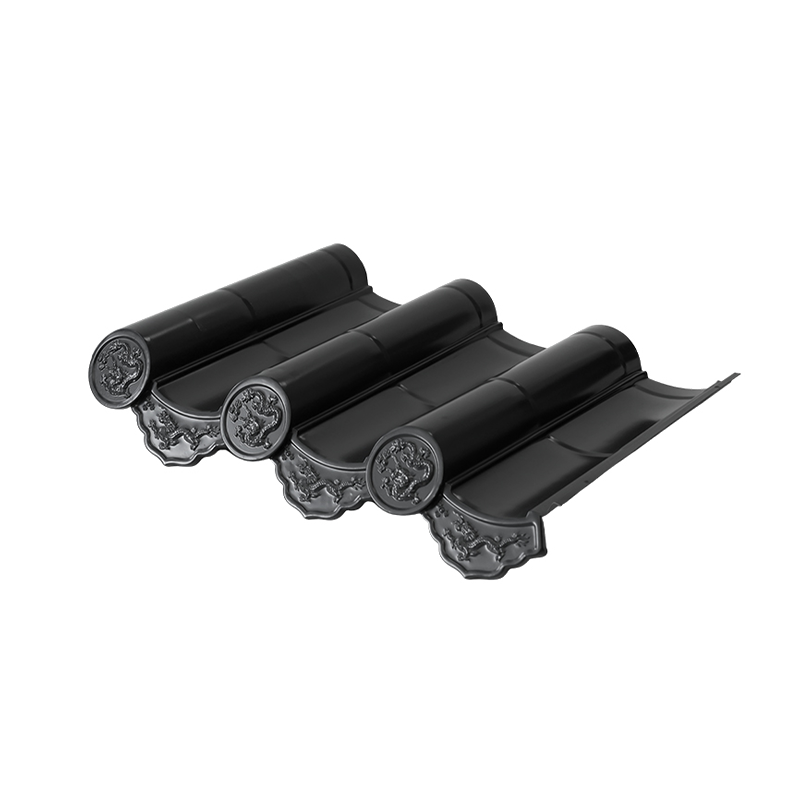
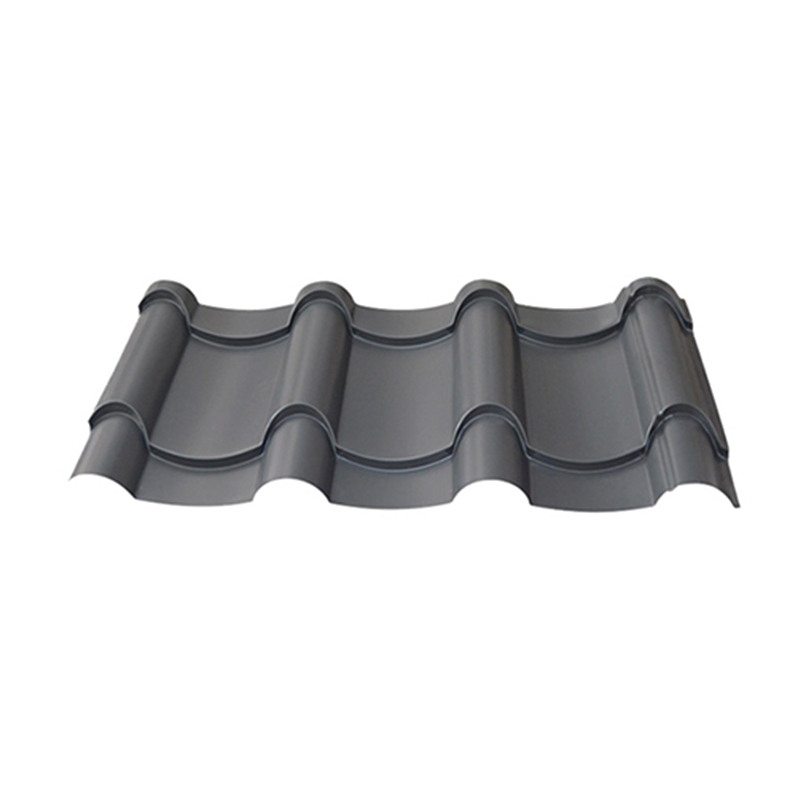
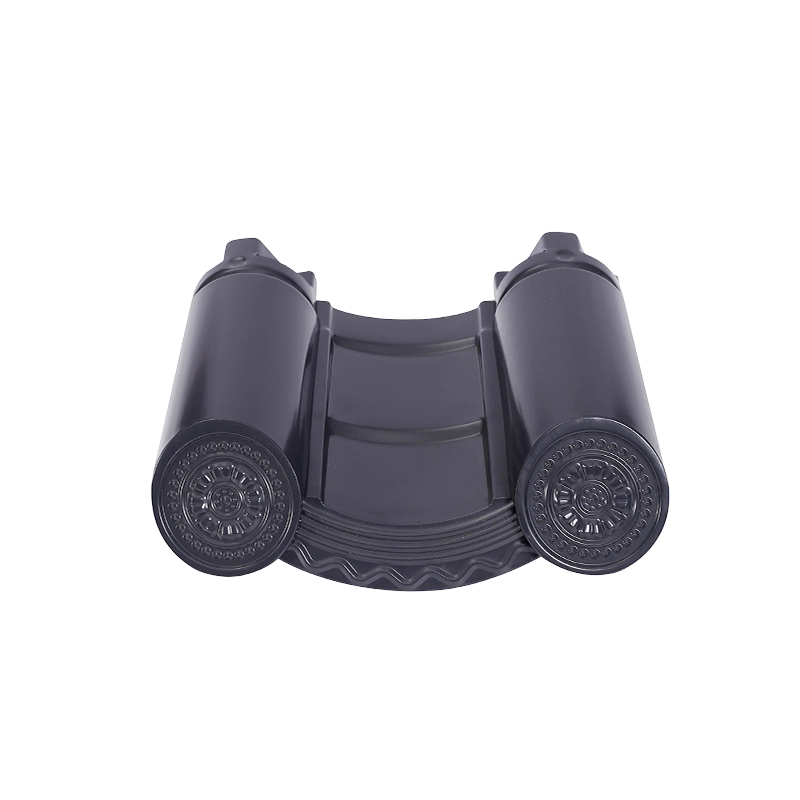
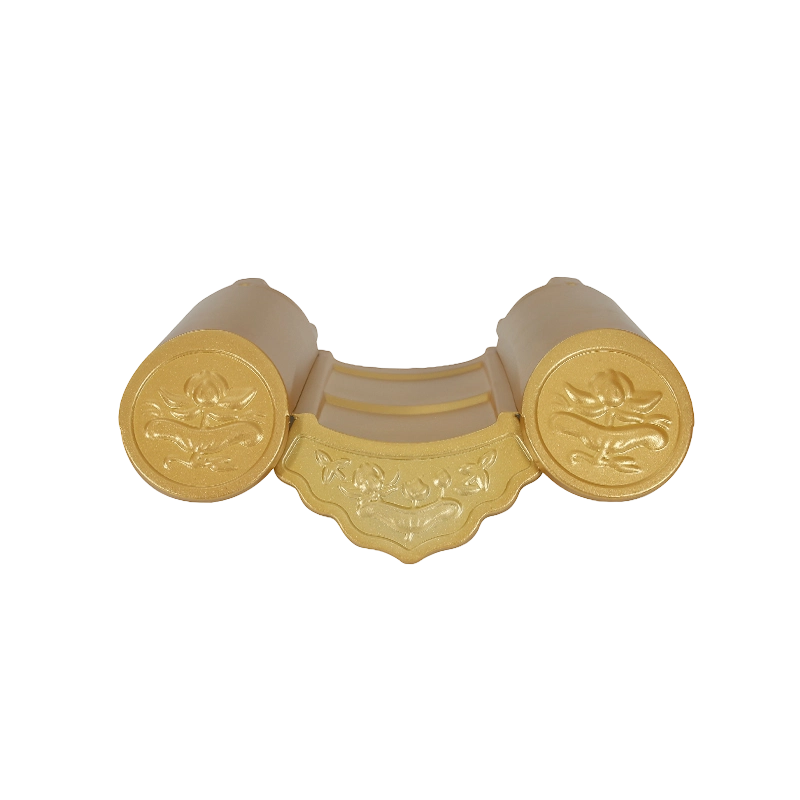
Modern Architectural Roofing Specifications
| Item | Typical Range / Option |
| Common base materials | Aluminum alloy, aluminum-magnesium-manganese, titanium zinc |
| Common profiles | Standing seam, flat lock, minimal-reveal panel systems |
| Typical thickness | 0.7mm - 1.0mm depending on material and panel size |
| Finish options | Matte, low-gloss PVDF coating or natural titanium zinc finish for a contemporary look |
| Color palette | Charcoal, dark gray, black, and other restrained monochromatic tones common in modern design |
| Seam visibility | Minimal-reveal seam options available for an especially clean, unbroken surface appearance |
| Typical applications | Contemporary residences, commercial buildings, institutional architecture |
| Panel size flexibility | Larger panel widths available for a more monolithic, minimal-seam appearance |
For projects specifically prioritizing an ultra-clean, minimal-seam appearance, we recommend discussing larger panel width options with our technical team, since a wider panel reduces the total number of visible seam lines across a given roof area, which can meaningfully enhance the clean, monolithic surface quality that many modern architectural designs specifically aim to achieve.
We also recommend considering how the roofline will be photographed and presented in marketing materials for the project, since modern architectural buildings are frequently featured prominently in publications and social media, and a genuinely clean, well-executed roofline meaningfully strengthens these visual presentations of the finished building.
We encourage architects to discuss this photographic and presentation consideration directly with our technical team during specification.
We are glad to review specific marketing or presentation requirements directly with an architect's design team during the specification stage.
Please share any specific requirements during your initial technical consultation with our team.
Pricing Structure and Minimum Order Quantity
Modern architectural roofing pricing follows our standard per-square-meter approach based on the selected material, panel width, thickness, and coating, with titanium zinc and aluminum-magnesium-manganese typically representing a moderate premium over standard aluminum alloy, reflecting these materials' particular suitability for the minimal, precisely detailed seam work that modern architectural design often specifically requires.
Minimum order quantity is assessed on a per-project basis, and we can accommodate both smaller contemporary residential projects and larger commercial or institutional buildings pursuing this same clean-lined aesthetic. We provide itemized quotations that clearly reflect any premium associated with wider panel widths or minimal-reveal seam options specifically requested for an especially monolithic appearance.
For architects managing a design that balances contemporary aesthetic ambition against a defined project budget, we can prepare comparative pricing across a few different material and panel-width combinations, helping the design team understand the specific cost implications of pursuing an especially minimal, wide-panel appearance versus a more standard panel width that still achieves a broadly modern aesthetic at somewhat lower cost.
We also recognize that some contemporary projects specifically want to combine a modern material like titanium zinc with more budget-conscious aluminum sections on less visible parts of the same building, and we are glad to prepare a mixed-material quotation that achieves the desired premium appearance where it matters most while managing overall project cost.
We find this mixed-material approach often delivers the best balance of visual impact and overall project cost efficiency.
This approach helps ensure every dollar of the roofing budget is spent where it delivers the most visual impact for the project.
Manufacturing Capacity and Lead Time
Modern architectural roofing panels are produced across our 12 automated production lines at our 10,000㎡ Taicang, Suzhou facility, with our standard aluminum alloy standing seam and flat lock production capable of efficiently producing the clean, minimal-detail profiles this aesthetic typically requires.
Lead time depends on material, panel width, thickness, and color selection, with standard panel widths and stock dark or neutral colors generally moving through production faster than custom wider panels or non-standard color matching. For projects specifically requiring minimal-reveal seam configurations, we recommend confirming this detail early, since it may require specific tooling not used on our standard seam configurations.
For contemporary residential and commercial projects on a defined construction schedule, we aim to provide realistic, specific lead-time commitments once the final panel width, material, and color are confirmed, and communicate proactively regarding any factor that could affect that timeline.
We also maintain the flexibility to prioritize smaller modern residential orders alongside larger institutional projects within our production queue, recognizing that a single architecturally ambitious home deserves the same production care and attention as a much larger commercial building pursuing the same aesthetic goals.
We also provide status updates at key production milestones for modern architectural orders, giving architects visibility into progress without needing to proactively request an update themselves.
We find this proactive update approach particularly valued by architects managing multiple concurrent projects and vendor relationships.
We tailor our update frequency to match what each specific project team finds most useful throughout the production timeline.
Trade Terms, Payment and Compliance
Modern architectural roofing projects are supported under our standard international trade terms, including FOB, CIF, and DDP where appropriate, with payment generally following standard practice of a deposit before production and balance due before or against shipping documents.
Because modern architectural buildings span a wide range of project types and jurisdictions, buyers should confirm any local building codes or documentation requirements specific to their project type and location, since these requirements are generally consistent with standard commercial or residential construction regardless of the specific aesthetic direction chosen for the roofing.
Standard export documentation, including commercial invoices, packing lists, and certificates of origin, is provided as a matter of course, and material certification covering alloy composition can be supplied for the chosen roofing material.
We also recognize that some contemporary buildings pursue formal green building certification, and we are glad to provide material composition and recyclability documentation to support a project's specific certification requirements where these are identified early in the process.
We also recommend confirming any homeowners' association or local design review board requirements relevant to color and material choices for residential contemporary projects in certain planned communities.
We recommend confirming any such requirements before finalizing a color or material selection to avoid later complications.
We are glad to help gather any specific documentation a design review board might request as part of their approval process.
Our team is glad to assist with this documentation gathering process whenever needed.
Our team is glad to assist with gathering any specific documentation your project's review process might additionally require.
Frequently Asked Questions About Modern Architectural Roofing
What material gives the cleanest, most minimal roofline appearance? Titanium zinc and aluminum-magnesium-manganese standing seam systems with wider panel widths and minimal-reveal seam options generally achieve the cleanest, most monolithic contemporary appearance.
Can you offer wider panels to reduce the number of visible seams? Yes, wider panel widths are available for projects specifically seeking to minimize visible seam lines across the roof surface for a cleaner appearance.
What colors work best for a modern architectural roof? Charcoal, dark gray, black, and other restrained monochromatic tones are most commonly specified for contemporary architectural roofing.
Is a matte or glossy finish more suitable for modern design? Matte or low-gloss finishes are generally preferred for contemporary architectural roofing, as they tend to read as more refined and understated than a high-gloss finish.
Can this style be applied to a smaller residential project, not just large commercial buildings? Yes, we work with contemporary residential projects of any scale, applying the same clean-lined design principles regardless of project size.
How does titanium zinc compare to aluminum for a modern roofline? Titanium zinc offers a distinctively refined, understated gray tone often favored for high-end contemporary design, while aluminum alloy offers a more cost-effective route to a similarly clean, modern appearance.
Can I mix titanium zinc on the roof with a different material on the walls? Yes, mixed-material facade and roof combinations are common in contemporary design, and we can advise on coordinating these different materials visually.
Do you offer minimal-reveal seam options as standard, or only on request? These are available on request; please let our team know if your project specifically requires this especially clean seam appearance.



 DOWNLOAD