LANGUAGE
 English
 Español
 عربى
عربى
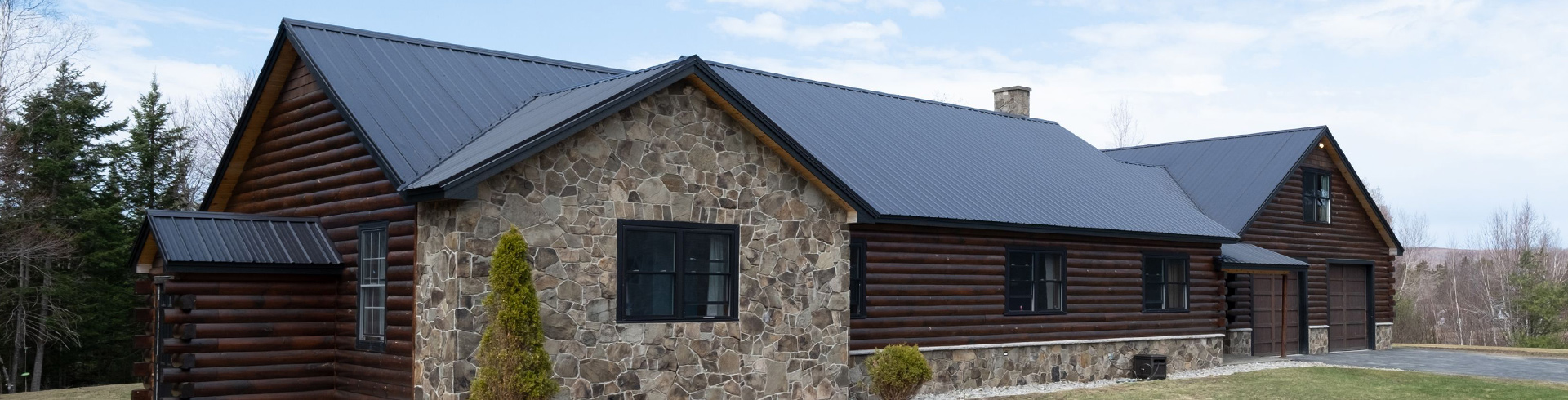
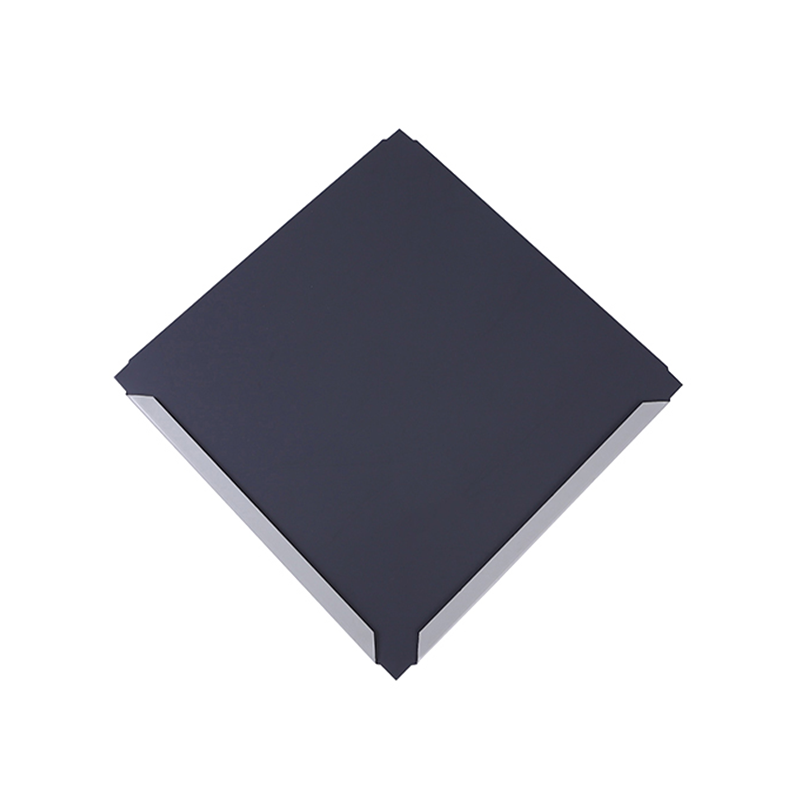
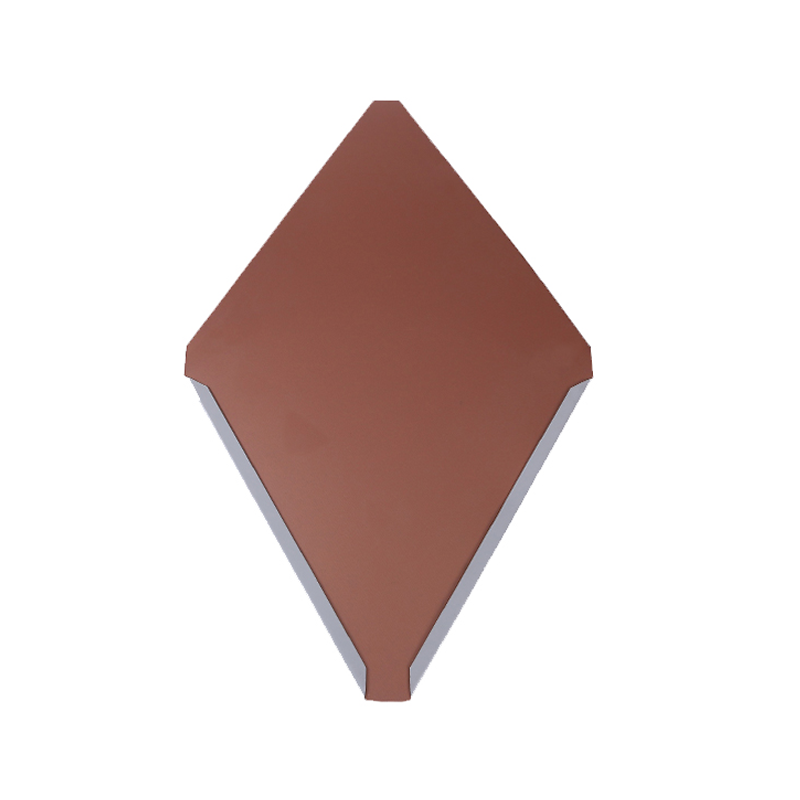
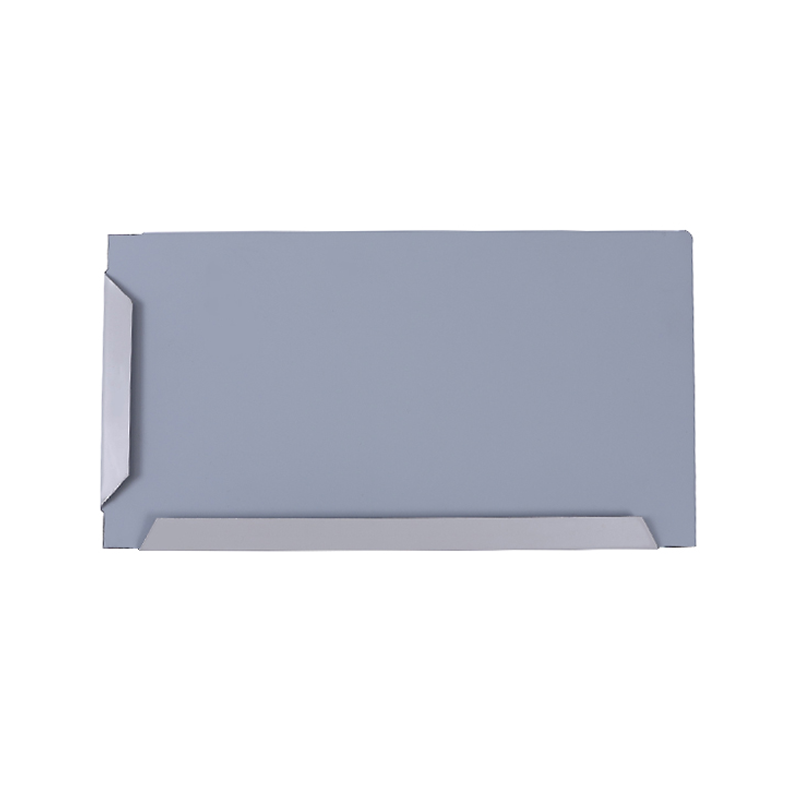

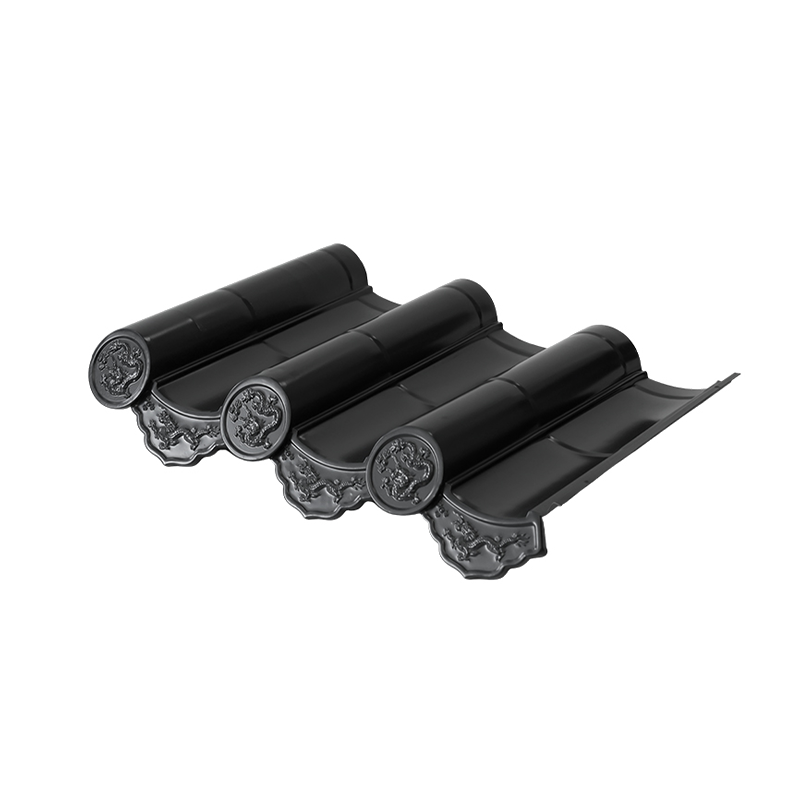
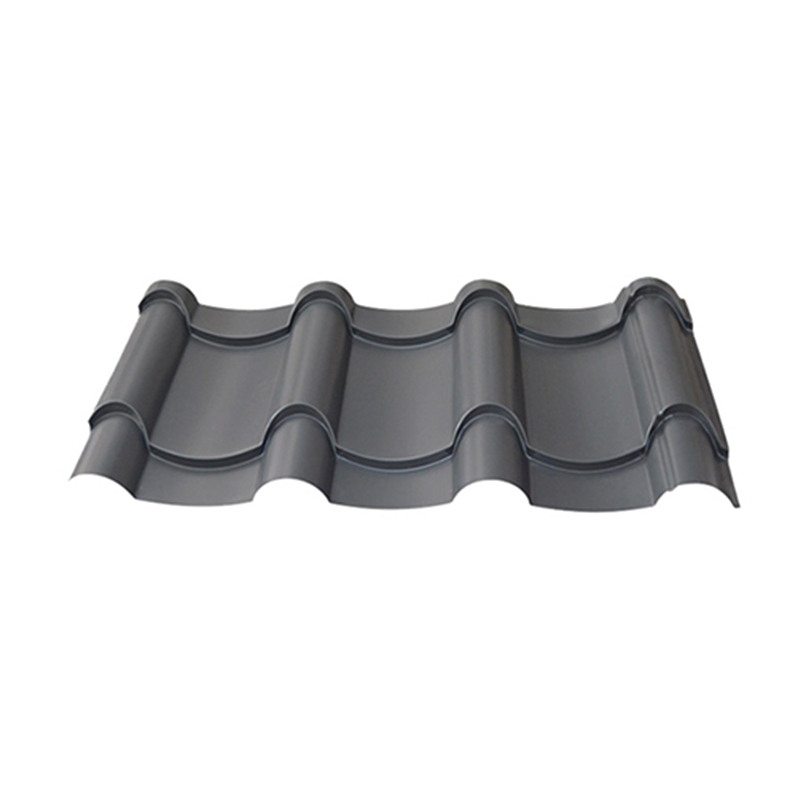
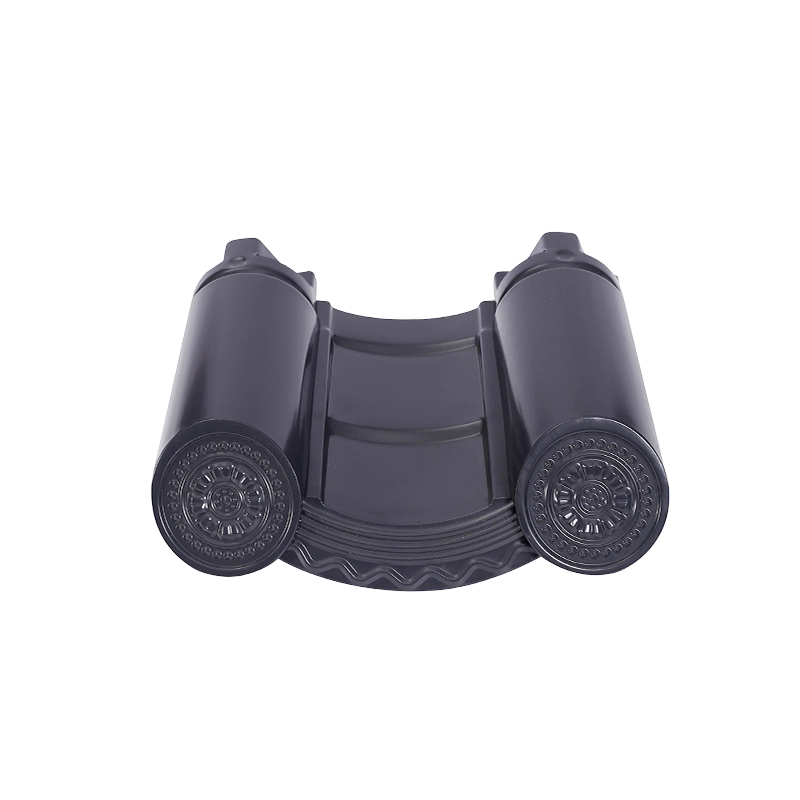
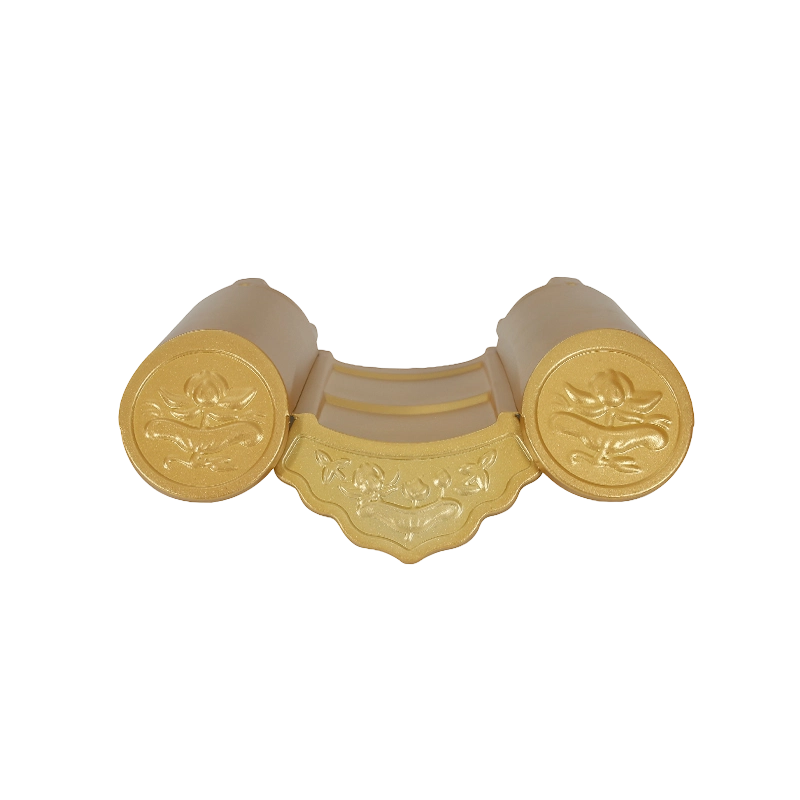
Hotel & Resort Roofing Specifications
| Item | Typical Range / Option |
| Common base materials | Aluminum alloy, aluminum-magnesium-manganese, Galvalume steel |
| Common profiles | Standing seam, flat lock, barrel tile, fish-scale tile |
| Typical thickness | 0.7mm - 1.2mm depending on material, profile, and roof scale |
| Coating | PVDF fluorocarbon coating recommended for coastal or high-UV resort locations |
| Color options | Full RAL color chart plus Donghong signature colors |
| Typical project scale | Ranges from boutique properties to large multi-building resort complexes |
| Wind performance considerations | Seam and clip specification adjusted for coastal or high-wind resort sites |
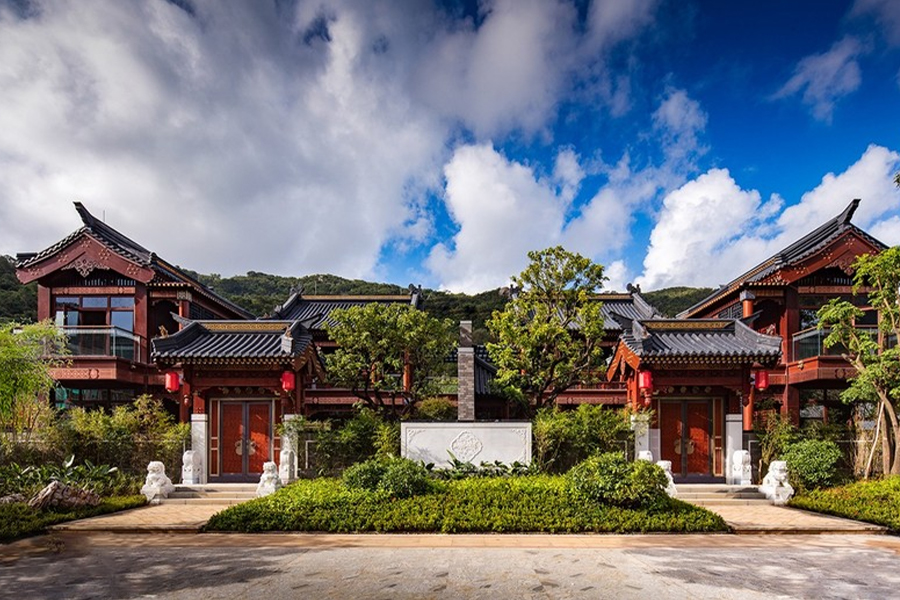
| Style matching | European-style, tropical, modern, and heritage-influenced profile options available |
For hotel and resort projects specifically, we recommend confirming the destination's climate profile (coastal salt exposure, tropical humidity, high-UV intensity, or seasonal typhoon and hurricane risk) early in the specification process, since this directly informs both the base material recommendation and the coating system best suited to protect the finished appearance across the property's expected multi-decade operating life without requiring premature repainting or panel replacement.
We also recommend confirming acoustic performance expectations where relevant, since some hospitality buildings — particularly those with guest rooms directly beneath the roof deck — benefit from an insulated roofing assembly that reduces rain noise, a detail worth raising with our technical team alongside the core material and coating specification.
Buyers should also confirm expected snow or heavy rainfall loading for mountain or highland resort locations, since this can affect recommended panel thickness and seam spacing in ways that differ from a typical beachfront or urban hospitality property, and our technical team is glad to factor this into the final specification recommendation.
Pricing Structure and Minimum Order Quantity
Hotel and resort roofing pricing follows our standard per-square-meter approach, varying by base material, thickness, coating, and total roof area, with multi-building resort complexes generally qualifying for the more favorable volume-based pricing tiers available on larger orders. Because hospitality developers are often managing a broader construction budget across many building systems simultaneously, we provide itemized quotations that clearly separate panel cost from matched accessories, helping the roofing line item integrate cleanly into a larger project cost model reviewed by ownership or lenders.
Minimum order quantity is generally accommodating for hotel projects, since even boutique properties typically involve enough roof area to meet efficient production thresholds, and larger resort complexes with multiple buildings can benefit from tiered pricing across the full project scope even if phased across several construction stages. We recommend confirming total project scope upfront, even if construction is phased, since pricing consistency and color-batch matching are easier to guarantee when we know the full anticipated order volume from the outset rather than treating each phase as an independent, unrelated order.
For hospitality developers evaluating multiple material options against a defined project budget, we can prepare comparative quotations across two or three material or coating combinations, which is often useful for balancing the architect's design preference against the ownership group's long-term maintenance budget and expected building lifespan targets for the property.
For resort developments spanning several years of phased construction, we can also hold indicative pricing guidance across the project's expected build-out period, helping ownership groups plan long-range capital budgets even though final pricing for later phases will always be confirmed closer to each phase's actual order date.
Manufacturing Capacity and Lead Time
Hotel and resort roofing orders are produced across our 12 automated production lines at our 10,000㎡ Taicang, Suzhou facility, giving us the flexibility to support both boutique single-building properties and large multi-building resort complexes without one order type creating scheduling conflicts for another. Given that hospitality construction projects frequently involve coordinated opening dates tied to marketing and booking commitments, we understand that roofing delivery timing can carry unusually high schedule sensitivity compared to some other commercial building types.
Lead time depends on material, profile, thickness, and color selection, with stock colors and standard configurations generally moving through production faster than custom color matching to a specific brand or design palette. For large resort complexes constructed in phases, we support phased production and shipment aligned with the property's construction and opening sequence, allowing roofing material for an initial phase or building to be delivered while later phases remain in production.
Our location adjacent to Shanghai's port infrastructure and the broader Yangtze River Delta logistics network supports efficient export shipping to hospitality destinations worldwide, including island and coastal resort locations that may require additional inland or inter-island logistics coordination beyond the main port of entry. We are glad to discuss destination-specific logistics considerations with a developer's project management team as part of the overall delivery planning process.
We also maintain open communication with a project's general contractor throughout the production period, providing periodic status updates rather than requiring the contractor to proactively request them, which helps hospitality project managers keep their broader construction schedule, sequencing multiple trades, accurately updated as the roofing order progresses toward delivery.
Trade Terms, Payment and Compliance
Hospitality projects are supported under our standard range of international trade terms — FOB, CIF, and DDP where appropriate — with payment generally following standard practice of a deposit before production and balance due before or against shipping documents, and letter of credit arrangements available for larger resort developments where the developer's financing structure requires it. Given that many hospitality destinations are coastal or island locations, we recommend confirming the most practical port of entry and any inter-island or inland logistics arrangement early in the planning process.
Because hotel and resort construction is frequently subject to local building codes, hospitality-sector fire safety standards, and in some cases specific import requirements for tourism-zone development, we encourage developers to confirm these requirements with their local architect or compliance consultant early, so any documentation needs can be addressed at the quotation stage rather than discovered later in the process. We can supply commercial invoices, packing lists, certificates of origin, and mill test certificates as standard, with additional documentation prepared where specific requirements are identified in advance.
We recommend hospitality developers loop in their project's compliance or permitting consultant early when a property is located in a jurisdiction with specific tourism-zone or coastal-development import and building material requirements, since these can differ meaningfully from standard commercial building requirements in ways that are easier to plan for upfront than to resolve after material has already shipped.
For resort developments involving multiple international investors or lenders, we can also prepare documentation packages formatted to support the kind of financial and technical due diligence often required before construction financing is released for a hospitality development.
Frequently Asked Questions About Hotel & Resort Roofing
What roofing material is best for a coastal resort? Aluminum alloy is generally well suited to coastal resort environments due to its natural corrosion resistance; PVDF coating is recommended to protect color and gloss under intense sun and salt exposure over the property's operating life.
Can you match a resort's specific brand color? Yes, custom color matching against the full RAL chart or a brand-specific reference is available, though custom colors generally require additional lead time compared to our stock color range.
How do you handle multi-building resort projects built in phases? We support phased production and shipment aligned with a resort's construction sequence, and recommend confirming total project scope upfront even when construction is phased, to help ensure consistent color-batch matching across all buildings.
Is your roofing suitable for typhoon or hurricane-prone destinations? Seam and clip specifications can be adjusted for high-wind coastal sites; sharing the destination and expected wind exposure with our team allows us to recommend an appropriate configuration.
Can you support a tight construction schedule tied to a hotel opening date? Yes, we prioritize proactive communication on production status for schedule-sensitive hospitality projects and can discuss phased shipment to help meet a fixed opening date where possible.
Do you offer different profiles for different hospitality architectural styles? Yes, we supply standing seam, flat lock, and tile profiles suited to tropical, modern, European-influenced, and other hospitality design styles.
Do you work with hospitality management groups that operate properties across multiple countries? Yes, we support both individual property developers and larger hospitality groups managing multiple resort locations, and can maintain consistent specification records across a brand's various properties.



 DOWNLOAD