LANGUAGE
 English
 Español
 عربى
عربى
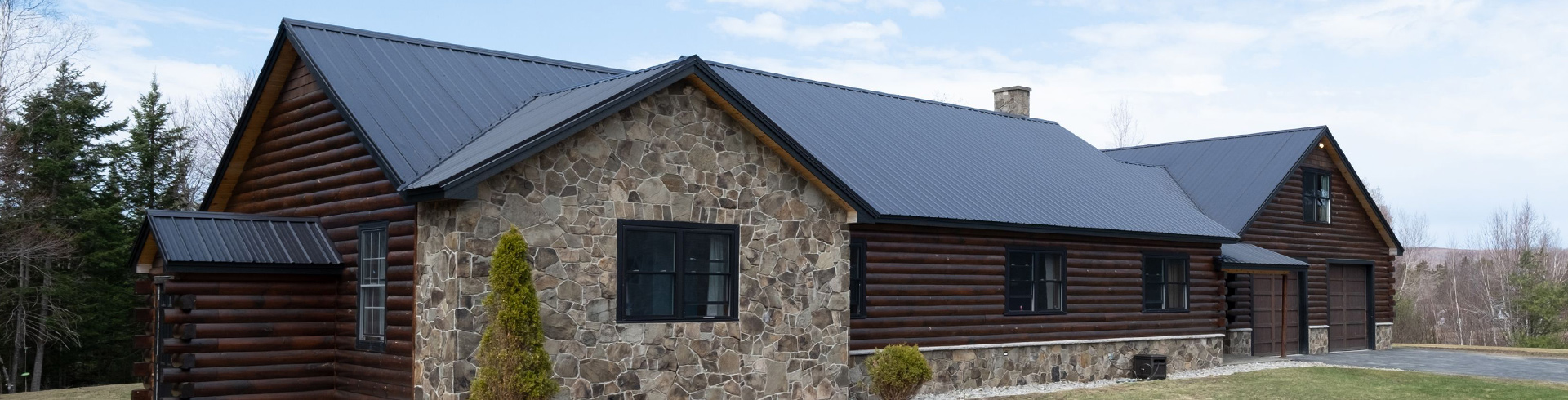
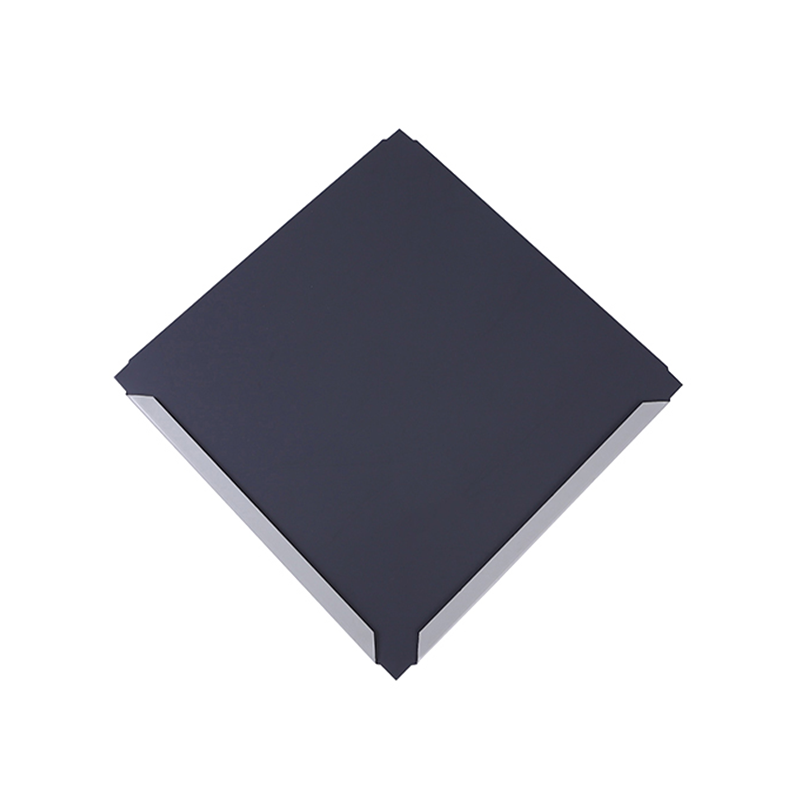
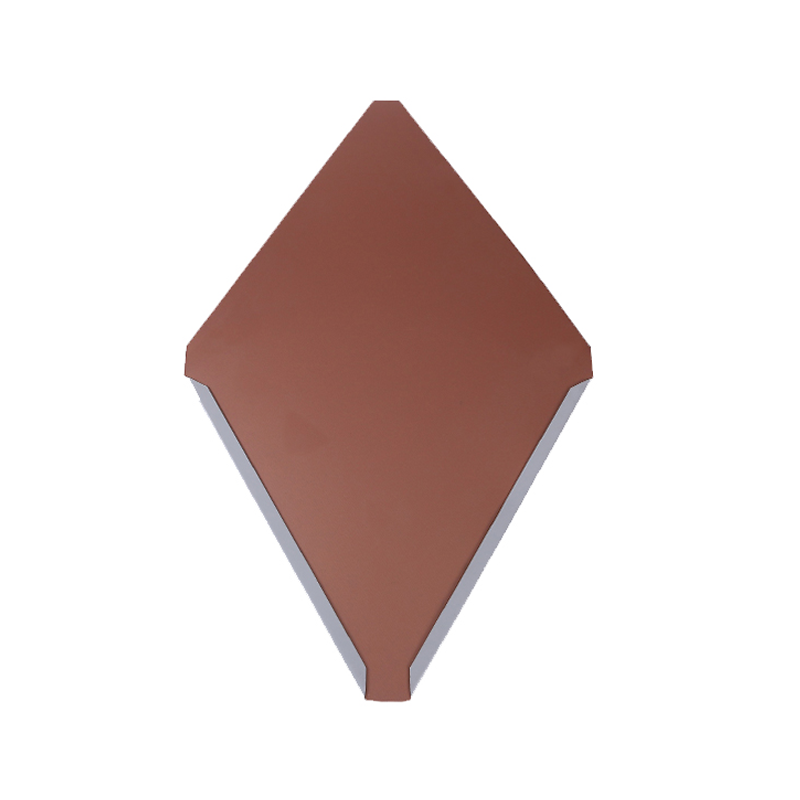
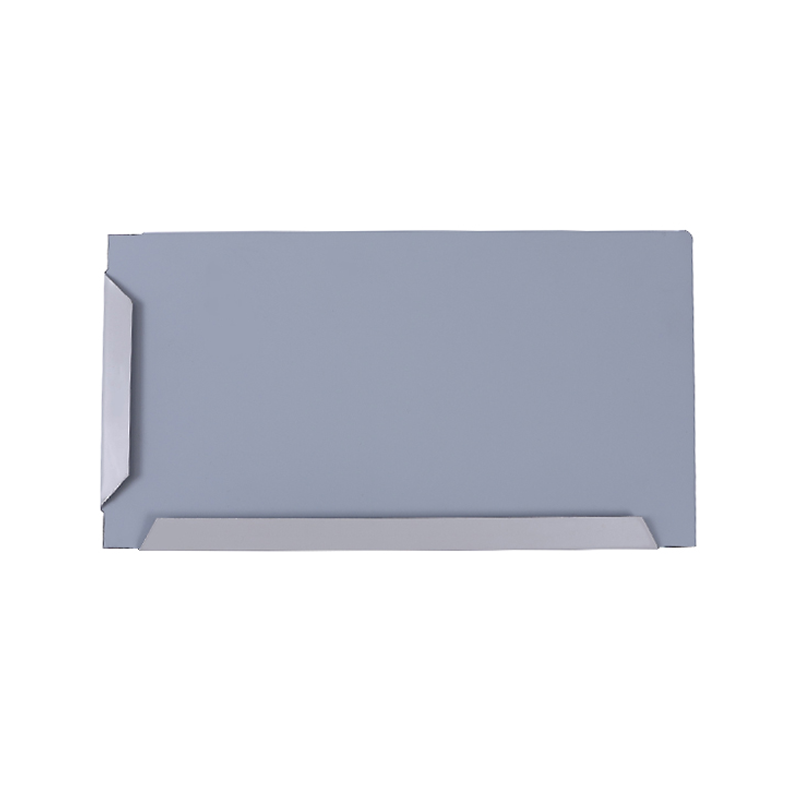

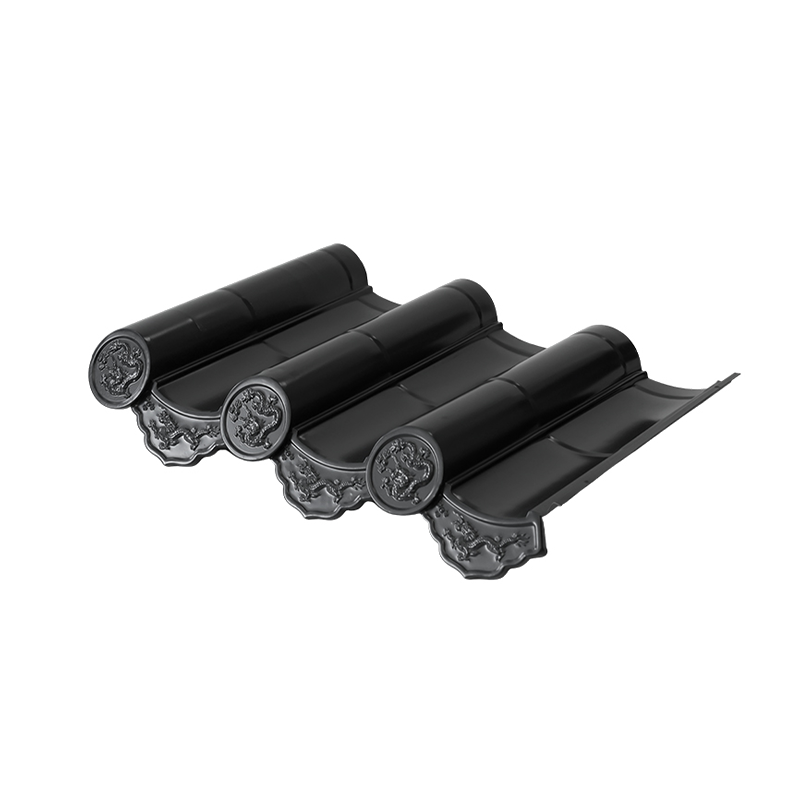
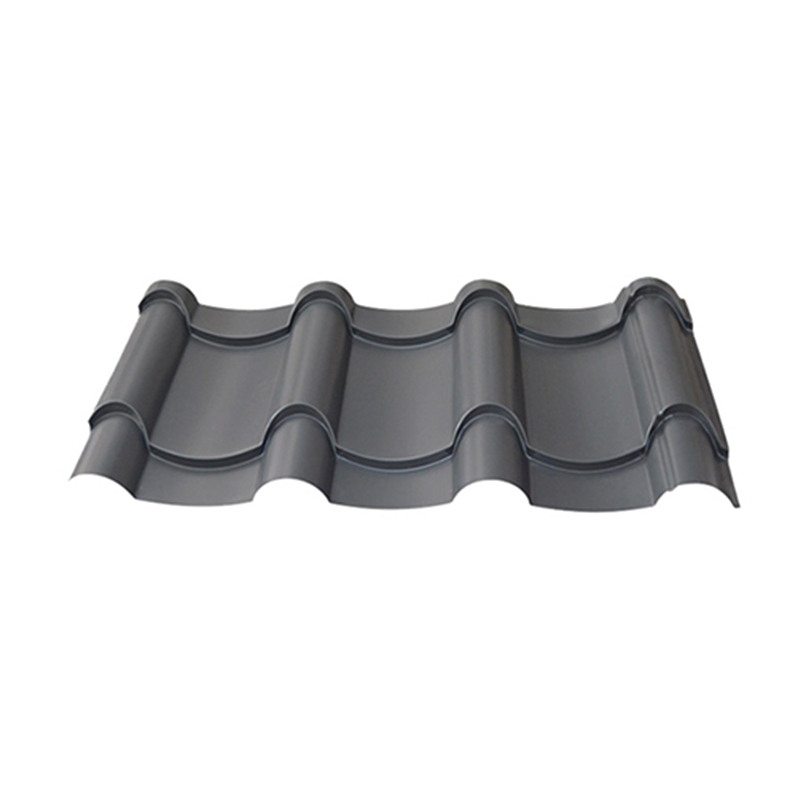
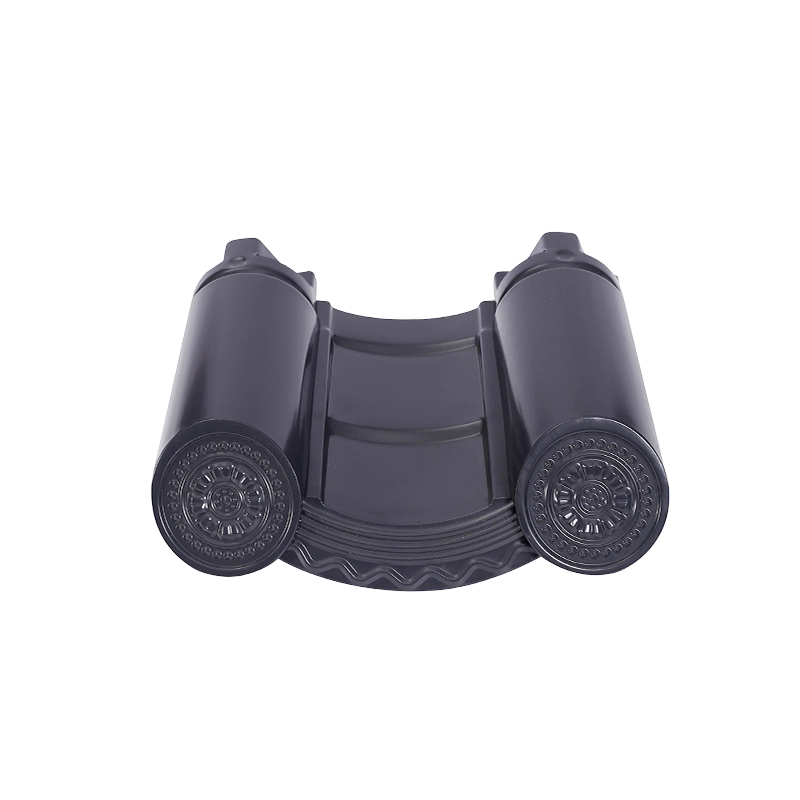
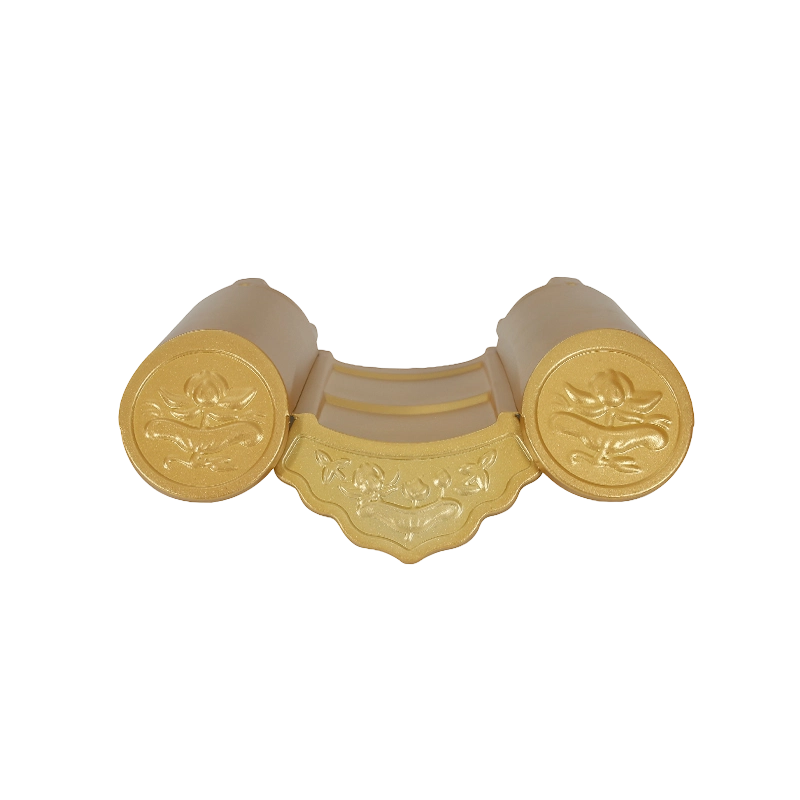
Church & Cathedral Roofing Specifications
| Item | Typical Range / Option |
| Common base materials | Copper, titanium zinc, aluminum alloy, aluminum-magnesium-manganese |
| Common profiles | Standing seam, flat lock, fish-scale tile, custom curved panels for domes and spires |
| Typical thickness | 0.4mm - 1.0mm depending on material and application |
| Finish options | Natural mill finish, pre-patinated (copper/zinc), or PVDF-coated painted finish |
| Geometric capability | Curved and custom-formed panels for domes, spires, and complex rooflines |
| Typical applications | Churches, cathedrals, chapels, and other religious or ceremonial buildings |
| Restoration matching | Custom profile fabrication to match existing historic roofing where required |
| Expected service life | Multiple decades to over a century depending on material selection |
Because church and cathedral roofs frequently include curved or domed sections alongside standard pitched roof planes, we recommend sharing detailed architectural drawings, and where available, photographs of any existing historic roofing to be matched or restored, since accurately reproducing a heritage roofline's specific proportions and detailing is central to the success of these projects in a way that goes beyond standard commercial specification practice.
For restoration projects specifically, we can also work from physical samples of an existing roof's material removed during the restoration process, allowing our team to verify alloy composition or coating characteristics directly rather than relying solely on visual matching from photographs, which further improves the accuracy of the final reproduction.
Lighting integration is another detail worth raising early for cathedral-scale projects, since some restoration designs incorporate discreet uplighting or floodlighting fixtures mounted to or near the roofline, and confirming this requirement during specification helps ensure the panel and accessory layout properly accommodates any planned fixture mounting points.
Pricing Structure and Minimum Order Quantity
Pricing for church and cathedral roofing follows the underlying material's pricing structure — copper and titanium zinc at a premium tier, aluminum alloy at a more moderate cost — with additional consideration for the increased fabrication complexity typically involved in curved, domed, or custom-detailed panels compared to standard flat roofing. We provide itemized quotations separating standard panel cost from custom fabrication work, which is particularly useful for religious institutions managing a restoration or building fund budget with defined limits.
Because these projects are typically tied to a single specific building rather than an ongoing bulk purchasing relationship, minimum order quantity is assessed on a per-project basis, similar to our approach with copper and titanium zinc roofing generally, and we can accommodate the smaller total quantities typical of a single church or chapel roof alongside larger cathedral-scale projects. Congregations or restoration committees often need to present a fixed budget figure to church leadership or a heritage funding body, so we aim to provide a clear, complete cost breakdown early in the process to support this internal approval requirement.
For heritage restoration projects specifically, we recommend confirming whether any custom tooling or hand-forming work is required to match existing historic detailing, since this can represent a meaningful portion of total project cost beyond the base material price and is best identified and budgeted for at the earliest possible stage of project planning.
We understand that many congregations rely on volunteer fundraising committees who may not have prior experience procuring specialized building materials internationally, and we are glad to explain our pricing structure in plain, accessible terms to support these committees' own internal budget presentations to congregation leadership or funding bodies.
Manufacturing Capacity and Lead Time
Church and cathedral roofing projects are produced at our Taicang, Suzhou facility using the same forming precision and quality discipline applied across our copper, titanium zinc, and aluminum alloy product lines, with additional planning allocated for any custom curved or domed panel fabrication these projects frequently require compared to standard flat roofing production.
Lead time depends heavily on project complexity: standard flat or simply pitched sections using stock materials generally move through production on a timeline comparable to our other premium material orders, while custom curved panels for domes or spires, or hand-formed detailing to match existing historic roofing, require additional tooling and fabrication time. We recommend religious institutions and restoration committees planning a project timeline build in additional schedule buffer for these more complex geometric elements compared to a standard commercial roofing project.
Because church and cathedral restoration work is often scheduled around specific liturgical calendars, community events, or a limited weather window for the restoration phase, we understand that delivery timing can carry particular importance beyond typical commercial construction scheduling considerations. We aim to provide a realistic, specific lead-time commitment once project scope and any custom fabrication requirements are confirmed, and communicate proactively regarding any factor that could affect that timeline.
We also recommend restoration committees factor in additional time for any required heritage-authority design review or approval process, since this external approval step is entirely independent of our own production timeline but can significantly affect when the overall restoration project is able to begin construction.
Trade Terms, Payment and Compliance
Church and cathedral roofing projects are supported under our standard international trade terms, including FOB, CIF, and DDP where appropriate, with payment generally following standard practice of a deposit securing material procurement and production, and balance due before or against shipping documents. Given that these projects are often funded through a combination of congregation fundraising, heritage grants, or institutional budgets, we can structure payment milestones to align reasonably with a project's funding disbursement schedule where this is discussed in advance.
Because heritage-listed churches and cathedrals frequently fall under specific preservation authority oversight, restoration committees should confirm early whether their jurisdiction's heritage approval process requires particular material certification, historical accuracy documentation, or planning authority sign-off before materials can be ordered or installed, since these approval processes can meaningfully affect the overall project timeline independent of our own manufacturing lead time.
Standard export documentation, including commercial invoices, packing lists, and certificates of origin, is provided as a matter of course, and material certification covering alloy composition can be supplied for the chosen roofing material. We recommend restoration committees loop in their heritage authority or preservation consultant early in the sourcing process so that any specific documentation or approval requirements are identified well before an order is placed.
We also recognize that some religious institutions may have specific denominational or organizational procurement policies beyond standard heritage authority requirements, and we are glad to accommodate reasonable additional documentation requests where these policies call for a particular format or level of detail in our standard export paperwork.
Frequently Asked Questions About Church & Cathedral Roofing
What material is traditionally used for church roofing? Copper and titanium zinc are among the most traditional choices for ecclesiastical architecture due to their natural patina and long service life, while aluminum alloy offers a more budget-conscious alternative with a longer service life than standard painted steel.
Can you match an existing historic roof for a restoration project? Yes, we can work from architectural drawings or photographs of existing historic roofing to fabricate matching custom profiles, though this typically requires additional lead time compared to a standard new-build project.
Can you fabricate curved panels for a dome or spire? Yes, custom curved and hand-formed panel fabrication is available for domes, spires, and other complex geometric roof features common to ecclesiastical architecture.
Do heritage-listed buildings require special documentation? This depends on the local heritage authority; we recommend confirming specific requirements with your preservation consultant early, and we can supply material certification to support this process.
How long does a typical church roofing project take? This depends heavily on project complexity and any custom fabrication required; standard sections move on a timeline similar to our other premium material orders, while curved or hand-formed detailing requires additional time.
Can payment be structured around a fundraising or grant disbursement schedule? We are glad to discuss milestone-based payment structures aligned with a project's funding timeline where this is arranged in advance of order confirmation.
Can a small congregation with limited budget still work with you? Yes, we work with projects of varying scale and budget, and can recommend a more cost-effective material such as aluminum alloy where a premium material like copper or zinc is not within a congregation's realistic budget.



 DOWNLOAD