LANGUAGE
 English
 Español
 عربى
عربى
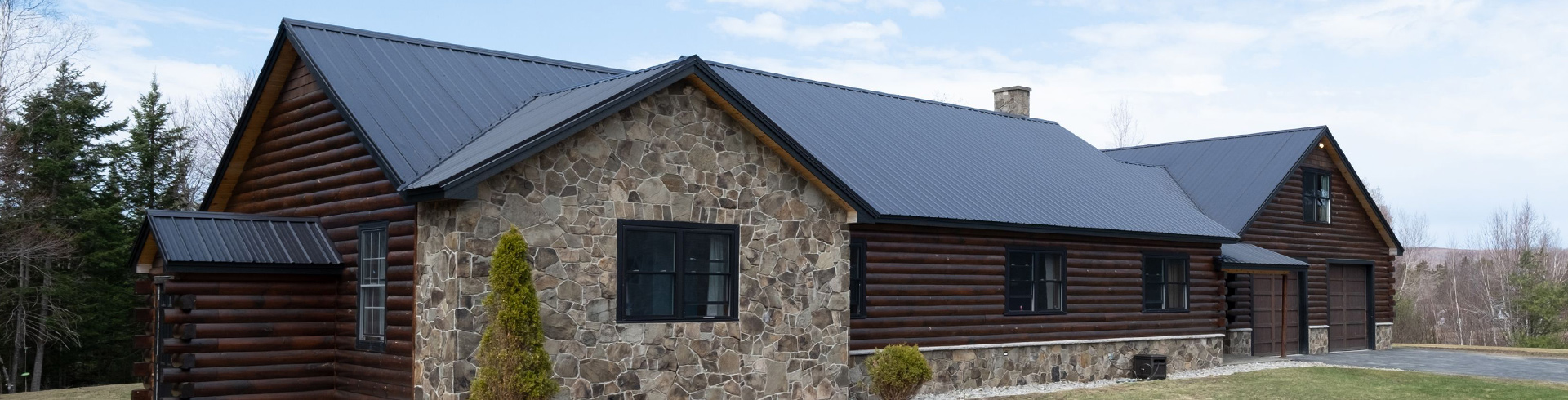
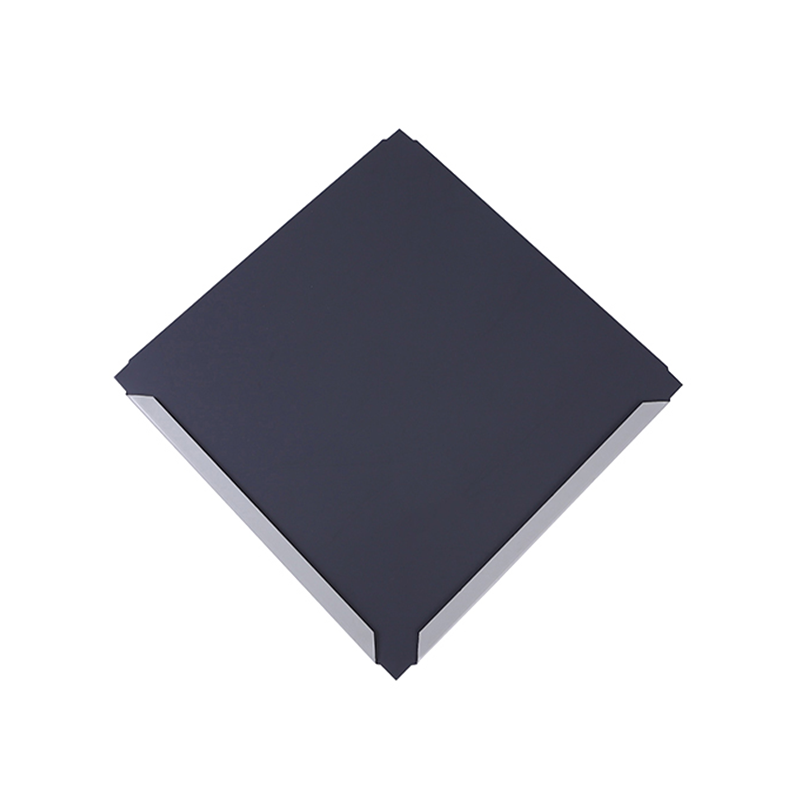
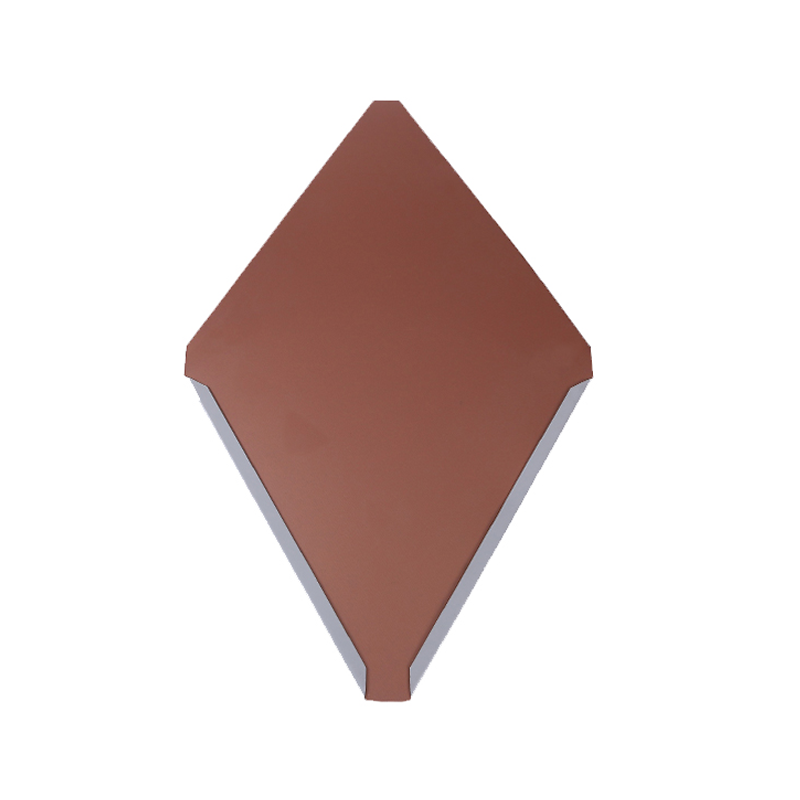
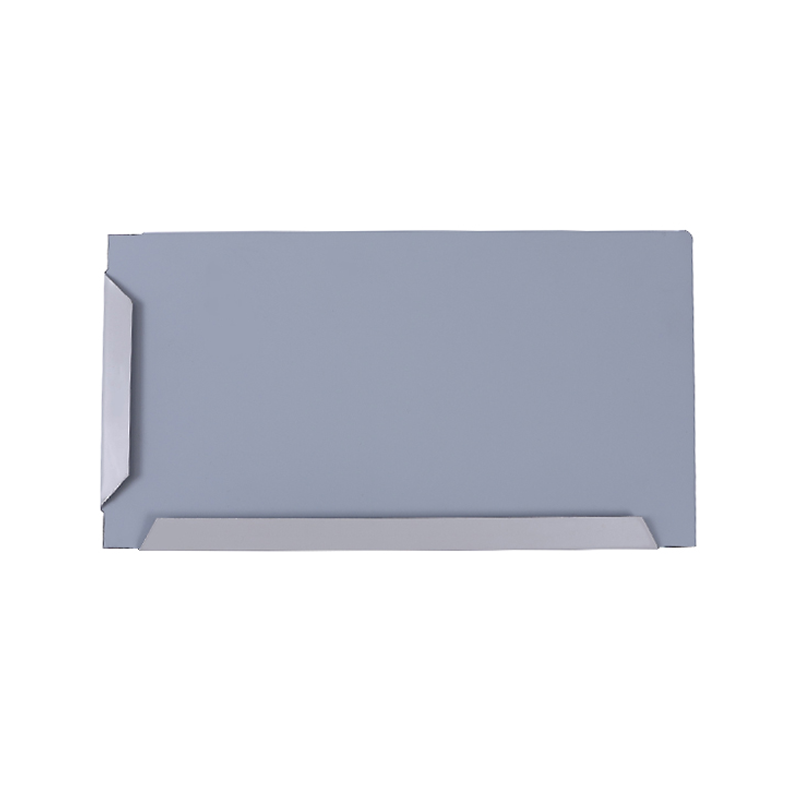

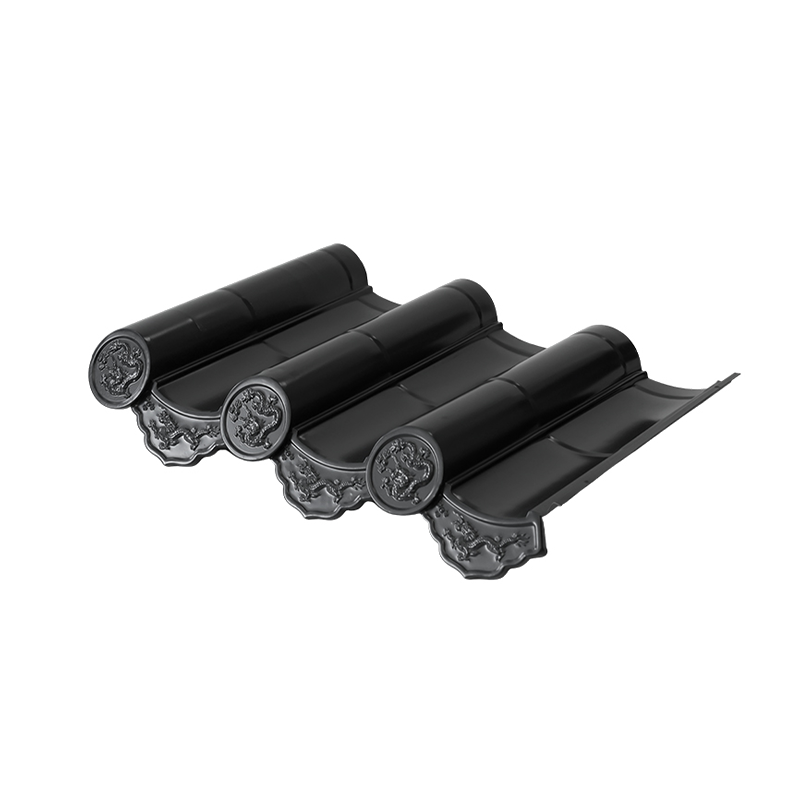
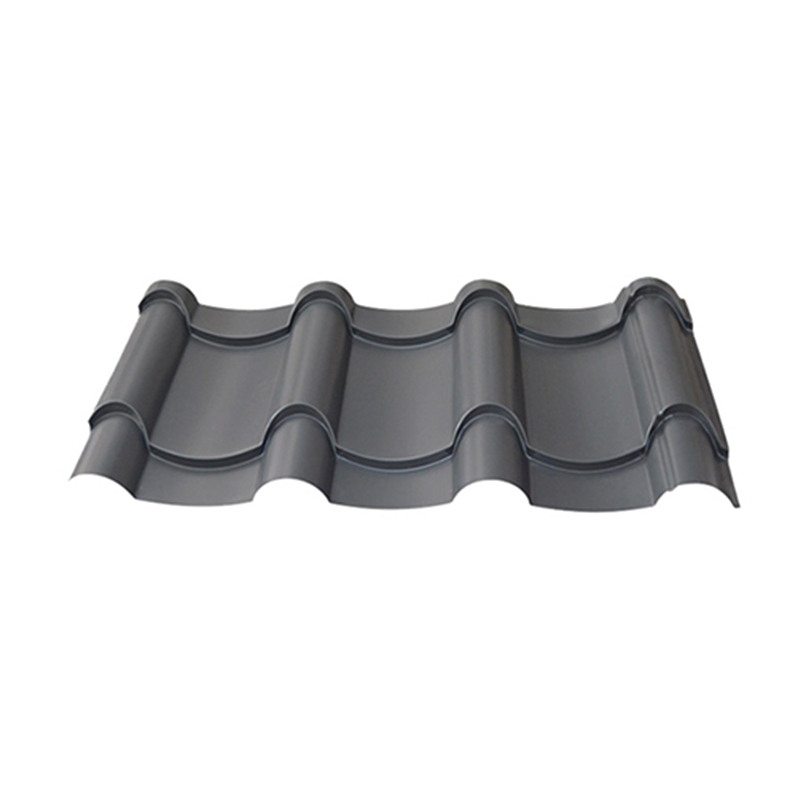
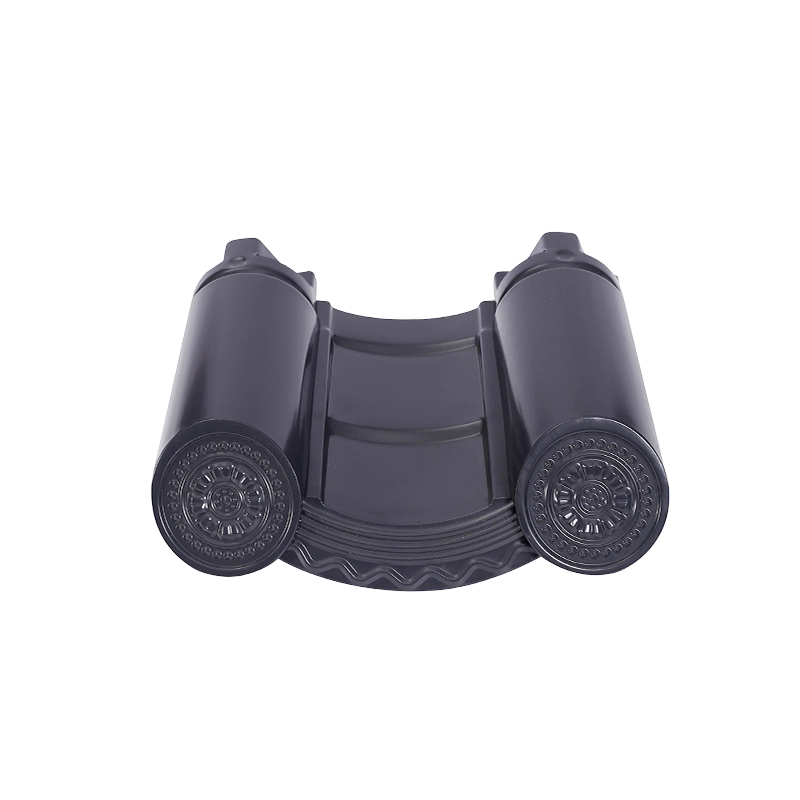
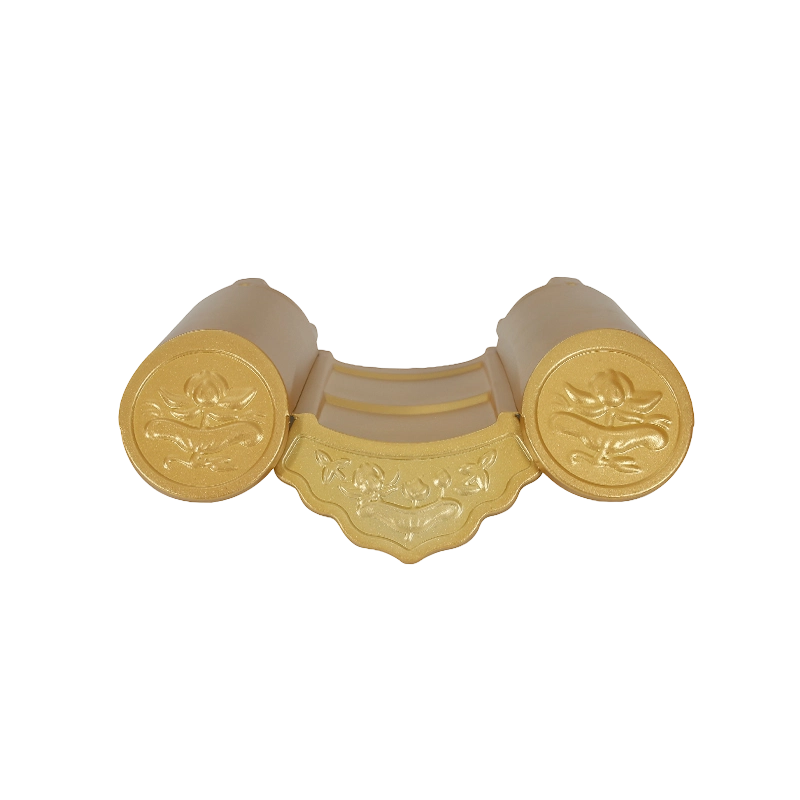
Antique & Heritage Roofing Specifications
| Item | Typical Range / Option |
| Common base materials | Copper, titanium zinc, aluminum alloy |
| Common profiles | Standing seam, flat lock, decorative tile matching historic patterns |
| Typical thickness | 0.4mm - 1.0mm depending on material and application |
| Finish options | Natural patina, pre-aged finish, or historically accurate painted finish |
| Restoration matching | Custom profile fabrication to match existing or historically documented roofing |
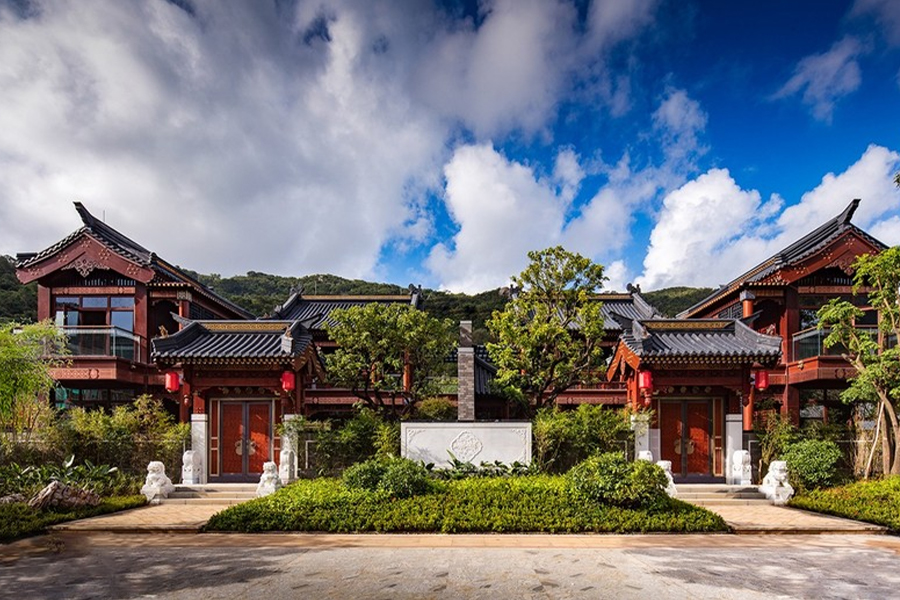
| Typical applications | Heritage-listed buildings, historic districts, antique-style new construction |
| Documentation support | Material certification available to support heritage authority approval processes |
| Expected service life | Multiple decades to over a century depending on material selection |
For formal heritage restoration projects specifically, we recommend confirming whether the local heritage authority requires a specific historically accurate material and profile, as opposed to a modern material with a similar general appearance, since these requirements vary by jurisdiction and by the specific heritage designation level applied to the building.
We also recommend gathering any available historical photographs, architectural drawings, or written descriptions of the building's original roofing before it was altered or damaged, since restoration projects working from richer historical documentation typically achieve a more accurate and defensible result than projects relying solely on visual inference from the current, possibly already-altered condition of the structure.
We also recommend consulting with a qualified heritage architect early in the process, even before contacting us, since their guidance on what level of historical accuracy your specific project actually requires can help focus our own technical conversation on the details that matter most for your particular restoration.
This upfront guidance often makes our subsequent technical conversation more efficient and better targeted to the project's actual requirements.
Pricing Structure and Minimum Order Quantity
Pricing for antique and heritage roofing follows the underlying material's pricing structure — copper and titanium zinc at a premium tier, aluminum alloy at a more moderate cost — with additional consideration for custom fabrication work required to match historic profiles or patterns accurately. We provide itemized quotations separating standard material cost from custom historical-matching fabrication work.
Because these projects are typically tied to a single specific heritage building, minimum order quantity is assessed on a per-project basis, and we can accommodate both smaller heritage cottage or building restorations and larger historic district or estate-scale projects.
For heritage property owners or preservation organizations managing a restoration budget, often supplemented by heritage grants or tax incentive programs in some jurisdictions, we aim to provide a clear, complete cost breakdown early in the process to support these formal funding or incentive application requirements.
We also recognize that heritage restoration budgets are sometimes supplemented by government preservation grants, tax credit programs, or historical society funding that may only become available after a certain approval or documentation milestone is reached, and we are glad to structure our own quotation and payment process flexibly around these external funding timelines where this is discussed with us in advance.
We are also glad to discuss a phased restoration approach for larger heritage properties, allowing a property owner to prioritize the most urgent or visible roofing sections first while planning additional restoration phases as further funding becomes available over time.
We are glad to structure a quotation that supports this kind of phased, funding-dependent restoration approach for larger heritage properties.
Manufacturing Capacity and Lead Time
Antique and heritage roofing projects are produced at our Taicang, Suzhou facility using the forming precision applied across our copper, titanium zinc, and aluminum alloy product lines, with additional planning allocated for custom fabrication work required to accurately match a specific historic profile or pattern.
Lead time depends heavily on project complexity: standard sections using stock materials move on a timeline comparable to our other premium material orders, while custom historical profile matching requires additional tooling and fabrication time. We recommend heritage property owners and restoration contractors build in additional schedule buffer for this custom work.
Because heritage restoration is often subject to a formal heritage authority approval process before construction can begin, we understand that overall project timelines are frequently driven as much by this approval process as by our own manufacturing lead time, and we aim to remain flexible in scheduling production to align with whenever formal approval is ultimately granted.
We also recognize that heritage restoration projects sometimes uncover additional structural or historical complexity only after work has begun, such as discovering an earlier, different roofing material beneath a later alteration, and we remain flexible to adjust our production plan if a restoration project's scope changes meaningfully once physical investigation of the existing structure is further along.
We also recognize that heritage restoration projects sometimes require multiple rounds of sample review and heritage authority feedback before a final material and finish is approved, and we remain patient and flexible in accommodating this iterative approval process rather than expecting a single specification decision upfront.
Trade Terms, Payment and Compliance
Antique and heritage roofing projects are supported under our standard international trade terms, including FOB, CIF, and DDP where appropriate, with payment generally following standard practice of a deposit securing material procurement and production, and balance due before or against shipping documents.
Because heritage-listed buildings frequently fall under specific preservation authority oversight, property owners and restoration committees should confirm early whether their jurisdiction's heritage approval process requires particular material certification, historical accuracy documentation, or planning authority sign-off before materials can be ordered or installed.
Standard export documentation, including commercial invoices, packing lists, and certificates of origin, is provided as a matter of course, and material certification covering alloy composition can be supplied to support a heritage authority's documentation requirements.
We are also glad to provide historical material composition documentation where a heritage authority specifically requests evidence that a proposed modern material's properties are genuinely comparable to the original historic material it is intended to replace or supplement as part of a restoration.
We recommend property owners loop in their heritage consultant early in the sourcing process so that any specific documentation or approval requirements are identified well before an order is placed.
We recommend confirming any specific tax incentive or grant program documentation requirements early, since these programs often have particular formatting or certification requirements that are easier to address at the outset than after materials have already been ordered.
We are glad to assist with whatever specific documentation format a grant or incentive program requires for a heritage roofing material purchase.
Frequently Asked Questions About Antique & Heritage Roofing
Can you match an existing historic roof exactly for a restoration project? Yes, we can work from architectural drawings, historical documentation, or photographs to fabricate matching custom profiles, though this typically requires additional lead time.
Do heritage-listed buildings require a specific material, or can a similar modern material be used? This depends on the local heritage authority; some require historically accurate materials while others permit modern alternatives with a similar appearance, so we recommend confirming this requirement early.
What is the difference between this tag and your Church & Cathedral Roofing products? This tag covers the broader category of secular historic and antique-style buildings, while our church and cathedral tag focuses specifically on religious and ceremonial architecture.
Can new construction use heritage-style roofing to look older than it is? Yes, aluminum alloy tile profiles can reproduce an antique appearance for new construction seeking a heritage-influenced aesthetic without the constraints of an actual heritage restoration project.
Do you provide documentation to support a heritage grant or tax incentive application? Yes, we can provide material certification and cost documentation formatted to support these types of formal funding or incentive application processes.
How long does a typical heritage restoration project take? This depends heavily on project complexity and heritage authority approval timelines, which are often the larger driver of overall project schedule beyond our own manufacturing lead time.
What if the heritage authority requires a specific historical material we don't typically stock? We are glad to discuss custom sourcing or fabrication options to meet a specific heritage authority requirement, and recommend sharing the exact specification requested so we can confirm feasibility.




 DOWNLOAD