LANGUAGE
 English
 Español
 عربى
عربى
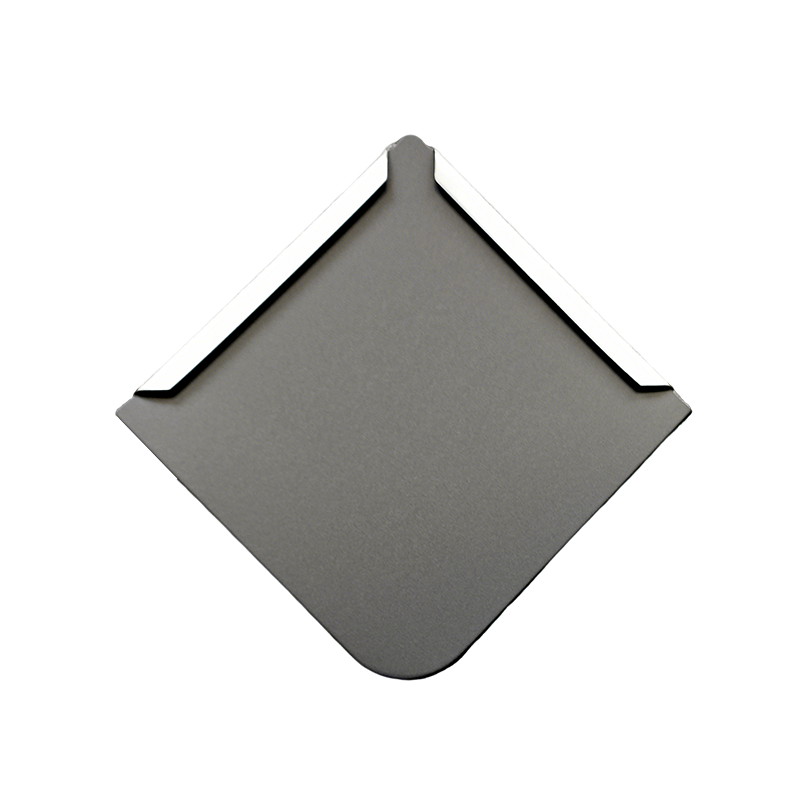
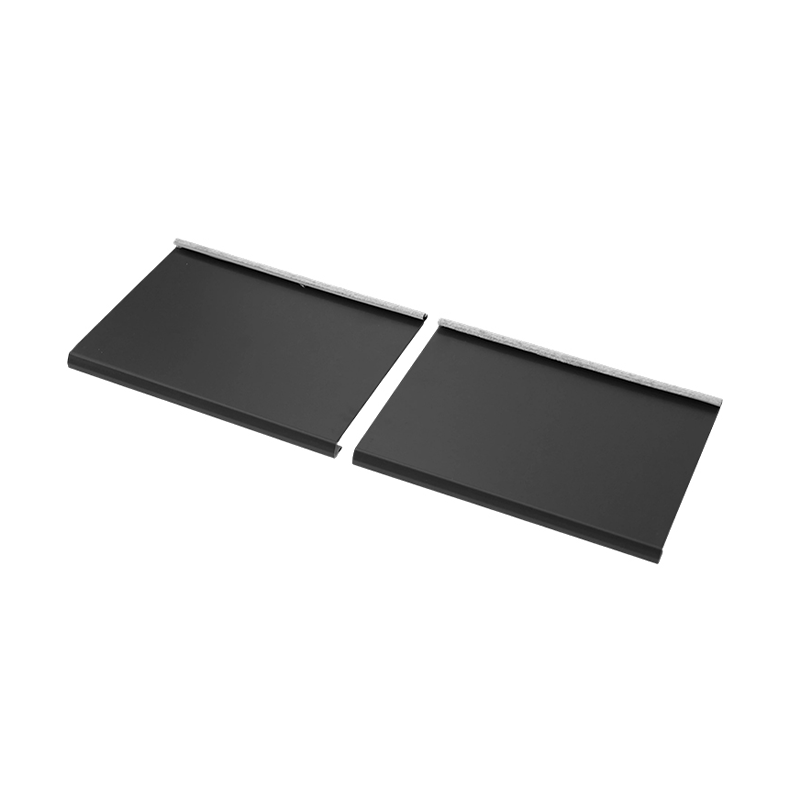
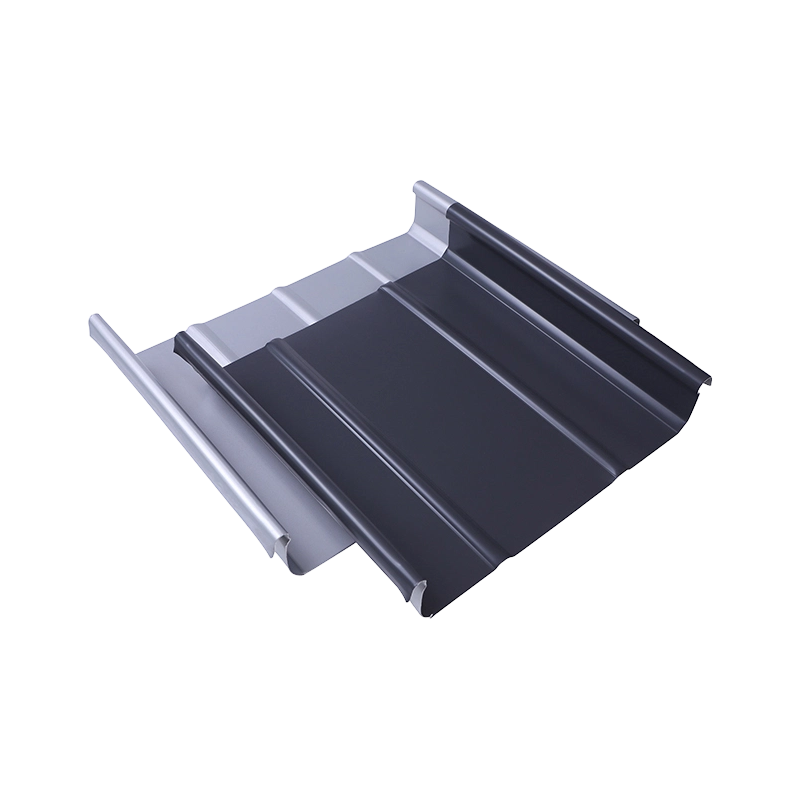
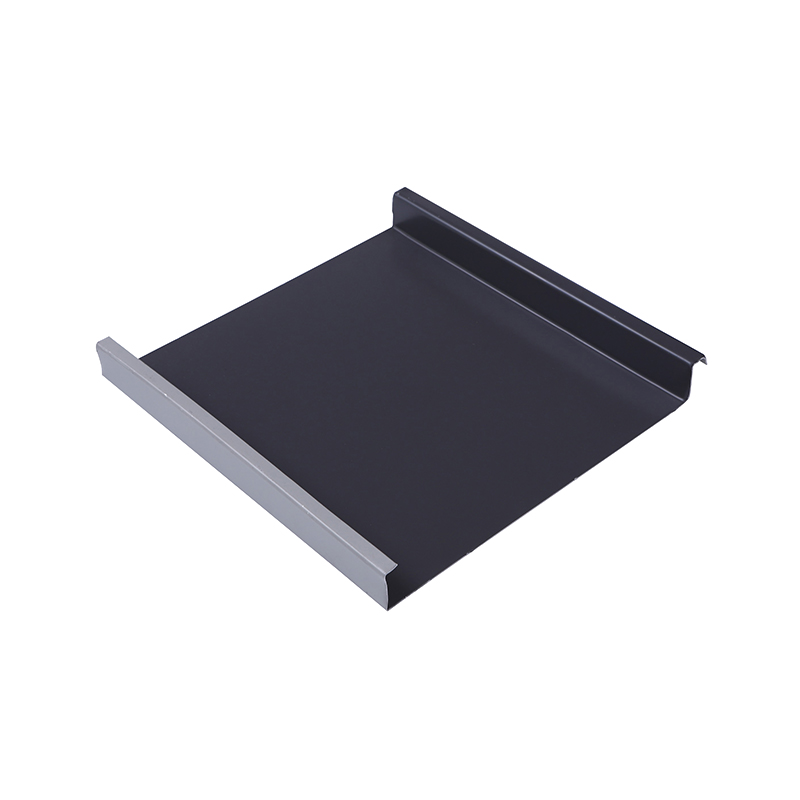
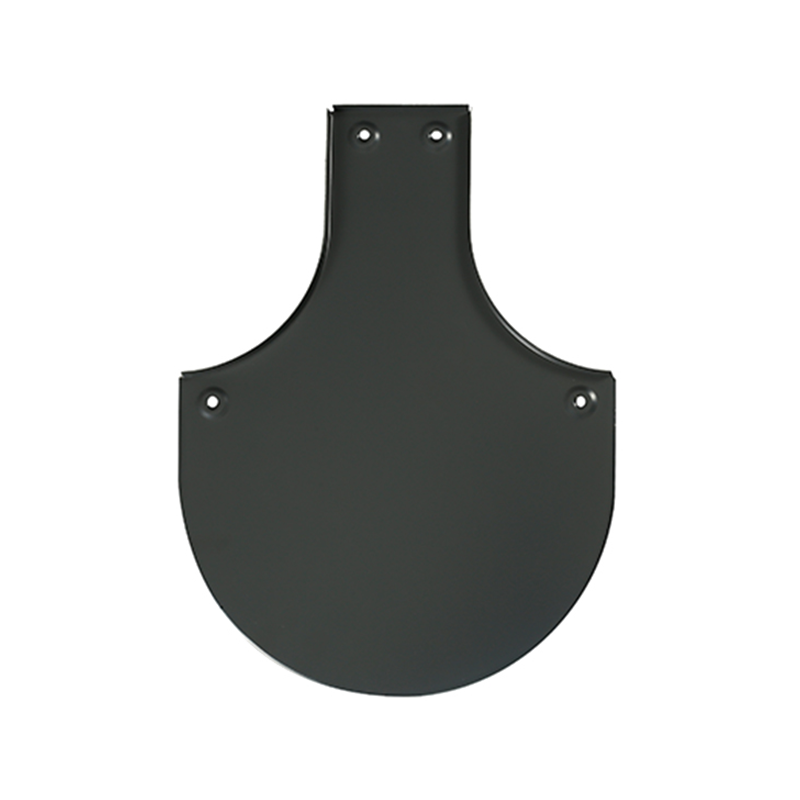
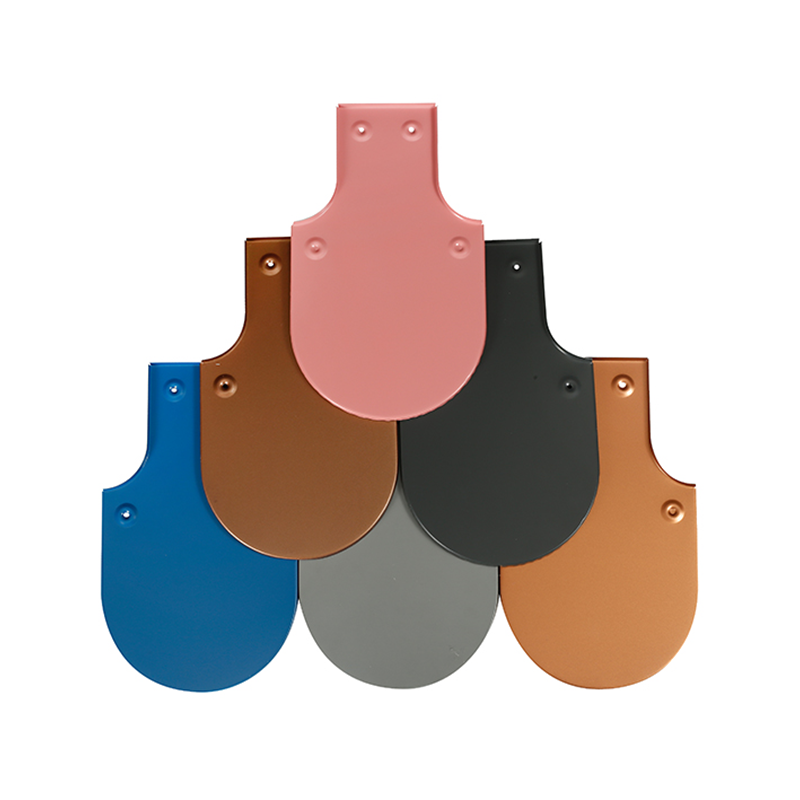
Anti-Corrosion Roofing Specifications
| Item | Corrosion-Resistance Profile |
| Standard Galvalume steel | Good general corrosion resistance for moderate inland environments |
| ZAM-coated steel | Enhanced cut-edge and scratch corrosion resistance for humid or coastal-adjacent conditions |
| Aluminum alloy | Excellent natural corrosion resistance well suited to humid and coastal environments |
| 304 stainless steel | Strong corrosion resistance for general demanding environments |
| 316 stainless steel | Maximum corrosion resistance for extreme chemical or direct salt-spray exposure |
| Coating enhancement | PVDF coating adds further protective and UV-resistance benefit across materials |
| Fastener compatibility | Corrosion-resistant fasteners recommended to match the base panel material |
We recommend sharing detailed information about your project's specific environmental exposure — general humidity levels, proximity to coastline or industrial chemical sources, and any known local corrosion issues with existing buildings in the area — since this real-world local knowledge often provides more useful guidance for material selection than generic climate classification alone.
We also recommend discussing any history of galvanic corrosion issues on your specific site, particularly where dissimilar metals may already be present nearby, since this kind of site-specific corrosion history often reveals important context that general environmental classification alone would not capture, helping our technical team provide a more precisely tailored material recommendation for your actual conditions.
We are always glad to discuss this kind of site-specific context in more detail during an initial consultation.
We find that this kind of detailed environmental context consistently leads to a more accurate and appropriate final material recommendation.
This deeper context always improves the quality of our final recommendation.
We are glad to discuss this in more depth whenever helpful.
Pricing Structure and Minimum Order Quantity
Anti-corrosion performance spans our full pricing range, from our most economical standard Galvalume steel through our premium 316 stainless steel option, giving buyers genuine flexibility to select the corrosion-resistance level appropriate to their specific budget and environmental exposure rather than being forced into a single fixed price point regardless of their actual performance requirements.
Minimum order quantity follows our standard approach for whichever material is selected, and we can accommodate projects across this full range, from cost-effective bulk industrial orders to smaller premium stainless steel specifications for particularly demanding environments.
We are glad to provide comparative pricing across two or three corrosion-resistance tiers for the same project, helping buyers understand the specific cost difference between, for example, standard Galvalume and ZAM-coated steel, or between aluminum alloy and 316 stainless steel, so the final material decision reflects an informed trade-off between upfront cost and expected long-term service life in the specific environment involved.
We also recognize that some buyers specifically want to understand the incremental cost of moving up one tier in corrosion resistance, for example from standard Galvalume to ZAM-coated steel, and we are glad to provide this kind of clear, incremental cost comparison to support an informed decision about whether the additional investment is worthwhile for a specific project's environment.
We find this incremental comparison approach is often the clearest way to support a well-informed final decision.
We believe this transparent, comparative approach serves our buyers' genuine long-term interests better than a one-size-fits-all recommendation would.
Manufacturing Capacity and Lead Time
Anti-corrosion roofing orders across our full material range are produced across our 12 automated production lines at our 10,000㎡ Taicang, Suzhou facility, with each material processed on production equipment appropriate to its specific characteristics, from high-volume Galvalume steel lines through more specialized aluminum alloy and stainless steel processing.
Lead time varies by material, with standard Galvalume and aluminum alloy generally offering the fastest production timelines, while ZAM-coated steel and stainless steel may require somewhat longer lead time given more specialized coil sourcing for these materials.
For buyers replacing a roof that has experienced premature corrosion failure, we understand that delivery timing often carries real urgency given the building's compromised weather protection in the interim, and we aim to provide realistic, expedited lead-time options where genuinely feasible for these time-sensitive replacement situations.
We also maintain close relationships with our coil suppliers across our different material categories, allowing us to provide realistic, currently accurate lead-time estimates rather than generic timelines that may not reflect actual current raw material availability for a specific material and coating combination at the time of your inquiry.
We are always transparent about current material availability rather than providing an optimistic timeline that may not reflect actual sourcing conditions.
We believe this honesty ultimately serves buyers better than false promises.
Buyers can count on receiving realistic, currently accurate information rather than generic promotional timelines.
This transparency helps buyers plan their construction schedules with realistic expectations from the very beginning of the process.
Buyers deserve this level of honesty about realistic delivery timing.
Trade Terms, Payment and Compliance
Anti-corrosion roofing orders across our material range are supported under our standard international trade terms, including FOB, CIF, and DDP where appropriate, with payment generally following standard practice of a deposit before production and balance due before or against shipping documents.
Because different base materials, particularly steel products, may be subject to different import regulations or trade measures in certain destination markets, we encourage buyers to confirm current requirements for their specific selected material with their customs broker before finalizing an order.
Standard export documentation, including commercial invoices, packing lists, and certificates of origin, is provided as a matter of course, and mill test certificates confirming coating weight or alloy grade can be supplied for any material in our range.
We also recommend buyers confirm any specific corrosion-resistance testing standard referenced in their local building code or insurance requirements, since we can discuss how our material specifications relate to commonly referenced international standards for corrosion performance testing.
We are glad to discuss how our material testing approach compares to whatever specific standard is referenced in your local requirements.
Where a specific testing standard is unfamiliar to our team, we are glad to research it directly and provide a clear answer regarding compatibility with our available material specifications.
We remain committed to researching and addressing any unfamiliar standard a buyer's specific project may reference.
We are always ready to look into any standard unfamiliar to our team.
Please reach out anytime with a compliance question specific to your market.
Frequently Asked Questions About Anti-Corrosion Metal Roofing
Which material offers the best corrosion resistance? 316 stainless steel offers the maximum corrosion resistance in our range, though aluminum alloy provides excellent, more cost-effective resistance suitable for most humid and coastal environments.
My existing roof corroded prematurely — what should I do differently? We recommend sharing details about your existing roof's material, age, and the specific type of corrosion observed, which helps our team recommend a more appropriately specified replacement material for your actual environment.
Is ZAM-coated steel worth the extra cost over standard Galvalume? This depends on your specific environment; ZAM coating offers a meaningful upgrade for humid or coastal-adjacent conditions but may not be necessary for a lower-risk inland environment.
Can two different metals be used together on the same roof safely? This requires careful consideration of galvanic corrosion risk between dissimilar metals; we recommend discussing any mixed-material roofing plan with our technical team before finalizing a specification.
How long should a properly specified anti-corrosion roof last? This varies significantly by material and environment, but a properly matched material and environment combination should provide multiple decades of reliable service without significant corrosion-related issues.
Do you offer material certification proving actual corrosion-resistance specifications? Yes, we can provide mill test certificates confirming coating weight or alloy grade for any material in our range.
What causes galvanic corrosion, and how do I avoid it? Galvanic corrosion occurs when dissimilar metals are in direct contact in the presence of moisture; using compatible fasteners and flashing matched to your base panel material avoids this issue.



 DOWNLOAD