LANGUAGE
 English
 Español
 عربى
عربى
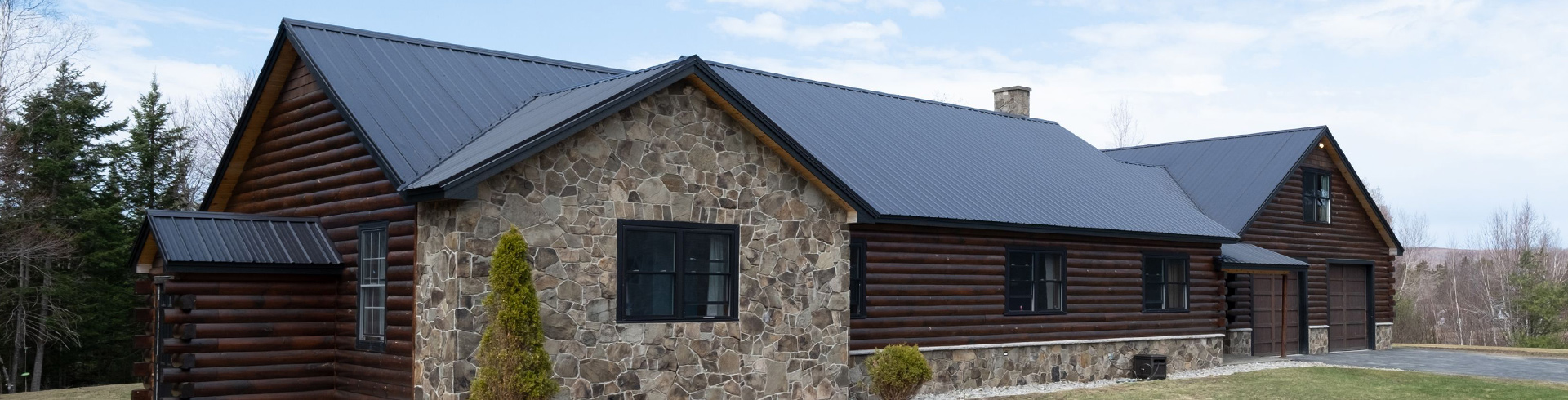
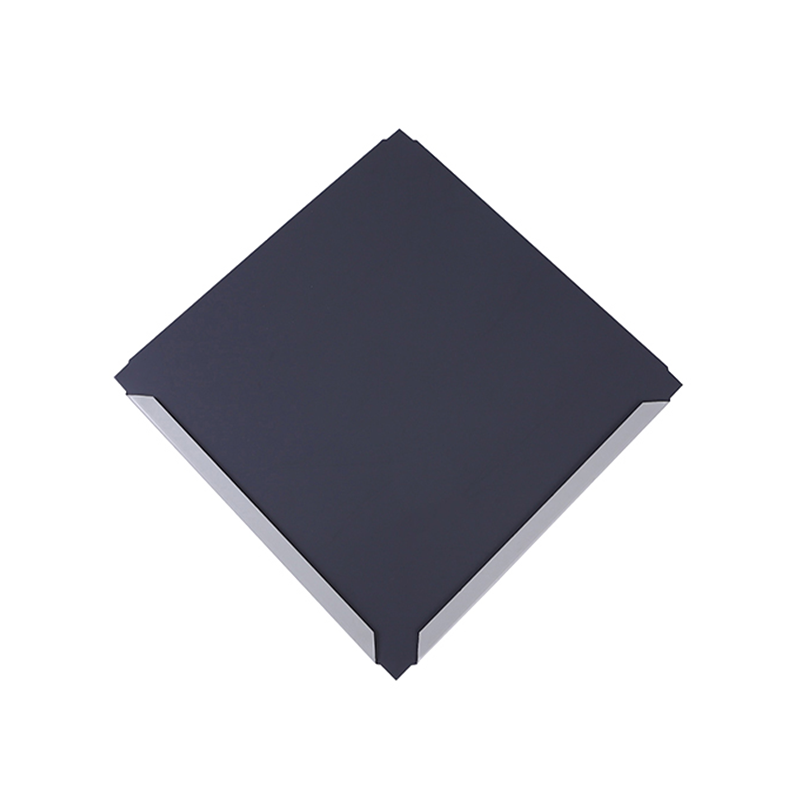
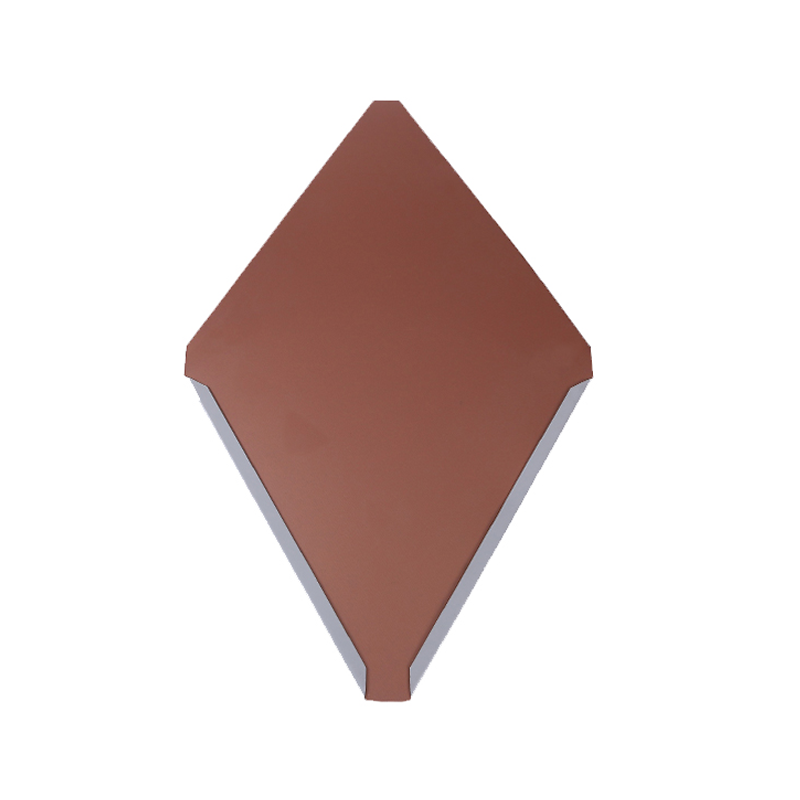
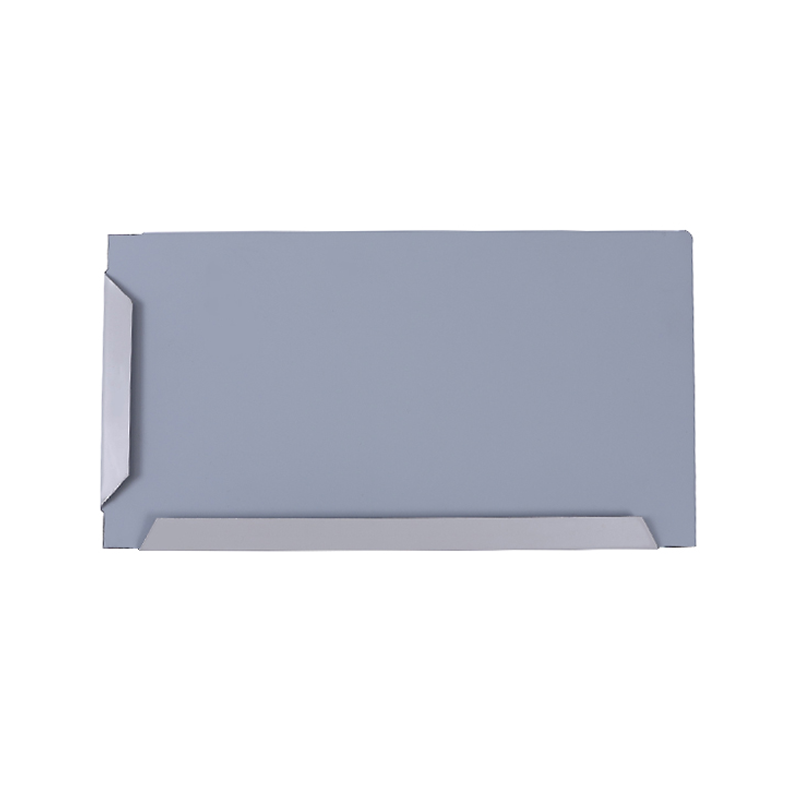

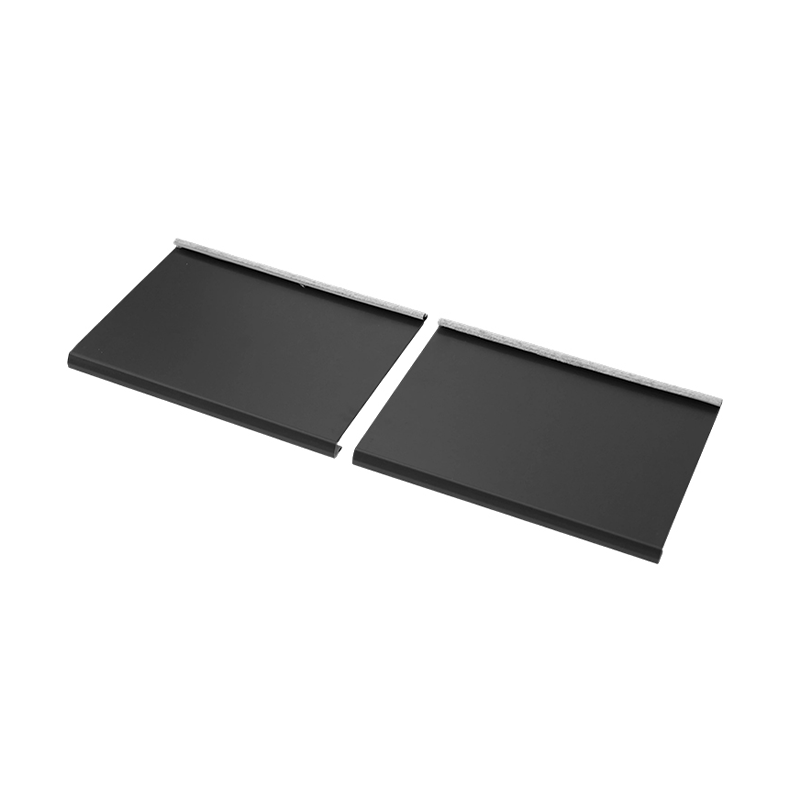
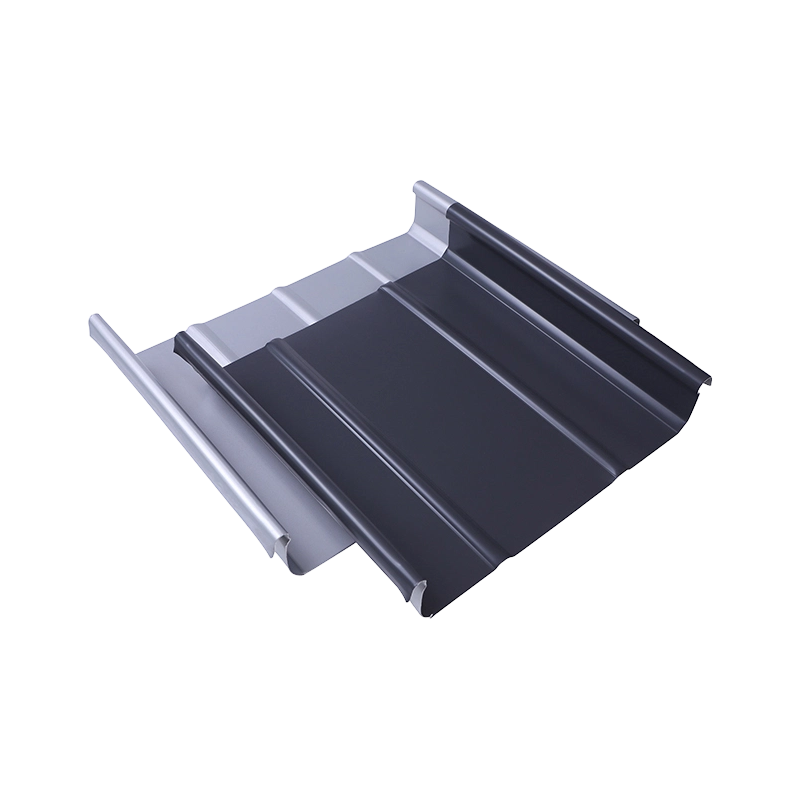
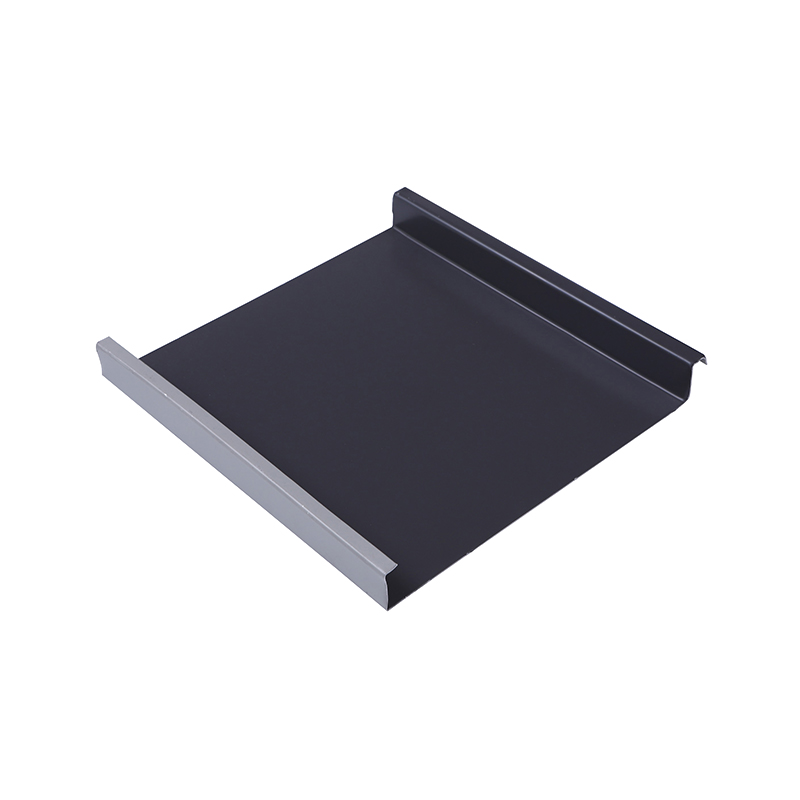
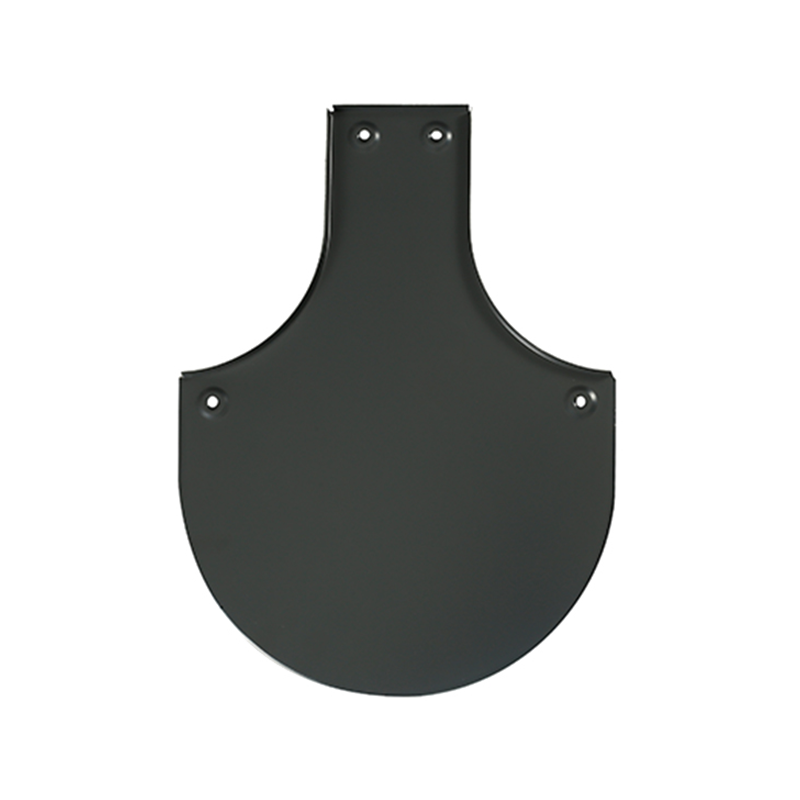
Southeast Asia Project Specifications
| Item | Typical Range / Option |
| Recommended materials | Aluminum alloy, aluminum-magnesium-manganese |
| Recommended coating | PVDF fluorocarbon for humidity and UV resistance in tropical conditions |
| Typical thickness | 0.8mm - 1.2mm depending on project scale and typhoon exposure zone |
| Documented reference | Siem Reap Angkor International Airport, Cambodia — 1.0mm thick, 65-430mm, 5,000㎡ |
| Monsoon consideration | Mechanically seamed standing seam recommended for reliable heavy-rainfall performance |
| Typhoon-zone consideration | Enhanced clip spacing recommended for typhoon-prone national markets in the region |
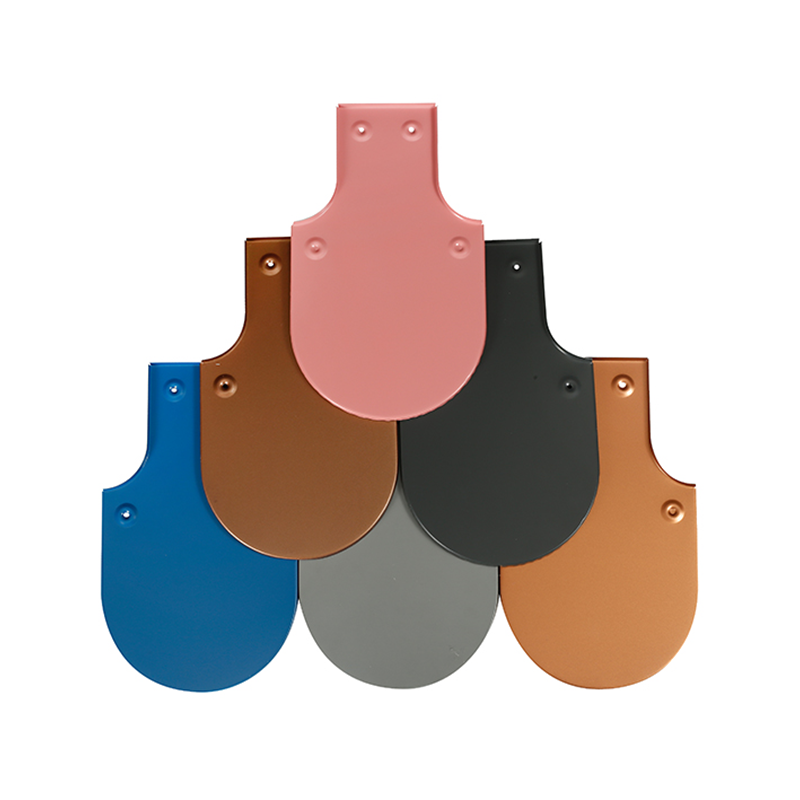
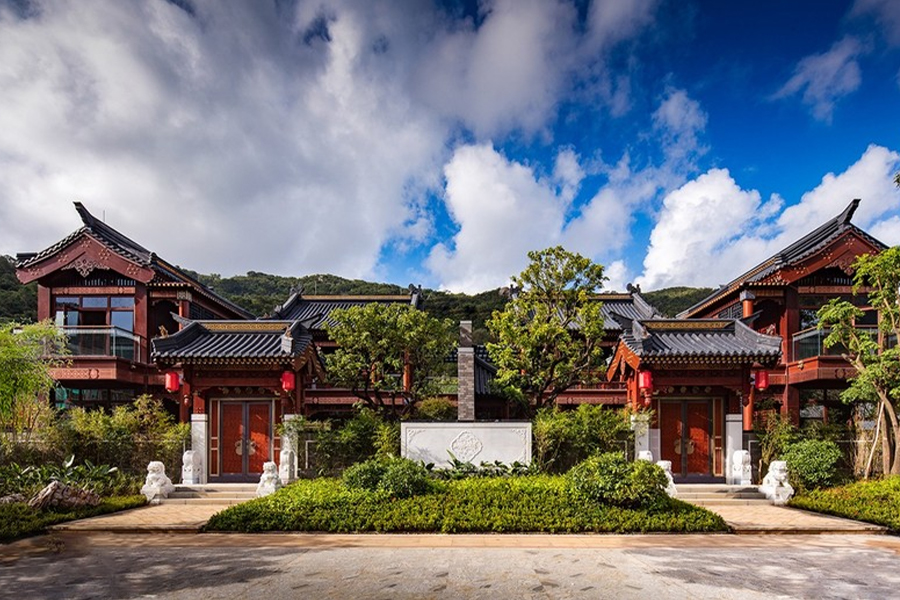
| Traditional style options | Japanese-style and other traditional tile profiles available for cultural-tourism applications |
| Typical applications | Airports and transportation infrastructure, hotels and resorts, villas, cultural buildings |
We recommend confirming your specific country and location within Southeast Asia, since typhoon exposure risk and building code wind requirements vary meaningfully across the region's different national markets, and this information allows our team to recommend an appropriately engineered specification for your particular location's actual wind and rainfall conditions.
We also recommend discussing your project's specific elevation and proximity to coastline or major water bodies, since this affects both humidity exposure and, in some Southeast Asian locations, flood risk considerations that may influence broader building design decisions beyond the roofing specification alone but worth mentioning during our technical conversation.
We remain glad to discuss these location-specific considerations during your project's initial technical consultation.
We also recommend discussing any specific flood risk or elevated foundation design relevant to your project's broader building envelope strategy, since some Southeast Asian coastal and river-delta locations face particular water management considerations that may influence overall building design decisions beyond the roofing specification alone.
Pricing Structure and Minimum Order Quantity
Southeast Asia project pricing follows our standard per-square-meter approach based on material, thickness, and coating, with our recommended PVDF-coated aluminum alloy specification providing strong value given the material's suitability across this region's consistently humid, sun-intensive climate conditions.
Minimum order quantity follows our standard approach for the selected material and profile, and we can accommodate projects ranging from smaller villa-scale developments through large infrastructure projects comparable to our documented 5,000㎡ Siem Reap Angkor International Airport project.
We are glad to provide comparative pricing across different specification tiers relevant to your specific national market's typical construction budget expectations, recognizing that Southeast Asia's diverse economies span a considerable range of typical project budget levels across different countries in the region.
We are also glad to discuss financing-friendly phased ordering approaches for large Southeast Asian hospitality or infrastructure developments constructed across multiple phases, aligning material purchases with the project's own construction and funding disbursement schedule across an extended development timeline.
We remain committed to supporting flexible, financing-friendly approaches for major Southeast Asian developments.
We also encourage developers managing a large-scale hospitality or infrastructure project to share their specific budget parameters early, since we can often recommend a specification that balances the region's genuine climate performance requirements against a realistic project budget appropriate to their specific national market's typical construction costs.
We remain committed to recommending a genuinely appropriate specification suited to each specific national market's typical construction budget realities.
We remain committed to this budget-conscious, honest specification approach for every market.
Manufacturing Capacity and Lead Time
Southeast Asia project orders are produced across our 12 automated production lines at our 10,000㎡ Taicang, Suzhou facility, with our successful completion of our documented Cambodia airport project demonstrating our practical capability to execute regional projects reliably on a defined project timeline, including navigating the cross-border logistics this kind of international infrastructure project requires.
Lead time depends on material, thickness, coating, and total order volume, and our facility's proximity to major regional shipping routes supports efficient export shipping to Southeast Asian destination ports across the region's various countries.
Given that many Southeast Asian countries experience a distinct monsoon season, we recommend planning construction timing to complete roofing installation before heavy seasonal rainfall begins wherever practical, and we aim to provide realistic lead-time commitments that support this kind of seasonal construction planning.
We also maintain awareness of regional shipping schedules to major Southeast Asian ports across the region's various countries, and can provide realistic guidance on total lead time including both our production timeline and the ocean freight transit time to your specific destination port.
We remain a dependable shipping partner for projects across Southeast Asia's diverse regional ports.
We also recognize that some Southeast Asian projects operate on accelerated timelines tied to specific tourism season deadlines or national development milestones, and we remain committed to communicating honestly about what production and shipping timeline is realistically achievable for these time-sensitive situations.
We remain committed to honest, realistic communication about production and shipping timelines for every Southeast Asian project we support.
Trade Terms, Payment and Compliance
Southeast Asia project orders are supported under our standard international trade terms, including FOB, CIF, and DDP where appropriate, with payment generally following standard practice of a deposit before production and balance due before or against shipping documents.
We recommend developers confirm any specific local building code or import documentation requirements relevant to their particular Southeast Asian destination country, since requirements vary considerably across the region's different national jurisdictions, and we can provide relevant material documentation to support this compliance process.
Standard export documentation, including commercial invoices, packing lists, and certificates of origin, is provided as a matter of course, and material certification can be supplied to support a project's specific local compliance documentation requirements.
We also recognize that some Southeast Asian countries have specific import documentation or product registration requirements for construction materials, and we encourage developers to confirm these requirements early, while we remain ready to support with whatever documentation their specific national process requires.
We remain ready to support whatever documentation process your specific country requires.
We also recommend confirming any specific product registration or import classification requirements with your customs broker early, since construction material import processes can vary meaningfully across the different countries within the broader Southeast Asian region.
We remain a dependable resource for these registration questions across the region's various countries.
We remain a dependable, informed resource for these registration and documentation questions across the region's many diverse national markets.
Thank you.
We remain ready to help with these registration questions in any country.
Frequently Asked Questions About Metal Roofing for Southeast Asia
Do you have experience with actual Southeast Asian projects? Yes, our completed Siem Reap Angkor International Airport project in Cambodia (5,000㎡) directly demonstrates our capability in this region's tropical climate conditions.
What material handles Southeast Asia's humidity and monsoon rainfall best? Aluminum alloy with PVDF coating and mechanically seamed standing seam profiles are generally recommended for reliable performance under these conditions.
Is your roofing suitable for typhoon-prone locations in the region? Yes, seam and clip specifications can be adjusted for high-wind typhoon-prone locations; sharing your specific country and location allows for an appropriate recommendation.
Can you support traditional-style roofing for cultural-tourism projects? Yes, our Japanese-style and other traditional tile profiles are well suited to cultural-tourism developments common across the region.
How does construction timing relate to the monsoon season? We recommend planning roofing installation to complete before heavy seasonal rainfall begins wherever practical, and can help plan delivery timing accordingly.
Do you have experience across multiple Southeast Asian countries? Our documented reference is specifically from Cambodia, and we welcome inquiries from developers across the region's other countries as we continue expanding our regional portfolio.
Can you support a large infrastructure project elsewhere in the region beyond Cambodia? Yes, we welcome inquiries from any Southeast Asian country and are glad to discuss your specific national market's requirements.
Do you offer any regional support office in Southeast Asia? We currently support the region directly from our Taicang facility and are glad to discuss your specific needs remotely.
Thank you.
Thank you kindly.



 DOWNLOAD