LANGUAGE
 English
 Español
 عربى
عربى
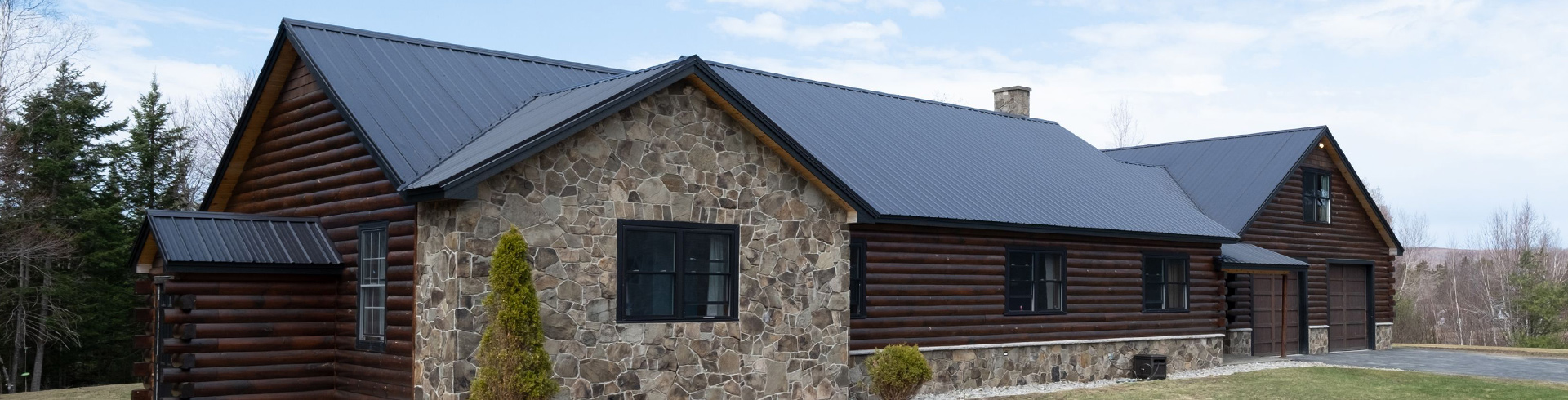
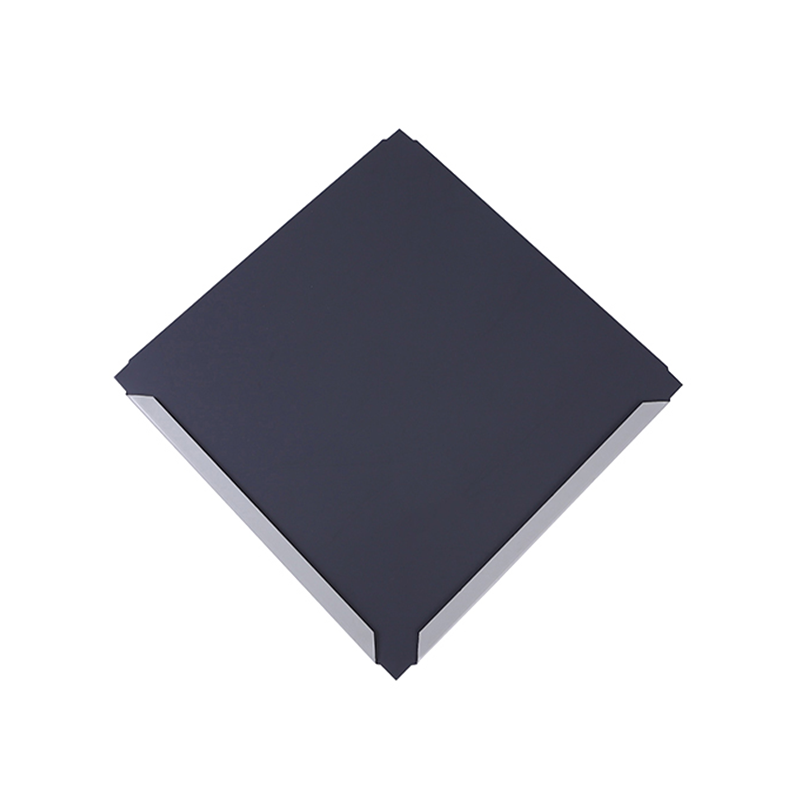
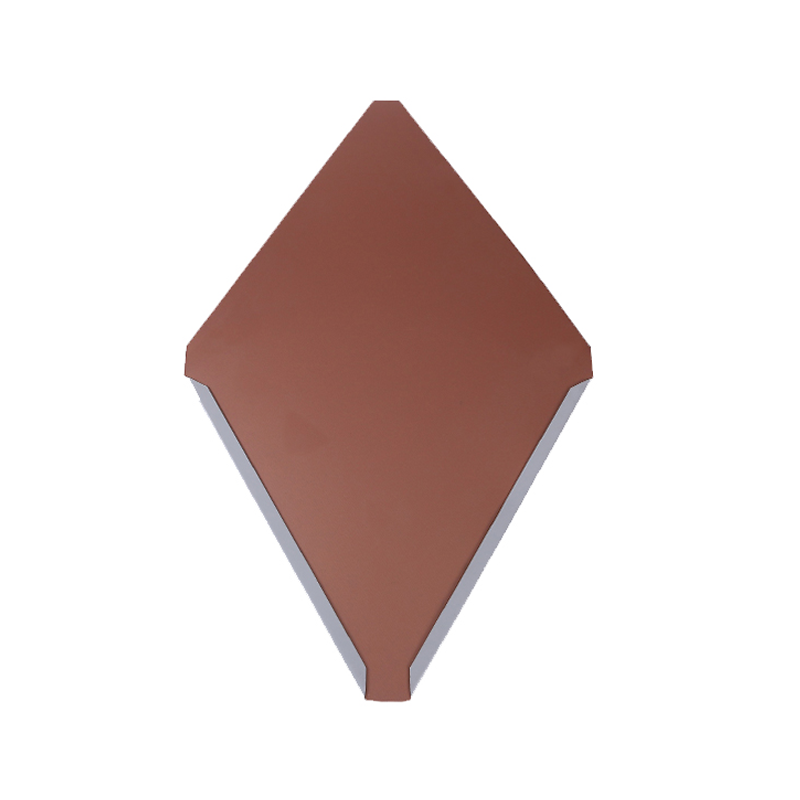
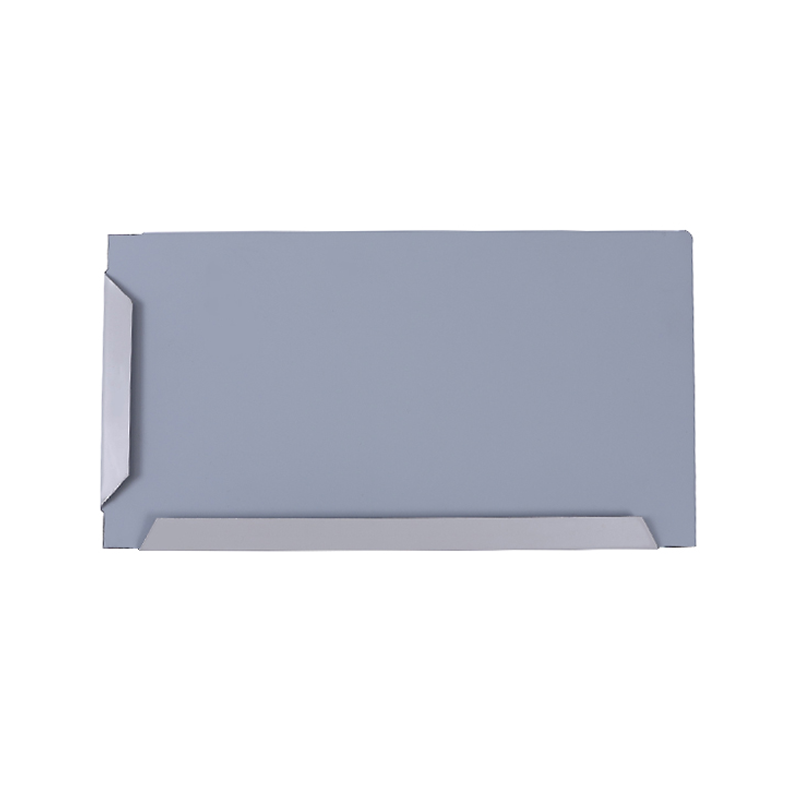

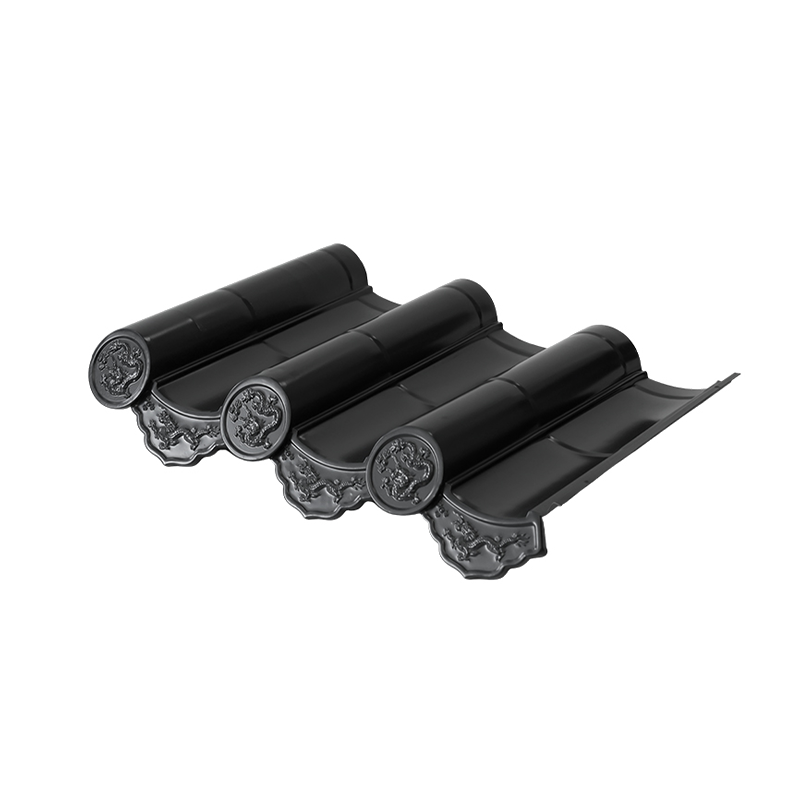
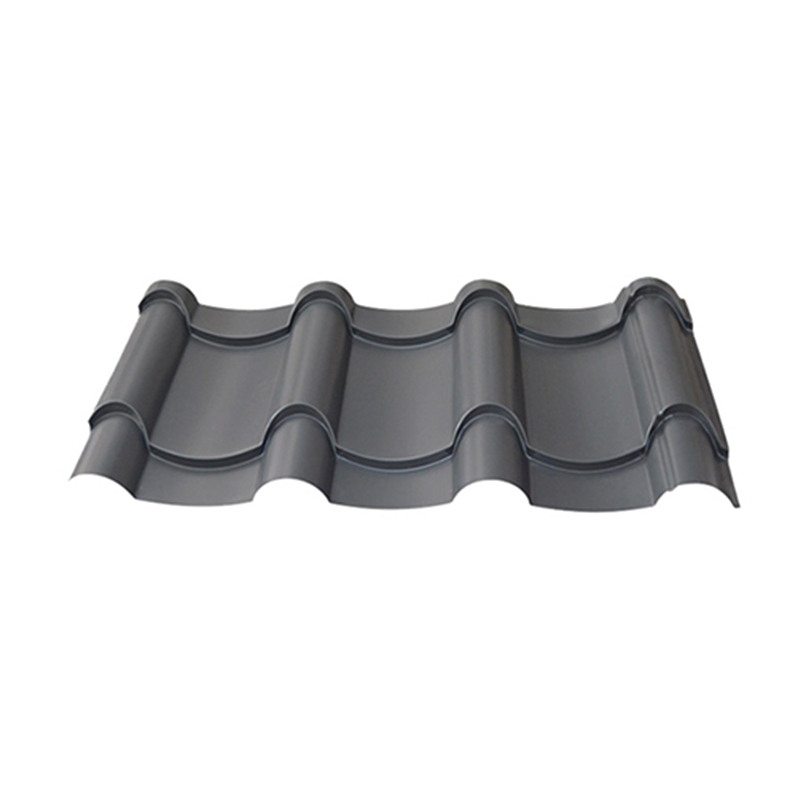
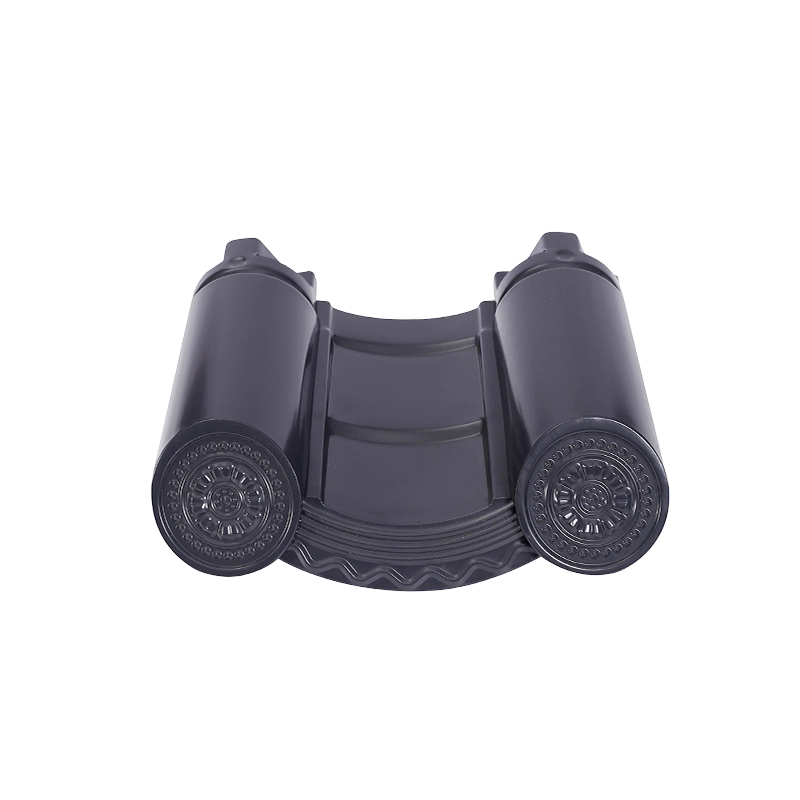

Airport Terminal Roofing Specifications
| Item | Typical Range / Option |
| Primary material | Aluminum alloy or aluminum-magnesium-manganese standing seam |
| Thickness | 0.8mm - 1.2mm typical for large-span terminal applications |
| Seam profile | 65-430mm vertical joint standing seam commonly specified for terminal roofing |
| Panel length | Continuous, unlimited length to suit large terminal roof spans |
| Coating | PVDF fluorocarbon coating for long-term durability under continuous exposure |
| Color options | Full RAL color chart, including national or airport authority branding requirements |
| Typical project scale | Multi-thousand square meter terminal roof and canopy areas |
| Documented reference | Siem Reap Angkor International Airport, Cambodia — 1.0mm thick, 65-430mm vertical joint, 5,000㎡ |
Airport terminal projects frequently involve coordination with multiple structural and building systems, including skylights, drainage systems, and mechanical penetrations integrated into the roof plane, so we recommend sharing complete architectural and structural drawings early in the specification process to ensure accessory and flashing details are correctly planned around these integrated systems rather than treated as an afterthought.
We also recommend confirming any specific fire safety or building code standard referenced in the terminal's national aviation or building authority requirements at the specification stage, since these can vary between countries and affect coating, thickness, or accessory choices in ways that are far easier to address during design than after materials are ordered.
Snow and ice loading considerations are also relevant for terminal projects in colder climates, and where applicable we work with the project's structural engineer to confirm panel thickness and seam spacing are adequate for the specific climate zone in which the airport is located.
Pricing Structure and Minimum Order Quantity
Airport terminal roofing projects are typically large-scale orders that benefit from our volume-based tiered pricing structure, calculated per square meter based on panel thickness, seam profile, coating, and total project area. Given that airport construction is typically procured through a formal government or quasi-government tender process, we provide comprehensive, itemized quotations that clearly separate panel material cost, accessories, and any project-specific documentation or certification costs required by the procuring authority.
Minimum order quantity is not a practical constraint given the inherently large scale of terminal roofing projects, and our production planning for airport infrastructure work is oriented toward reliable large-volume manufacturing with the documentation rigor typical of public infrastructure procurement. For terminal expansion or renovation projects completed in phases to maintain ongoing airport operations, we support phased production and shipment aligned with the specific construction phasing plan required to keep the airport operational throughout construction.
We recommend contractors or procurement teams bidding on airport terminal projects engage with us early in the tender process, since roofing material specification and documented supplier capability are often evaluated as part of the formal bid submission, and having a complete, accurate quotation and supporting documentation package ready supports a stronger, more competitive bid.
For airport authorities managing capital budgets subject to public audit, we understand that transparent, defensible pricing documentation is essential, and we structure our terminal project quotations to support the level of financial scrutiny typical of public aviation infrastructure spending.
We also recognize that airport infrastructure budgets are frequently subject to multi-year capital planning cycles involving government aviation ministries or airport development authorities, and we are glad to provide indicative pricing guidance well in advance of a formal tender to support this longer-range planning process.
Manufacturing Capacity and Lead Time
Airport terminal roofing orders draw on our full production infrastructure across 12 automated production lines at our 10,000㎡ Taicang, Suzhou facility, with production planning specifically oriented around the large-volume, schedule-critical nature of aviation infrastructure projects, which typically operate under strict government or regulatory timelines with limited tolerance for delay given the operational and economic importance of airport facilities.
Lead time depends on total roof area, panel thickness, seam profile, and color specification, and for terminal-scale projects, we recommend engaging with our team as early as possible in the project planning process, ideally alongside structural design development, allowing production scheduling to be planned well in advance of the construction phase requiring roofing installation. Our successful delivery of the Siem Reap Angkor International Airport project demonstrates our practical capability to execute a real terminal-scale project on a defined timeline.
We support phased manufacturing and shipment closely coordinated with a terminal's construction or renovation sequence, which is often essential for projects where portions of an existing terminal must remain operational throughout the construction period. Our proximity to Shanghai's port infrastructure supports efficient large-volume export shipping, including to Southeast Asian and other regional aviation infrastructure destinations, as demonstrated by our completed Cambodia project.
We also maintain proactive communication with a terminal project's general contractor throughout production, recognizing that aviation infrastructure schedules are typically subject to strict regulatory oversight, and any factor affecting roofing delivery timing needs to be flagged promptly to support the contractor's own reporting obligations to the airport authority.
Trade Terms, Payment and Compliance
Airport terminal roofing orders are supported under the full range of international trade terms, including FOB, CIF, and DDP, with letter of credit arrangements commonly used for these government or quasi-government infrastructure projects where formal documentary credit is part of the procurement financing structure. Payment milestones can be structured to align with production phases and construction sequencing where agreed as part of the overall contract terms.
Because airport infrastructure procurement is typically subject to extensive government or international aviation authority documentation requirements, including detailed mill test certificates, coating test reports, and formal third-party inspection records, we recommend contractors and procurement teams confirm these requirements at the earliest possible stage of the tender process. Our successful completion of the Siem Reap Angkor International Airport project demonstrates our practical experience navigating this type of formal infrastructure documentation and procurement process.
Standard export documentation, including commercial invoices, packing lists, and certificates of origin, is provided as a matter of course, with mill test certificates and coating test data available to support formal aviation infrastructure procurement documentation. We are glad to work directly with an airport authority's procurement or compliance team to confirm our documentation meets the specific standards referenced in a project's tender specification.
We also recognize that some airport authorities require supplier pre-qualification or a separate technical capability review before formal bidding begins, and we are glad to provide company background, manufacturing capability documentation, and our Siem Reap Angkor International Airport reference to support this pre-qualification process.
Frequently Asked Questions About Airport Terminal Roofing
Do you have experience with actual airport terminal projects? Yes, we supplied 1.0mm thick aluminum alloy standing seam roofing across a 5,000㎡ area for Siem Reap Angkor International Airport in Cambodia, a completed and documented reference project.
What material is typically used for airport terminal roofing? Aluminum alloy and aluminum-magnesium-manganese standing seam systems are common choices, offering the light weight and long-term durability needed for large-span, continuously operating transportation infrastructure.
Can you support a formal government tender or procurement process? Yes, we can provide comprehensive documentation, mill test certificates, and support third-party inspection typically required for government and airport authority procurement processes.
Can construction be phased to keep the airport operational? Yes, we support phased production and shipment aligned with a project's specific construction phasing plan, which is often essential for terminal renovation projects.
What climate conditions has your roofing performed in for airport projects? Our Siem Reap Angkor International Airport project has operated in a hot, humid Southeast Asian climate, demonstrating coating and material durability under demanding tropical conditions.
Who typically contacts you for an airport terminal project? Inquiries typically come from general contractors, specialty roofing subcontractors, or airport authority procurement and engineering teams working within a formal infrastructure project process.
Can you support an airport authority's supplier pre-qualification process? Yes, we can provide company background, manufacturing capability documentation, and our completed airport project reference to support a formal pre-qualification review ahead of the main tender process.
Can you accommodate specific national aviation building code requirements? Yes, we work directly with a project's structural engineer and procuring authority to confirm our specification meets the relevant national aviation or building code requirements for the destination country.



 DOWNLOAD