LANGUAGE
 English
 Español
 عربى
عربى
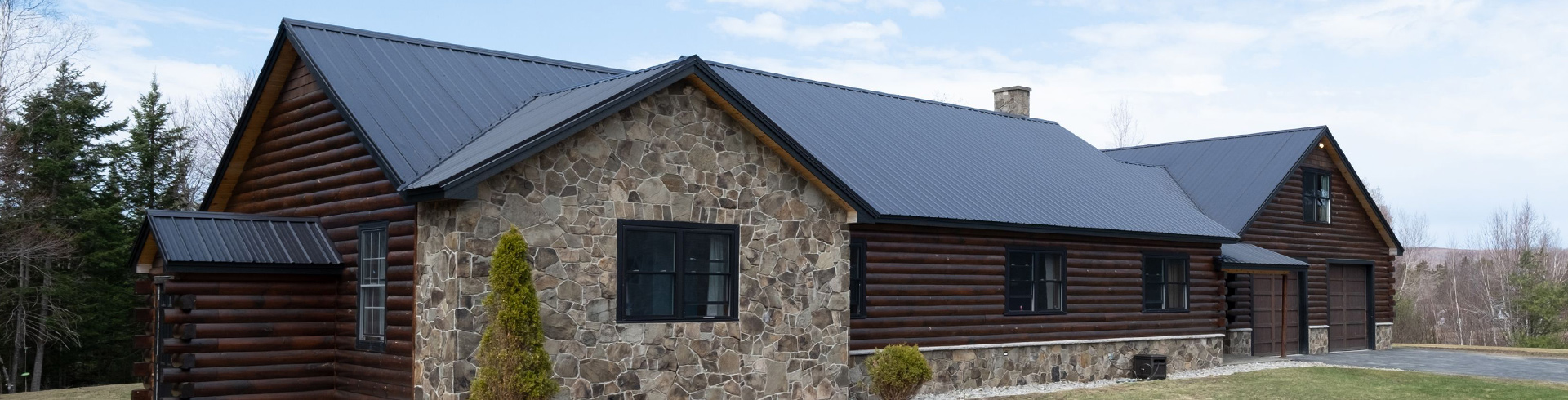
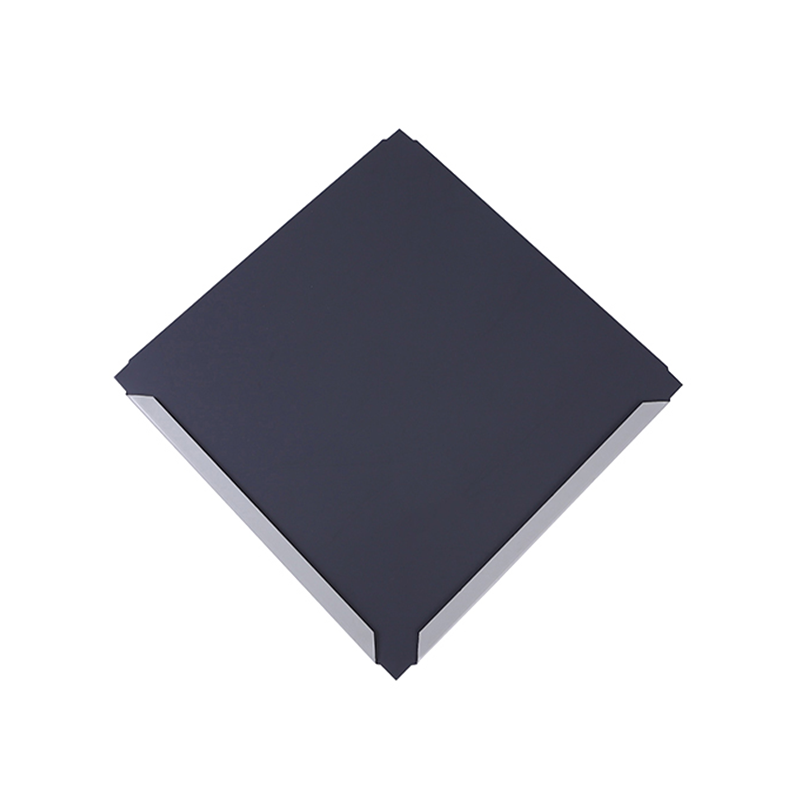
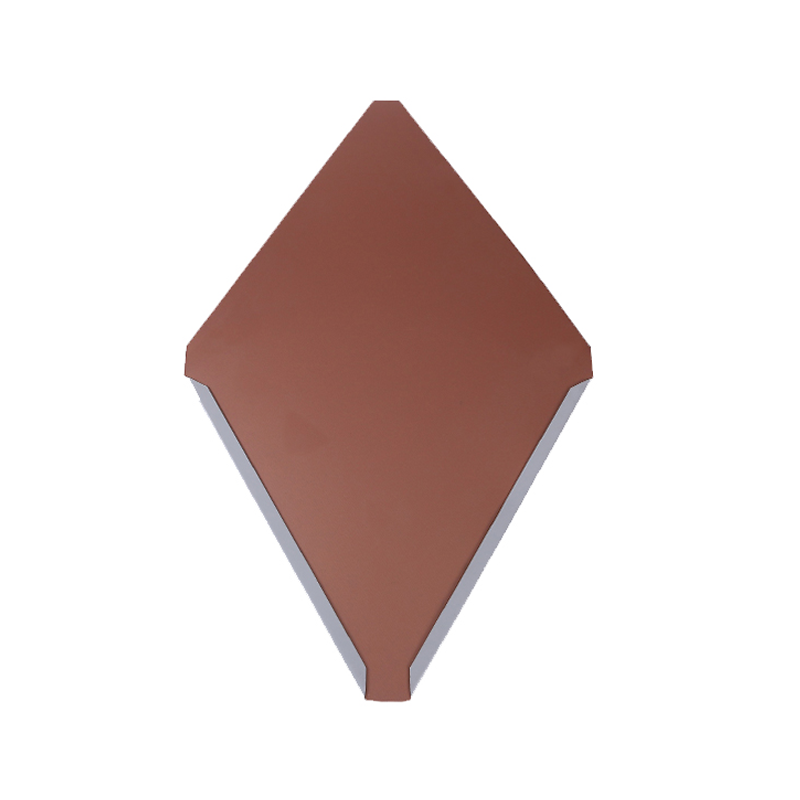
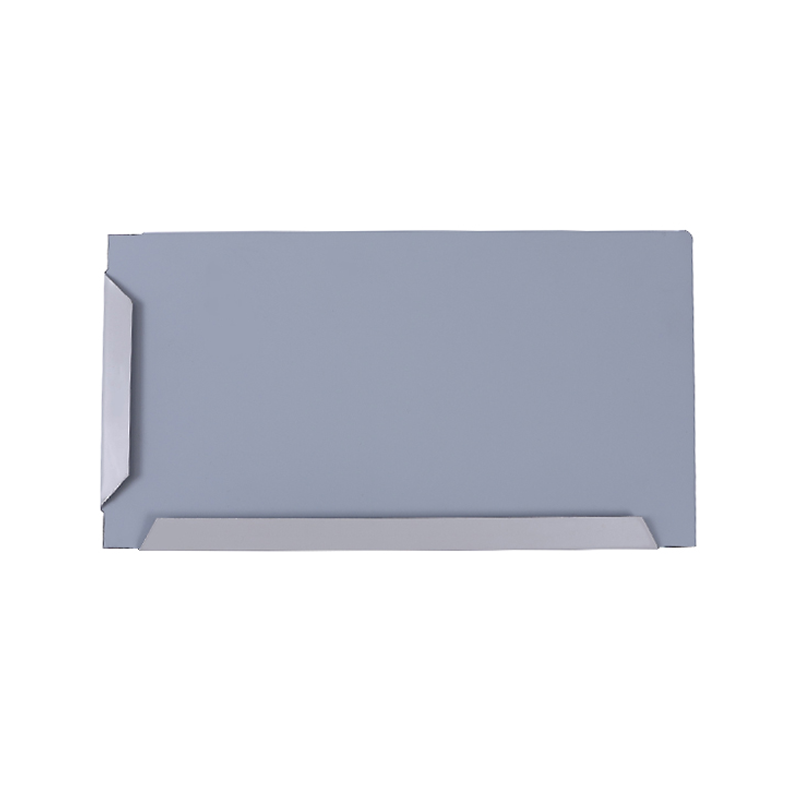

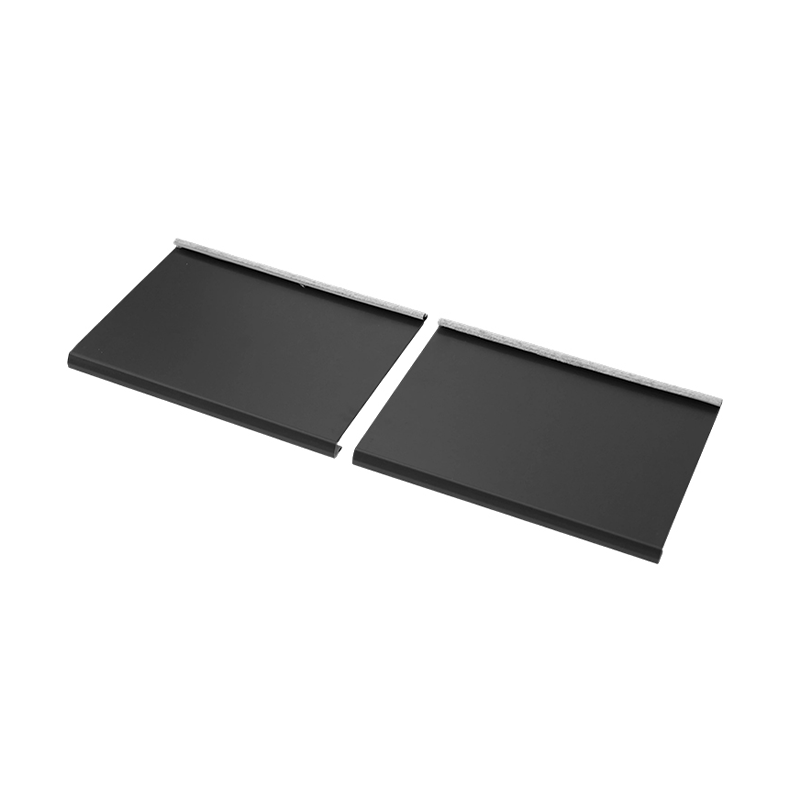
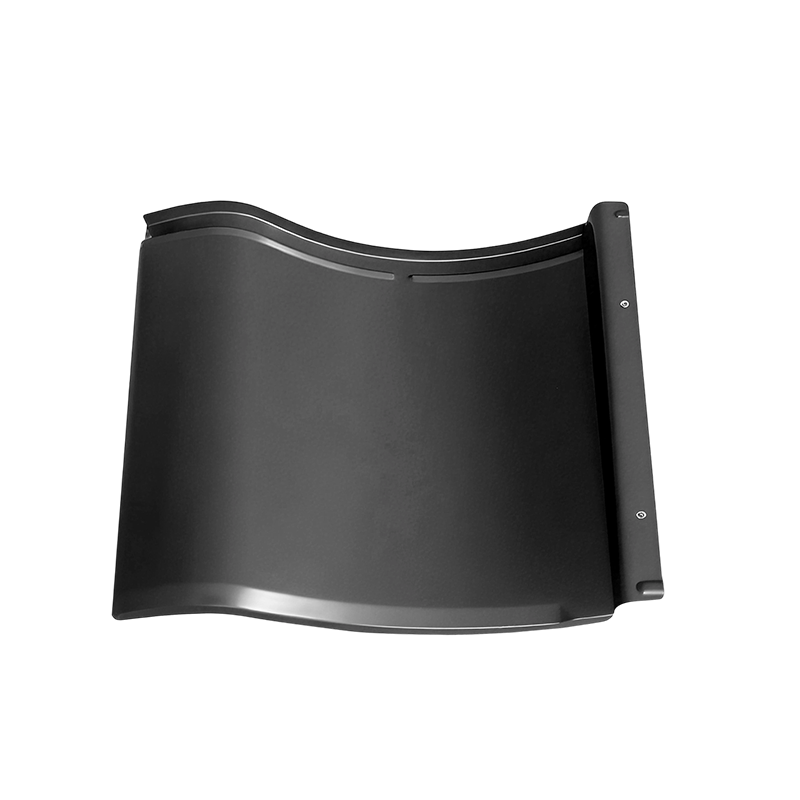
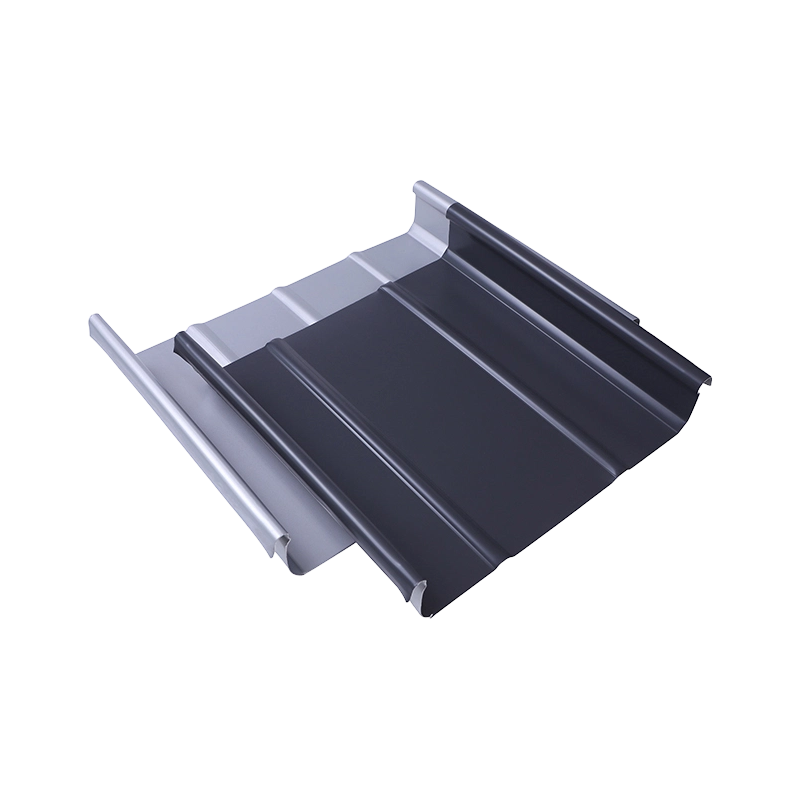
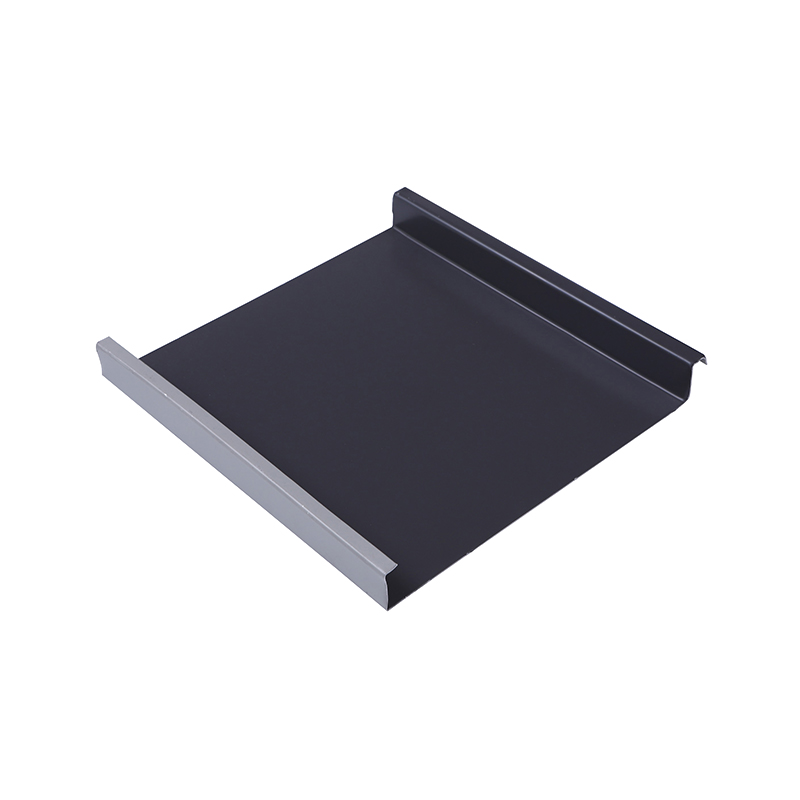
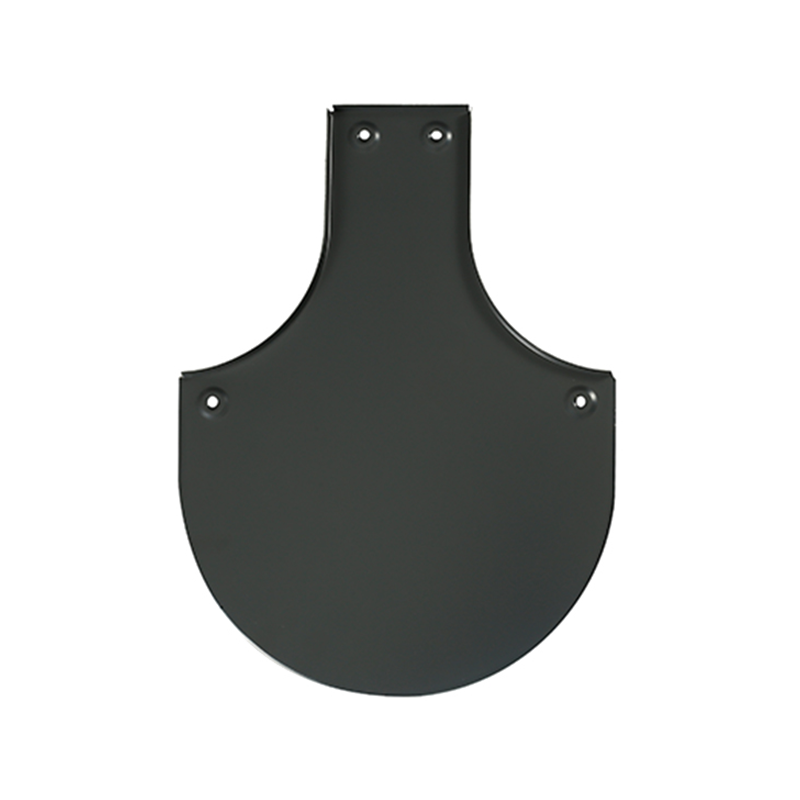
Interlocking Metal Tile Specifications
| Item | Typical Range / Option |
| Primary material | Aluminum alloy |
| Available profiles | Barrel tile, Japanese-style tile, fish-scale tile |
| Typical thickness | 1.0mm - 1.2mm typical for interlocking tile profiles |
| Interlocking mechanism | Mechanically engaged edge detail engineered for secure, watertight tile-to-tile connection |
| Thermal accommodation | Interlocking design accommodates thermal expansion without compromising seal integrity |
| Color and finish | Traditional terracotta, dark gray, and other historically appropriate color options |
| Weight advantage | Significantly lighter than genuine ceramic, clay, or slate tile |
| Typical applications | Villas, traditional-style residential and cultural buildings, heritage restoration |
We recommend confirming your project's specific traditional style reference early in the specification process, since barrel tile, Japanese-style tile, and fish-scale profiles each represent distinct traditional roofing traditions with their own characteristic proportions and visual details, and matching the appropriate profile to your project's intended architectural style is essential to achieving an authentic, convincing traditional appearance.
We also recommend discussing your project's specific roof pitch with our technical team, since interlocking tile profiles generally perform best within a certain slope range, and confirming this compatibility early in the specification process helps avoid a mismatch between your building's actual roof geometry and the tile profile's optimal performance range for watertight function and secure interlocking engagement.
We remain glad to review your specific roof pitch and geometry during an initial technical consultation to confirm profile suitability.
We also recommend discussing expected foot traffic or maintenance access needs for your specific roof, since certain interlocking tile configurations handle occasional walking access better than others, and clarifying this practical consideration during specification helps ensure the finished roof serves your building's actual long-term maintenance needs effectively.
Pricing Structure and Minimum Order Quantity
Interlocking metal tile pricing follows our standard aluminum alloy per-square-meter approach based on the selected profile, thickness, and coating, with pricing generally comparable across our different tile profile options, though custom decorative detailing for a specific traditional style may carry an additional fabrication cost beyond our standard profile pricing.
Minimum order quantity follows our standard approach for aluminum alloy tile products, and we can accommodate both smaller residential villa projects and larger cultural-tourism or institutional developments, similar in scale to our documented 20,000㎡ projects using comparable tile profiles.
We provide itemized quotations covering tile cost alongside any required ridge caps, hip and valley trims, and other accessories specific to tile roofing systems, ensuring buyers understand the complete material cost for a properly finished, professionally detailed traditional tile roof rather than a tile-only estimate that overlooks necessary complementary components.
We are also glad to discuss the specific quantity of ridge caps, hip pieces, and other trim components your particular roof geometry requires based on a review of your roof plan, ensuring your final quotation reflects an accurate, complete material list rather than an underestimate that could create a supply gap discovered only partway through installation.
We remain committed to providing this kind of accurate, complete accessory accounting for every interlocking tile project we quote.
We also encourage buyers with a defined project budget to share this figure with our team early, since we can often suggest a specific profile, thickness, or color combination that achieves an authentic traditional appearance within a genuinely constrained budget rather than assuming every traditional tile project requires our most premium possible specification.
Thank you.
Manufacturing Capacity and Lead Time
Interlocking tile production occurs across our 12 automated production lines at our 10,000㎡ Taicang, Suzhou facility, using specialized tooling developed for each specific traditional tile profile we offer, ensuring consistent interlocking mechanism engagement across every tile produced.
Lead time depends on the specific profile, thickness, color, and total order volume, with our standard profiles and stock colors generally offering efficient production timelines, while custom color matching or decorative detailing for a specific traditional style may require additional development time.
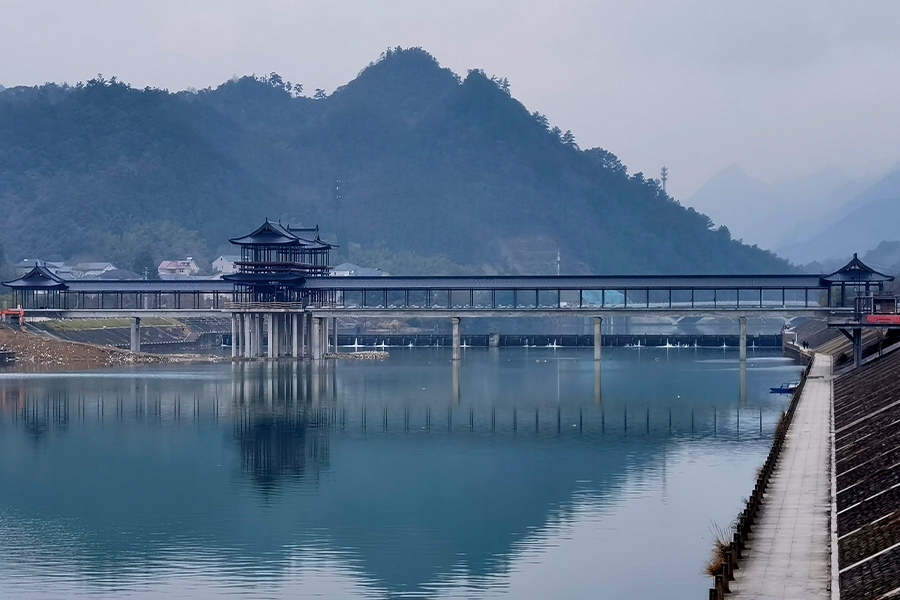
Our successful completion of large-scale tile projects, including our 20,000㎡ Eel Lake Boat Landing project using Japanese-style tile, demonstrates our practical capability to execute substantial interlocking tile orders on a defined project timeline, giving buyers confidence in our production capacity for projects of meaningful scale.
We also maintain dedicated tooling for each of our distinct tile profiles, allowing us to move between different traditional style orders without extended changeover time, supporting efficient production scheduling even when our order book includes a genuinely diverse mix of different traditional tile styles across multiple concurrent projects.
We remain a flexible, efficient production partner regardless of how diverse your specific traditional style requirements may be.
We also recognize that some traditional tile projects involve a genuinely tight construction window tied to a specific cultural or seasonal consideration, and we remain committed to communicating honestly about what production timeline is realistically achievable rather than overpromising simply to win an order under time pressure.
We believe this honest approach ultimately serves buyers better than an overpromised timeline that risks disappointing a buyer during an important cultural or seasonal deadline.
Trade Terms, Payment and Compliance
Interlocking tile orders are supported under our standard international trade terms, including FOB, CIF, and DDP where appropriate, with payment generally following standard practice of a deposit before production and balance due before or against shipping documents.
Standard export documentation, including commercial invoices, packing lists, and certificates of origin, is provided as a matter of course, and material certification covering aluminum alloy composition can be supplied to support a project's specific documentation requirements.
We recommend buyers confirm any local building code requirements specific to tile roofing systems in their destination market, and we are glad to provide relevant technical documentation to support this compliance review process where needed.
We also recommend buyers confirm any specific fire rating or wind uplift testing requirements relevant to tile roofing systems in their local jurisdiction, since these requirements can occasionally differ from those applied to standing seam or flat panel profiles under certain regional building codes.
We remain a dependable resource for compliance questions specific to tile roofing systems in any jurisdiction.
We also recommend confirming any specific import classification questions with your customs broker early, since tile roofing products may occasionally be classified differently than flat panel roofing products under certain countries' specific customs tariff schedules and documentation systems.
We remain a dependable resource for these classification questions across every destination market we serve.
We remain a dependable resource for these classification and compliance questions across every destination market we serve worldwide.
Thank you.
Thank you kindly indeed.
Frequently Asked Questions About Interlocking Metal Roof Tiles
How does the interlocking mechanism actually work? Adjacent tiles mechanically connect along their edges through an engineered interlocking detail, creating a continuous, watertight surface while accommodating thermal expansion.
Is interlocking metal tile as durable as ceramic tile? Yes, and often more so in certain respects, since metal tile offers greater impact resistance and does not crack or chip the way ceramic tile can under certain conditions.
Can you match a specific traditional regional style? Yes, we recommend sharing reference photographs of your desired style so our team can recommend the most appropriate profile among our barrel, Japanese-style, or fish-scale options.
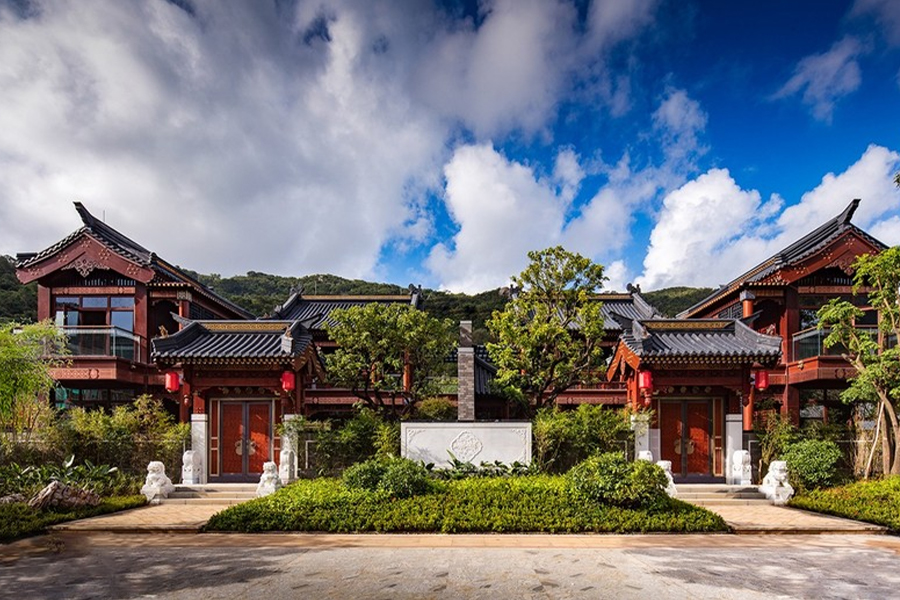
Do you have experience with large-scale interlocking tile projects? Yes, our 20,000㎡ Eel Lake Boat Landing project and 1,000㎡ Yalong Mansion project both demonstrate our capability across different scales and profiles.
What accessories are needed alongside the tiles? Ridge caps, hip and valley trims, and other tile-specific accessories are typically required for a complete, properly finished tile roofing system.
How much lighter is this than genuine ceramic tile? Aluminum alloy tile is significantly lighter than ceramic, clay, or slate tile, which can meaningfully ease structural requirements for both new construction and restoration projects.
Can interlocking tiles be walked on for maintenance access? Limited foot traffic is generally possible with care, though we recommend following manufacturer guidance and using proper walking technique to avoid damaging the interlocking mechanism or coating.
Do you offer a warranty on interlocking tile products? Warranty terms vary by material and project; please discuss specific warranty details directly with our sales team.



 DOWNLOAD